


,_RP-P-AO-17-67-2.jpg)

1 min walk
Musical Instruments Museum
- Must see
- Museum
Language · 1 published
Museum · Brussels
Coudenberg
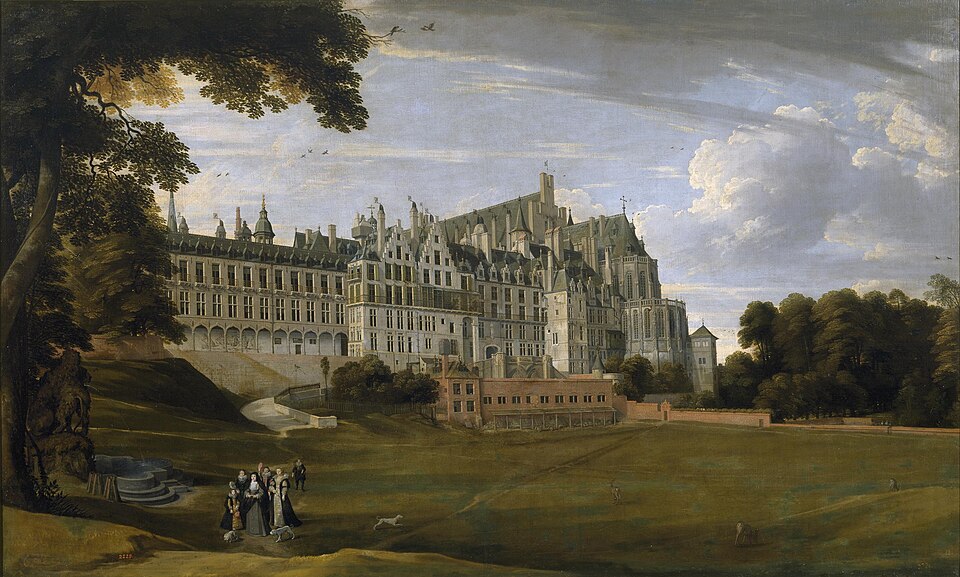
The Palace of Coudenberg was a medieval royal and imperial palace located on Coudenberg hill in Brussels. It served as the seat of government for the Dukes of Brabant and later for the Habsburg rulers. The palace was destroyed by fire in 1731 and lay buried beneath the present-day Royal Square. Today, visitors can explore the archaeological remains of this once-magnificent complex through an underground route that reveals foundations, rooms, and structures hidden beneath the modern city for centuries. Palace of Coudenberg also earns time in a brussels itinerary because Exact production identity node/9026522738 is assigned through pois.city_place_id for Brussels; stored production names and coordinates were copied without approximation. The entry-specific source identifies this exact visitor POI. Its value becomes clearer when the stop is compared with the surrounding streets and the other ranked places nearby.
Checked 2026-08-26
The underground archaeological site preserves the foundations and lower levels of the former palace. Visitors can walk through the remains of the main buildings, including the Aula Magna where Charles V abdicated in 1555. The site includes the Rue Isabelle, a medieval street that was buried when the palace complex was rebuilt. Display materials and structural remnants illustrate the scale and significance of the original palace. The experience offers a rare opportunity to walk through layers of Brussels history beneath the contemporary urban surface.
Checked 2026-08-26
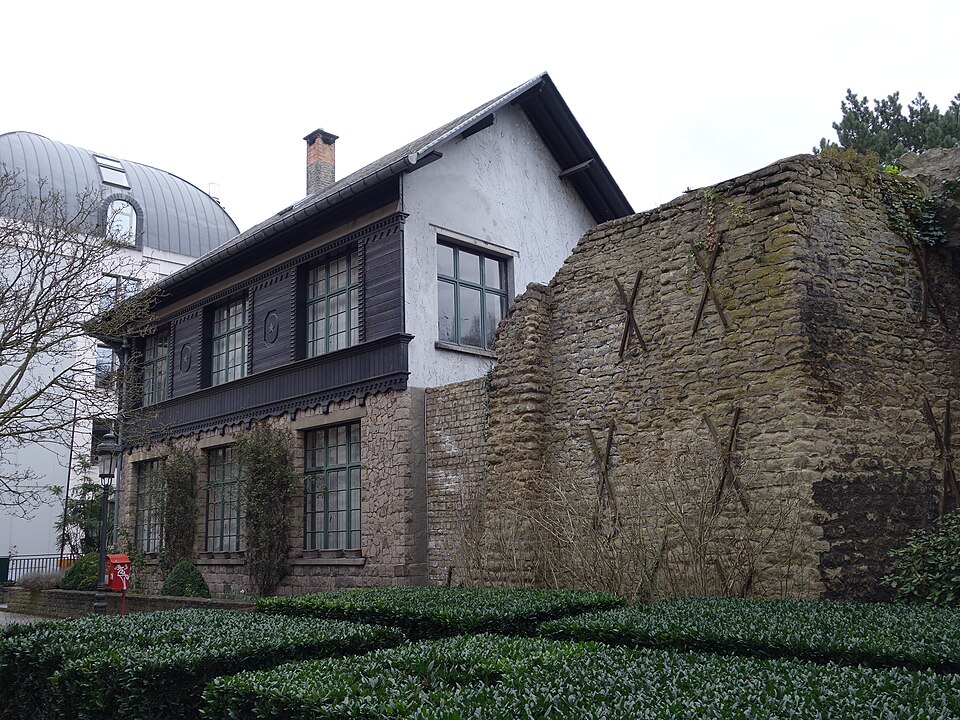
A complete visit to the archaeological site typically requires between sixty and ninety minutes. The self-guided route follows a clearly marked path through the underground chambers and passages. Visitors interested in detailed examination of the structural remains and interpretive materials may wish to allocate additional time. The compact nature of the preserved remains means the physical distance covered is modest, though the historical density rewards careful attention. Combination with nearby cultural attractions on and around Royal Square can extend a visit to half a day.
Checked 2026-08-26
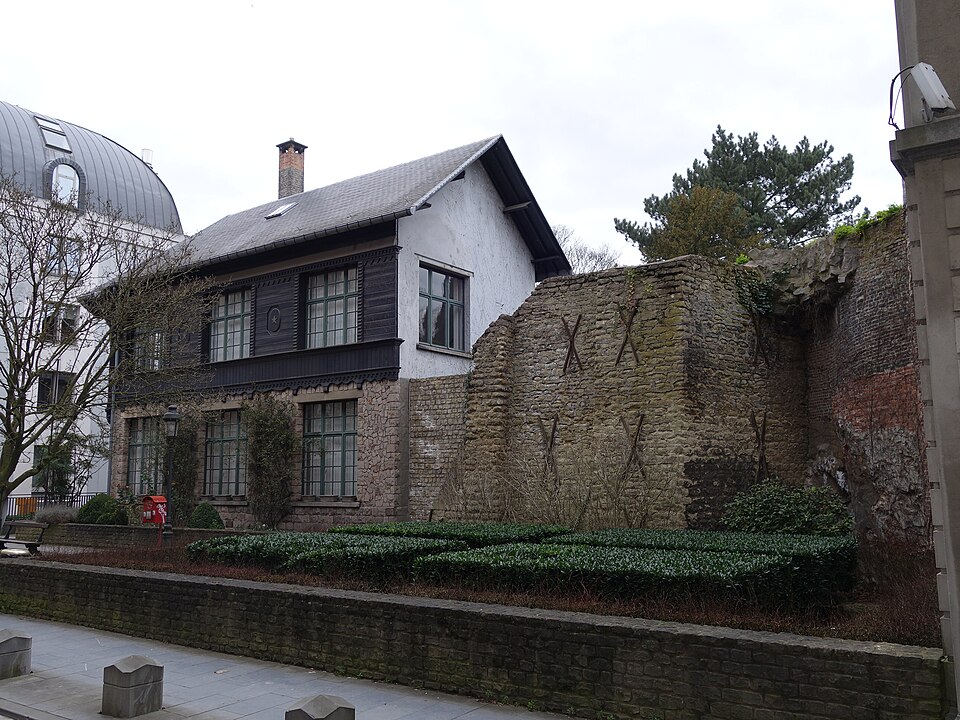
Operator-confirmed hours are Not recorded pending review. The underground archaeological site operates as a heritage attraction with seasonal scheduling typical of Belgian museums. Visitors should consult the official website or contact the site directly for current opening times before planning a visit. The interior environment maintains relatively stable temperature and humidity throughout the year due to its subterranean location, making weather conditions above ground less relevant to visitor comfort. Advance verification of accessibility remains essential for proper itinerary planning.
Checked 2026-08-26
Operator-confirmed prices are Not recorded pending review. Admission policies for heritage sites in Brussels vary, with many participating in combined ticketing arrangements or museum networks. Visitors should consult the official website for current fee structures, any available concessions, and free-entry periods that may apply. Some Brussels cultural institutions offer reduced rates for specific visitor categories or participate in city-wide museum programs. Advance purchase options and group booking policies should be verified directly with the site administrators prior to visiting.
Checked 2026-08-26
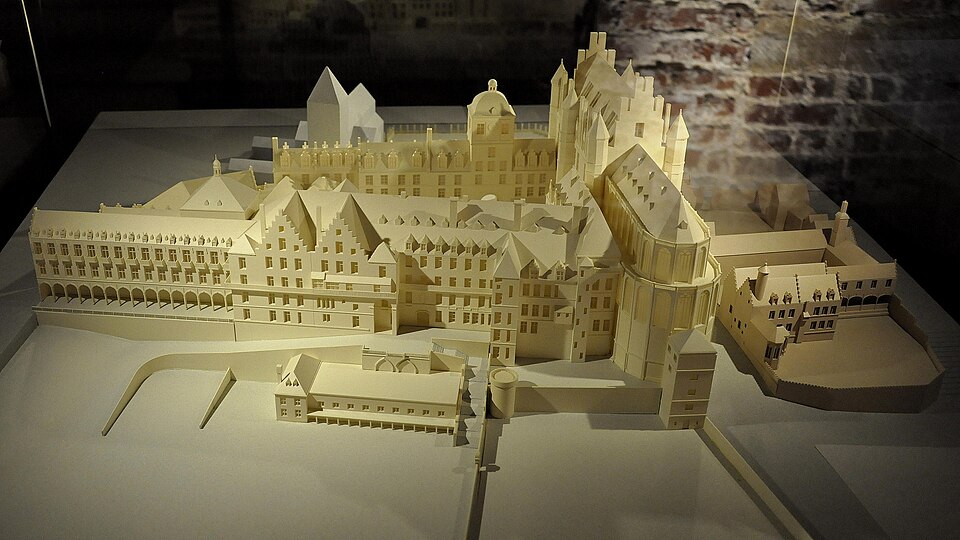
The site lies beneath the Royal Square in central Brussels, accessible by public transport serving the upper city area. Metro lines connect to nearby stations within walking distance of the square. Bus routes also serve this central district. The location sits close to other significant landmarks including the Royal Museums of Fine Arts and the Magritte Museum, allowing efficient combination of visits. Pedestrian access from the historic Grand Place area involves ascending to the upper town. Cyclists will find Brussels offers bike-sharing systems.
Checked 2026-08-26

The underground environment features uneven surfaces, changes in level, and confined passages that may present challenges for visitors with mobility limitations. Appropriate footwear is advisable. Lighting is designed for archaeological viewing but remains dimmer than surface conditions. The subterranean route may not suit visitors uncomfortable in enclosed spaces. Large bags or backpacks may prove cumbersome in narrow sections. Visitors should follow designated pathways to protect fragile remains. Emergency exits exist but the experience fundamentally involves moving through buried historical structures with inherent spatial constraints.
Checked 2026-08-26

Photography policies at archaeological heritage sites typically restrict flash and tripod use to protect sensitive materials and ensure visitor flow. The challenging lighting conditions underground may affect image quality without appropriate camera settings. Visitors should observe any posted restrictions and respect the experience of others in confined spaces. The unique perspective of buried medieval architecture offers distinctive photographic opportunities for those prepared for low-light conditions. Video recording and commercial photography usually require advance permission from site management. Drone use is prohibited given the entirely interior and subterranean nature of the attraction.
Checked 2026-08-26
No. The original palace was destroyed by fire in 1731 and never rebuilt. The present experience consists of underground archaeological remains beneath Royal Square.
The Aula Magna where Charles V abdicated in 1555 is among the identified spaces within the archaeological remains, though only foundations and lower walls survive.
The underground route with uneven surfaces and level changes presents accessibility challenges. Visitors with mobility concerns should contact the site directly for current access provisions.
The location near Royal Square allows easy combination with neighboring institutions including the Royal Museums of Fine Arts, though physical connections between sites do not exist.
Specific programming including guided tours is Not recorded pending review. Visitors should consult official sources for current educational offerings and tour schedules.
The remains lay buried for centuries after the 1731 fire. Archaeological investigation and public presentation as a heritage attraction occurred in modern times, with the site now open for visitor exploration.
Loading the interactive map…
The interactive map could not be loaded.
Last updated:
Source: OpenStreetMap contributors, Wikidata ·