.jpeg)
.jpeg)
.jpg)
5 min walk
Arts center of Red Cloister
- Must see
- Museum
Language · 1 published
Museum · Brussels
Jardin botanique Jean Massart - Botanische tuin Jean Massart
| Monday | 09:00 – 17:00 |
|---|---|
| Tuesday | 09:00 – 17:00 |
| Wednesday | 09:00 – 17:00 |
| Thursday | 09:00 – 17:00 |
| Friday | 09:00 – 17:00 |
| Saturday | Closed |
| Sunday | Closed |
Parsed from OpenStreetMap opening hours on 2026-08-26.
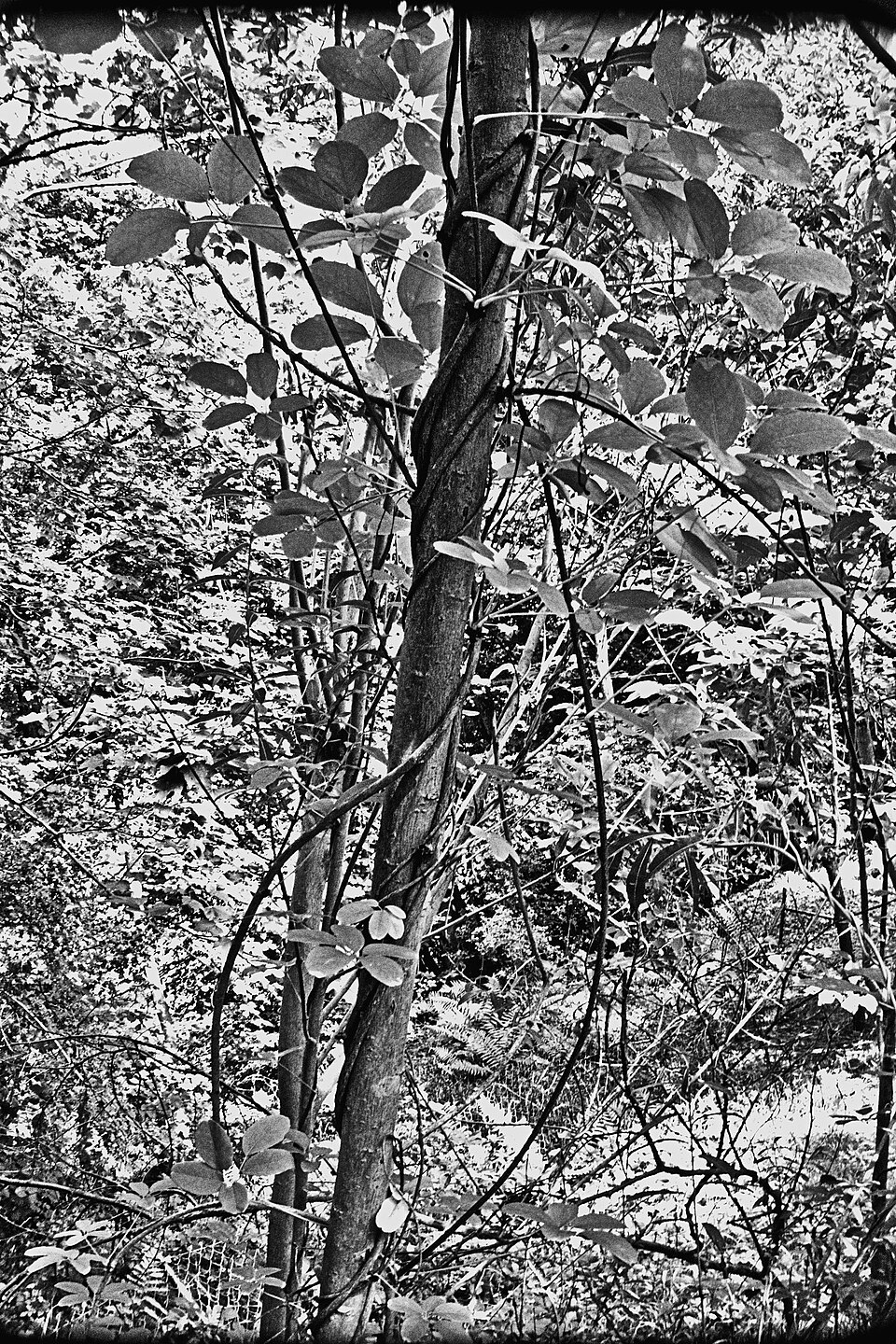
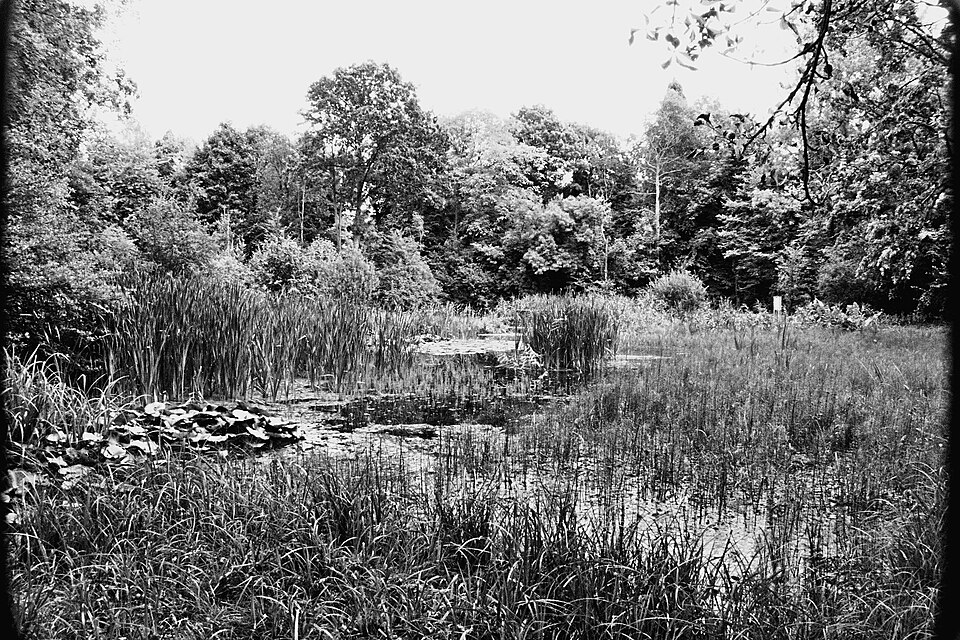
The Experimental Garden Jean Massart is a botanical garden in Brussels, known locally as Jardin botanique Jean Massart or Botanische tuin Jean Massart. It serves as a scientific research facility and public green space affiliated with the Université libre de Bruxelles. The garden is named after Jean Massart, a Belgian botanist. It functions as a living laboratory for botanical study while permitting visitor access. The site contributes to urban biodiversity and education in the Brussels-Capital Region.
Checked 2026-08-26
The garden contains curated plant collections arranged for scientific observation and study. As an experimental garden, it features organized botanical specimens rather than decorative landscaping. Visitors can expect structured plantings typical of academic botanical institutions. The Wikidata entry Q3162373 confirms its classification as a botanical garden. Specific collection details, greenhouse availability, and thematic garden areas are not recorded in available sources. The garden's research purpose suggests plantings may change according to ongoing scientific programs. Experimental Garden Jean Massart also earns time in a brussels itinerary because Exact production identity way/23607594 is assigned through pois.city_place_id for Brussels; stored production names and coordinates were copied without approximation. The entry-specific source identifies this exact visitor POI. Its value becomes clearer when the stop is compared with the surrounding streets and the other ranked places nearby.
Checked 2026-08-26
A typical visitor might spend between forty-five minutes and two hours exploring the garden grounds. The duration depends on individual interest in botanical observation and the extent of accessible areas during any visit. Research gardens often have restricted zones, limiting visitor circulation to designated paths. Without recorded garden dimensions or mapped trail lengths, precise timing remains uncertain. Visitors with strong botanical interest may require additional time for detailed plant examination. Casual visitors generally complete a circuit more quickly.
Checked 2026-08-26
Operator-confirmed hours are Not recorded pending review. Seasonal conditions affect botanical garden experiences, with growing seasons offering fuller plant displays. Belgian weather is variable year-round, and visitors should prepare for rain regardless of season. The garden's research function means access may be limited during academic terms or research activities. Visitors should verify current opening status before traveling, as institutional gardens frequently modify public access schedules without extensive public notification. No specific recommended months are documented. A flexible visit lets travellers connect Experimental Garden Jean Massart with the rest of the day without treating one room, viewpoint or photograph as the whole experience. The useful pace depends on personal interest and conditions on arrival.
Checked 2026-08-26
Operator-confirmed prices are Not recorded pending review. Many university-affiliated botanical gardens in Belgium operate with free or donation-based entry, though this is not confirmed for this specific site. Some research gardens restrict access to registered groups or academic visitors. Visitors should not assume free entry without verification. Payment methods, family rates, and guided tour supplements are likewise not recorded. Contacting the Université libre de Bruxelles or garden administration directly before visiting is advisable for current access policies.
Checked 2026-08-26
The garden is located within Brussels urban area. Public transport serves the surrounding district, though specific bus, tram, or metro lines are not recorded. Brussels has extensive STIB/MIVB network coverage, and visitors should consult current transit maps for nearest stops. Cycling is common in Brussels, with Villo bike-share potentially available nearby. Driving presents typical city challenges including parking scarcity. The exact street address and pedestrian access points are not recorded in supplied sources, requiring advance route planning.
Checked 2026-08-26
Research gardens may have restricted areas clearly marked or physically separated. Visitors should respect boundary indicators and not enter unauthorized sections. Weather protection is essential in Brussels. Path surfaces may be unpaved or uneven in botanical settings. Plant collections should not be disturbed, picked, or trampled. The garden lacks recorded visitor amenities such as cafes or restrooms, so visitors should plan accordingly. Seasonal closures for maintenance or academic use may occur without broad public announcement. Verify accessibility for mobility-impaired visitors before arriving.
Checked 2026-08-26
Photography policies are not recorded for this site. University research gardens typically permit personal photography while restricting commercial or publication use without permission. Visitors should observe any posted signage regarding image capture. Flash photography may disturb pollinators or research equipment. Drone use would almost certainly require explicit institutional authorization. Respect for ongoing research activities should guide photography behavior. Tripods and professional equipment might attract staff attention. When uncertain, visitors should request clarification from garden personnel rather than assuming unrestricted photographic access.
Checked 2026-08-26
Operator-confirmed hours are Not recorded pending review. Visitors should verify current schedule directly with the garden or Université libre de Bruxelles before visiting.
Guided tour availability is not recorded. As a research facility, group access may be arranged through academic channels, but public tour schedules are not documented.
The garden's research focus suggests limited child-oriented amenities. Young visitors may find structured botanical collections less engaging than recreational parks. Parental discretion advised.
Animal policies are not recorded. Research gardens commonly restrict pets to protect plant collections. Visitors should confirm before bringing animals.
Operator-confirmed prices are Not recorded pending review. Do not assume free entry; verify current access policies with the institution directly.
Accessibility provisions are not recorded. Botanical gardens with research functions may have uneven terrain and limited adapted facilities. Verify directly before visiting if accessibility is required.
Loading the interactive map…
The interactive map could not be loaded.
Last updated:
Source: OpenStreetMap contributors, Wikidata ·