
4 min walk
Archief en Museum voor het Vlaams Leven te Brussel
- Must see
- Museum
Language · 11 published
Museum · Brussels
Musée Belge de la Franc-Maçonnerie - Belgisch Museum van de Vrijmetselarij
Reviewed by Elena Voss · SSMTour Travel Editor
| Monday | Closed |
|---|---|
| Tuesday | 13:00 – 17:00 |
| Wednesday | 13:00 – 17:00 |
| Thursday | 13:00 – 17:00 |
| Friday | 13:00 – 17:00 |
| Saturday | 13:00 – 17:00 |
| Sunday | Closed |
Parsed from OpenStreetMap opening hours on 2026-08-26.
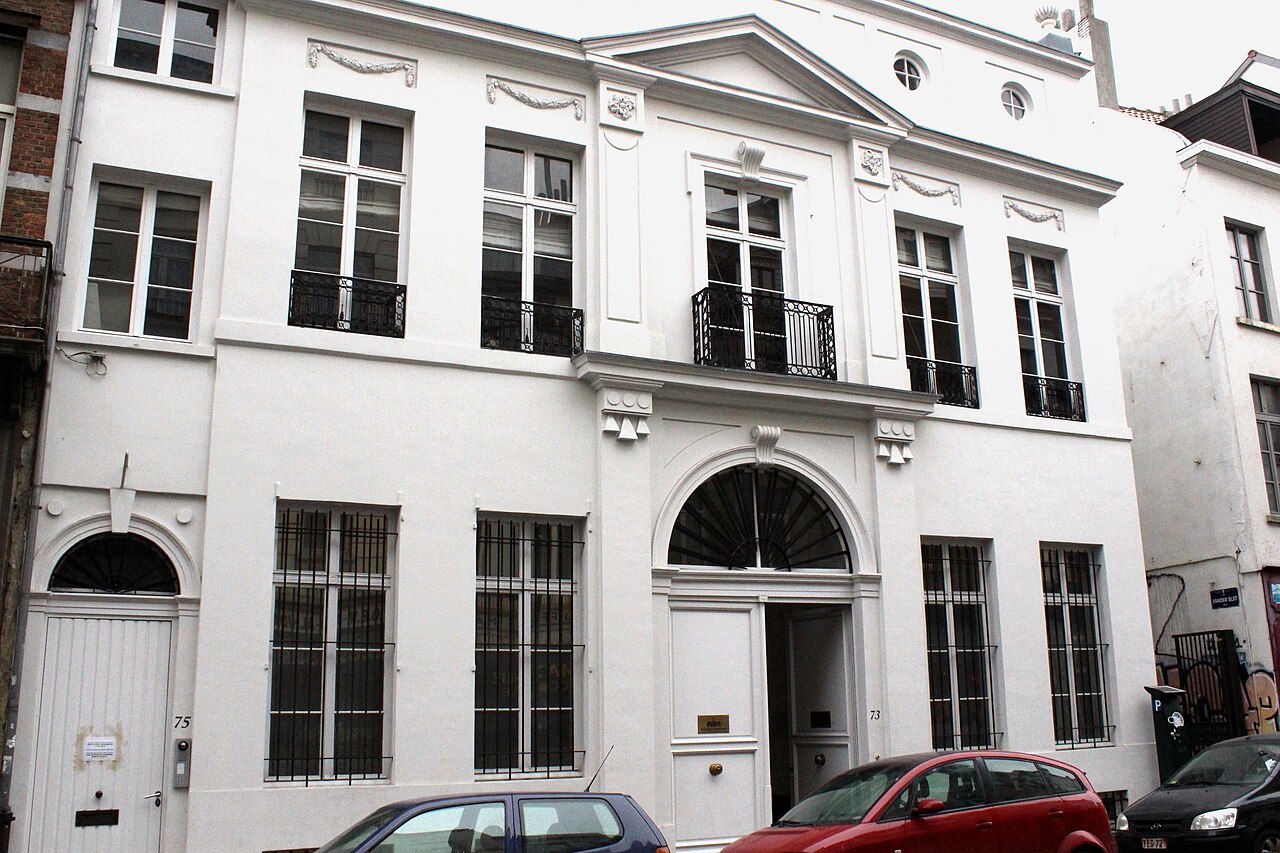
The Belgian Museum of Freemasonry occupies a historic building in Brussels dedicated to preserving and presenting the heritage of Belgian freemasonry. Established to illuminate an often-misunderstood fraternal tradition, the museum serves as a cultural institution examining symbolism, rituals, and social contributions of masonic lodges in Belgium. Its collections reflect centuries of organized freemasonry's development within the country, positioned within broader European Enlightenment contexts. The museum addresses both members and the general public, aiming to demystify masonic practices through documented artifacts rather than speculation. As a specialized institution, it fills a unique niche in Brussels' museum landscape, complementing larger national institutions with focused thematic content.
Checked 2026-08-26
Exhibits encompass ritual objects, regalia, manuscripts, and printed materials tracing Belgian freemasonry's evolution. Displays typically include ceremonial aprons, jewels, tracing boards with symbolic illustrations, and lodge furniture. Documentary holdings may feature membership records, constitutional texts, and correspondence illuminating institutional development. Thematic presentations explore philosophical underpinnings, charitable activities, and connections to Belgian political and cultural life. Architectural elements of the museum building itself may carry significance. Collections emphasize material culture over interactive technology, suiting visitors prepared for contemplative engagement. Rotating displays likely supplement permanent holdings, though specific temporary exhibition schedules are Not recorded.
Checked 2026-08-26
Visitors should allocate approximately one to two hours for meaningful engagement with the museum's contents. This duration accommodates careful examination of displayed artifacts, reading explanatory texts, and absorbing symbolic contexts without rushing. Those with specialized interest in fraternal organizations, esoteric history, or Belgian cultural movements may prefer extended visits approaching two hours. Casual visitors or those combining multiple Brussels attractions might complete a satisfactory overview within sixty to seventy-five minutes. The compact nature of specialized museums typically prevents overwhelming scale, though dense symbolic content rewards patient attention. Personal pacing varies considerably based on prior knowledge and curiosity depth.
Checked 2026-08-26
Prospective visitors must verify current opening schedules directly through official channels before planning attendance. Museums of this specialized character frequently maintain restricted access compared to major institutions, potentially limiting visiting opportunities to specific weekdays or reduced seasonal schedules. Advance consultation prevents disappointed arrival at closed premises. Brussels' generally moderate climate permits year-round urban exploration, though indoor venues eliminate weather dependency. Morning visits may offer quieter conditions conducive to concentrated examination of detailed exhibits. Holiday periods potentially affect accessibility; direct confirmation remains essential given the museum's niche operational profile and potential volunteer staffing. Check the operator's own site for the travel date before relying on a schedule or fare.
Checked 2026-08-26
Admission structures for specialized Belgian museums vary considerably, ranging from voluntary contributions to standardized fees. Potential categories may include full adult admission, reduced rates for students or seniors, and possible free entry on designated occasions common to Brussels museums. Group arrangements might require advance reservation. Membership in affiliated organizations could confer benefits. Visitors should consult official communications for current pricing before departure, carrying appropriate payment methods. Some Belgian cultural institutions participate in combined ticket schemes or museum pass programs, though specific affiliations for this venue are Not recorded. Check the operator's own site for the travel date before relying on a schedule or fare.
Checked 2026-08-26
The museum resides within Brussels' central urban fabric, accessible via the city's integrated public transportation network comprising metro, tram, and bus services. Walking from central railway stations or major landmarks represents a viable option given compact historic core dimensions. Cyclists benefit from developing bike infrastructure, though dedicated parking availability is unconfirmed. Driving in central Brussels presents congestion and parking challenges typical of European capitals; public transit proves generally preferable. Exact street address and nearest transit stops require verification through official sources. The museum's location within established tourist corridors suggests reasonable proximity to accommodation and dining options.
Checked 2026-08-26
Respectful conduct is paramount given the museum's connection to a private fraternal organization with guarded traditions. Photography restrictions may apply to sensitive ritual materials; visitors should observe posted guidelines or seek staff clarification. Some exhibits potentially address mature philosophical themes requiring contextual interpretation unsuitable for unprepared young children. Language of presentation may prioritize French and Dutch with variable English provision; international visitors should anticipate potential comprehension challenges. Accessibility accommodations for mobility limitations require direct inquiry. The specialized subject matter demands open-minded engagement; visitors seeking sensationalism or conspiracy content will find scholarly documentation rather than provocative revelation.
Checked 2026-08-26
Photography policies within the Belgian Museum of Freemasonry are Not recorded. Many museums restrict image capture of sensitive or copyrighted materials, particularly ritual objects carrying organizational significance. Visitors should assume prohibition until explicit permission is obtained, observing signage and staff direction. Flash photography typically damages artifacts and is universally discouraged where permitted. Mobile telephone use may disturb contemplative atmosphere. If photography is allowed, sharing images on social media should respect institutional guidelines and avoid misrepresenting ceremonial contexts. Professional or commercial image-making almost certainly requires advance written authorization. When in doubt, abstain rather than risk causing offense or violating trust.
Checked 2026-08-26
The specialized symbolic and historical content may not engage younger visitors; parental discretion is advised based on individual maturity and interest.
Tour availability is Not recorded; visitors should inquire directly with the museum regarding potential guided or audio tour options.
Language provision is Not recorded; French and Dutch likely predominate with possible variable English support.
Central Brussels location suggests proximity to restaurants, though specific recommendations are Not recorded.
Shop availability and merchandise selection are Not recorded; visitors should verify directly.
Booking requirements are Not recorded; direct contact with the museum is recommended to confirm access procedures.
Loading the interactive map…
The interactive map could not be loaded.
Last updated:
Source: OpenStreetMap contributors, Wikidata ·