
17 min walk
Stoclet Palace
- Must see · Heritage site
- Historic monument
Language · 11 published
Museum · Brussels
Musée du Tram - Trammuseum
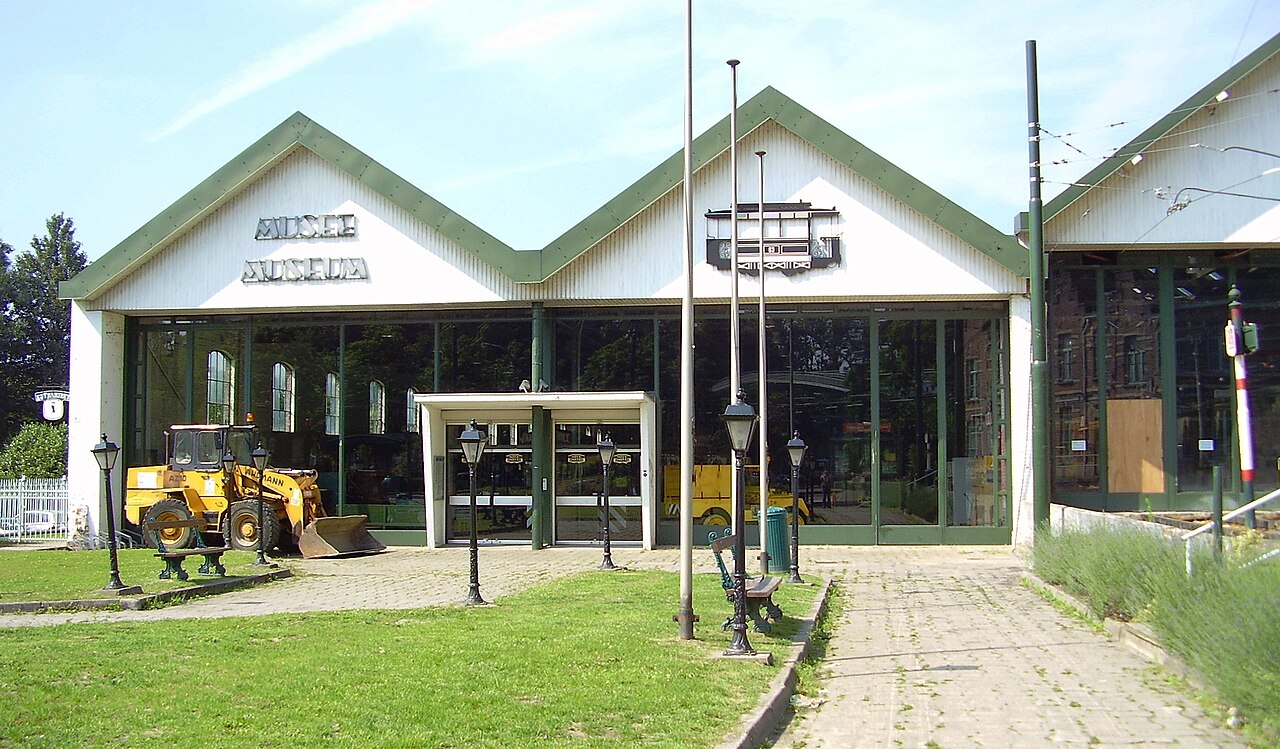
The Brussels Urban Transport Museum, locally called Musée du Tram or Trammuseum, preserves the history of public transport in Belgium’s capital. Its central subject is the tram: the vehicles, infrastructure and working world that carried people through Brussels over time. This heritage setting offers a focused complement to the city’s major art and history museums, especially for visitors interested in engineering, urban development and everyday mobility. The Brussels Urban Transport Museum, known locally as Musée du Tram - Trammuseum, is a heritage transport museum in Brussels. It preserves and exhibits the history of urban public transport in the Belgian capital. The museum operates as a visitor attraction dedicated to trams and related transit infrastructure. The entry-specific source identifies this exact visitor POI.
Checked 2026-08-26 · Source
The collection includes historic tram vehicles and material connected with Brussels public transport. Rather than presenting a general transport survey, the museum centres on tramway heritage and the development of the capital’s urban transit systems. Vehicle design, passenger experience and transport operations give the displays their practical interest. Read the exhibits as a story of how Brussels moved through different periods of city life. The museum contains historical tram vehicles and associated urban transport collections. Exhibits relate to the development of Brussels public transit systems over time. The specific scope of displays covers heritage rolling stock and potentially supporting materials about transport operations. Visitors should expect a collection focused on tramway history rather than comprehensive multi-modal coverage. The museum's holdings represent preserved transport heritage of the Brussels region.
Checked 2026-08-26 · Source
Set aside about an hour for a first visit to the Brussels Urban Transport Museum. That gives a casual visitor time to walk through the tram collection and take in the main transport story. Enthusiasts of railways, vehicles or urban history may want a longer stop to study construction details, interiors and the way the preserved vehicles document changing public transport in Brussels. Visitors should allocate time based on personal interest in transport heritage and the apparent scale of tram collections. Those with strong enthusiasm for railway or tram history may wish to spend extended periods examining vehicle details. Casual visitors might complete a walkthrough more quickly. Without confirmed information about exhibit density or interactive elements, planning flexibility is advisable. Checking current conditions before visiting would support appropriate time allocation.
Checked 2026-08-26 · Source
The museum works well as an indoor cultural stop in Brussels, particularly when you want a break from walking between outdoor landmarks. Place it in a day built around transport, engineering or local history, or use it as a change of pace after central sightseeing. A visit is most rewarding when you can give the vehicles your attention instead of rushing through them between tightly timed attractions.
Checked 2026-08-26 · Source
The Brussels Urban Transport Museum is a heritage museum devoted to trams and Brussels public transport. Plan for a museum admission visit, with enough time to explore the preserved vehicles and supporting displays. This guide does not state a confirmed fare, so keep the museum’s cost separate from any fixed attraction budget. Its appeal lies in the depth of its transport collection rather than a broad menu of visitor services.
Checked 2026-08-26 · Source
The museum is in Brussels and belongs naturally in a city day that uses public transport as part of the experience. Reach the area through Brussels’s metro, tram and bus network, then use a current map for the final approach. A taxi is convenient when travelling across the city or with limited time. Combining the visit with nearby cultural stops keeps the route efficient and gives the museum context within Brussels’s transport landscape.
Checked 2026-08-26 · Source
Historic tramcars can have narrow entrances, steps and confined interiors, so move carefully while exploring the collection. Treat any operational vehicle or track area as part of a working heritage environment and follow staff directions. The museum rewards close observation: allow room for other visitors when examining vehicle details, and keep bags and movement controlled in tight spaces.
Checked 2026-08-26 · Source
The preserved trams provide strong subjects for photographs, from exterior profiles and destination boards to seats, fittings and driver areas. Follow posted museum rules and staff instructions, especially around flash, tripods and any vehicle that may be operational. Photographing details rather than blocking an entrance helps preserve the experience for everyone and highlights the craftsmanship of Brussels’s transport heritage.
Checked 2026-08-26 · Source
The museum is known locally as Musée du Tram and Trammuseum.
It preserves historic tram vehicles and material connected with the development and operation of Brussels public transport.
It suits visitors interested in trams, railway history, engineering, urban development and the everyday transport systems that shaped Brussels.
Allow about an hour for a general visit, or longer if you want to examine vehicle construction, interiors and transport history in detail.
The collection shows how public transport supported daily life and urban growth in Brussels, while the preserved vehicles make that history tangible.
Pay attention to the vehicle exteriors, passenger interiors, fittings and operational details; together they show how tram design and travel changed over time.
Loading the interactive map…
The interactive map could not be loaded.

Last updated:
Source: OpenStreetMap contributors, Wikidata ·