


2 min walk
Art)&(marges Museum
- Must see
- Museum
Language · 11 published
Museum · Brussels
Musée du CPAS de Bruxelles - Museum van het OCMW van Brussel
Reviewed by Elena Voss · SSMTour Travel Editor
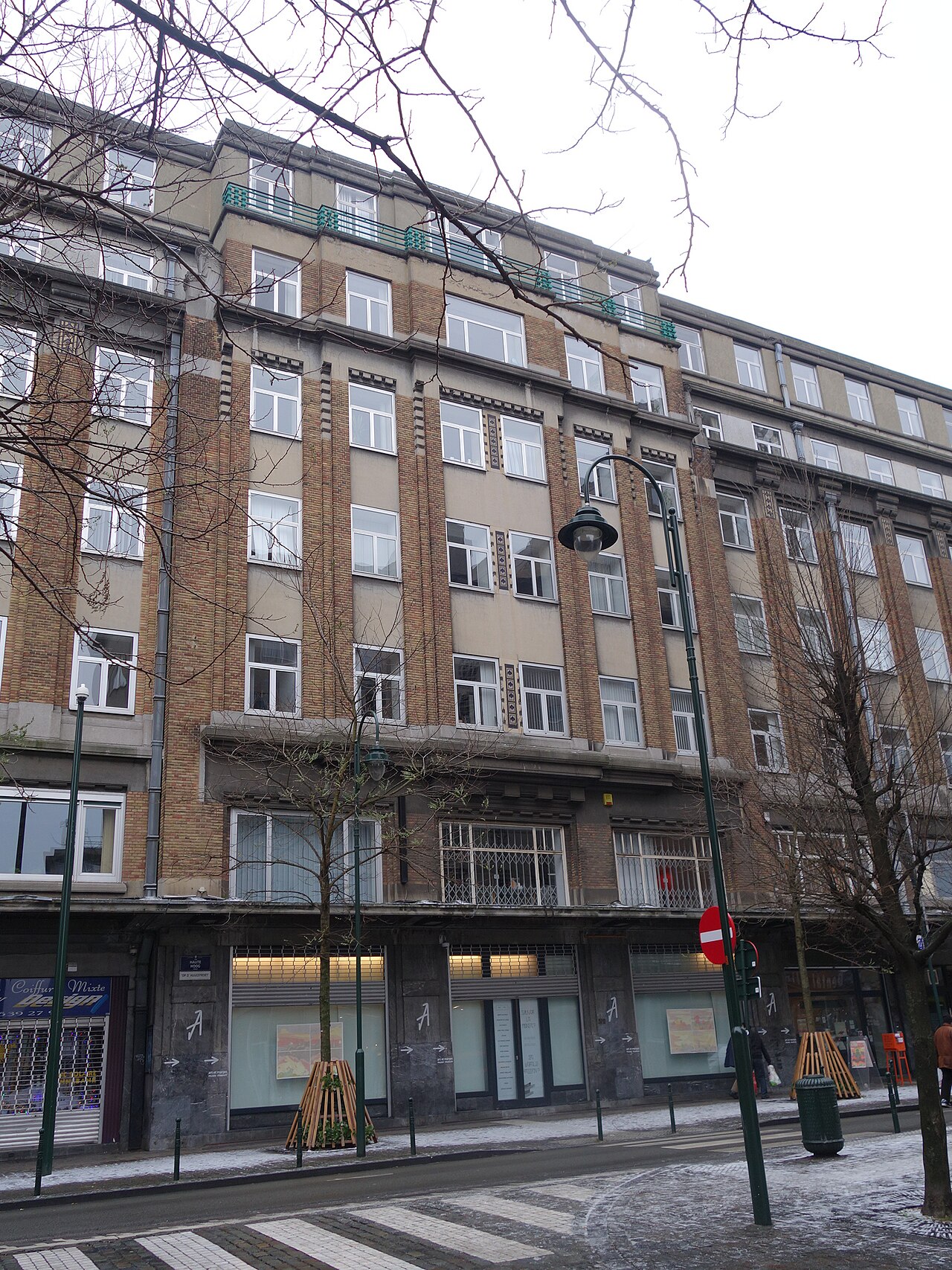
This place is a Museum. It opened in 1927.
The Museum of the Public Social Welfare Centre of Brussels presents the history of public welfare in Belgium’s capital. Its subject is the civic work carried out through Brussels social assistance institutions: support for people facing poverty, illness, insecure housing, and social exclusion. The museum connects municipal administration with everyday human experience, showing how ideas of charity, public responsibility, and social protection changed over time. It suits visitors interested in Brussels history beyond palaces, churches, and fine art. Expect a focused cultural visit centred on social history, public health, administration, and the development of welfare provision.
Checked 2026-08-26 · Source
The collection is built around documentary and material evidence of social welfare in Brussels. Visitors can expect historical records, photographs, administrative documents, and objects connected with institutions that assisted vulnerable residents. The displays place personal circumstances alongside the systems created to respond to them, making the museum useful for understanding how public services developed in practice. Rather than presenting decorative art, the museum focuses on evidence: paperwork, images, institutional traces, and the material world of care. Read slowly, because the meaning lies in the relationship between individual lives and the structures that supported them.
Checked 2026-08-26 · Source

Plan a compact visit devoted to close reading and reflection. The museum’s subject rewards attention to documents, photographs, and explanations rather than a rapid walk through large galleries. Visitors who enjoy social history, public administration, or the history of medicine may want to linger over individual records and institutional stories. It works well as a specialised stop within a wider Brussels day, especially for travellers who want a different perspective on the city’s development. Allow enough time to read the interpretive material and consider how welfare institutions affected residents’ daily lives.
Checked 2026-08-26 · Source

This museum belongs to the administrative and social history of Brussels, so it offers a thoughtful indoor stop when you want a quieter subject than the city’s major art collections. Its themes are especially suitable for a history-focused itinerary or a day exploring how Brussels institutions shaped urban life. Give yourself a calm period rather than combining it with a rushed sequence of landmarks. The museum’s character is closely tied to the work of the Public Social Welfare Centre, which makes the visit most rewarding when you have time to engage with its civic and human themes.
Checked 2026-08-26 · Source
The museum’s central value is educational: it explains public welfare and the institutions that delivered assistance in Brussels. Treat the visit as a specialised heritage experience rather than a conventional entertainment attraction. The focus on social services gives the museum a distinctive place in the city’s cultural landscape, particularly for travellers comparing Belgian civic history with welfare systems elsewhere in Europe. Set aside time for the documentary material, since the experience depends on understanding context rather than simply viewing objects. The museum is best approached with curiosity about how public responsibility evolved.
Checked 2026-08-26 · Source

The museum is associated with the Public Social Welfare Centre of Brussels and belongs to the city’s administrative heritage. Plan the stop as part of an urban walk through Brussels rather than as an isolated suburban excursion. The surrounding city provides the wider context: municipal buildings, neighbourhoods, and public institutions reveal the environment in which welfare services operated. Use the exact mapped point supplied for this POI when navigating, and leave flexibility for a slower approach through the city. The museum’s institutional setting is part of its identity and helps frame what you will see inside.
Checked 2026-08-26 · Source

The museum deals with poverty, illness, social marginalisation, and the administrative decisions that affected vulnerable people. Some visitors may find the subject emotionally demanding, especially when personal hardship is presented through institutional records. The experience is reading-led, so it may feel very different from a visual art museum. Allow time to absorb difficult themes and avoid planning it as a rushed photo stop. Its administrative heritage also means the atmosphere is more purposeful and documentary than theatrical. Travellers seeking a deeper understanding of Brussels’ social history will gain more than visitors expecting spectacle.
Checked 2026-08-26 · Source

Photography should remain secondary to the documents and human stories presented by the museum. Historical records may contain personal information or images of people whose dignity deserves careful treatment. Keep attention on the interpretation, avoid distracting other visitors, and follow any signs or staff directions inside the institution. The museum’s strongest memories come from its evidence of care, poverty, public health, and civic responsibility rather than from dramatic architecture. A respectful visit means looking closely, reading patiently, and treating documentary material as a record of real lives rather than as a backdrop for photographs.
Checked 2026-08-26 · Source
It explores poverty relief, public health, social housing, social marginalisation, and the development of public welfare institutions in Brussels.
The museum presents documentary records, photographs, administrative material, and objects connected with Brussels social welfare institutions.
It is particularly suitable for visitors interested in social history, public administration, public health, and the development of Belgian welfare provision.
Its emphasis is documentary and civic: it explains welfare institutions and lived social conditions instead of concentrating on decorative or fine art.
Pay attention to the connection between individual experiences of hardship and the public systems created to provide assistance, healthcare, and support.
It offers a distinctive view of Brussels through civic responsibility and social protection, adding depth to an itinerary focused on the city’s institutions and people.
Loading the interactive map…
The interactive map could not be loaded.

Last updated:
Source: OpenStreetMap contributors, Wikidata ·