.jpg)
01
2 hours
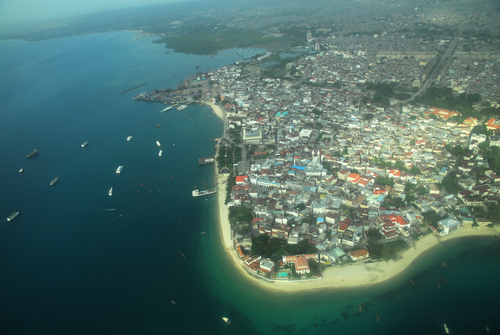
Stone Town
Mji Mkongwe
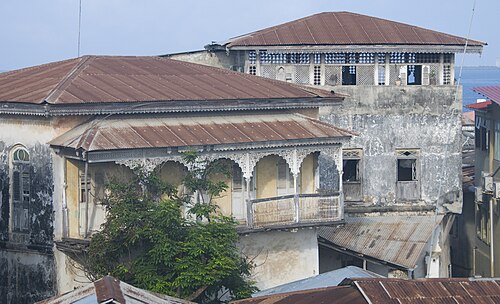
Stone Town, known locally as Mji Mkongwe, is the historic heart of Zanzibar City on Unguja Island, Tanzania.
- Must see
- Historic monument
Language · 11 published
City guide · Tanzania
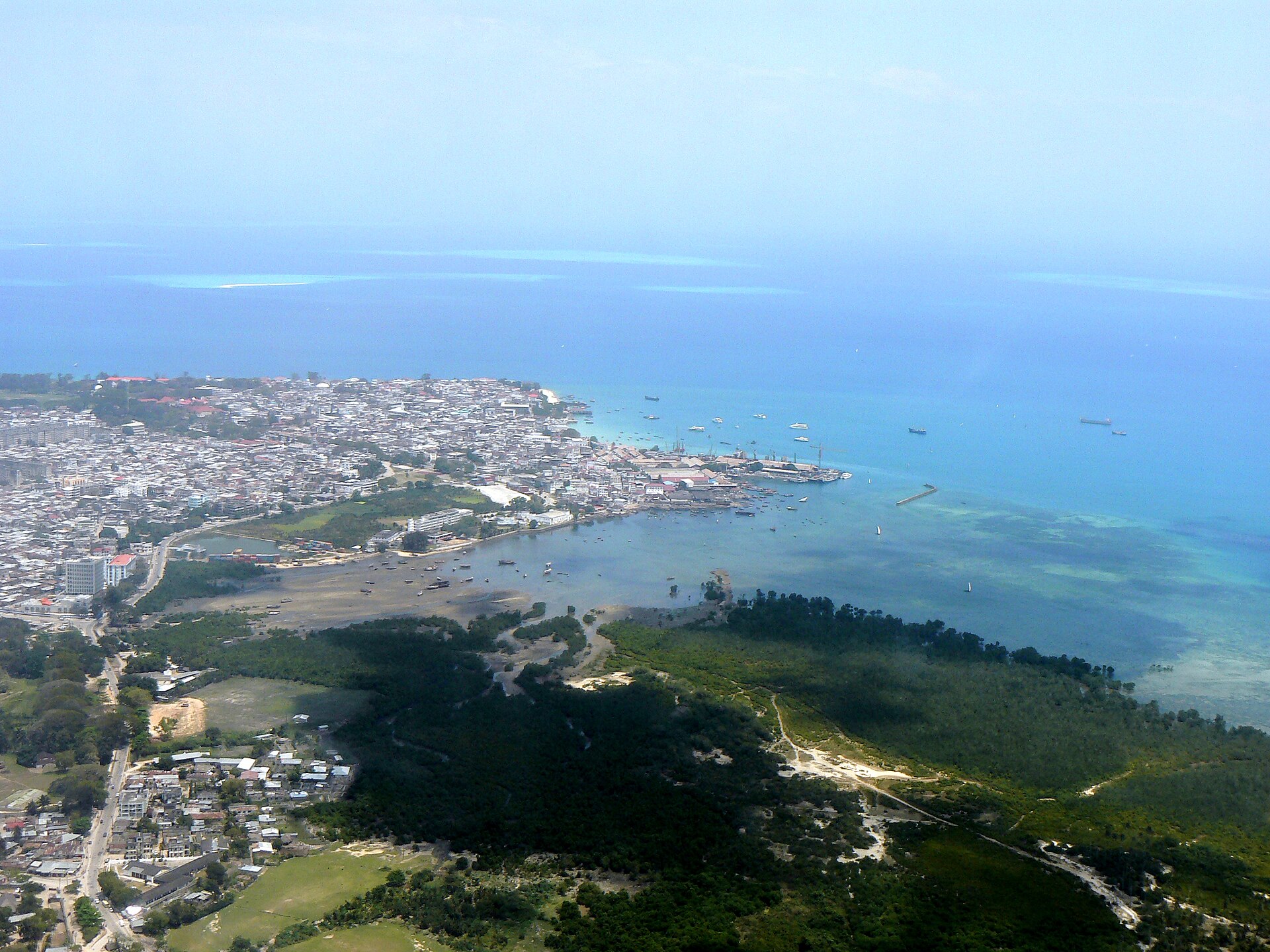
Zanzibar City is centred on Stone Town, a compact historic quarter of narrow lanes beside the harbour. The Old Fort, palace museums, markets and seafront gardens fit into a walking route, while Ng'ambo and the wider urban area extend east beyond the old town. Island beaches, spice farms and forest reserves are separate excursions rather than city-centre stops, so distinguish a Stone Town itinerary from a wider Zanzibar stay.
Set your days, your pace and the hours you actually want to be out. The planner works around closing days and travel time, and leaves room to eat.
Ranked by importance — sitelinks, pageviews and heritage status, not editor preference.
25 places match
Category
Typical visit duration
Mji Mkongwe
Stone Town, known locally as Mji Mkongwe, is the historic heart of Zanzibar City on Unguja Island, Tanzania.
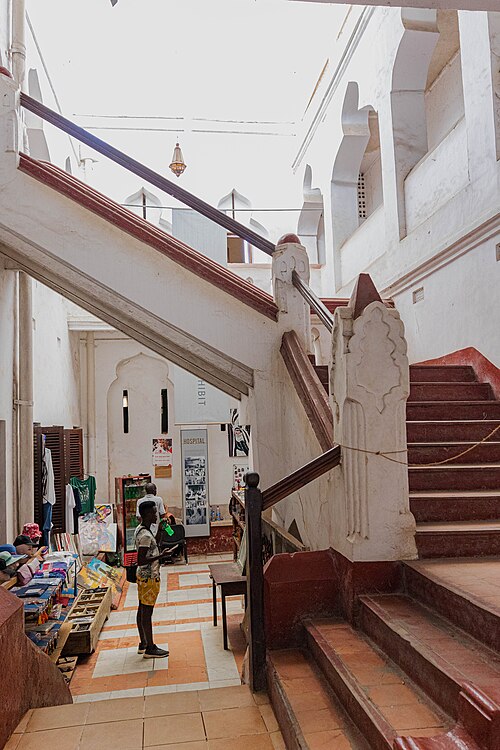
Old Slave Market
The Old Slave Market, locally known as Christ Church Cathedral at Mkunazini, stands as a memorial site and active Anglican cathedral in Zanzibar City's Stone Town.
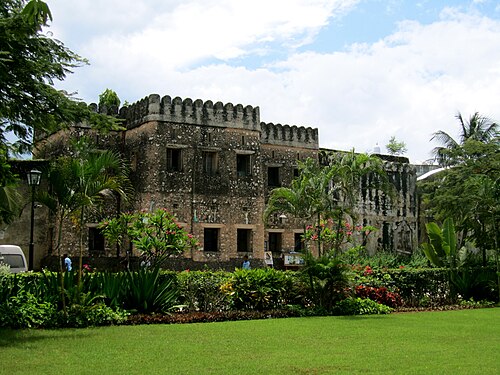
Old Fort
The Old Fort, known locally as Ngome Kongwe, stands as Stone Town's oldest surviving major structure.

Forodhani Gardens, locally known as Bustani ya Forodhani, is a public waterfront park located in Stone Town, Zanzibar City.
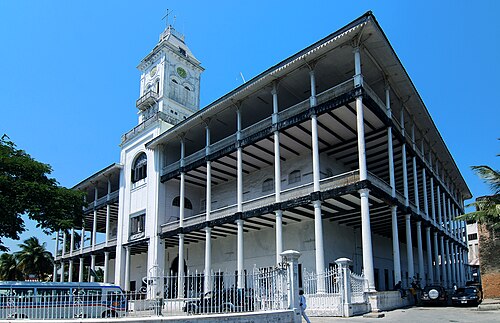
The House of Wonders, known locally as Beit al-Ajaib, stands as a ceremonial palace and former royal residence on Stone Town's waterfront.
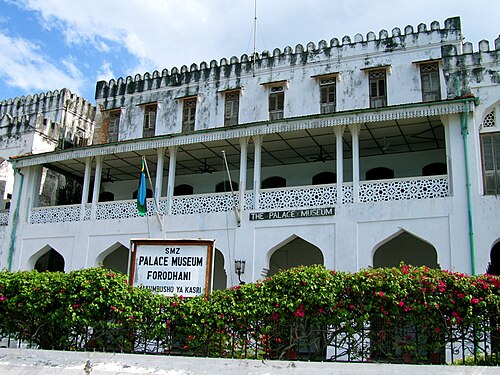
Sultan's Palace
The Palace Museum, known locally as Beit al-Sahel, stands as the former waterfront residence of the sultan in Zanzibar City. It serves as the principal museum dedicated to the Omani royal court and nineteenth-century palace life.

Soko la Darajani
Darajani Market, known locally as Soko la Darajani, is Zanzibar City's principal covered market and a vital commercial hub. It serves as the boundary between Stone Town's historic core and Ng'ambo, the newer part of the city.

Changuu Island
Prison Island, locally known as Changuu Island, sits offshore from Stone Town in Zanzibar City.

The Old Dispensary, also known locally as Ithnasheri Dispensary, stands as a restored charitable dispensary in Zanzibar City's Stone Town.
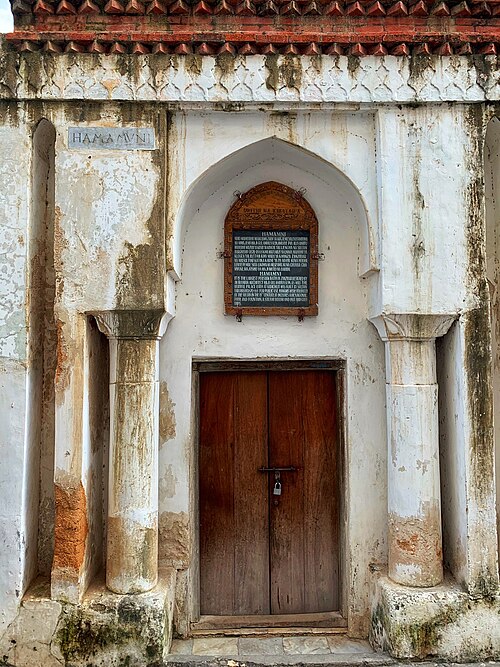
Hamamni Persian Baths stand as the best-preserved public bath complex in Stone Town, Zanzibar City. Built during the nineteenth century, these baths reveal the Persian and Omani layer of the city's social history.

St. Joseph's Cathedral
St. Joseph Roman Catholic Cathedral is a twin-spired Catholic church in Stone Town, Zanzibar City. It stands as the most prominent Roman Catholic landmark in the historic district and contributes significantly to the area's multi-faith skyline.

The Freddie Mercury Museum, locally known as Mercury House, is a cultural attraction in Zanzibar City commemorating the life of Farrokh Bulsara, who became the global rock icon Freddie Mercury.
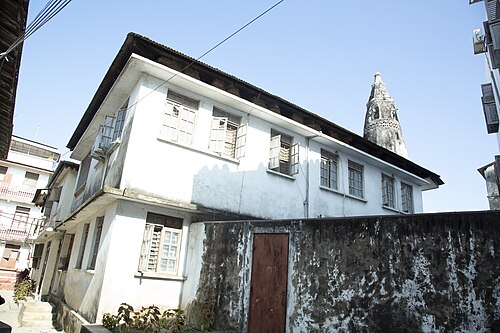
Malindi Bamnara Mosque
Malindi Mosque, also known locally as Malindi Bamnara Mosque, stands among the oldest mosques in Stone Town, Zanzibar City.

Mtoni Palace Ruins, known locally as Magofu ya Kasri la Mtoni, constitute the remains of an early nineteenth-century waterfront palace and court complex associated with Sultan Said bin Sultan.

Maruhubi Palace Ruins, known locally as Magofu ya Kasri la Maruhubi, stand as the remains of a 19th-century royal residence built for Sultan Barghash bin Said.
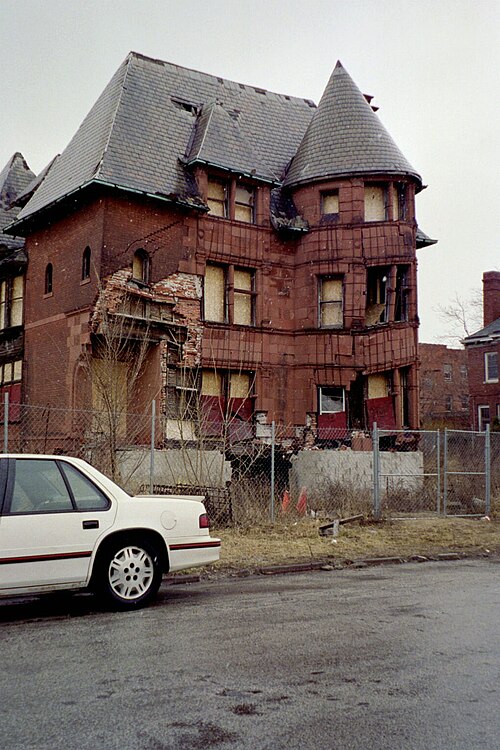
Livingstone House, locally called Nyumba ya Livingstone, is a historic building on the northern approach to Zanzibar City. The structure served as both a palace and a mission house during the nineteenth century.
Nakupenda Sandbank is a slender, shifting sandbar located off the coast of Zanzibar City, near Stone Town. It emerges from the Indian Ocean at low tide, creating a temporary island of pure white sand surrounded by turquoise water.
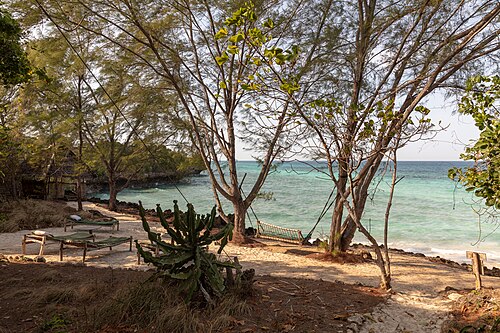
Chumbe Island Coral Park is a private marine protected area and nature reserve located off the coast of Zanzibar City. It encompasses a coral rag forest and surrounding coral reef ecosystem.

Forest in Zanzibar City is a designated natural area marked on OpenStreetMap. Its precise classification as urban woodland, municipal park, or protected coastal vegetation remains Not recorded pending review.

Kizimbani Spice Farms is a working agricultural area near Zanzibar City where visitors observe cultivation of cloves, nutmeg, cinnamon, vanilla, and other aromatic crops.

Jozani Chwaka Bay National Park is a protected area on Unguja, the main island of the Zanzibar archipelago. It encompasses Jozani Forest, the largest remaining tract of indigenous forest on the island, alongside mangrove ecosystems and coastal waters.
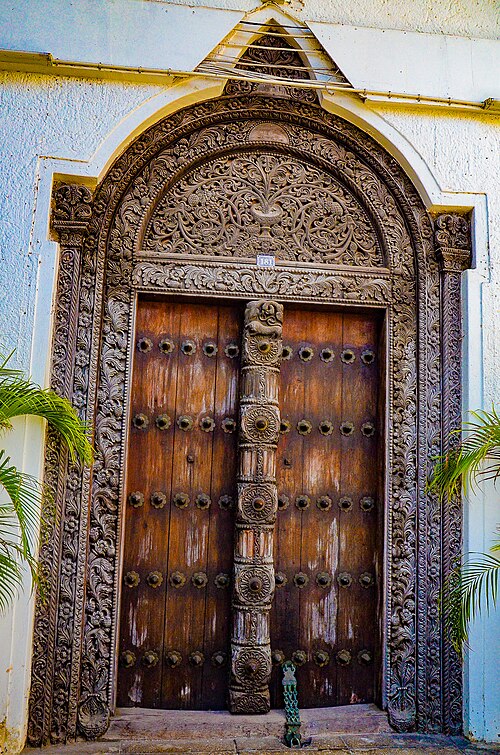
The Princess Salme Museum is a small heritage museum located within Emerson on Hurumzi, a historic hotel in Zanzibar City's Stone Town.
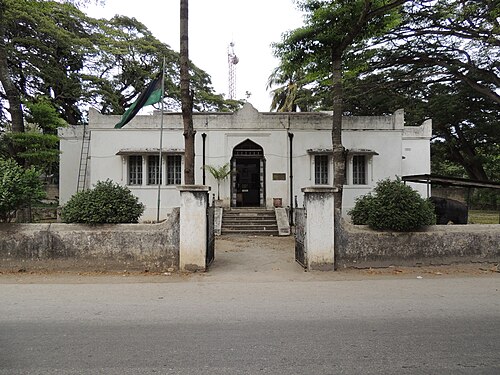
The Zanzibar Natural History Museum occupies Beit el-Amani, a historic building in Zanzibar City's Stone Town. The museum presents natural history collections relevant to the Zanzibar archipelago.
The Dhow Countries Music Academy, known locally as DCMA Zanzibar, is a music institution in Zanzibar City dedicated to preserving and teaching the musical traditions of the dhow countries region along the western Indian Ocean.
Tippu Tip's House is the historic residence of Hamed bin Mohammed al-Murjebi, the notorious nineteenth-century Zanzibari merchant whose trading empire spanned Central and East Africa.
Source: OpenStreetMap contributors, Wikidata ·
Stone Town occupies the western waterfront and is organised around the harbour, Forodhani Gardens, the Old Fort and Darajani Market. Its narrow lanes are best understood through a few fixed landmarks rather than a road grid. Ng'ambo begins beyond Creek Road and contains the newer city. The airport lies south of the centre, while beach villages and nature sites spread far beyond Zanzibar City across Unguja and require road transfers.
Checked 2026-08-26
Walk inside Stone Town, where many lanes are too narrow for ordinary vehicle access. The Zanzibar Commission for Tourism lists taxis, buses and rental cars among the island's transport options. For movement beyond the old town, arrange suitable road transport and confirm the pickup point, because vehicles generally meet passengers on wider perimeter roads rather than inside the historic lanes. Check current operator terms before making a longer journey.
Checked 2026-08-26
No fixed stay length is recorded. Separate the Stone Town walking programme from any spice-farm, beach, forest or island excursion elsewhere on Unguja.
Yes. Its principal seafront, market and heritage sites sit within a compact network of narrow lanes, and walking is the practical way to move between them.
The Zanzibar Commission for Tourism lists taxis, buses and rental cars. Choose the suitable option for the distance and confirm the operator terms and return arrangement before departure.
Use an agreed point on a wider perimeter road or near a recognised landmark. Many interior lanes do not provide normal vehicle access.
No. Zanzibar City and Stone Town form the urban base; the island's principal beach villages and nature areas require separate road or boat excursions.