

3 min walk
Darajani Market
- Must see
- Market
Language · 11 published
Museum · Zanzibar City
Old Slave Market
| Monday | 09:00 – 18:00 |
|---|---|
| Tuesday | 09:00 – 18:00 |
| Wednesday | 09:00 – 18:00 |
| Thursday | 09:00 – 18:00 |
| Friday | 09:00 – 18:00 |
| Saturday | 09:00 – 18:00 |
| Sunday | 09:00 – 18:00 |
Checked 2026-08-31 · Source
Read from the OpenStreetMap access tags; anything not listed has no tag recorded.
Set the group type to family in the planner and the day window contracts to about three quarters of a solo day.
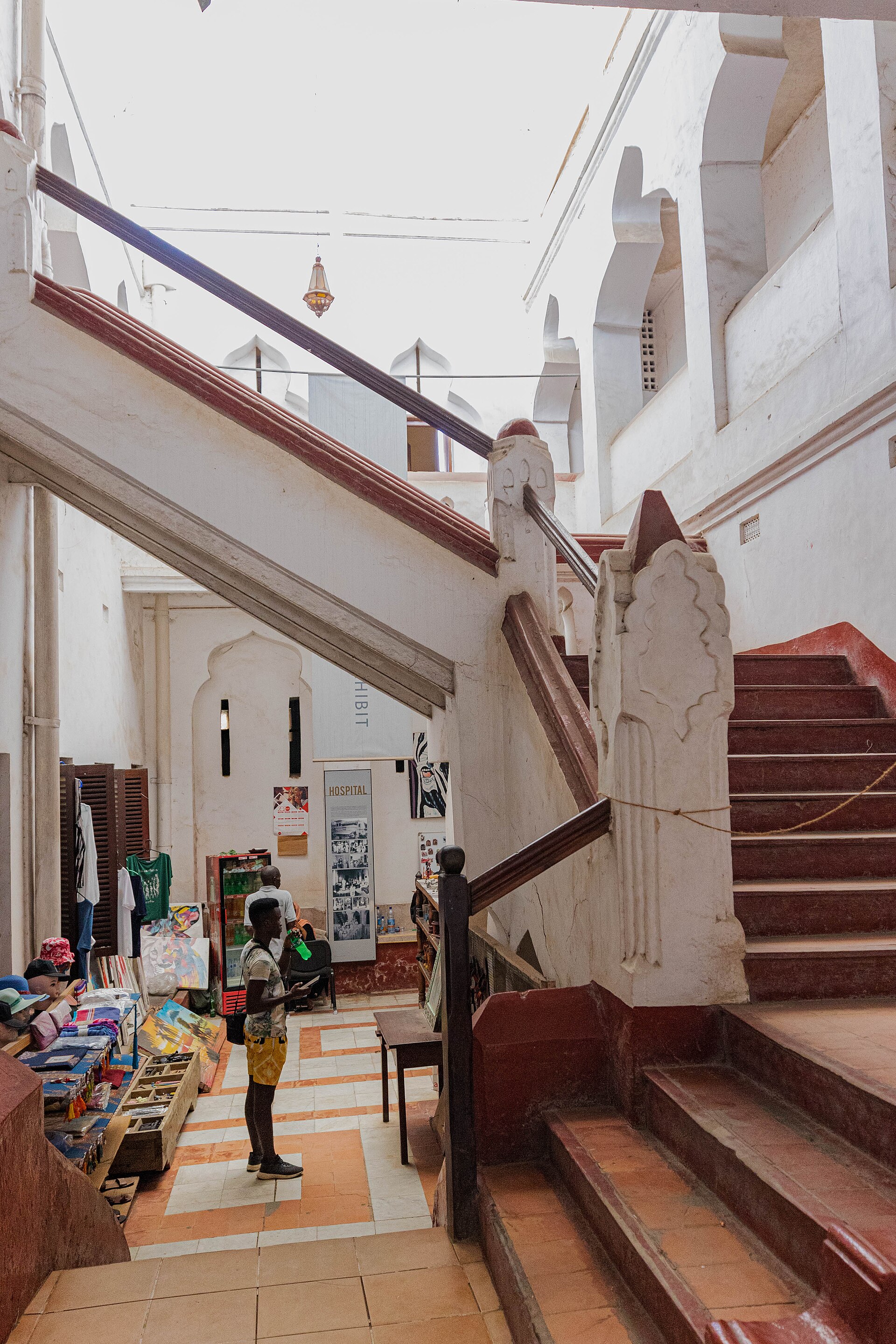
The Old Slave Market, at the site now associated with Christ Church Cathedral in Mkunazini, is both an active Anglican cathedral and a place of historical remembrance in Stone Town. The complex stands on the former slave-market site and addresses the Indian Ocean and East African slave trades. Its religious use and memorial purpose coexist, giving travelers a serious encounter with Zanzibar's history of enslavement, abolition, faith, and public memory. The Old Slave Market, locally known as Christ Church Cathedral at Mkunazini, stands as a memorial site and active Anglican cathedral in Zanzibar City's Stone Town. Built on the location of the former slave market, it commemorates the abolition of the slave trade in the region. The site combines religious function with historical remembrance, serving as both a place of worship and a museum addressing the transatlantic and Indian Ocean slave trades that profoundly shaped East African history. Yes, Christ Church Cathedral remains an active Anglican cathedral under the Diocese of Zanzibar, conducting regular worship alongside its memorial function.
Checked 2026-08-26 · Source
The visit includes Christ Church Cathedral, whose altar stands over the former whipping-post location, underground chambers where enslaved people were held before auction, a memorial sculpture, and historical displays. The property preserves its identity as a functioning place of worship while presenting the painful history of the former market. Move slowly through the chambers and interpretive areas. The physical spaces are limited, but the combination of cathedral, memorial elements, and preserved confinement rooms creates a powerful historical sequence. The site contains the cathedral church with its distinctive altar positioned over the former whipping post, a visceral reminder of the location's painful past.
Checked 2026-08-26 · Source
Set aside about forty-five to ninety minutes for a meaningful visit. The shorter end allows time for the cathedral, underground chambers, memorial sculpture, and principal displays. Stay longer if you want to read the historical interpretation carefully or reflect on the site's emotional weight. This is not a stop to rush through for a photograph. Its position in Stone Town makes it easy to pair with nearby heritage sites while preserving enough time for quiet attention.
Checked 2026-08-26 · Source
Plan the visit during a period suitable for both the cathedral and the memorial areas. Because the building remains an active Anglican place of worship, services can shape how visitors move through the complex. Morning can be comfortable for reaching the site and entering the underground chambers before a longer Stone Town walk. Zanzibar's rainy seasons may make streets and exterior surfaces slippery. Wear respectful clothing and allow emotional space for the subject rather than treating the visit as a quick attraction stop.
Checked 2026-08-26 · Source
The complex combines a cathedral with memorial and historical spaces, so access is distinct from simply walking through Stone Town. Carry modest cash in case the visit includes an admission payment or donation. The exact cost is not part of this guide, and no amount is stated here. Budget separately for transport and any other heritage attractions nearby. The important planning point is to allow time for the managed site while keeping the surrounding Stone Town walk flexible.
Checked 2026-08-26 · Source
The cathedral and memorial stand in central Stone Town at Mkunazini, within walking distance of many historic-district accommodations and landmarks. Reach Stone Town by taxi or daladala from elsewhere in Zanzibar City, then continue through the narrow lanes on foot. The site's central position makes it easy to combine with the waterfront, markets, Old Fort, and other heritage stops. Comfortable shoes are useful because vehicles do not serve every lane inside the historic core.
Checked 2026-08-26 · Source
The underground chambers are confined and have uneven surfaces, so move carefully and wear shoes with secure footing. The subject matter is traumatic and may be emotionally difficult; give yourself time to process what you see. As an active cathedral, the complex calls for modest dress, quiet conduct, and consideration for worshippers. Follow any directions within the site, avoid touching historic elements, and take particular care when moving between the church, memorial spaces, and chambers.
Checked 2026-08-26 · Source
Photograph the cathedral architecture and memorial elements only with appropriate restraint. The site concerns human suffering and remains a place of worship, so avoid turning the underground chambers or memorial sculpture into casual spectacle. Follow posted instructions and staff directions, especially during services and inside confined spaces. Flash may be unsuitable where displays or worship are involved. Keep pathways clear, ask before photographing people, and let reflection take priority over collecting images.
Checked 2026-08-26 · Source
Yes. It remains an active Anglican cathedral while also serving as a memorial and historical site.
Yes. Underground chambers where enslaved people were held before auction form part of the visitor experience.
Allow approximately forty-five to ninety minutes for the cathedral, chambers, memorial elements, and historical displays.
The history of enslavement is traumatic, and the underground chambers are confined, so adults should decide whether the experience suits each child.
It commemorates the Indian Ocean and East African slave trades and the abolition of the slave market on this site.
It is at Mkunazini in central Stone Town, within walking distance of the district's other major heritage landmarks.
Loading the interactive map…
The interactive map could not be loaded.

Last updated:
Source: OpenStreetMap contributors, Wikidata ·