_-_Jozani_Chwaka_National_Park.jpg)
145 min walk
Masjid
- Notable
- Place of worship
Language · 11 published
Nature site · Zanzibar City
Reviewed by Elena Voss · SSMTour Travel Editor
| Monday | 08:00 – 17:00 |
|---|---|
| Tuesday | 08:00 – 17:00 |
| Wednesday | 08:00 – 17:00 |
| Thursday | 08:00 – 17:00 |
| Friday | 08:00 – 17:00 |
| Saturday | 09:00 – 13:00 |
| Sunday | Closed |
Checked 2026-08-31 · Source
Read from the OpenStreetMap access tags; anything not listed has no tag recorded.
Set the group type to family in the planner and the day window contracts to about three quarters of a solo day.
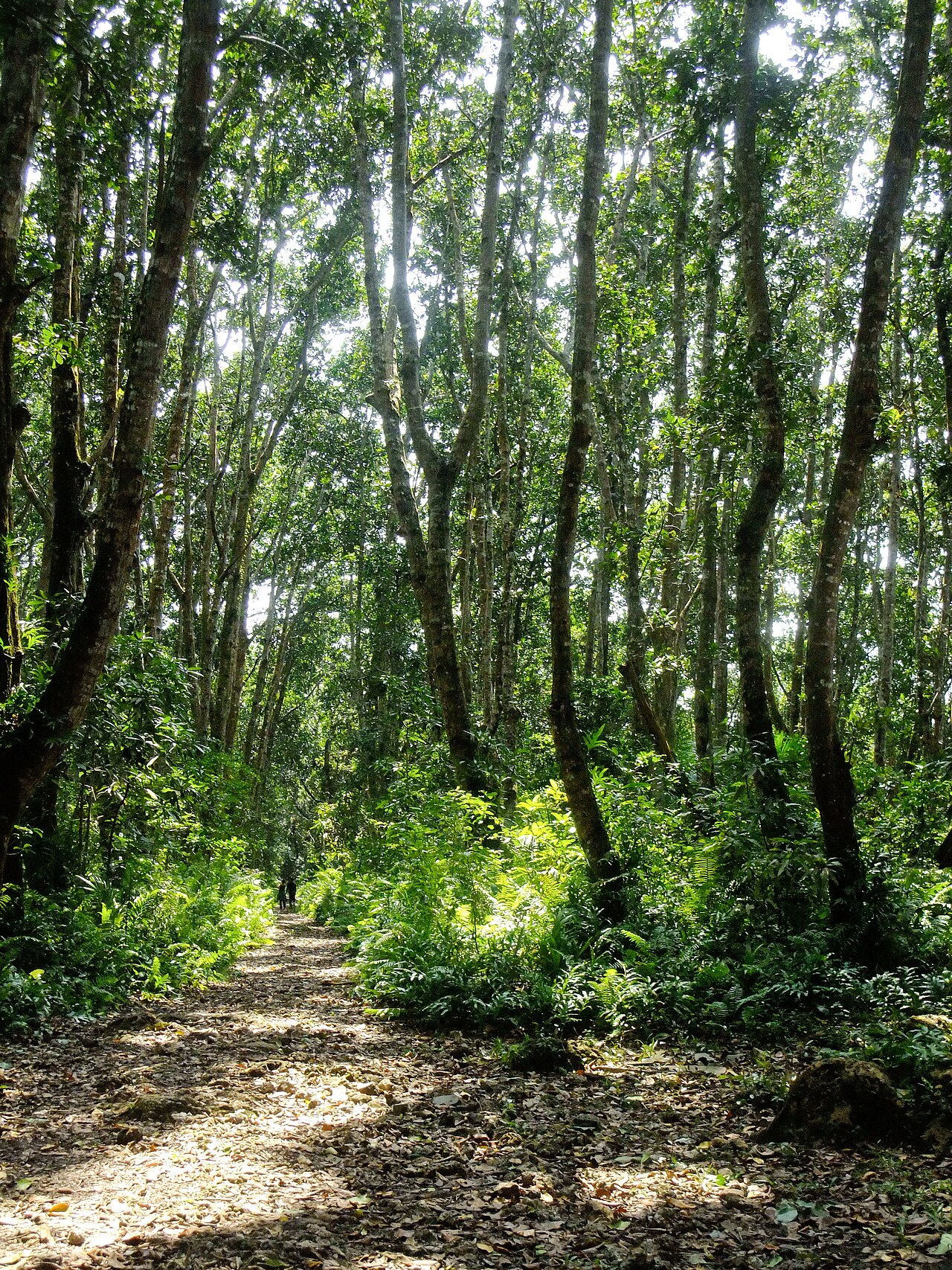
Jozani Chwaka Bay National Park is a protected area on Unguja, the main island of the Zanzibar archipelago. It encompasses Jozani Forest, the largest remaining tract of indigenous forest on the island, alongside mangrove ecosystems and coastal waters. The park was established to conserve the unique biodiversity of this region, including endemic species found nowhere else. It represents one of the most significant natural heritage sites in Tanzania and attracts visitors interested in ecology and wildlife observation.
Checked 2026-08-26
The park contains diverse habitats including groundwater forest, coastal thicket, mangrove swamps, and salt marshes. It is renowned as the primary habitat of the Zanzibar red colobus monkey, an endangered species endemic to the archipelago. Other wildlife includes Sykes monkeys, bush babies, duikers, and numerous butterfly species. The mangrove boardwalk allows visitors to explore the tidal forest ecosystem. Birdlife is abundant, with various species inhabiting the different ecological zones throughout the protected area. Jozani Chwaka Bay National Park also earns time in a zanzibar city itinerary because Frozen visitor rank preserved; exact local identity resolved without a lower-rank substitute. Its value becomes clearer when the stop is compared with the surrounding streets and the other ranked places nearby.
Checked 2026-08-26
A typical visit to Jozani Chwaka Bay National Park lasts approximately two to three hours. This duration accommodates the main forest trail where colobus monkeys are frequently observed, plus the mangrove boardwalk circuit. Visitors with strong interest in photography or detailed ecological observation may extend their stay. The compact nature of the accessible visitor area means that half a day is generally sufficient for a comprehensive experience. Combining the park with nearby attractions can fill a full day itinerary.
Checked 2026-08-26
The park can be visited throughout the year, though weather patterns on Zanzibar vary between wet and dry seasons. Morning hours are generally preferable for wildlife activity and comfort. Visitors should verify current opening times directly with park authorities or reliable local operators before planning their trip. Seasonal conditions affect trail conditions and mosquito presence. Personal tolerance for heat and humidity should inform timing decisions within any given day. A flexible visit lets travellers connect Jozani Chwaka Bay National Park with the rest of the day without treating one room, viewpoint or photograph as the whole experience. The useful pace depends on personal interest and conditions on arrival. Check the operator's own site for the travel date before relying on a schedule or fare.
Checked 2026-08-26
Entry to Jozani Chwaka Bay National Park requires payment of a conservation fee. Fees are typically structured differently for residents, East African citizens, and international visitors. Additional charges may apply for guided services. Visitors should confirm current rates through official channels or established tour operators prior to arrival. Cash payment in Tanzanian shillings is commonly required. Receipts should always be obtained. Budget for potential supplementary costs including transportation and optional community contributions. Check the operator's own site for the travel date before relying on a schedule or fare.
Checked 2026-08-26
Jozani Chwaka Bay National Park is located in central-eastern Unguja, approximately twenty kilometers southeast of Zanzibar City. The journey from Stone Town takes roughly forty-five minutes to one hour by road. Public daladala minibuses operate on this route from the main terminal, though schedules are irregular. Private taxis and organized tours offer more reliable alternatives. Self-drive is possible but road signage is limited. Visitors should arrange return transportation in advance, as services at the park entrance itself are minimal.
Checked 2026-08-26
Visitors should maintain respectful distance from all wildlife, particularly the habituated colobus monkeys. Feeding animals is prohibited and harmful. The forest environment contains biting insects; appropriate protection is advisable. Trails may be slippery after rainfall. Sun exposure is significant on the mangrove boardwalk with limited shade. Water and basic supplies are not reliably available at the site. Guides are mandatory for forest entry and should be accredited. Cultural sensitivity is important when passing adjacent communities. Medical facilities are distant.
Checked 2026-08-26
The dappled forest light presents technical challenges requiring appropriate camera settings. The mangrove boardwalk offers distinctive compositions of aerial roots and tidal channels. Colobus monkeys provide primary wildlife subjects but patience is essential for quality encounters. Flash photography disturbs animals and is inappropriate. Early morning yields superior light conditions and active primate behavior. Tripods are impractical on narrow walkways. Waterproof protection is advisable for equipment given humidity and potential rain. Respect for guides and other visitors should govern positioning and duration at viewpoints.
Checked 2026-08-26
No. Guided accompaniment is mandatory for entry into the forest portion of the park. Official guides are assigned at the entrance and their services are included within the conservation fee structure.
The monkeys are most reliably encountered along the main forest trail during morning hours. They are habituated to human presence but sightings remain dependent on their natural movements and cannot be guaranteed.
Basic facilities exist at the entrance area but are limited. Visitors should carry sufficient water and any required snacks, as provisions are not available for purchase within the protected area.
Yes. The park's location permits combination with nearby coastal areas, spice plantations, or the Jambiani and Paje beach regions. Half-day allocation to Jozani is generally adequate.
The boardwalk is relatively level and accessible to most visitors with standard mobility. However, it is narrow in places and those with significant mobility limitations should assess suitability personally.
Closed walking shoes with grip are essential for potentially slippery trails. Long sleeves and trousers reduce insect exposure. Light, breathable fabrics suit the humid climate. Rain protection is advisable during wet seasons.
Loading the interactive map…
The interactive map could not be loaded.

Last updated:
Source: OpenStreetMap contributors ·