
10 min walk
Ng'ambo
- Must see
- Activity
Language · 11 published
Museum · Zanzibar City
Reviewed by Elena Voss · SSMTour Travel Editor
| Monday | 08:00 – 16:00 |
|---|---|
| Tuesday | 08:00 – 16:00 |
| Wednesday | 08:00 – 16:00 |
| Thursday | 08:00 – 16:00 |
| Friday | 08:00 – 16:00 |
| Saturday | Closed |
| Sunday | Closed |
Checked 2026-08-31 · Source
Read from the OpenStreetMap access tags; anything not listed has no tag recorded.
Set the group type to family in the planner and the day window contracts to about three quarters of a solo day.
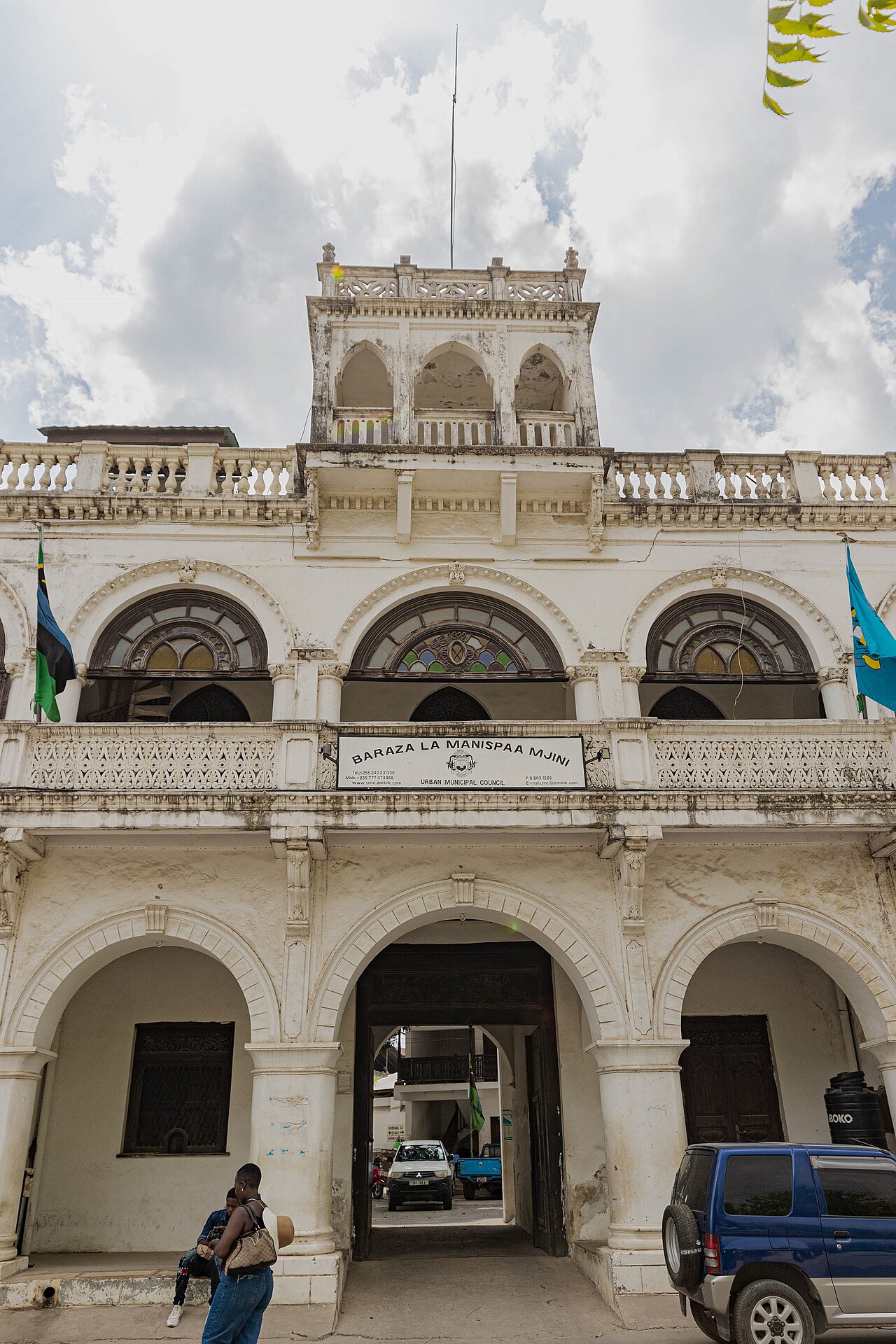
Livingstone House, locally called Nyumba ya Livingstone, is a historic building on the northern approach to Zanzibar City. During the nineteenth century it served as both a palace and a mission house. Its most important association is with European expeditions into the African interior: Zanzibar functioned as a port and planning base for journeys inland, and this building forms part of that wider story. The house connects the island’s urban history with exploration, missionary activity, and the port’s role as a gateway to the mainland. The structure served as both a palace and a mission house during the nineteenth century. It holds particular significance as a departure point and planning base for European expeditions into the African interior. The building stands as a tangible reminder of Zanzibar's role as a gateway for exploration during this period. Its location on the northern city approach suggests it may be outside the core inscribed area.
Checked 2026-08-26 · Source
Livingstone House is best approached as a historic building whose significance comes from its former functions and its connection to expedition planning. The palace and mission-house identity gives the structure a layered place in Zanzibar’s nineteenth-century history. The available guide does not describe a specific furnished interior, room sequence, or displayed collection, so focus on the building’s historical role and northern city setting. If access is available, keep the visit quiet and attentive, remembering that a historic house may not operate like a purpose-built museum.
Checked 2026-08-26 · Source
Allow a short, flexible stop for Livingstone House, with additional time if nineteenth-century exploration history is central to your interests. The building’s importance is conceptual as well as visual: the visit works best when you connect the house to Zanzibar’s port, missionary networks, and expeditions heading inland. Combine it with other northern-city or Stone Town landmarks rather than reserving an entire day. Leave room in the schedule for the actual access conditions and for observing the exterior without obstructing nearby activity.
Checked 2026-08-26 · Source
A morning or late-afternoon visit is comfortable for walking around the northern approach to Zanzibar City, especially in tropical heat. The building’s historical importance does not depend on a particular season, but weather can affect the comfort of an exterior stop. Keep the plan adaptable because the house is not described here as a regular museum with a published daily rhythm. If access is unavailable, the building still makes sense as a brief historical waypoint within a broader route through Zanzibar’s urban heritage.
Checked 2026-08-26 · Source
Livingstone House should not be planned around a museum-style ticket assumption. Its value lies in the historic building and its association with expedition history, while the guide does not provide a confirmed admission structure or booking process. Keep the visit modest in your itinerary and carry the practical payment options you use elsewhere in Zanzibar. If the building is being used for another purpose, respect that use and treat the exterior as the appropriate boundary for your visit.
Checked 2026-08-26 · Source
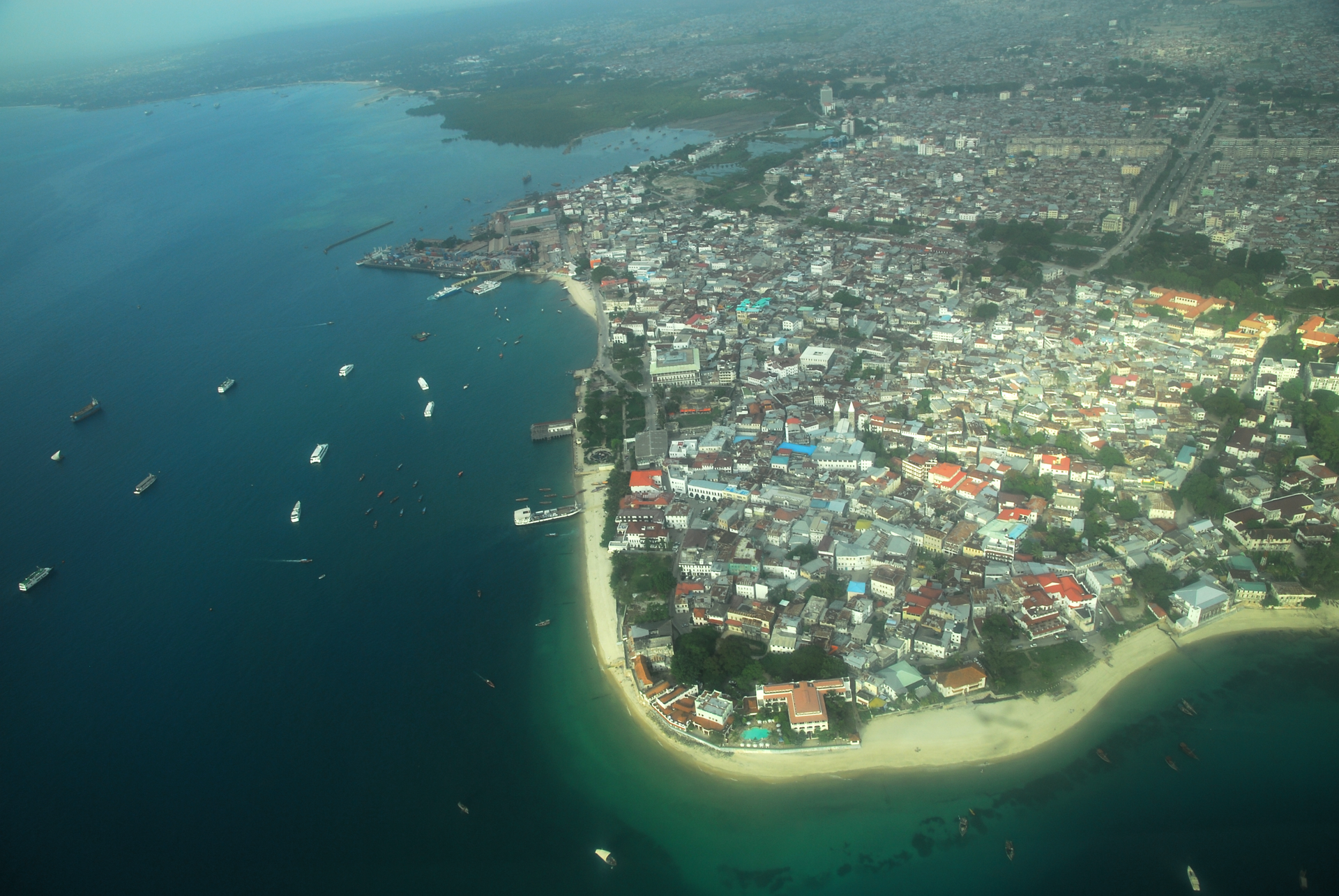
Livingstone House stands on the northern approach to Zanzibar City, away from the most concentrated harbor and central Stone Town walking circuits. Reach the area by taxi or daladala, or walk from nearby accommodation when the distance and heat suit you. The northern setting makes this a useful stop on a route that continues toward other city-edge landmarks. Use the current mapped location for the final approach, and allow extra time because this part of the city is less naturally covered by a central old-town stroll.
Checked 2026-08-26 · Source
Treat Livingstone House as a historic building in an active urban environment rather than a guaranteed museum visit. Exterior surfaces and surrounding paths may be uneven, and tropical heat can make a walking route tiring. Keep valuables secure during the journey and remain attentive to traffic and neighborhood activity on the northern approach. If the building is occupied or access is restricted, do not enter or photograph through private areas. A respectful exterior visit preserves the site’s dignity and avoids confusing historical interest with unrestricted access.
Checked 2026-08-26 · Source
The exterior is the clearest photographic subject at Livingstone House. Frame the building within the northern approach to show its relationship with Zanzibar City, and use softer morning or afternoon light for more readable architectural texture. Keep cameras and tripods unobtrusive, especially if the building has an active institutional or private use. Ask before photographing people, interior rooms, or areas beyond the public edge. The strongest image can be a restrained architectural record that connects the house to the city’s expedition history.
Checked 2026-08-26 · Source
During the nineteenth century it served as both a palace and a mission house, and it was associated with planning expeditions into the African interior.
It stands on the northern approach to Zanzibar City, separate from the densest harbor and central Stone Town walking circuits.
It reflects Zanzibar’s role as a port and planning base for European expeditions traveling from the island toward the African interior.
Plan a short stop, adding time when nineteenth-century exploration, mission history, or Zanzibar’s port role is a major interest.
Reach the northern approach by taxi or daladala, or walk from nearby accommodation when the distance and tropical heat make that comfortable.
Focus on the exterior and its northern city setting, using soft morning or afternoon light and avoiding photographs of people or private areas without permission.
Loading the interactive map…
The interactive map could not be loaded.
Last updated:
Source: OpenStreetMap contributors ·