
2 min walk
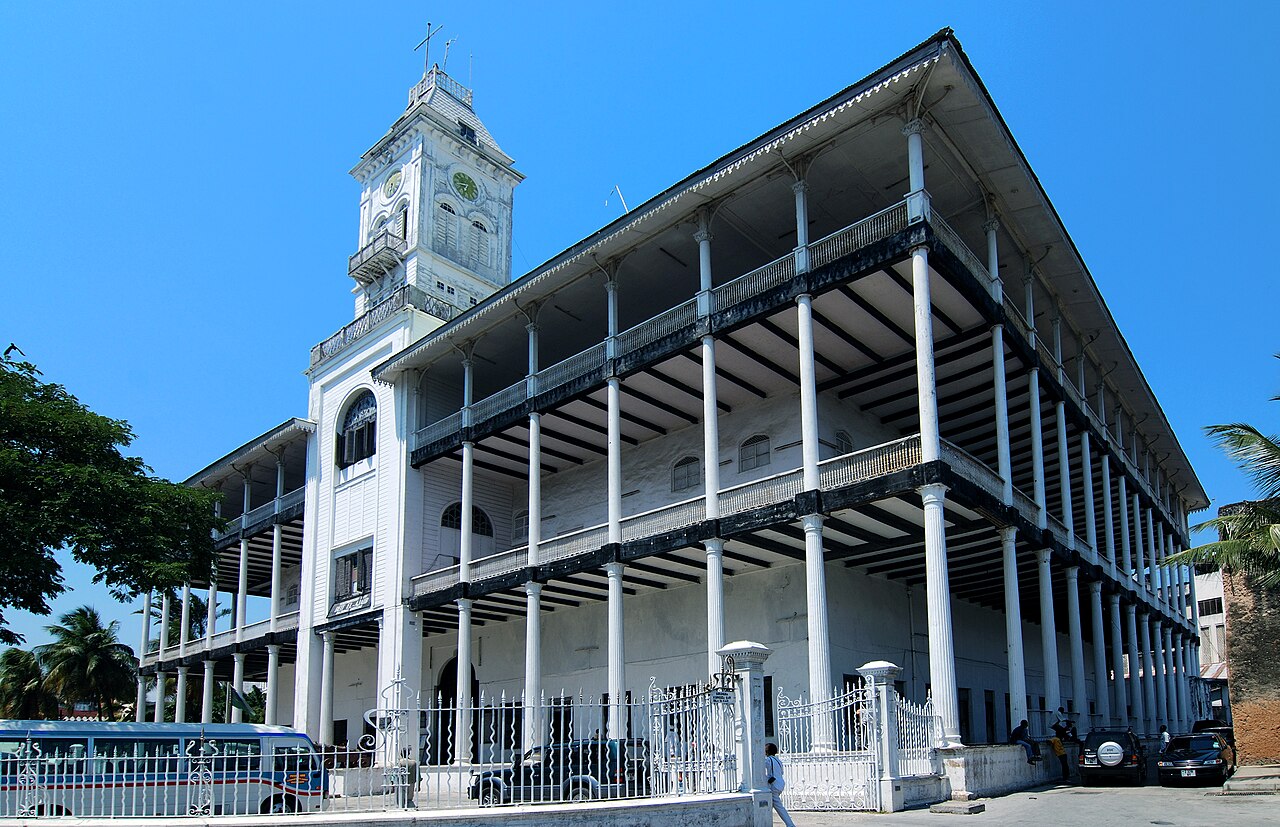
House of Wonders
- Must see · Heritage site
- Museum
Language · 11 published
Museum · Zanzibar City
Old Fort
Reviewed by Elena Voss · SSMTour Travel Editor

| Monday | 08:00 – 18:00 |
|---|---|
| Tuesday | 08:00 – 18:00 |
| Wednesday | 08:00 – 18:00 |
| Thursday | 08:00 – 18:00 |
| Friday | 08:00 – 18:00 |
| Saturday | 08:00 – 18:00 |
| Sunday | 08:00 – 18:00 |
Checked 2026-08-31 · Source
Read from the OpenStreetMap access tags; anything not listed has no tag recorded.
Set the group type to family in the planner and the day window contracts to about three quarters of a solo day.
This place is a Museum. It was established in 1699. It carries the Heritage of Portuguese Influence heritage designation.
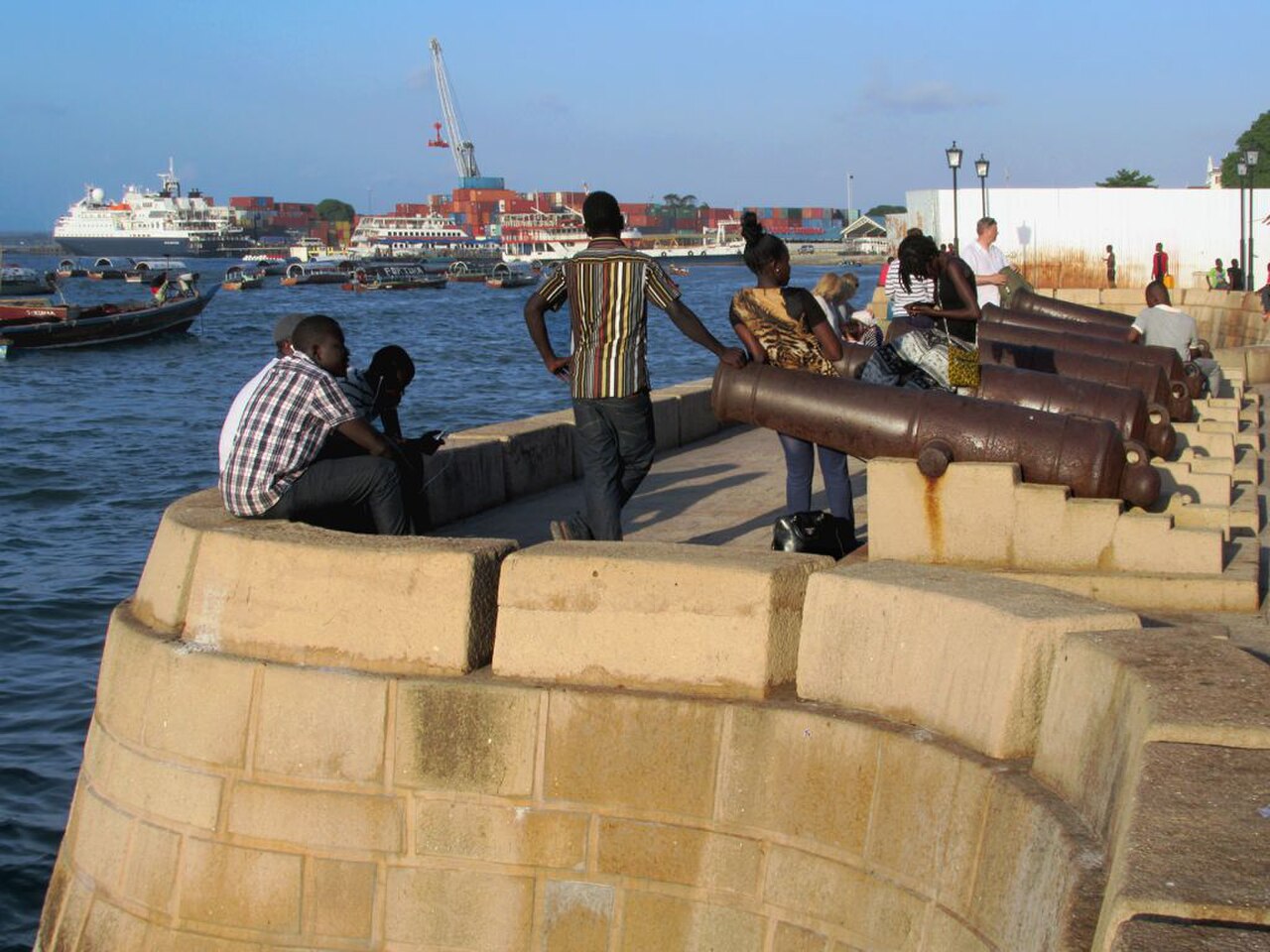
Old Fort, also called Ngome Kongwe and Arab Fort, is a substantial coral-rag fortress on Stone Town’s waterfront. Omani Arabs built it after removing the Portuguese in the late seventeenth century, incorporating material from earlier Portuguese construction. Its position beside the harbour explains its military importance. Today the fort is both a historic landmark and a cultural venue, giving visitors a chance to see defensive architecture in the middle of Zanzibar City’s lively old quarter. The Old Fort, known locally as Ngome Kongwe, stands as Stone Town's oldest surviving major structure. Built by Omani Arabs after expelling the Portuguese in the late 17th century, this seafront fortification occupies a strategic position on the western edge of Zanzibar City's historic core. The structure incorporates materials from earlier Portuguese constructions, reflecting successive colonial layers. Its thick coral rag walls and courtyard layout exemplify Swahili Coast military architecture adapted to local conditions. Today it functions as both a heritage monument and an active cultural venue, hosting performances and events that sustain its relevance beyond purely historical interest. Yes, these names refer to the same structure. Ngome Kongwe in Swahili, Old Fort, and Arab Fort all designate this Omani-built fortification.
Checked 2026-08-26 · Source
Enter through the fort’s thick walls into a broad courtyard enclosed by high defensive sides and surviving battlement details. Chambers and alcoves line the perimeter, while an amphitheatre provides space for cultural performances, including events associated with the Zanzibar International Film Festival. Small stalls may occupy parts of the courtyard. Look closely at the coral surfaces, weathering, and salt-marked masonry; the building’s textures show its long exposure to the Indian Ocean climate.
Checked 2026-08-26 · Source
Allow about thirty to sixty minutes for the accessible areas of Old Fort. That is enough time to walk the courtyard, inspect the walls, enter the available chambers, and take photographs. Visitors interested in masonry, military history, or event preparations may stay longer. The fort is compact, so the visit involves little distance compared with a wider Stone Town walk. Pairing it with Forodhani Gardens and nearby waterfront landmarks creates an easy historical sequence.
Checked 2026-08-26 · Source
Late afternoon is comfortable for exploring the open courtyard and works well with a walk along Stone Town’s seafront. Angled light also brings out the texture of the coral walls. June to October is generally drier, while heavier rain is common from March to May and lighter showers can arrive in November. Cultural performances can bring evening activity to the fort. A visit during an event feels different from a quiet daytime walk because the courtyard becomes a performance space.
Checked 2026-08-26 · Source
Old Fort is a heritage attraction, and cultural events held inside may use separate admission arrangements from a normal daytime visit. The courtyard’s event setting can therefore differ from ordinary sightseeing. Carrying local currency is useful for small purchases from stalls and nearby vendors. If you are attending a performance, treat the event ticket as distinct from the architectural visit. The fort’s value lies in its walls, courtyard, and continuing cultural role rather than in a large museum collection.
Checked 2026-08-26 · Source
The fort stands at the northern end of Stone Town’s main waterfront, beside Forodhani Gardens and near the House of Wonders. Walking is the practical way to reach it within the historic quarter. From the ferry terminal, follow the waterfront and nearby lanes; the journey takes roughly fifteen minutes on foot. Taxis and boda-bodas can bring you to a nearby drop-off point, while daladalas serve the wider area before the final approach on foot.
Checked 2026-08-26 · Source
Stone floors and thresholds are uneven, so shoes with a secure sole are helpful. The courtyard has limited shade and can feel intense around midday; water, a hat, and sun protection make the visit easier. Vendors and informal guides may offer services around the fort, so state your preference clearly. During evening performances, crowds gather in and around the entrance. Older sections may have restricted access, and visitors with mobility limitations should expect a historic rather than fully modern environment.
Checked 2026-08-26 · Source
The coral-rag walls are especially expressive in early or late sunlight, when shadows emphasise their rough surfaces. In the courtyard, frame the battlements, arches, and amphitheatre together to show how a defensive building now supports cultural life. The waterfront setting makes the exterior easy to place within Stone Town. In crowded evening conditions, keep equipment close and avoid blocking movement. For performances, follow the event’s recording rules and respect performers and other audience members.
Checked 2026-08-26 · Source
Old Fort is also known as Ngome Kongwe and Arab Fort.
You can see a large courtyard, defensive walls, battlement remains, perimeter chambers, and an amphitheatre used for cultural events.
Plan around thirty to sixty minutes for the accessible areas, with extra time for a performance or detailed photography.
It is on the waterfront beside Forodhani Gardens and near the House of Wonders.
It is an Omani defensive fortification built after the Portuguese were expelled in the late seventeenth century.
Yes. Its amphitheatre hosts cultural performances and events, including activity connected with the Zanzibar International Film Festival.
Loading the interactive map…
The interactive map could not be loaded.
Last updated:
Source: OpenStreetMap contributors, Wikidata ·