
1 min walk
Ijumaa Mosque
- Must see
- Place of worship
Language · 11 published
Place of worship · Zanzibar City
Malindi Bamnara Mosque
Read from the OpenStreetMap access tags; anything not listed has no tag recorded.
Set the group type to family in the planner and the day window contracts to about three quarters of a solo day.
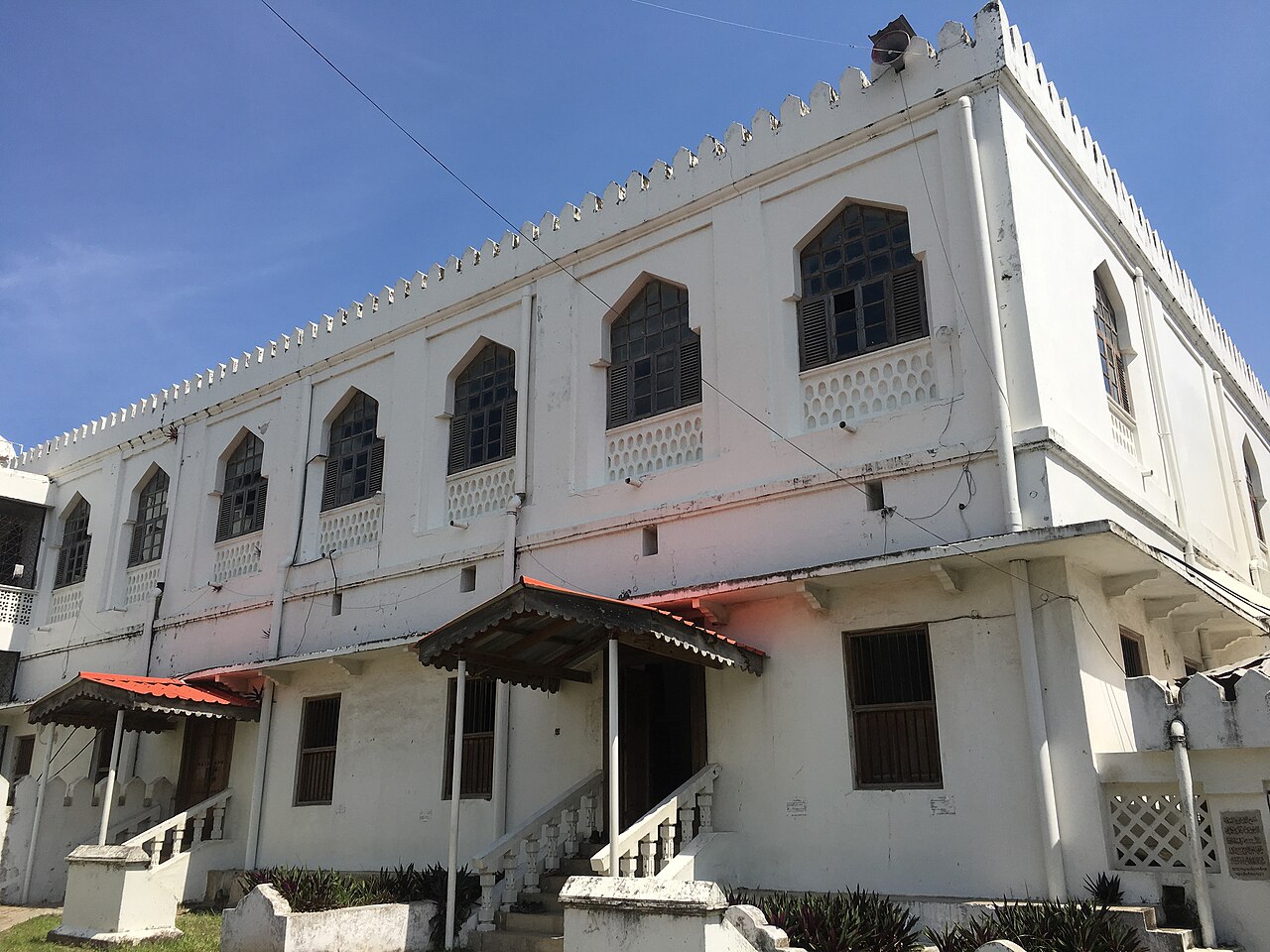
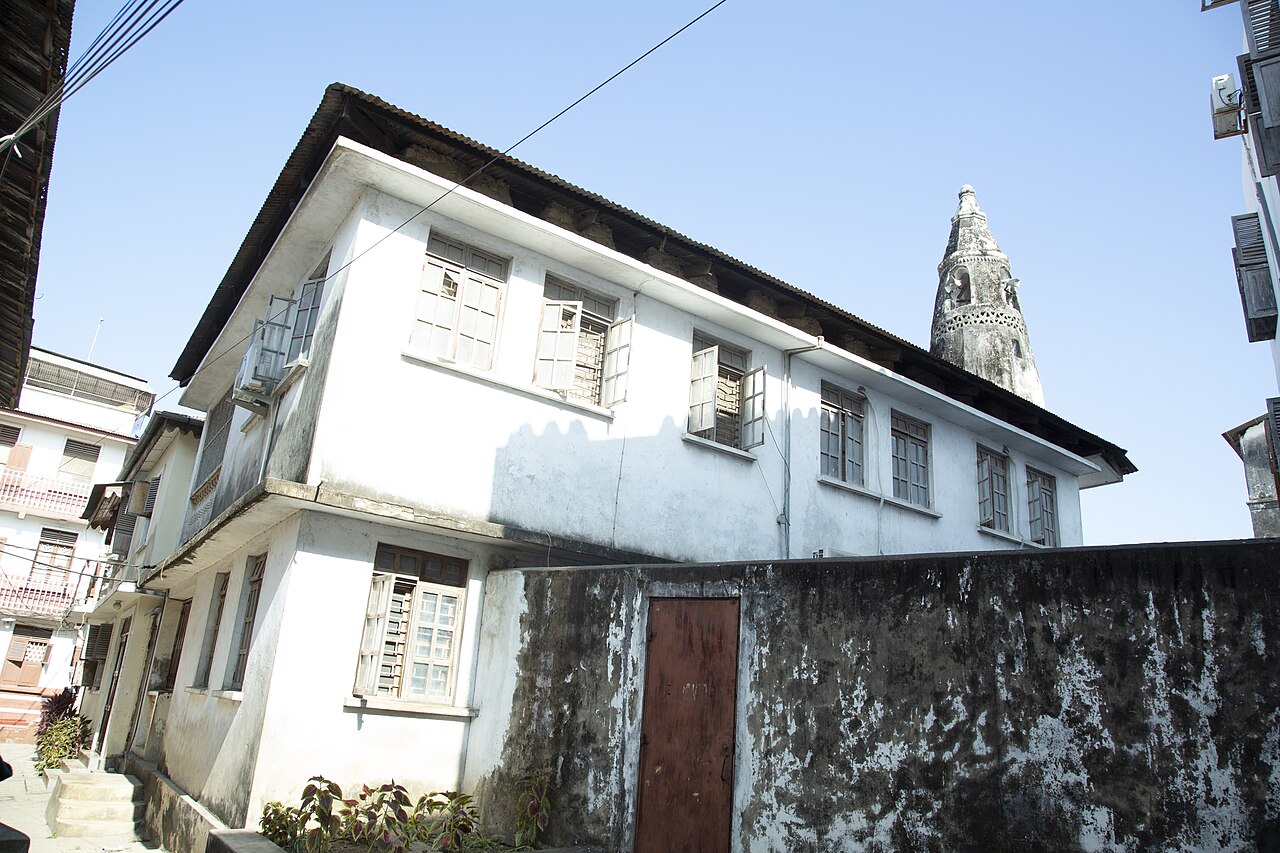
Malindi Mosque, also called Malindi Bamnara Mosque, is one of Stone Town’s oldest mosques in Zanzibar City. Its conical minaret is an unusual and memorable feature within the historic district. The mosque reflects the Islamic heritage and Swahili coastal traditions that shaped Stone Town over centuries. For travellers, it is a distinctive architectural landmark whose religious function remains more important than its role as a sightseeing stop. Malindi Mosque, also known locally as Malindi Bamnara Mosque, stands among the oldest mosques in Stone Town, Zanzibar City. Its most remarkable feature is a rare conical minaret, an architectural form uncommon in the region and highly distinctive within the UNESCO World Heritage site of Stone Town. The mosque represents an important layer of the city's Islamic heritage and Swahili coastal building traditions. Its construction reflects the mercantile and cultural exchanges that shaped Zanzibar's urban fabric over centuries. A flexible visit lets travellers connect Malindi Mosque with the rest of the day without treating one room, viewpoint or photograph as the whole experience. The useful pace depends on personal interest and conditions on arrival. Visitors should observe from outside unless invited.
Checked 2026-08-26 · Source
Malindi Mosque is a functioning place of prayer with a prayer hall and a distinctive conical minaret visible from the outside. It is not arranged as a museum with galleries or display cases. Visitors should centre their attention on the architecture and the surrounding Stone Town streets, while remembering that the building serves worshippers. Interior access and behaviour must follow the mosque’s religious setting and the directions of people responsible for the site. The interior of Malindi Mosque follows traditional Swahili coastal mosque design, with prayer hall arrangements suited to congregational worship. The conical minaret remains the structure's defining external element. Visitors should observe that active religious sites maintain spaces primarily for worshippers rather than tourist display. Respectful conduct is expected at all times when near or inside this functioning place of prayer.
Checked 2026-08-26 · Source
Allow about fifteen to twenty minutes for an external architectural stop. That is enough time to notice the conical minaret, photograph the building from a respectful public position, and take in its relationship with Stone Town’s dense streets. Keep the visit brief if worshippers are arriving or gathering. The mosque can sit naturally within a longer walk through the historic district rather than requiring a separate excursion.
Checked 2026-08-26 · Source
Malindi Mosque serves daily Islamic prayer, so visitors should plan around the religious life of the building. Friday midday prayer is especially important, and Ramadan or other Islamic observances can make access more sensitive. Early morning or late afternoon may provide a calmer moment for exterior viewing. Stone Town’s heat and humidity make light clothing, shade, and water useful during the walk between landmarks.
Checked 2026-08-26 · Source
Plan Malindi Mosque as a religious landmark viewed from the public streets of Stone Town, not as a conventional ticketed museum. External observation does not involve a museum-style entry experience. If you are invited into a prayer area, follow the local arrangements and show the same respect required of worshippers. The key consideration is appropriate conduct and timing, not building a sightseeing schedule.
Checked 2026-08-26 · Source
Malindi Mosque is in Stone Town, Zanzibar City’s historic core. Once inside the district, walking is the natural way to move through its narrow, winding streets and discover the mosque among the surrounding buildings. From the harbour and ferry-terminal area, continue toward the Stone Town street network and use the mapped location for the final turns. Allow extra attention for the dense layout and active pedestrian movement.
Checked 2026-08-26 · Source
Dress modestly, covering shoulders and legs, and remove shoes if you are permitted to enter an interior prayer space. Give worshippers priority and avoid visiting during prayer when the congregation needs uninterrupted room. Stone Town’s busy lanes require attention to belongings, traffic, heat, and humidity. Do not photograph people without consent. If someone offers guiding services, agree on the arrangement clearly before proceeding.
Checked 2026-08-26 · Source
The conical minaret is the mosque’s strongest photographic feature. Work from public thoroughfares unless people responsible for the mosque invite you closer, and keep a respectful distance from entrances and worshippers. Avoid photographing congregants without clear permission. A morning or late-afternoon view can give the minaret more readable shape and texture. Keep equipment compact in narrow lanes so other pedestrians can pass comfortably.
Checked 2026-08-26 · Source
Its conical minaret is a rare and distinctive architectural feature within Stone Town and the wider East African Islamic architectural landscape.
It stands in Stone Town, the historic core of Zanzibar City, whose narrow streets are best explored on foot.
Allow roughly fifteen to twenty minutes for an external view, architectural observation, and respectful photography.
Wear modest clothing with covered shoulders and legs. If invited inside, remove your shoes and follow the local expectations for the prayer space.
Give worshippers priority during daily prayers, especially Friday midday prayer, and remain particularly flexible during Ramadan and other Islamic observances.
Photograph the exterior from a public thoroughfare, avoid photographing worshippers without consent, and keep equipment clear of Stone Town’s narrow pedestrian lanes.
Loading the interactive map…
The interactive map could not be loaded.


Last updated:
Source: OpenStreetMap contributors, Wikidata ·