
2 min walk
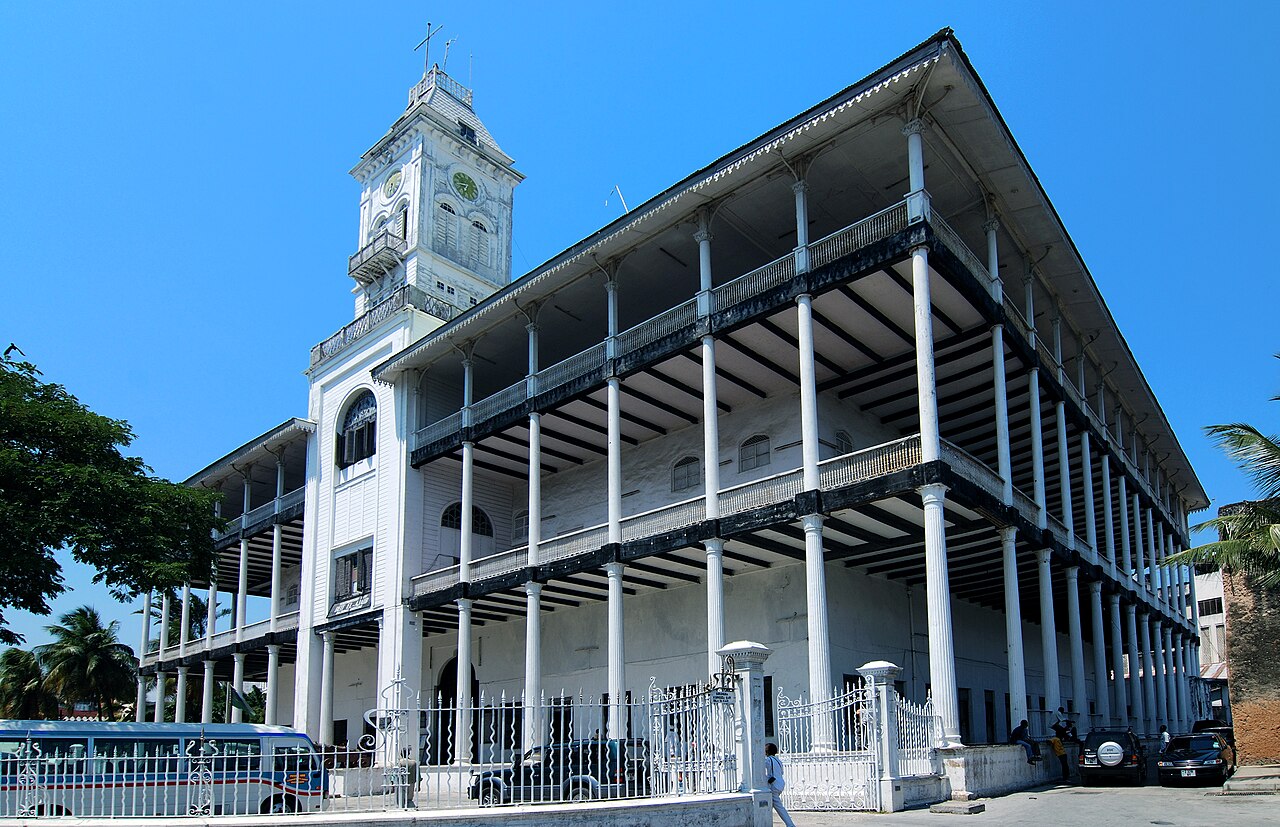
House of Wonders
- Must see · Heritage site
- Museum
Language · 11 published
Museum · Zanzibar City
Sultan's Palace
Read from the OpenStreetMap access tags; anything not listed has no tag recorded.
Set the group type to family in the planner and the day window contracts to about three quarters of a solo day.
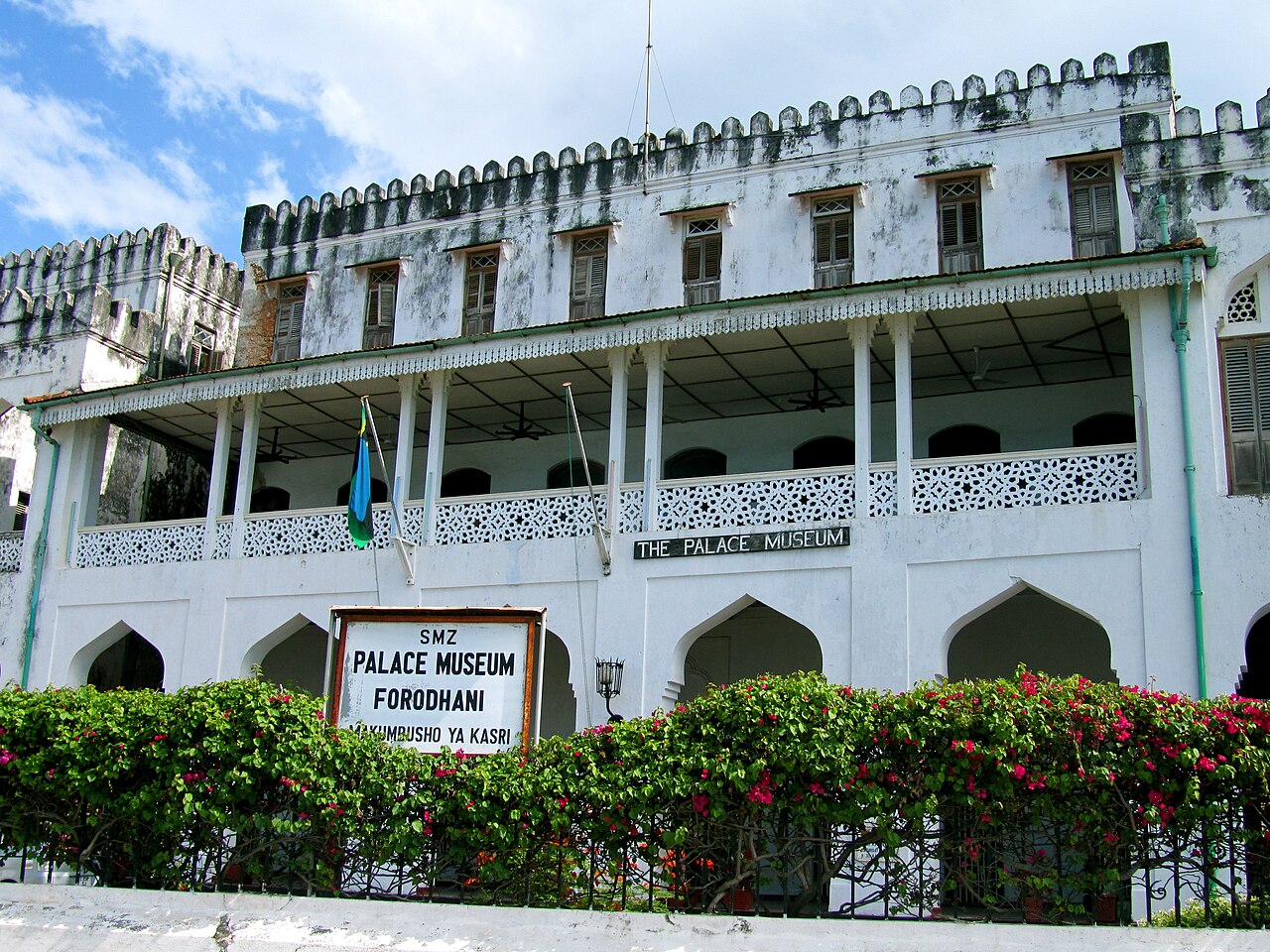
Palace Museum, known as Beit al-Sahel, occupies a former waterfront residence of Zanzibar’s sultan in Stone Town. The museum focuses on the Omani royal court and palace life during the nineteenth century. Its setting places political history, domestic life, and architecture within the same building. As you move through the historic core, the museum helps explain Zanzibar’s role as a centre of trade and power across the western Indian Ocean. The Palace Museum, known locally as Beit al-Sahel, stands as the former waterfront residence of the sultan in Zanzibar City. It serves as the principal museum dedicated to the Omani royal court and nineteenth-century palace life. Located in Stone Town, the building represents a significant landmark of Zanzibar's complex history under Omani rule. The structure itself embodies the architectural and cultural fusion that characterises this UNESCO World Heritage site, reflecting the island's position as a historical centre of trade and political power in the western Indian Ocean region.
Checked 2026-08-26 · Source
The displays concentrate on the material world of the Omani royal household. Furnishings, ceremonial objects, and personal effects connect the rooms to the ruling family and the domestic routines of nineteenth-century palace life. The museum’s emphasis is the elite residence and its political setting, rather than a complete survey of every period in Zanzibari history. Give attention to the relationship between objects and rooms: the building itself is part of the story. The museum's collections focus on the Omani royal court and the domestic life of the palace during the nineteenth century. Visitors can expect to encounter displays that illuminate the material culture of the sultanate period, including furnishings, ceremonial objects, and personal effects associated with the ruling family.
Checked 2026-08-26 · Source
Plan less than an hour for a focused visit through the principal rooms and displays, or stay longer if palace furnishings and Omani political history hold your attention. The museum works best as one stop in a wider Stone Town heritage walk. Allow additional time for the surrounding waterfront and lanes rather than treating the building as an isolated destination. Your pace will depend on how closely you read labels and examine domestic objects.
Checked 2026-08-26 · Source
A morning visit fits comfortably into a walking tour because Stone Town’s streets are easier to explore before the strongest midday heat. The waterfront position brings sea breezes, while the interior offers a change from the bright streets outside. Religious and public holidays can affect access to cultural sites. Combining the museum with nearby waterfront landmarks creates a coherent route and reduces extra walking through the compact historic quarter.
Checked 2026-08-26 · Source
Treat Palace Museum as a separate cultural attraction within Stone Town rather than as an open public building. Entry arrangements may differ from those at nearby landmarks, and the museum’s collections are the reason to set aside dedicated time. Carrying local currency is practical for small purchases during a day in the old town. The visit is most rewarding for travellers interested in royal residence, Omani influence, furnishings, and the relationship between domestic rooms and political authority.
Checked 2026-08-26 · Source
The museum is in Stone Town’s waterfront historic core, where narrow streets make the final approach a walking experience. Use the seafront and harbour landmarks to orient yourself, then continue through the old quarter’s lanes. Taxis and daladalas serve the broader Stone Town area, but vehicles do not provide a simple door-to-door route through the dense historic streets. From nearby accommodation or attractions, walking is the clearest way to arrive.
Checked 2026-08-26 · Source
Wear comfortable shoes for Stone Town’s uneven streets and thresholds. Zanzibar’s tropical heat makes water, light clothing, and sun protection useful during the walk to the museum. Respectful dress suits the local Muslim culture and the former royal setting. Inside, follow any instructions concerning photography and movement around objects. Keep personal belongings secure in busy lanes and waterfront areas. The historic building should be approached as a preserved residence, with care around rooms, fittings, and displays.
Checked 2026-08-26 · Source
The exterior benefits from its waterfront context, so include the building’s relationship with Stone Town and the harbour in wider views. Interior rooms and furnishings provide quieter subjects, particularly when you focus on repeated details, woodwork, and ceremonial objects. Follow posted museum rules and staff directions before photographing displays. Keep the camera unobtrusive in narrow rooms, and avoid using equipment in a way that interrupts other visitors. The surrounding historic lanes offer additional architectural context after the visit.
Checked 2026-08-26 · Source
The Palace Museum is also known as Beit al-Sahel.
Its displays focus on nineteenth-century palace life and the Omani royal court.
Visitors encounter furnishings, ceremonial objects, and personal effects associated with the ruling family.
It stands in Stone Town’s waterfront historic core in Zanzibar City.
Walk through Stone Town from the waterfront or a nearby drop-off point, because the historic lanes restrict vehicle access.
Respectful clothing is appropriate for Zanzibar’s predominantly Muslim culture and the former royal setting.
Loading the interactive map…
The interactive map could not be loaded.

Last updated:
Source: OpenStreetMap contributors, Wikidata ·