
2 min walk
Ng'ambo
- Must see
- Activity
Language · 11 published
Historic monument · Zanzibar City
Mji Mkongwe
Read from the OpenStreetMap access tags; anything not listed has no tag recorded.
Set the group type to family in the planner and the day window contracts to about three quarters of a solo day.
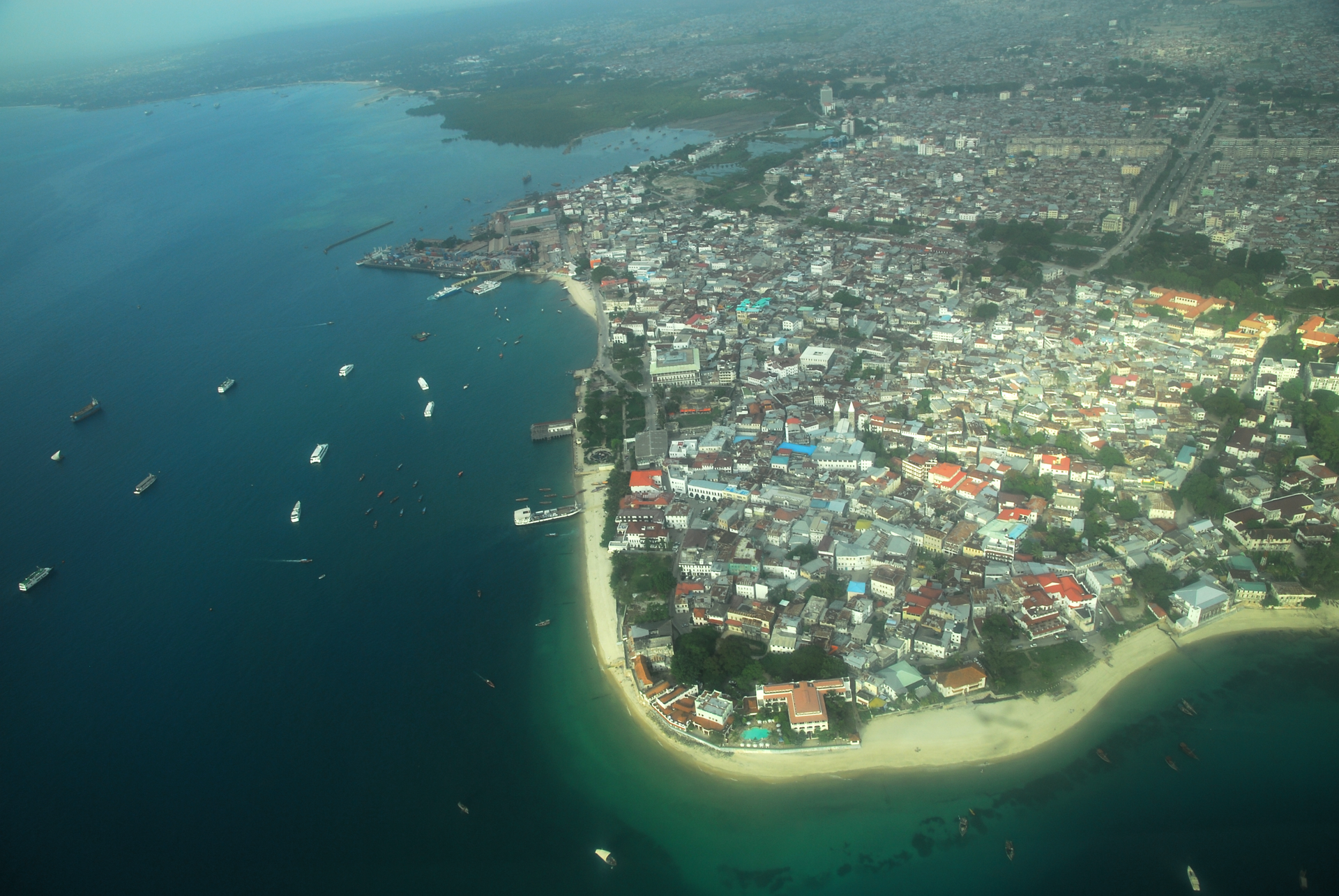
Stone Town, also called Mji Mkongwe, is the historic heart of Zanzibar City on Unguja Island, Tanzania. UNESCO listed it as a World Heritage Site in 2000 because its dense urban fabric preserves centuries of Swahili, Arab, Persian, Indian, and European influence. Coral-stone buildings, carved merchant doors, narrow lanes, and the waterfront make the district an Indian Ocean cultural crossroads. Its streets also carry the difficult history of trade, slavery, religion, and colonial change. Stone Town, known locally as Mji Mkongwe, is the historic heart of Zanzibar City on Unguja Island, Tanzania. It was designated a UNESCO World Heritage Site in 2000 for its outstanding universal value as a cultural crossroads of Swahili, Arab, Persian, Indian, and European influences. The area preserves a dense urban fabric of coral stone buildings, narrow alleyways, and merchant houses that developed primarily during the Omani sultanate period. Its architecture and street plan reflect centuries of Indian Ocean trade, including the region's complex history with the spice trade and the slave trade. Many visitors walk independently, though the disorienting layout benefits from initial guided orientation. Standard urban precautions regarding valuables and nighttime routes apply.
Checked 2026-08-26 · Source
Stone Town is a living district rather than one building. Walk among coral-stone houses, merchant residences, carved doors, mosques, churches, market streets, the Old Fort, the House of Wonders, the former slave-market area, the waterfront, and Forodhani Gardens. Ground floors hold shops, cafés, restaurants, and food stalls, while residents continue to live and work above and beside visitor businesses. Treat the lanes, façades, harbour edge, and everyday activity as one connected historic environment.
Checked 2026-08-26 · Source
Allow at least half a day for a first walking circuit focused on major exterior landmarks. A fuller visit takes one or two days when you add museums, historic interiors, markets, shopping, meals, and pauses along the waterfront. The compact area rewards slow wandering, and returning at different times reveals changes in light, commerce, and street life. Avoid treating Stone Town as a checklist: the strongest experience comes from connecting individual buildings with the district's wider history.
Checked 2026-08-26 · Source
Stone Town functions throughout the year as a residential and commercial neighbourhood. Drier periods are more comfortable for long walks, while rainy seasons can make coral-stone surfaces slippery and encourage shorter outdoor circuits. Early morning offers quieter lanes and softer heat; late afternoon brings warmer light near the waterfront. Evening adds food activity around Forodhani Gardens, but unfamiliar lanes can be poorly lit. Religious observances may affect access to individual places of worship, so dress and behave respectfully.
Checked 2026-08-26 · Source
Stone Town itself has no single entrance gate or district-wide admission charge. Individual museums, historic buildings, and other managed attractions may charge separately. Religious buildings can have their own rules, with some limiting interior access. Carry Tanzanian shillings in small denominations for food, shopping, tips, and separate attraction fees. The historic district is therefore easy to enter freely, while the cost of a day depends on which interiors, tours, meals, and shops you choose to include.
Checked 2026-08-26 · Source
Stone Town occupies the western waterfront of Zanzibar City. Abeid Amani Karume International Airport is about six kilometres south, with taxis and transfers providing the practical connection. Ferries from Dar es Salaam and other coastal points arrive beside the historic area. Daladala minibuses and taxis reach the district edges, but the narrowest lanes are pedestrian in character. Once inside, walking is the natural way to move between landmarks, food stalls, markets, courtyards, and the harbour.
Checked 2026-08-26 · Source
Irregular lanes and limited signage can make navigation confusing, so keep a map available and remember recognizable landmarks. Some passages are dim, and coral-stone paving becomes slippery after rain. Protect valuables in crowded market areas and handle persistent approaches from guides or vendors calmly. Stone Town is also a residential neighbourhood: avoid blocking doorways, photograph people only with permission, and dress modestly near mosques. Respect for residents and worshippers is as important as care for historic buildings.
Checked 2026-08-26 · Source
Stone Town offers strong subjects at every scale, from carved Zanzibar doors and coral-stone façades to harbour views, markets, food stalls, and evening activity. Morning and late afternoon light can bring out architectural texture, while rooftop viewpoints from some establishments frame the historic skyline. Ask permission before photographing individuals, especially in residential settings or near religious activity. Museums and interiors may limit photography or flash. Keep equipment compact in narrow lanes and leave space for residents and traders.
Checked 2026-08-26 · Source
Yes. Walking is the main way to experience the narrow historic lanes, waterfront, markets, buildings, food stalls, and public spaces.
A major-landmark walk takes about half a day; museums, interiors, shopping, meals, and slower exploration can fill one or two days.
No. The district is open to enter, while individual museums and managed historic buildings may charge separate fees.
Restaurants, cafés, shops, and street-food vendors operate throughout the district, including food activity at Forodhani Gardens.
Yes. Residents live and work among shops, restaurants, markets, religious buildings, and visitor attractions.
Choose modest clothing and behave quietly near mosques and during religious activity, remembering that Stone Town remains a functioning community.
Loading the interactive map…
The interactive map could not be loaded.


Last updated:
Source: OpenStreetMap contributors, Wikidata ·