
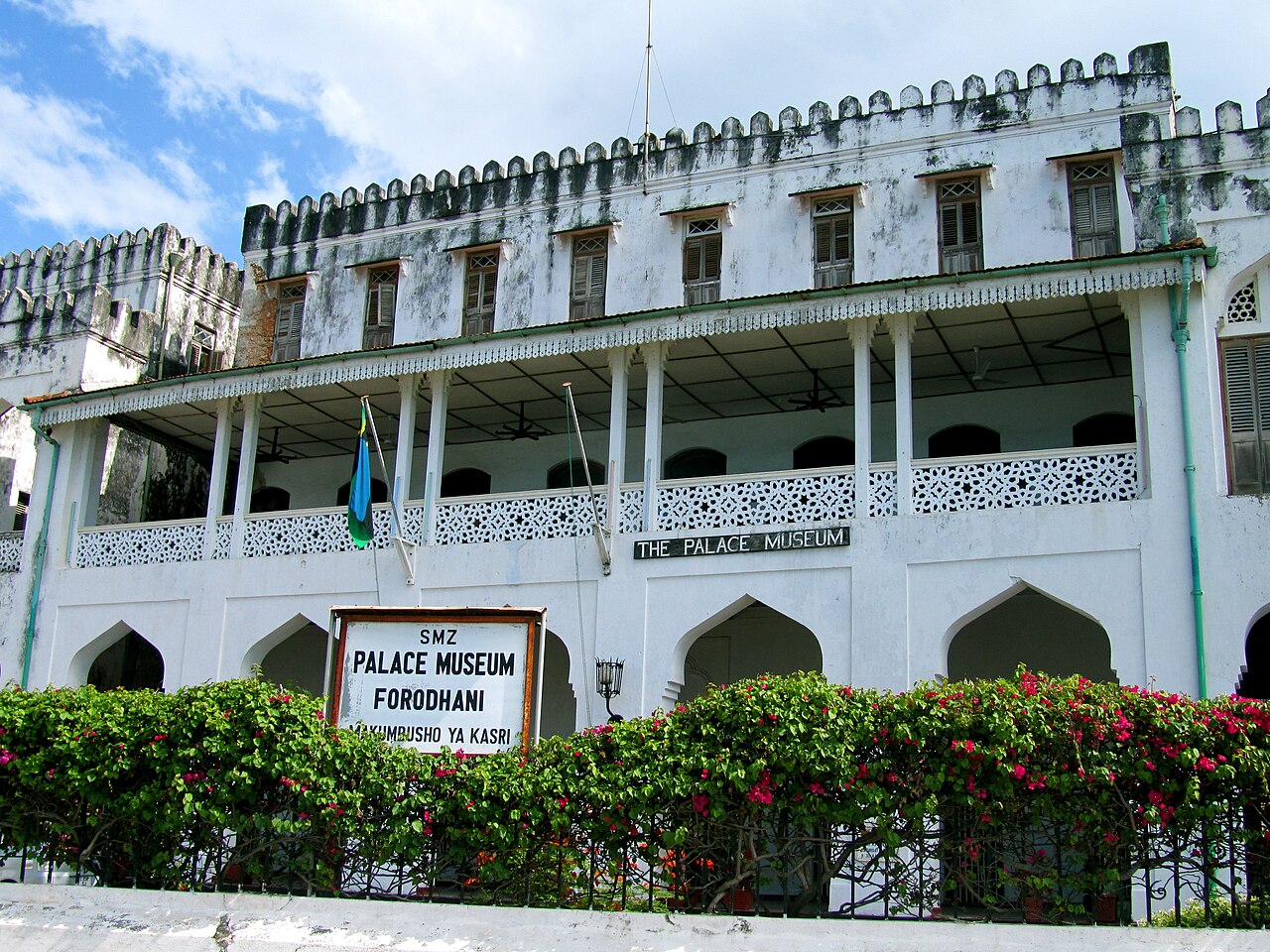
2 min walk
Palace Museum
- Must see · Heritage site
- Museum
Language · 11 published
Museum · Zanzibar City
Reviewed by Elena Voss · SSMTour Travel Editor

| Monday | 10:00 – 16:00 |
|---|---|
| Tuesday | 10:00 – 16:00 |
| Wednesday | 10:00 – 16:00 |
| Thursday | 10:00 – 16:00 |
| Friday | 10:00 – 16:00 |
| Saturday | 10:00 – 16:00 |
| Sunday | Closed |
Checked 2026-08-31 · Source
Read from the OpenStreetMap access tags; anything not listed has no tag recorded.
Set the group type to family in the planner and the day window contracts to about three quarters of a solo day.
Princess Salme Museum is a small heritage museum inside Emerson on Hurumzi, a historic hotel in Stone Town. It focuses on Sayyida Salme, a nineteenth-century Zanzibari princess whose memoirs offer an unusual woman’s perspective on royal life. The museum adds a personal and literary dimension to Stone Town’s history of the sultanate and Omani rule. Because it occupies a working heritage hotel, the setting feels intimate and integrated into the historic city rather than separated from it. The Princess Salme Museum is a small heritage museum located within Emerson on Hurumzi, a historic hotel in Zanzibar City's Stone Town. It is dedicated to the life and writings of Sayyida Salme, a 19th-century Zanzibari princess who authored memoirs offering a rare female perspective on the island's royal court. The museum contributes to Stone Town's broader narrative of Omani Arab rule and the sultanate era, distinguishing itself through its focus on women's experiences typically absent from official histories. Its placement within a functioning heritage hotel shapes visitor access and atmosphere.
Checked 2026-08-26 · Source
Displays centre on Sayyida Salme’s life, writings, and experience within the Zanzibari royal household. Visitors encounter material connected with her memoirs, her departure from Zanzibar, and her later life in Europe. The collection is focused rather than extensive, with the biographical story carrying more weight than a large accumulation of objects. Read the exhibition material carefully: the museum’s main contribution is the voice it brings to a royal history often recorded through male perspectives. The museum foregrounds Sayyida Salme's life and writing through displays that illuminate her unique position as a woman within the Zanzibari royal household.
Checked 2026-08-26 · Source
Allow around thirty to sixty minutes for a thoughtful visit. The museum is compact, and its focused displays can be read without navigating a large complex. Visitors who already know Sayyida Salme’s memoirs may want extra time to connect the exhibits with her writing and biography. It also works well as one stop during a longer walk through Stone Town, where the surrounding streets and nearby heritage buildings provide a broader setting for the museum’s royal and literary story.
Checked 2026-08-26 · Source
The museum sits within Emerson on Hurumzi, so the visit is tied to a functioning hotel and to the rhythm of Stone Town. Morning can be a comfortable time to read the displays before the narrow streets become busier and warmer. During rainy periods, allow for wet or uneven paving in the surrounding alleys. The museum’s small scale makes it easy to pair with a walking circuit through Stone Town, including the waterfront and nearby historic buildings.
Checked 2026-08-26 · Source
The museum is located within a private heritage hotel rather than a standalone public building. That setting is part of the experience and distinguishes it from larger Stone Town institutions. Plan the visit around the hotel’s premises and keep the museum separate in your expectations from a broad palace complex. Its value comes from the focused presentation of Sayyida Salme’s life and writing, not from a long sequence of galleries or reconstructed royal rooms.
Checked 2026-08-26 · Source
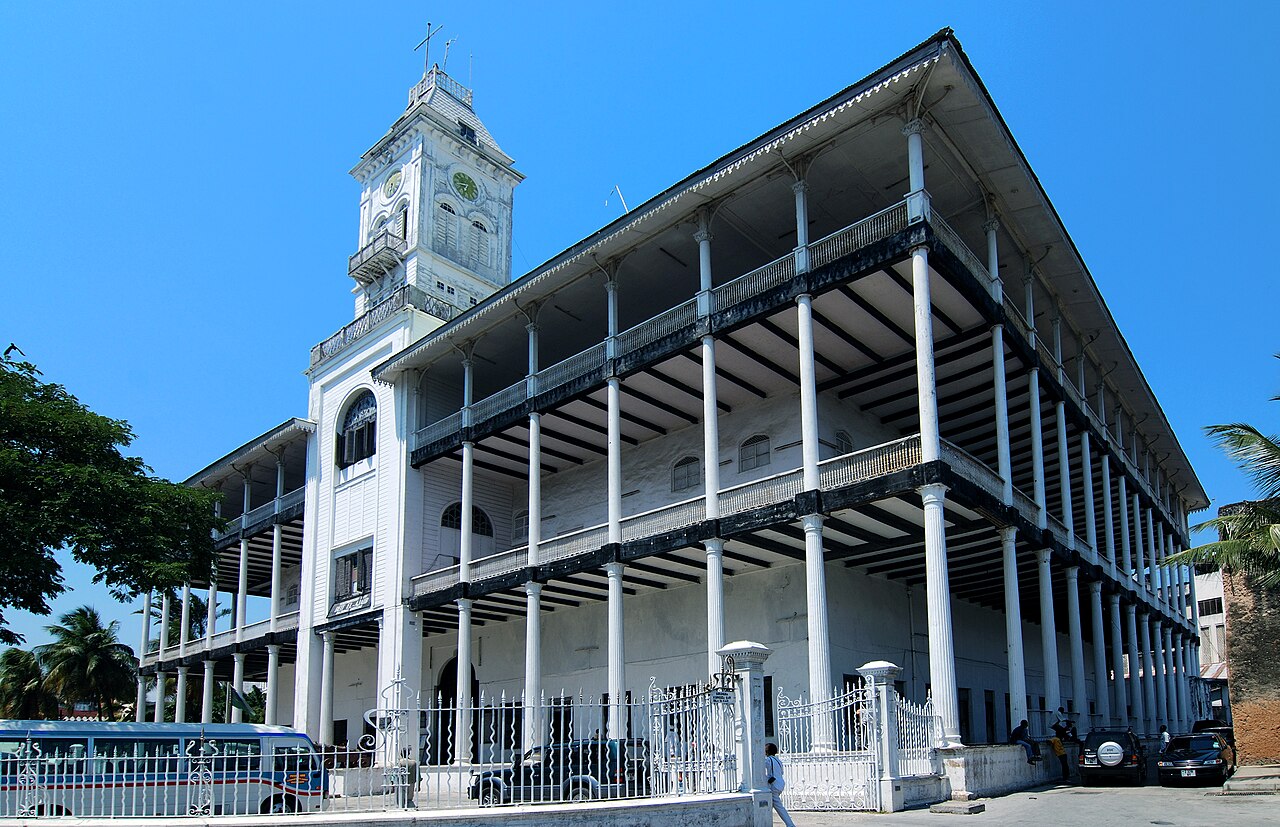
Emerson on Hurumzi is in Stone Town, where the immediate approach is on foot through narrow, winding streets. From the ferry terminal, the walk takes roughly ten to fifteen minutes. Forodhani Gardens and the House of Wonders are closer reference points. Vehicles do not enter the tightest lanes around the historic core, so walking is essential for the final approach. A map or GPS is useful because signage can be limited and several alleys look similar.
Checked 2026-08-26 · Source
Stone Town’s paving can be uneven, and open drainage channels or building debris may occur along the route. Keep valuables secure in busy areas and leave enough time to navigate the winding lanes without rushing. Inside Emerson on Hurumzi, remember that the museum shares space with hotel operations: respect guests, staff, and areas outside the exhibition. Afternoon heat can build in enclosed stone streets, so water and comfortable walking shoes make the approach easier.
Checked 2026-08-26 · Source
The museum’s displays tell a personal story, so handle photography with discretion inside the hotel. Ask staff before photographing exhibits, interiors, or areas used by hotel guests. The surrounding Stone Town streets provide strong subjects, especially carved wooden doors, balconies, and the texture of historic walls. Photograph residents, religious places, and private courtyards respectfully. Exterior views can show how Emerson on Hurumzi belongs to the layered architecture of the old city without intruding on hotel activity.
Checked 2026-08-26 · Source
Yes. The museum occupies part of Emerson on Hurumzi, a historic hotel in Stone Town, rather than a separate standalone building.
Sayyida Salme was a nineteenth-century Zanzibari princess and memoirist. Her writing provides a rare woman’s perspective on the royal court and the history of the sultanate.
Its central subject is a woman’s life and writing. The museum gives visitors a personal perspective on Zanzibar’s royal history alongside the larger architectural and political stories found elsewhere in Stone Town.
A focused visit usually takes about thirty to sixty minutes. Reading the displays carefully and connecting them with Sayyida Salme’s memoirs can make the visit longer.
Yes. The museum is in Stone Town, and the walk from the ferry terminal takes roughly ten to fifteen minutes through narrow historic streets.
The museum can be combined with a walk through Stone Town, including Forodhani Gardens, the House of Wonders, the waterfront, and the surrounding historic lanes and buildings.
Loading the interactive map…
The interactive map could not be loaded.
Last updated:
Source: OpenStreetMap contributors ·