
35 min walk
Ak Yum
- Must see
- Place of worship
Language · 11 published
Place of worship · Siem Reap
Prasat Mebon Khang Lech
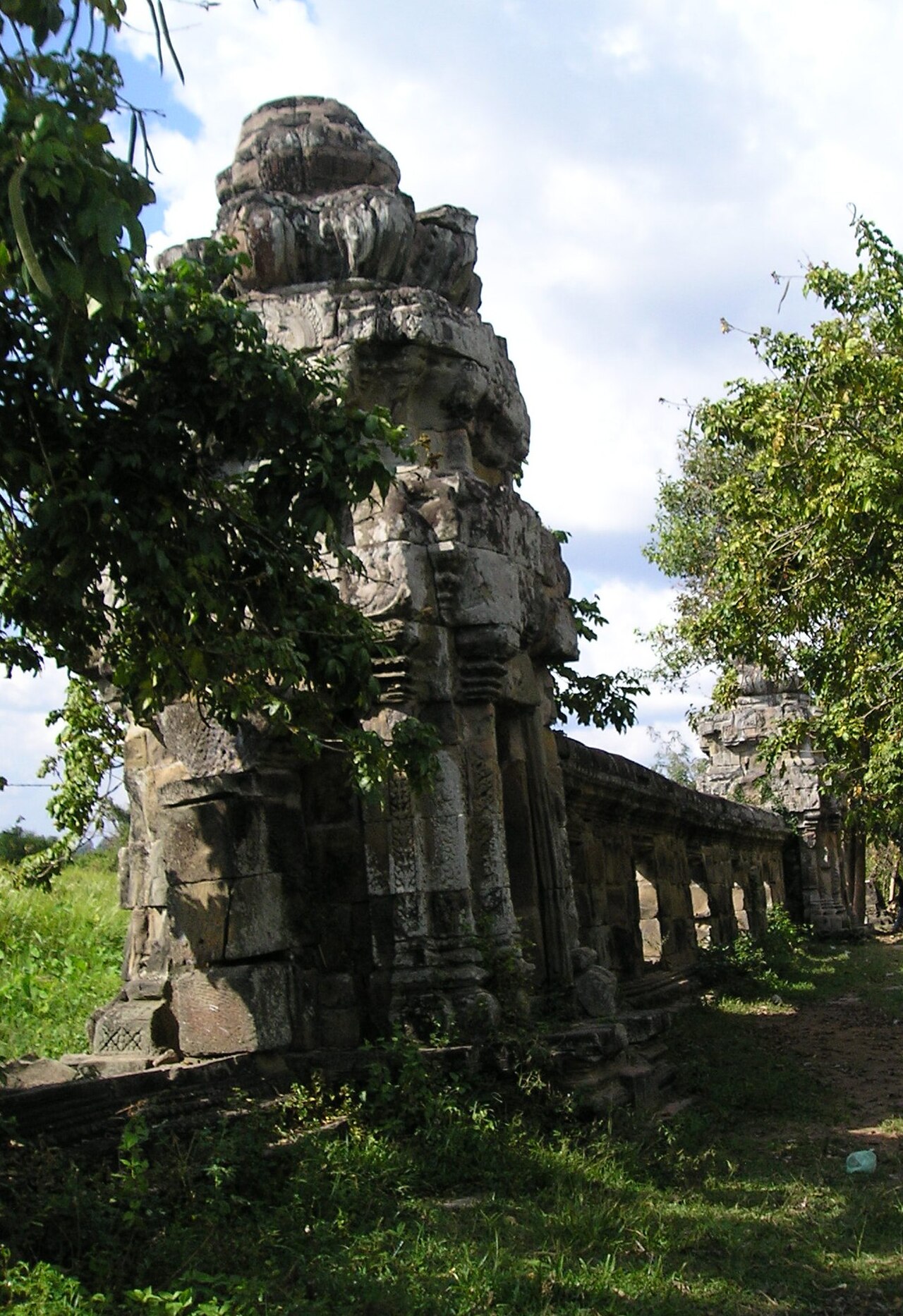
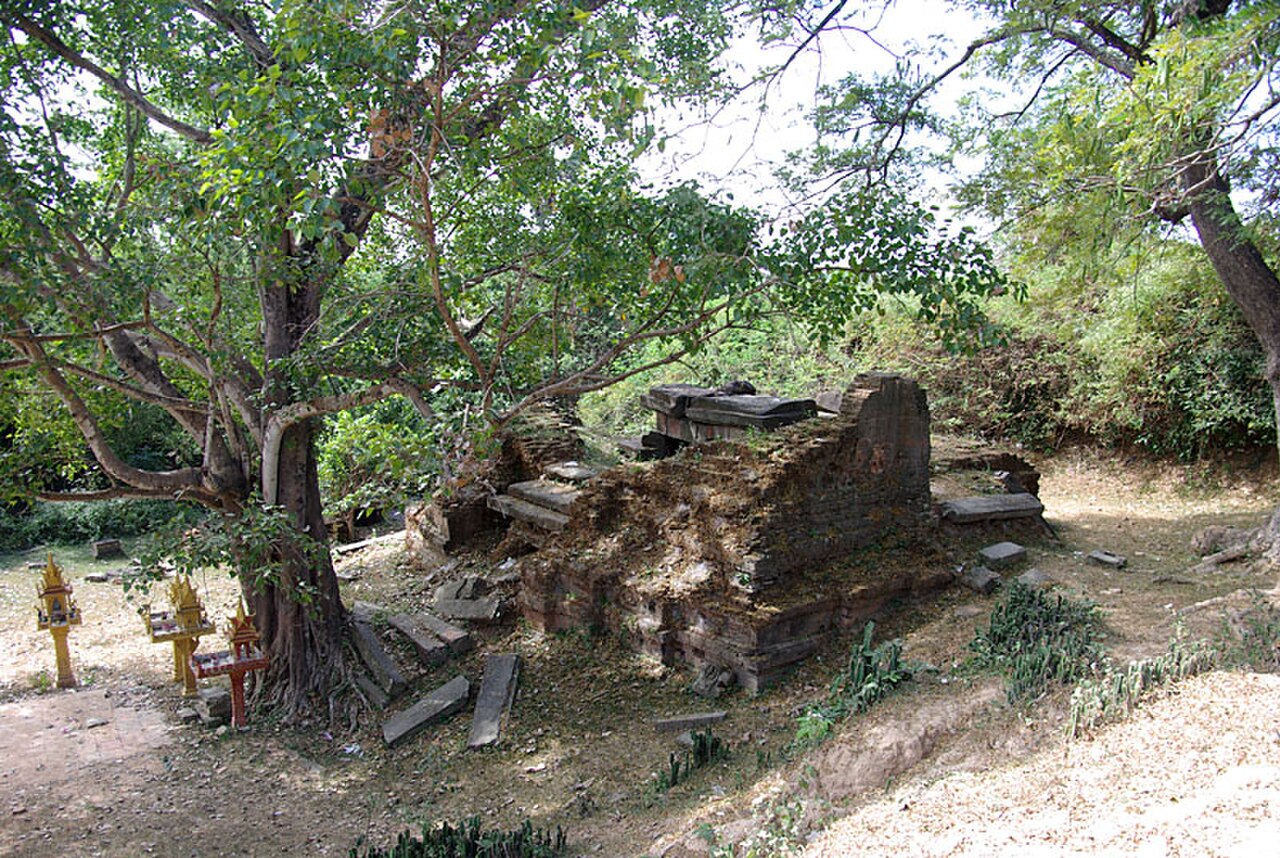
West Mebon is a temple ruin situated on an artificial island in the West Baray, a vast ancient reservoir near Siem Reap, Cambodia. Constructed during the Khmer Empire under King Udayadityavarman II in the 11th century, it originally housed a renowned bronze reclining Vishnu statue. The temple represents a significant example of Khmer hydraulic engineering combined with religious architecture. It forms part of the broader Angkor archaeological complex, which UNESCO inscribed as World Heritage site 668. The site demonstrates the sophisticated water management systems that sustained the medieval city of Angkor.
Checked 2026-08-26 · Source
The temple platform features remains of laterite and sandstone construction, with fragments of walls and pilasters still visible. The central sanctuary once contained the famous bronze Vishnu, now removed to the National Museum in Phnom Penh for preservation. Visitors can observe the foundational layout and imagine the original cruciform structure. The surrounding waters of the West Baray create a distinctive atmosphere, with the temple rising from what was engineered as an island. Submerged and weathered elements attest to centuries of environmental interaction. The absence of the principal sculpture underscores ongoing challenges in heritage conservation.
Checked 2026-08-26 · Source
A visit to West Mebon typically requires approximately thirty to sixty minutes, depending on individual interest in archaeological detail and atmospheric conditions. The experience differs substantially from more densely constructed Angkor temples due to the open platform setting and water surroundings. Travelers often combine this site with other western Baray-area destinations, allocating half a day for the broader region. Boat access during wet seasons may extend the duration. The sparse physical remains demand patience and contextual imagination rather than extended exploration of intact structures. Seasonal water levels significantly affect accessibility and the quality of visitor experience.
Checked 2026-08-26 · Source
The site lacks published official opening schedules in available documentation. Visitors should verify current access arrangements through local tourism authorities or established Angkor pass vendors before planning. Dry season months from November to April generally permit easier approach, though the reservoir character creates variable conditions year-round. Early morning visits may offer calmer waters and preferable light for observation. Monsoon periods can transform accessibility dramatically, potentially preventing boat landing entirely. The isolated position demands careful timing relative to daylight and return transportation availability. Advance confirmation remains essential given operational uncertainties.
Checked 2026-08-26 · Source
The standard Angkor pass structure applies to most temple sites in the region, with multiple-day options commonly purchased. Visitors should confirm current fee structures and whether separate boat charges apply for island access. No independent ticketing information is documented. Payment methods, currency acceptance, and potential concession categories remain unspecified. Direct inquiry with official park administration or reputable local operators is advised before departure to avoid complications.
Checked 2026-08-26 · Source
West Mebon occupies an island position within the West Baray, approximately eight kilometers west of Siem Reap's central area. Road access reaches the reservoir edge, followed by boat crossing to the temple platform. Transportation typically requires arrangement through local drivers or tour operators familiar with variable landing conditions. The route diverges from primary Angkor circuits, demanding specific intention to visit. Motorbike, tuk-tuk, or private vehicle reach the embarkation point. Independent navigation presents challenges due to limited signage and seasonal path conditions. Return journey planning is essential given the remote character and irregular transport availability at this secondary site.
Checked 2026-08-26 · Source
Water levels fluctuate dramatically, affecting both accessibility and structural stability for landing and walking. The platform surface is uneven, with deteriorated masonry creating trip hazards. No safety infrastructure such as railings or marked paths is documented. Sun exposure is severe given the absence of shade over the open platform. Boat arrangements require clear agreement on return timing to prevent stranding. Wildlife including snakes may inhabit surrounding waters and vegetation. The isolated location means limited immediate assistance for medical or security issues. Weather changes can rapidly transform conditions. Visitors should carry adequate water, sun protection, and communication means.
Checked 2026-08-26 · Source
The temple's island setting within extensive waters offers distinctive compositional possibilities uncommon among Angkor monuments. The low remaining structure permits broad sky inclusion and reflective surface captures. Golden hour timing may enhance atmospheric quality, though access logistics complicate precise scheduling. Wide-angle lenses accommodate the expansive horizontal context. Drone operation would require verification of Cambodian aviation regulations and archaeological site restrictions. The removed Vishnu statue eliminates interior figurative subjects. Weather conditions significantly influence visual character, with mist or storm clouds potentially creating dramatic effects. Tripod utility is limited by uneven terrain and exposure concerns. Respectful documentation of an actively deteriorating heritage site is appropriate.
Checked 2026-08-26 · Source
No. The bronze reclining Vishnu was removed to the National Museum in Phnom Penh for preservation and is no longer at the site.
The specific pass requirements are not definitively established. It falls within the Angkor Archaeological Park system, but visitors should confirm current arrangements with official sources.
The temple stands on an artificial island in the West Baray reservoir. Boat crossing from the reservoir edge is necessary, as no permanent causeway is documented.
The uneven platform surface, lack of shade, and boat access requirements present challenges. Cautious judgement is advised based on individual mobility and comfort with variable conditions.
It offers a quieter, more atmospheric experience with substantially fewer intact structures. The water setting is distinctive, but visitors expecting extensive architecture may find it unrewarding without appropriate preparation.
No such facilities are recorded. The remote location suggests visitors should prepare accordingly with necessary supplies before departure from Siem Reap.
Loading the interactive map…
The interactive map could not be loaded.
Last updated:
Source: OpenStreetMap contributors, Wikidata ·