
-06386.jpg)
-06387.jpg)
-06388.jpg)
-06390.jpg)
-06391.jpg)
15 min walk
Banteay Kdei
- Must see
- Historic monument
Language · 11 published
Historic monument · Siem Reap
ប្រាសាទតាព្រហ្ម
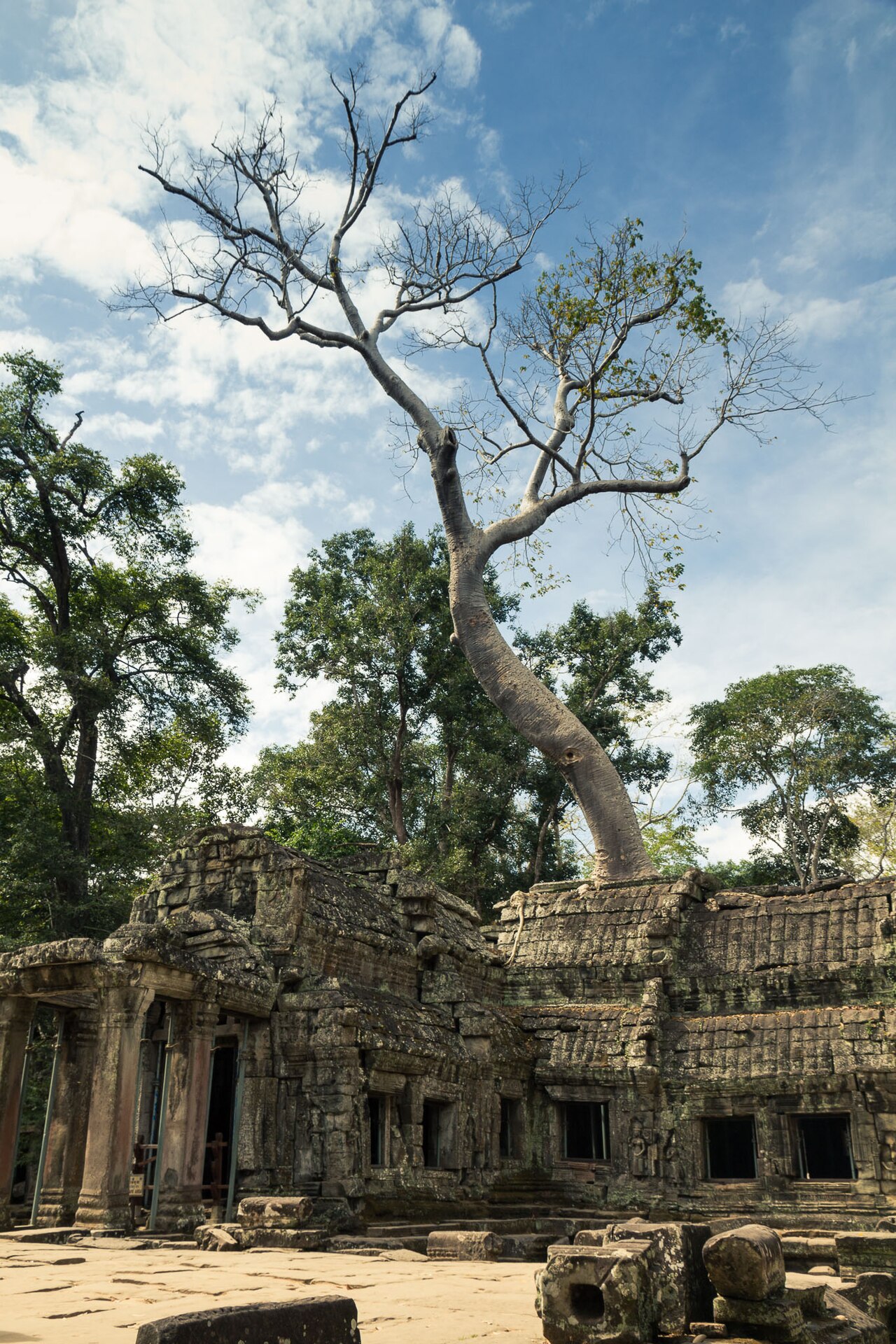
Ta Prohm is a temple within the Angkor Archaeological Park near Siem Reap, Cambodia. It was built in the late 12th and early 13th centuries during the reign of King Jayavarman VII. The temple was originally constructed as a Mahayana Buddhist monastery and university. Unlike many other Angkor monuments, Ta Prohm has been deliberately left in much the same condition as it was found, with trees and vegetation growing among the ruins. This preservation approach creates a distinctive atmosphere that distinguishes it from restored temples in the complex.
Checked 2026-08-26
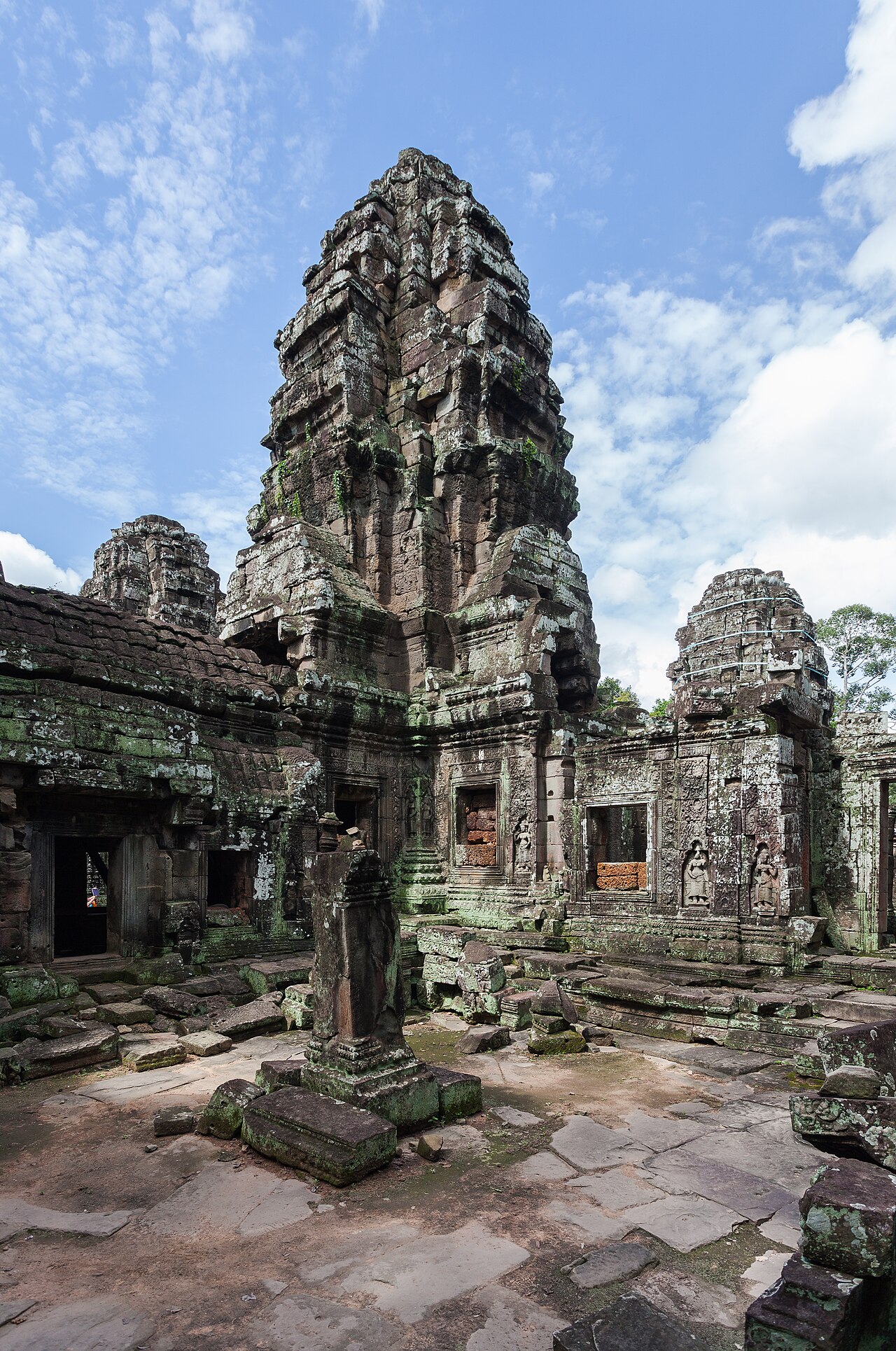
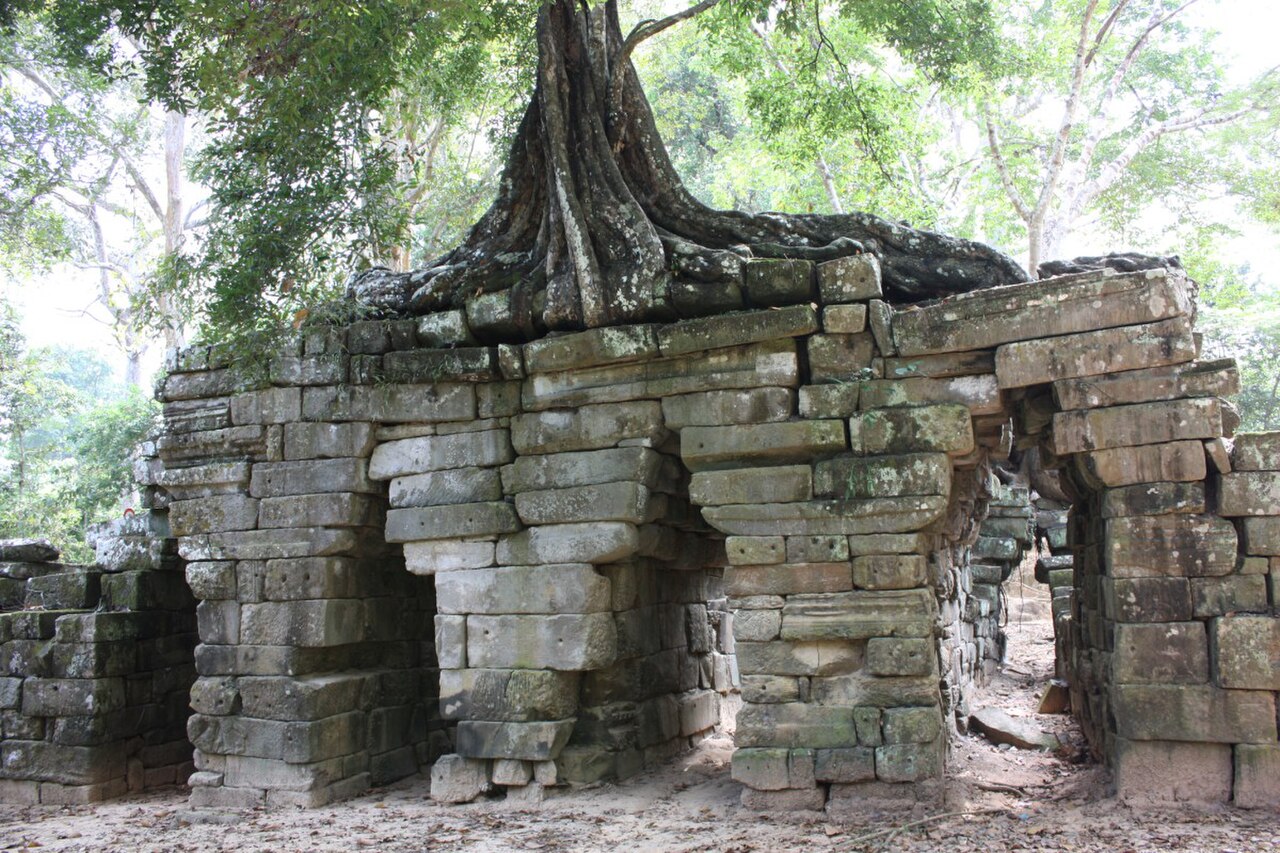
The temple complex features stone towers, courtyards, and corridors in various states of natural reclamation. Large silk-cotton and strangler fig trees have grown over and through the structures, with roots cascading down walls and penetrating stone surfaces. Bas-relief carvings depicting Buddhist iconography, dancers, and daily life scenes remain visible on some walls. The central sanctuary area contains fragmented structures. Doorways and windows frame views of encroaching jungle. The integration of organic and constructed elements produces a site where architectural and natural forms have become interdependent over centuries.
Checked 2026-08-26

Visitors typically allocate between one and two hours for exploring Ta Prohm, though individual pacing varies considerably. The temple's extensive grounds, uneven surfaces, and numerous photographic opportunities encourage slower movement than at more compact sites. Those with particular interest in architectural details, vegetation patterns, or comparative study of conservation approaches may extend their visit. The site's atmospheric qualities and distinctive visual character often prompt visitors to spend additional time in contemplation. Combination with other nearby Angkor monuments requires corresponding schedule adjustments for comprehensive archaeological park coverage.
Checked 2026-08-26

Operator-confirmed hours are Not recorded pending review. Early morning arrival generally offers reduced visitor density and favorable lighting conditions for observation. Midday periods typically experience higher temperatures and increased crowding. The wet season brings intensified vegetation coloration though potentially slippery conditions on stone surfaces. Dry season months present more predictable access but reduced atmospheric moisture affecting plant appearance. Personal tolerance for heat, humidity, and precipitation should inform timing decisions. Consultation with current local guidance or official sources prior to visit remains advisable for operational status verification.
Checked 2026-08-26
Operator-confirmed prices are Not recorded pending review. Angkor Archaeological Park operates under a unified ticketing system covering multiple monuments including Ta Prohm. Pass structures typically include single-day, multi-day, and extended validity options with corresponding price tiers. Ticket purchase generally occurs at designated park entry points rather than individual temples. Identification requirements and photographic capture for passes are standard procedures. Verification of current fee structures, acceptable payment methods, and any applicable exemptions should precede visit planning. Official Apsara Authority channels or authorized vendors represent appropriate information sources for financial preparation.
Checked 2026-08-26

Ta Prohm lies within the Angkor Archaeological Park approximately several kilometers northeast of Angkor Wat and accessible from Siem Reap via established road infrastructure. Transportation modes include hired motor vehicles with drivers, bicycle rental, and organized tour arrangements. Tuk-tuk services represent common visitor choices for flexibility and cost balance. Self-directed navigation requires adequate preparation given park extent and signage limitations. Road conditions vary seasonally. Early departure from Siem Reap accommodates multiple monument sequencing. Return journey planning should account for potential vehicle availability variations during peak demand periods or evening hours.
Checked 2026-08-26

Uneven stone surfaces, protruding roots, and variable lighting conditions present trip and fall hazards throughout the complex. Some areas exhibit structural instability requiring respectful distance maintenance. Wildlife including insects and snakes inhabits the vegetated portions. Personal belongings security warrants attention given visitor concentrations at popular photographic locations. Hydration and sun protection prove essential given exposed areas and tropical climate. Respectful conduct toward active religious elements and ongoing conservation activities remains expected. Adherence to designated pathways protects both visitor safety and archaeological integrity. Appropriate footwear with reliable traction strongly recommended for navigating root-laden and potentially moist stone surfaces.
Checked 2026-08-26

Ta Prohm offers extensively photographed compositions of tree-root and stone interactions. Morning and afternoon light periods produce contrasting atmospheric effects through canopy gaps. Tripod usage may face restrictions or require special permissions. Flash photography potentially prohibited in sensitive areas. Popular framed viewpoints attract patient queuing during peak visitation. Drone operation subject to strict regulation within archaeological zones. Commercial photography activities typically require advance authorization. Respect for other visitors' experience and conservation priorities should govern equipment positioning and duration at concentrated locations. Weather protection for equipment advisable given humidity and unpredictable precipitation patterns in tropical forest environments.
Checked 2026-08-26
Ta Prohm appeared in the 2001 film Lara Croft: Tomb Raider, which increased its international recognition. Specific filming locations within the temple complex are identifiable by knowledgeable guides.
A deliberate conservation choice maintains Ta Prohm in a state of natural integration with vegetation, contrasting with extensive restoration at monuments such as Angkor Wat. This approach preserves a specific historical and aesthetic condition.
Physical contact with vulnerable elements potentially accelerates deterioration. Visitors should maintain appropriate distances from fragile structures and refrain from climbing or leaning on unstable surfaces.
The unified ticketing system covers park entry generally rather than individual monuments. Visitors may allocate their time according to preference, though combined exploration of multiple sites represents typical practice.
The unpaved, uneven, and root-obstructed surfaces present substantial challenges for wheelchairs and walkers. Significant portions remain inaccessible to those requiring smooth, stable pathways.
Modest dress covering shoulders and knees respects cultural context. Sturdy, closed-toe footwear with good grip essential for navigating irregular stone and root surfaces. Breathable fabrics accommodate tropical humidity.
Loading the interactive map…
The interactive map could not be loaded.

Last updated:
Source: OpenStreetMap contributors, Wikidata ·