

8 min walk
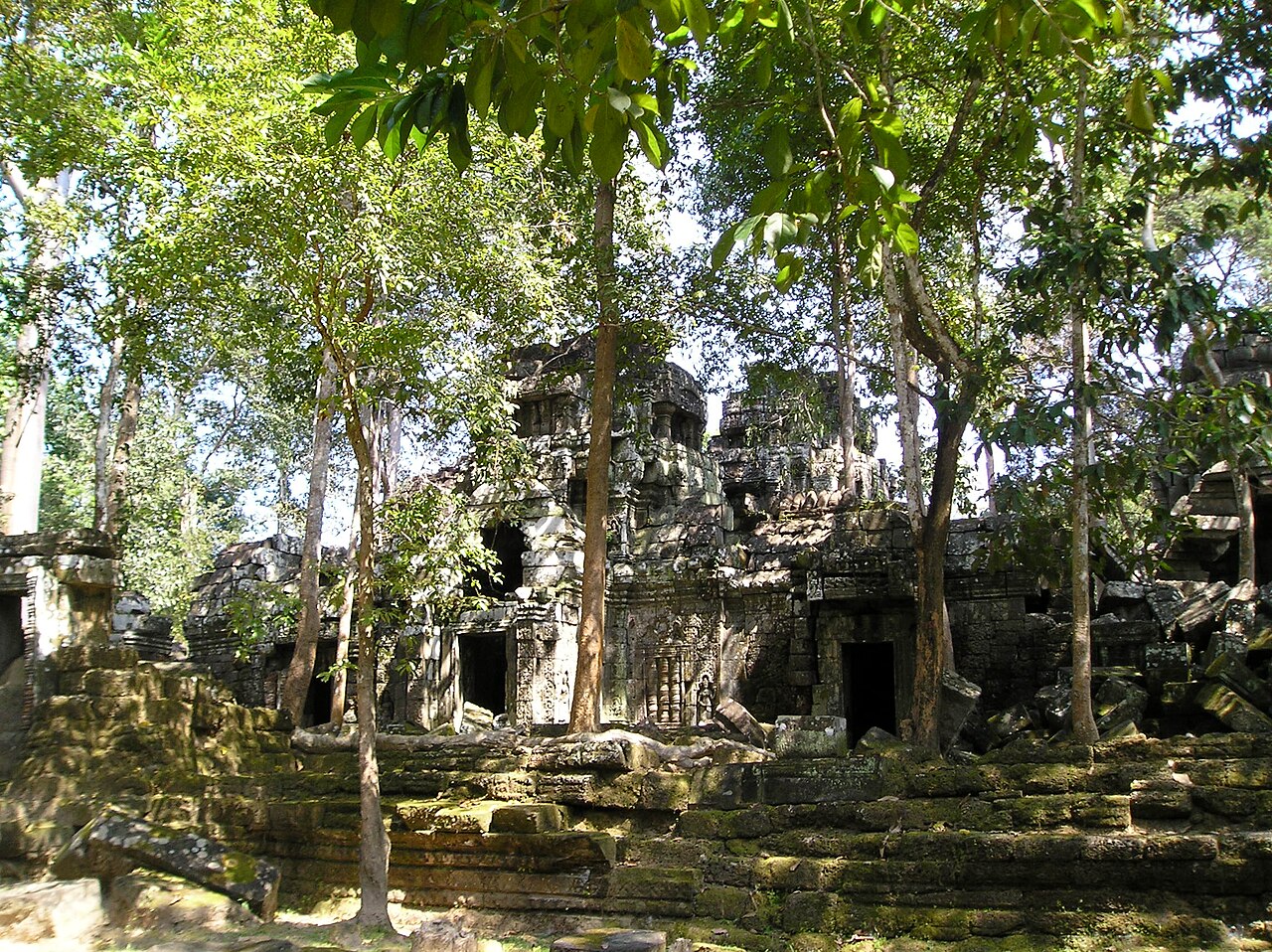
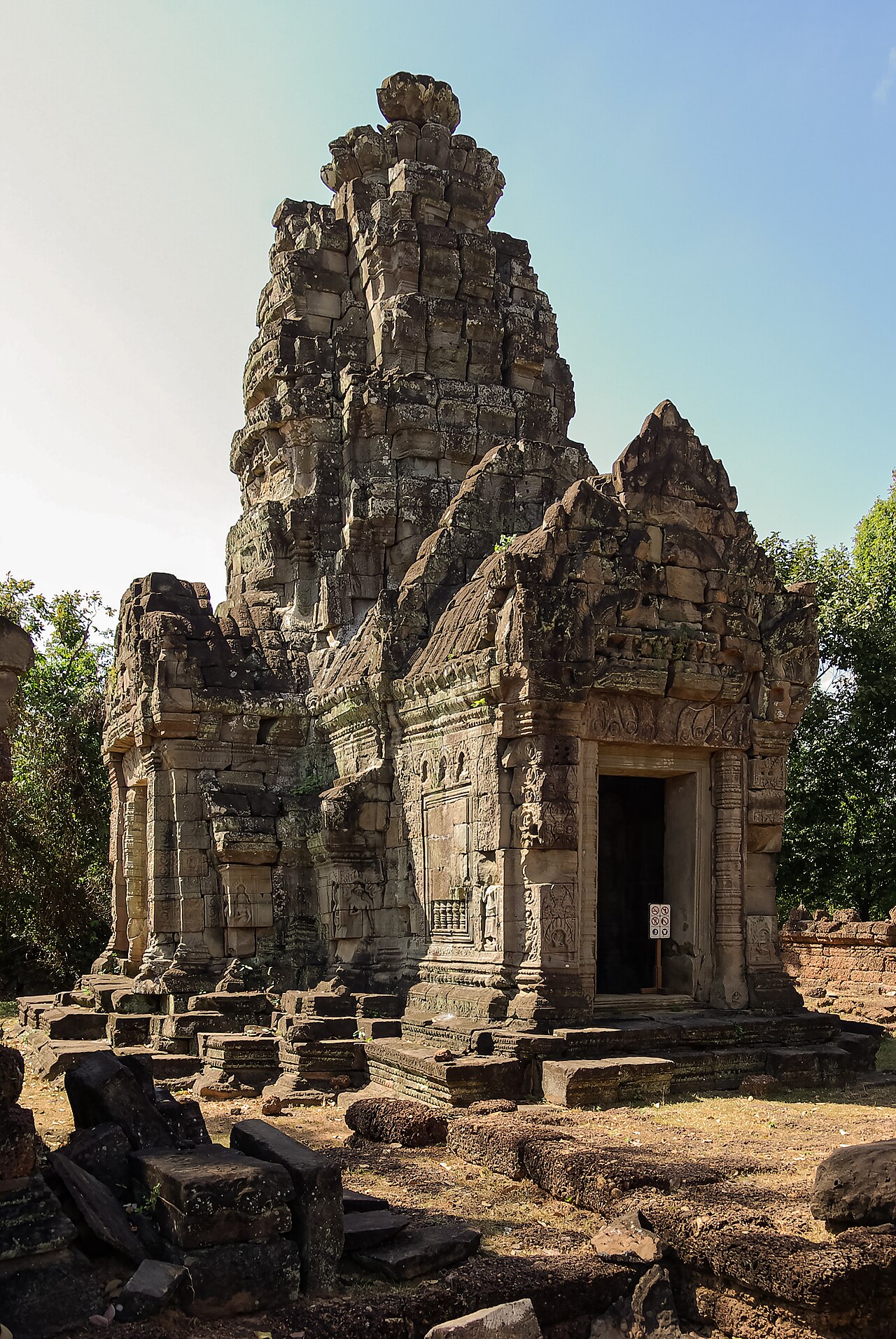
Krol Ko
- Must see
- Historic monument
Language · 11 published
Place of worship · Siem Reap

| Monday | 07:30 – 17:30 |
|---|---|
| Tuesday | 07:30 – 17:30 |
| Wednesday | 07:30 – 17:30 |
| Thursday | 07:30 – 17:30 |
| Friday | 07:30 – 17:30 |
| Saturday | 07:30 – 17:30 |
| Sunday | 07:30 – 17:30 |
Checked 2026-08-31 · Source
Read from the OpenStreetMap access tags; anything not listed has no tag recorded.
Set the group type to family in the planner and the day window contracts to about three quarters of a solo day.
Neak Pean is a Buddhist temple within the Angkor Archaeological Park near Siem Reap, Cambodia. Constructed in the late 12th or early 13th century during the reign of King Jayavarman VII, it sits on an artificial island in the Jayatataka Baray, a large reservoir. The temple's name translates to Coiled Serpents, referring to the naga statues encircling its base. It forms part of the UNESCO World Heritage Site designated in 1992 under listing 668. The strongest visit keeps attention on what is distinctive here while leaving room for the next stop. That approach makes Neak Pean useful in both a focused first visit and a slower return to the city.
Checked 2026-08-26
The central shrine sits on a circular island surrounded by four smaller ponds representing the four great lakes of Hindu cosmology. Four chapels at the cardinal points once housed bronze statues of Avalokiteshvara, though these have been removed for protection. The site features distinctive coiled naga balustrades and lotus-shaped tower. Water channels connect the ponds, creating a symbolic healing sanctuary. The architectural design reflects Buddhist and Hindu cosmological concepts of purity and rebirth through water rituals.
Checked 2026-08-26
Visitors typically spend thirty to sixty minutes at Neak Pean. The compact site requires minimal walking compared to larger temple complexes. The wooden causeway approach across the baray offers scenic approach time. Combined with nearby Preah Khan temple, visitors often allocate half a day for this northern Angkor circuit. The limited interior access means circumambulation and observation constitute the primary activities. Early morning or late afternoon visits pair efficiently with other northern monuments. A flexible visit lets travellers connect Neak Pean with the rest of the day without treating one room, viewpoint or photograph as the whole experience. The useful pace depends on personal interest and conditions on arrival.
Checked 2026-08-26
Dry season months from November through March offer more accessible causeway conditions and predictable weather for temple exploration throughout Angkor. Monsoon season may affect baray water levels and walkway conditions. Dawn and dusk provide atmospheric lighting across the water features. The site receives fewer visitors than major temples, permitting more contemplative experience during peak tourist periods. Seasonal variations in vegetation and water affect photographic conditions. Neak Pean also earns time in a siem reap itinerary because WIKIDATA_EDITORIAL reconciliation for the ranked entry; identity and coordinates were verified without a nearby fallback. Its value becomes clearer when the stop is compared with the surrounding streets and the other ranked places nearby. Check the operator's own site for the travel date before relying on a schedule or fare.
Checked 2026-08-26
Neak Pean requires the standard Angkor Archaeological Park admission pass, valid for multiple temple sites. Specific pricing tiers for single-day, three-day, and seven-day passes apply to the broader park entry. Passes are not sold at individual monuments. International visitors must obtain credentials at designated park entry points before temple access. Cambodian citizens receive separate domestic admission arrangements. Additional fees for transportation to this northern location remain separate from temple entry. Check the operator's own site for the travel date before relying on a schedule or fare.
Checked 2026-08-26
Neak Pean occupies the northern region of Angkor Archaeological Park, approximately ten kilometers from Siem Reap town center. Tuk-tuk, bicycle, and motorbike constitute common transport modes. The site lies on the Grand Circuit route beyond Angkor Thom. Organized tours and private drivers regularly include this temple. Road conditions vary seasonally. The causeway approach requires walking from parking areas. Signage within the park directs visitors from Preah Khan toward the baray. Early departure from Siem Reap maximizes comfortable transit time.
Checked 2026-08-26
The wooden causeway may become slippery when wet and shows wear from sustained visitor traffic. Limited railing sections require caution, particularly for children and elderly visitors. Baray water depth and quality present drowning and health hazards; swimming is prohibited. Unattended footwear at causeway entry points risks theft. Persistent souvenir vendors operate near access points. Sun exposure is severe along the open causeway; protective clothing and hydration prove essential. Structural conservation work may restrict access to portions of the monument without advance notification.
Checked 2026-08-26
The central island temple reflected in surrounding ponds offers classic symmetrical compositions best captured during calm conditions. The long causeway approach creates strong leading-line perspectives toward the shrine. Morning light illuminates the eastern face; afternoon favors western exposures. Wide-angle lenses accommodate the constrained viewing positions. Drone operation within Angkor Archaeological Park requires explicit official permission and is generally prohibited for visitors. Tripod use may attract security attention. Respectful distance from conservation barriers maintains both image quality and site preservation.
Checked 2026-08-26
The wooden causeway approach presents challenges for wheelchairs and those with walking difficulties due to uneven planks and limited railings. The interior island has steps and uneven stone surfaces. Assistance may be required.
Swimming is prohibited in the reservoir and temple ponds. Water quality and depth present safety hazards. The site holds religious significance, and water access is restricted to observation from designated pathways.
Basic facilities may be available near the parking area, though standards vary. Visitors on temple circuits often utilize facilities at larger nearby sites such as Preah Khan or Angkor Thom.
As an active religious site within Angkor, modest dress is appropriate. Shoulders and knees should be covered out of respect for Buddhist temple conventions, though enforcement may be less strict than at functioning monasteries.
Independent visit is possible with valid park admission. The compact site requires minimal interpretation for appreciation, though historical context enhances understanding. Audio guides and guidebooks supplement unaccompanied exploration.
Neak Pean has undergone conservation interventions including anastylosis techniques. Some elements are restored or stabilized. The wooden causeway is a modern replacement for original access methods. UNESCO listing 668 acknowledges ongoing preservation needs.
Loading the interactive map…
The interactive map could not be loaded.
Last updated:
Source: OpenStreetMap contributors, Wikidata ·