
01
45 min
Taipei 101
- Must see
- Historic monument
Language · 11 published
City guide · Taiwan

Taipei is organised around a highly connected MRT grid rather than one single old centre. Ximending and the historic west side sit near Taipei Main Station, civic and commercial districts extend east toward Taipei 101, and the northern museum and hot-spring areas follow separate rail corridors. Riverside parks and mountain trailheads form another outer layer.
Set your days, your pace and the hours you actually want to be out. The planner works around closing days and travel time, and leaves room to eat.
Ranked by importance — sitelinks, pageviews and heritage status, not editor preference.
50 places match
Category
Typical visit duration

Raohe Street Tourist Night Market is a designated night market in Taipei, Taiwan. Its local name is 饒河街觀光夜市. The market occupies Raohe Street in the Songshan District.

Taipei Zoo is the municipal zoo of Taipei City, Taiwan, known locally as 臺北市立動物園. It operates under city government administration as a public institution.
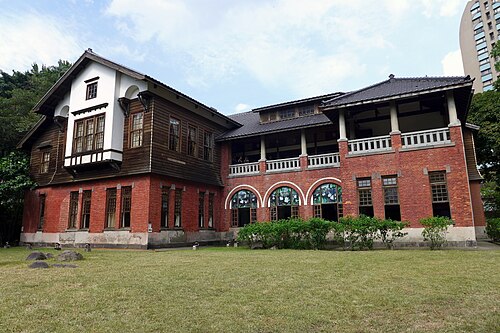
Beitou Hot Spring Museum occupies a historic bathhouse building in Taipei's renowned Beitou hot spring district. The structure represents Japanese colonial-era architecture adapted for public bathing culture.

Shilin Night Market is a renowned night market in Taipei, Taiwan, known internationally as a signature Taiwanese visitor experience. The local name is 士林夜市. It appears in Taipei's official city attraction inventory as a documented destination.

Ningxia Night Market is a traditional Taiwanese night market located in Taipei's Datong District. The local name is 寧夏夜市. It appears in the official Taipei city attraction inventory as a retained visitor destination.

Huashan 1914 Creative Park is a cultural and creative industries complex in Taipei, Taiwan. The site occupies former industrial premises originally established as a winery during the Japanese colonial period.
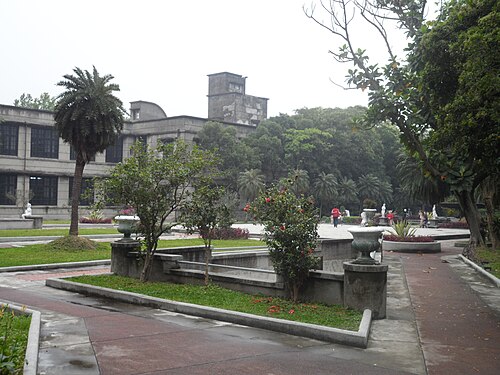
Songshan Cultural and Creative Park is a repurposed industrial site in Taipei, Taiwan. The local name is 松山文創園區. It functions as a cultural and creative hub within the city, hosting exhibitions, design events, and creative industry activities.

Taipei Fine Arts Museum is a major public art institution operated by the Taipei City Government. Located in the Zhongshan District, it serves as a principal venue for contemporary and modern art exhibitions in Taiwan.

The National Taiwan Museum, known locally as 國立臺灣博物館, stands as Taiwan's oldest museum institution. Located in Taipei, it serves as a meaningful visitor destination documented in the official city attraction inventory.
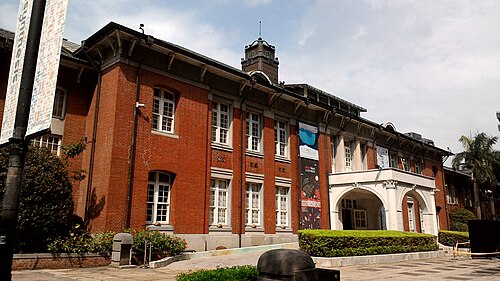
The Museum of Contemporary Art Taipei is a cultural institution dedicated to modern and contemporary art exhibitions. Housed in a historic building that once served as a school, the museum occupies a distinctive architectural presence in Taipei's urban landscape.

The Presidential Office Building in Taipei, known locally as 總統府, stands as a significant landmark in Taiwan's capital. This historic structure serves as the seat of the central government and represents an important era of architectural development.
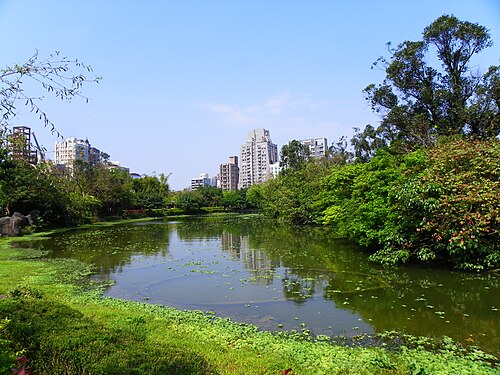
Daan Forest Park is a major urban park in Taipei's Daan District, known locally as 大安森林公園. The park serves as significant green space within the dense metropolitan environment.

228 Peace Memorial Park is a public memorial park in central Taipei, Taiwan. The site carries profound historical significance as a space dedicated to remembrance and reflection on the events of February 28, 1947.

The National Revolutionary Martyrs' Shrine is a solemn memorial complex in Taipei dedicated to those who died in service of the Republic of China. Established in 1969, it honors military personnel and civilians who perished during various conflicts.

Taipei Botanical Garden is a public botanical garden in Taipei, Taiwan, bearing the local name 臺北植物園. It functions as a green space for plant conservation, research, and public education.

Liberty Square, known locally as 自由廣場, stands as a significant public plaza in central Taipei.

The National Concert Hall, known locally as 國家音樂廳, stands as a major performing arts venue in Taipei. It forms part of the National Chiang Kai-shek Memorial Hall complex, a prominent cultural precinct in the city.

National Theater is a major performing arts venue in Taipei, located within the Chiang Kai-shek Memorial Hall complex. The local name is 國家戲劇院. It serves as a principal stage for traditional and contemporary theater, dance, and opera productions in Taiwan.
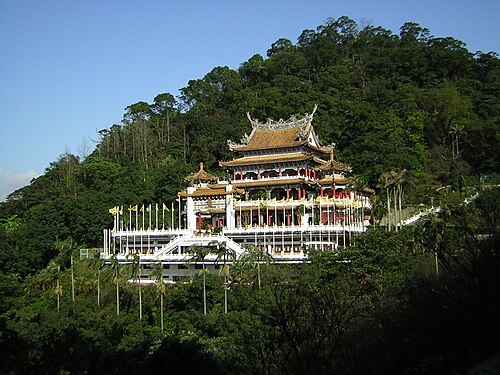
Zhinan Temple, known locally as 指南宮, stands as a significant religious site in Taipei's Wenshan District. Perched on the slopes of Zhinan Mountain, this Taoist temple complex serves as an important center of worship and pilgrimage.

Taipei Children's Amusement Park is a municipal amusement facility operated by Taipei City Government. The local name is 臺北市立兒童新樂園. It appears in the official Taipei city attraction inventory as a documented visitor destination.
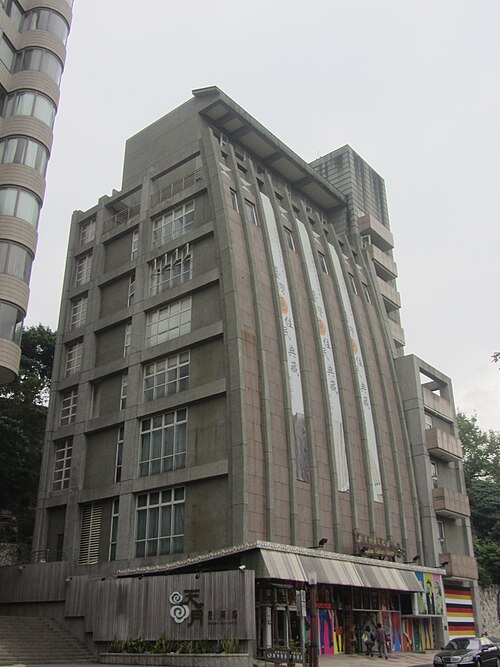
Ketagalan Culture Center, known locally as 凱達格蘭文化館, is a cultural facility in Taipei dedicated to preserving and presenting the heritage of the Ketagalan people, one of Taiwan's recognized indigenous groups.
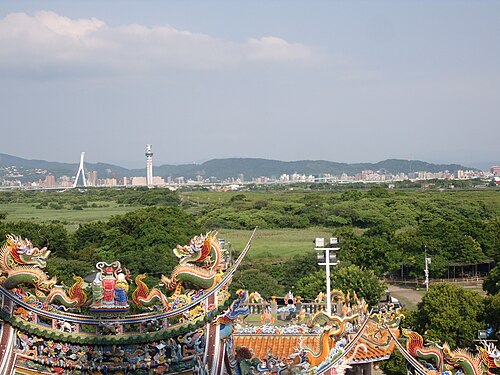
Guandu Nature Park is a protected wetland area in northern Taipei, known locally as 關渡自然公園. The park occupies a significant ecological zone where the Tamsui River meets the sea, creating a habitat of international importance for migratory birds.
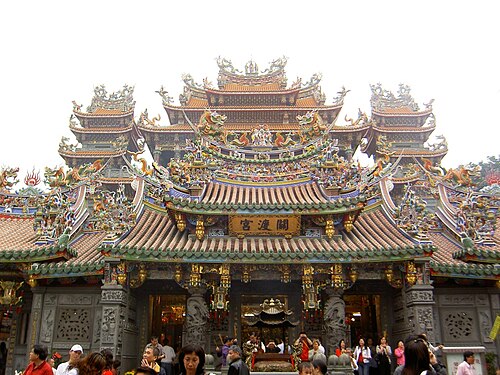
Guandu Temple, known locally as 關渡宮, stands as one of Taipei's significant religious landmarks. The temple holds established recognition within Taipei's official city attraction inventory, confirming its status as a meaningful destination for visitors exploring the capital's cultural heritage.
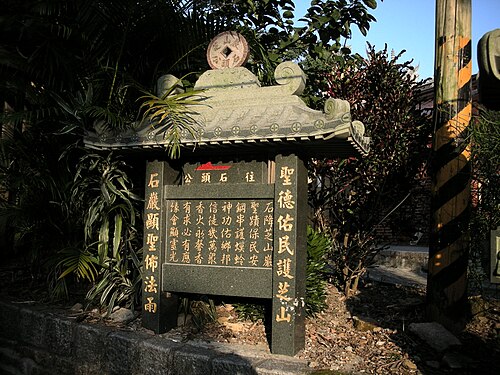
Zhishan Cultural and Ecological Garden is a Taipei city attraction listed in the official municipal visitor inventory. The site combines cultural heritage elements with ecological preservation, situated in the Zhishan area.

The Shung Ye Museum of Formosan Aborigines is a museum in Taipei dedicated to the cultures of Taiwan's indigenous peoples. Its local name is 順益台灣原住民博物館.
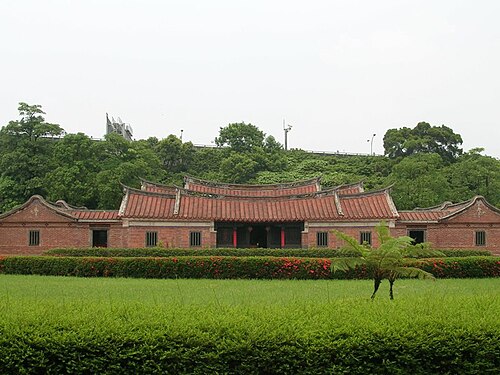
Lin An Tai Historical House and Museum is a preserved traditional Taiwanese residence relocated and reconstructed in Taipei. The building exemplifies classical Fujian-style architecture common among wealthy merchant families during the Qing dynasty period.

Taipei Story House is a historic building in Taipei, Taiwan, known locally as 台北故事館. The structure represents an example of Western-style architecture from the Japanese colonial period.
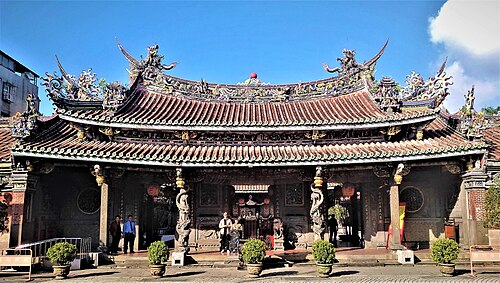
Dalongdong Baoan Temple, known locally as 大龍峒保安宮, is a historic temple in Taipei recognized in the official city attraction inventory. The temple represents a significant cultural and religious site within the Dalongdong district.
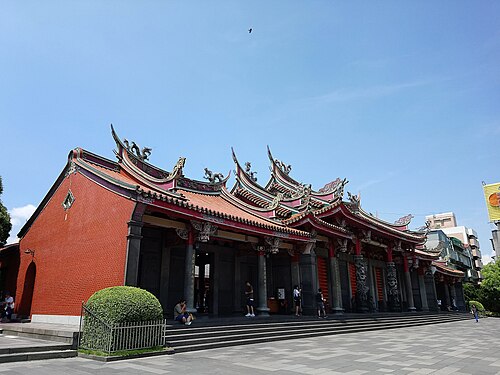
Xingtian Temple, known locally as 行天宮, is a prominent religious site in Taipei. It serves as a significant place of worship dedicated to Guan Yu, the deity of war and righteousness in Chinese folk religion.
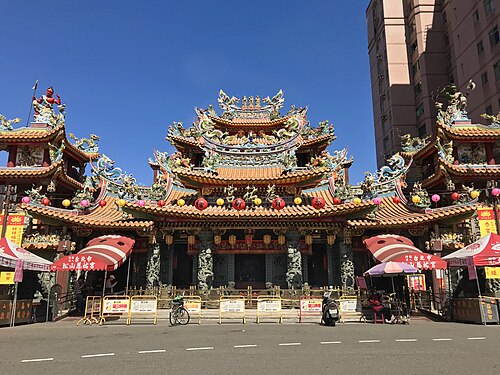
Songshan Ciyou Temple, known locally as 松山慈祐宮, is a significant religious site in Taipei's Songshan district. The temple holds established standing in the city's official attraction inventory, confirming its relevance to visitors exploring Taipei.
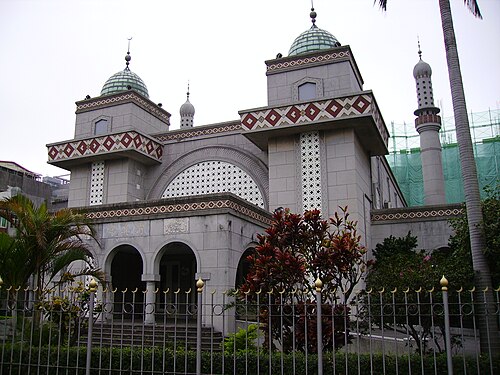
Taipei Grand Mosque is Taipei's principal Islamic house of worship and a significant cultural landmark in Taiwan's capital. Established to serve the Muslim community, it represents one of the most important Islamic institutions in the country.
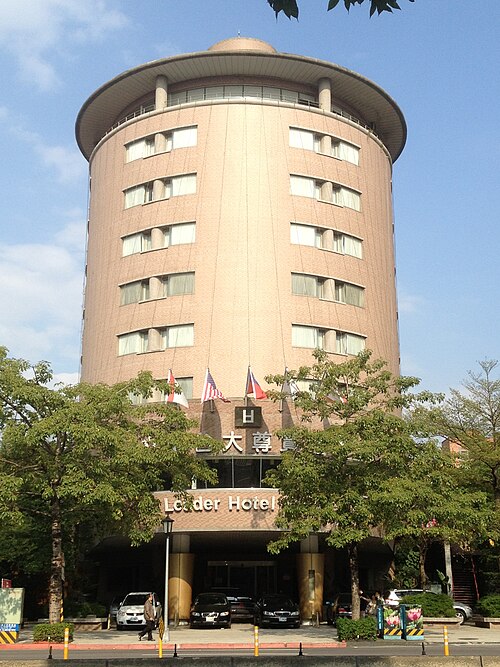
Gongguan Night Market is a visitor destination in Taipei, Taiwan, documented in the official city attraction inventory. The market operates in the Gongguan area, near National Taiwan University.
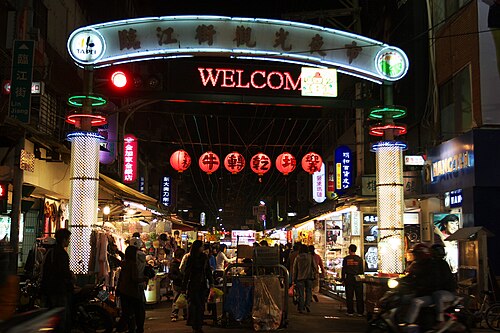
Linjiang Street Night Market is a visitor destination in Taipei, known locally as 臨江街觀光夜市. The market appears in the official city attraction inventory maintained by Taipei's tourism authorities, confirming its status as a recognized point of interest for travellers.
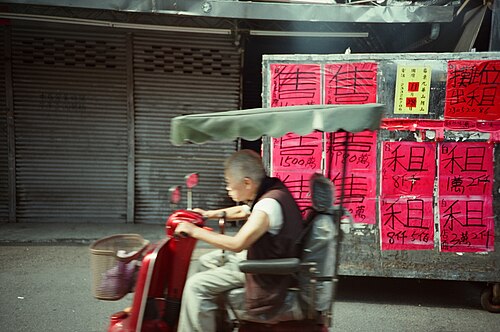
Nanjichang Night Market is a local night market in Taipei, known by its local name 南機場夜市. It appears in the official Taipei city attraction inventory as a meaningful visitor destination.
Guangzhou Street Night Market is a Taipei night market operating along Guangzhou Street in the Wanhua District. Known locally as 廣州街觀光夜市, it forms part of Taipei's extensive night market culture that draws both residents and visitors.
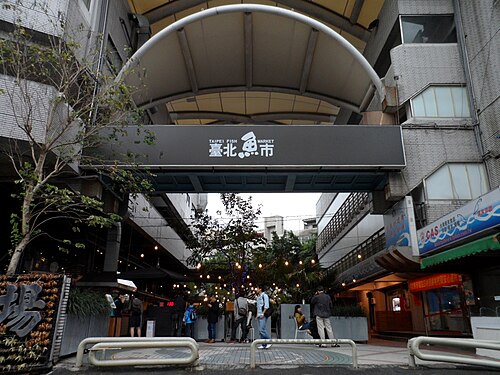
Taipei Fish Market, locally named 台北魚市, is a working fish market facility in Taipei. It functions as a wholesale and retail marketplace handling seafood distribution for the metropolitan area.

Yongkang Street is a renowned commercial and dining destination in Taipei's Da'an District, officially recognized in the city's attraction inventory. The street has developed significant visitor appeal through its concentration of local eateries, specialty shops, and neighborhood atmosphere.

Zhongshan Linear Park, known locally as 心中山線形公園, is a linear urban park in Taipei. The park follows a narrow corridor through the Zhongshan district, creating green space within a dense commercial and residential area.

The Red House, known locally as 西門紅樓, stands as a historic building in Taipei's Ximending district. Constructed during Japanese colonial rule, it served originally as a public market.

Bopiliao Historic Block is a preserved heritage area in Taipei, known locally as 剝皮寮歷史街區. The district showcases Qing dynasty and Japanese colonial-era architecture, offering visitors a tangible connection to Taipei's urban development.
Source: OpenStreetMap contributors, Wikidata ·
Group Longshan Temple, Bopiliao and Ximending on the west side, then use Taipei Main Station as the interchange for other zones. Plan Chiang Kai-shek Memorial Hall separately from the eastern Taipei 101 and Xinyi cluster. Beitou, National Palace Museum, Maokong and Yangmingshan each require a deliberate transit leg beyond the central grid.
Checked 2026-08-26
Taipei Travel identifies the MRT as the city’s most convenient public transport, with frequent services and connections to buses. Walk within each neighbourhood cluster and use rail between them. QR single-journey tickets and other accepted fare media are available, but check current operator guidance before travel. Buses or final walking sections are needed for several hillside attractions.
Checked 2026-08-26
A fixed stay length is not recorded. Build the visit around the west side, civic centre and Xinyi, then add Beitou, Maokong and Yangmingshan only when the available time supports a separate journey.
Group places by district instead of crossing the city repeatedly. Start with the west side, civic centre and Xinyi; treat Beitou, Maokong and Yangmingshan as separate routes with their own travel allowance.
Use Walking, MRT and city bus. Walk within compact clusters and consult the linked official transport information before making longer transfers or relying on a particular route.
Only within individual neighbourhood clusters. The main visitor areas are separated by distances, waterways, major roads or regional approaches, so longer links normally need public transport or a licensed vehicle.
Plan Beitou, Maokong and Yangmingshan separately from the west side, civic centre and Xinyi. Check the current route, return connection and any access requirements on the official source before departure.