
35 min walk
West Mebon
- Must see
- Place of worship
Language · 11 published
Place of worship · Siem Reap
ប្រាសាទអកយំ
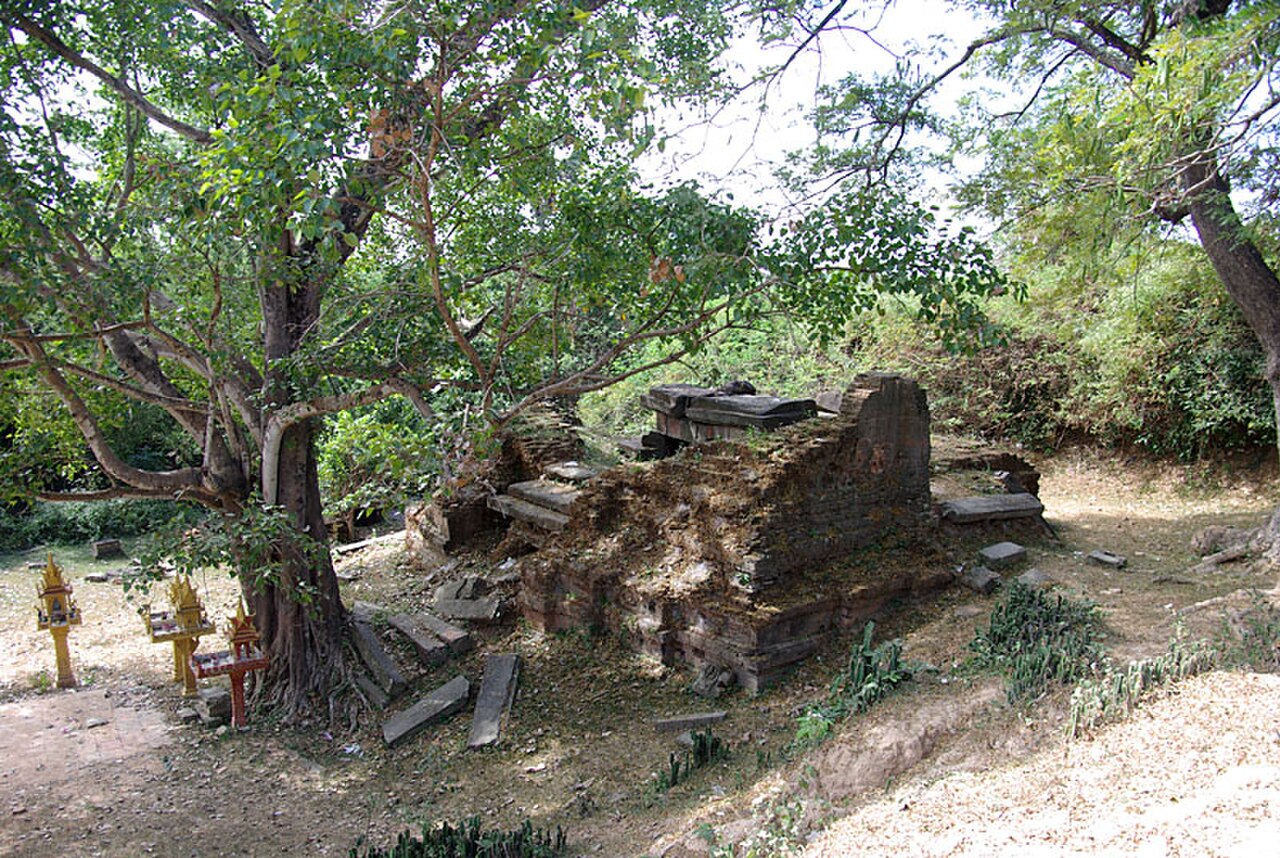
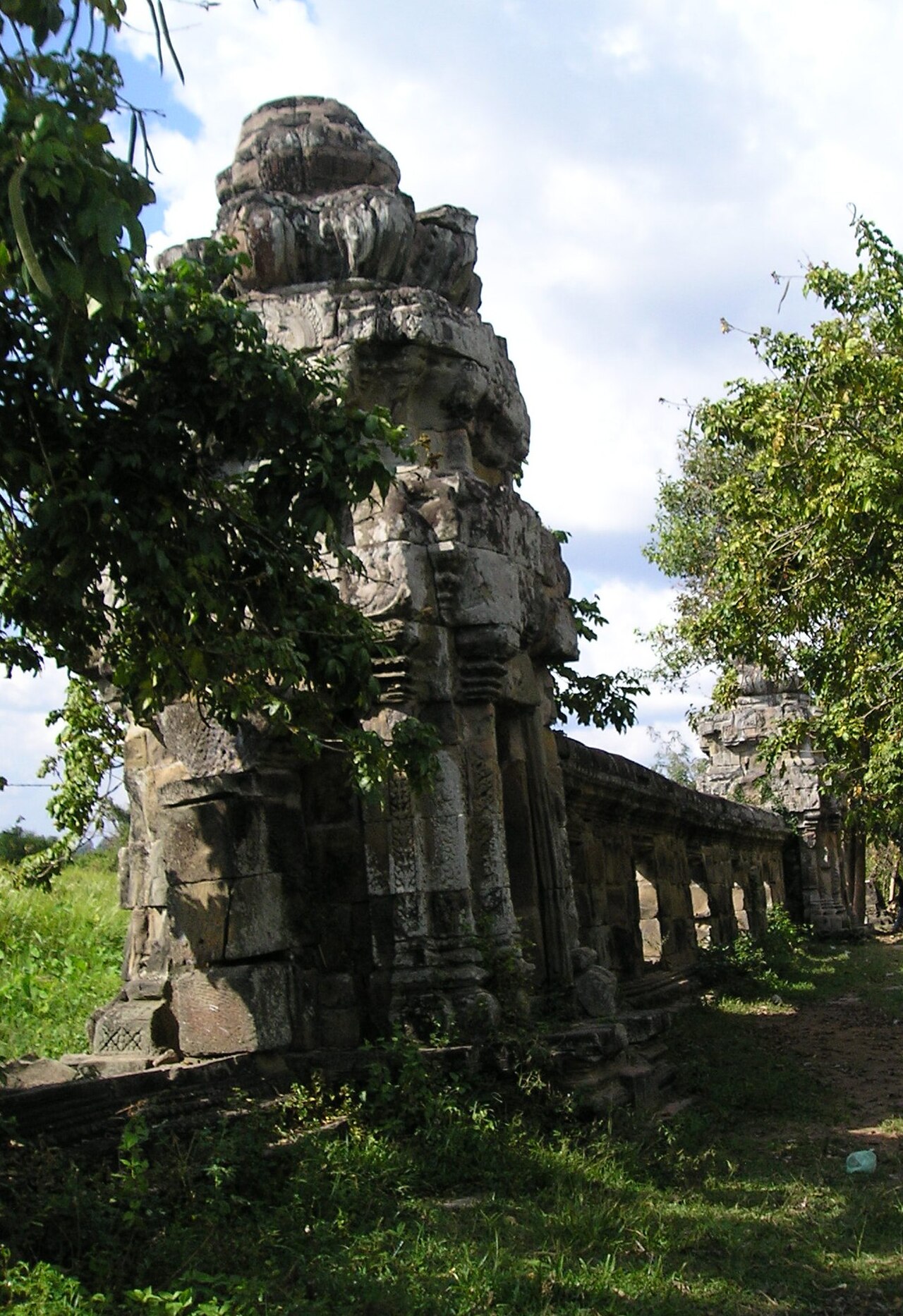
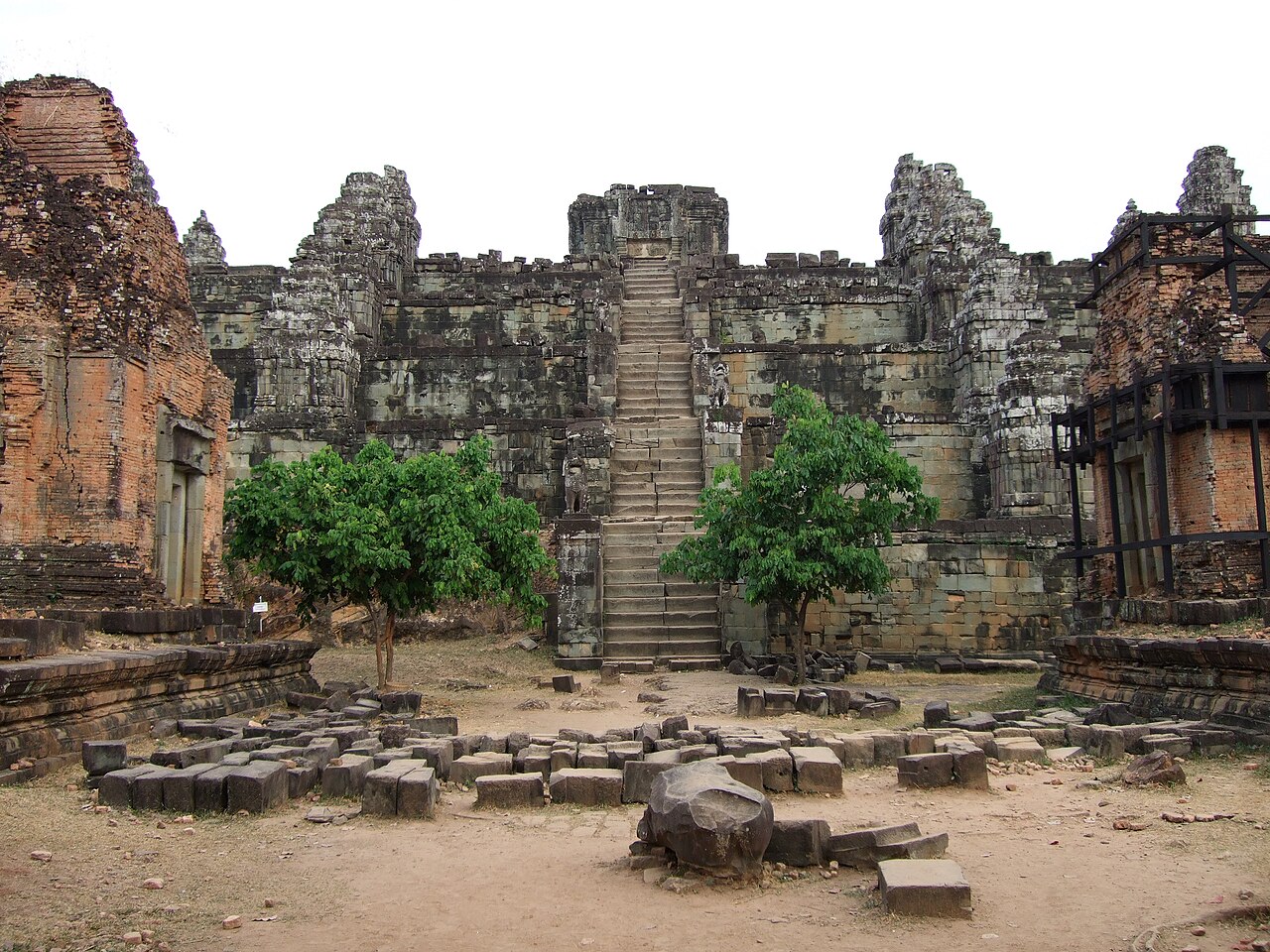
Ak Yum is an ancient temple ruin located in the Angkor archaeological region near Siem Reap, Cambodia. It represents one of the earlier temple structures in the Angkor area, predating many of the more famous monuments. The site forms part of the broader UNESCO World Heritage Site of Angkor, designated in 1992. Ak Yum holds significance for understanding the developmental phases of Khmer architecture and religious practice. The structure shows characteristics of pre-Angkorian and early Angkorian building traditions. Visitors interested in the evolution of temple design will find Ak Yum noteworthy as a comparative site alongside later, more elaborate constructions in the region.
Checked 2026-08-26
The remains at Ak Yum consist of ruined brick and stone structures that indicate the temple's original layout and construction methods. Early architectural features include stepped pyramid elements and sanctuary chambers typical of transitional Khmer design. Decorative carvings and inscriptions may survive in fragmentary condition. The site lacks the extensive preservation seen at major temples like Angkor Wat or Bayon. Vegetation intergrowth with masonry is evident throughout. Visitors should expect an atmospheric ruin rather than a restored monument. The structural remnants provide archaeological evidence of building techniques from the period. No interior chambers remain fully intact or accessible in their original form.
Checked 2026-08-26
A visit to Ak Yum requires relatively brief time compared to major Angkor temples. Most visitors allocate approximately thirty minutes to one hour for exploration and observation. The compact nature of the ruins limits extensive wandering. Those with strong interest in early Khmer architecture may extend their stay for detailed examination of construction features. Ak Yum often serves as a supplementary stop within a broader Angkor touring itinerary rather than a primary destination. Visitors typically combine this site with other nearby locations. Photography and contemplative observation constitute the main activities. No guided tour infrastructure is specifically dedicated to this location.
Checked 2026-08-26
Cambodia's dry season from November to April generally offers more favorable conditions for outdoor archaeological exploration, with reduced rainfall and lower humidity. The wet season brings verdant surroundings but also muddy conditions and intermittent downpours that may impede access to less maintained sites. Morning hours typically provide cooler temperatures and softer light for observation. Visitors should verify current access conditions locally, as unstaffed minor sites may lack regulated opening times. Seasonal flooding occasionally affects low-lying areas within the Angkor complex. Advance planning with local guidance remains advisable for optimal visiting conditions. Check the operator's own site for the travel date before relying on a schedule or fare.
Checked 2026-08-26
Access to Ak Yum falls under the broader Angkor Archaeological Park admission system. The standard park pass covers entry to this and other temples within the designated zone. Multi-day passes are commonly purchased for comprehensive Angkor exploration. International visitors should anticipate foreigner rates significantly above any local pricing structures. Passes are typically obtained at official park entry points rather than individual sites. No separate ticket booth exists at Ak Yum itself. Visitors must carry valid park documentation as spot checks occur throughout the archaeological zone. Payment methods and exact fee structures should be confirmed through official channels before arrival. Check the operator's own site for the travel date before relying on a schedule or fare.
Checked 2026-08-26
Ak Yum sits within the Angkor Archaeological Park, accessible from Siem Reap town by motor vehicle, bicycle, or tuk-tuk. The journey requires navigating park roads that connect various temple locations. Many visitors reach the site as part of organized touring circuits or with hired private drivers familiar with lesser-visited locations. Signage to minor temples like Ak Yum may be limited compared to major attractions. Self-navigating visitors should carry adequate maps or GPS capability. Road conditions vary, with some routes becoming challenging during wet weather. The site lacks dedicated parking infrastructure. Local guides or experienced drivers provide the most reliable access method for first-time visitors.
Checked 2026-08-26
The ruinous condition of Ak Yum presents physical hazards including unstable masonry, uneven ground surfaces, and concealed voids. Visitors should exercise caution when approaching or climbing any remaining structures. Vegetation growth may obscure drop-offs or unstable edges. No safety barriers or warning signage are consistently present. Wildlife including snakes and insects inhabit the overgrown areas. Limited or no emergency services reach remote minor sites promptly. Visitors should carry water, as no vendors operate at this location. Sun exposure is substantial with minimal shade coverage. Appropriate footwear with good traction is essential. Solo exploration of deteriorated structures is inadvisable without assessing stability carefully.
Checked 2026-08-26
Ak Yum offers photographic subjects centered on atmospheric ruin aesthetics rather than grand architectural compositions. Early morning and late afternoon provide the most favorable natural lighting for capturing textures of weathered brick and stone. The site's relatively untouristed character allows unhurried photography without crowds. Wide-angle lenses accommodate the spatial constraints of the ruin layout. Detail shots of construction techniques and vegetation-stone interactions yield compelling images. Tripod use should respect site integrity and not stress fragile structures. Drone operation would require verification of current regulations within the Angkor protected zone. No artificial lighting or flash restrictions are documented, though considerate practice preserves the experience for others.
Checked 2026-08-26
Ak Yum is not a major priority for most visitors with limited time. It serves better as a supplementary site for those with extended stays or specific interest in early Khmer architectural development.
Dedicated guides specifically for Ak Yum are not commonly available. Visitors typically rely on general Angkor guides or self-guided exploration with reference materials.
Climbing on deteriorated structures is inadvisable due to instability and safety risks. The ruinous condition presents hazards without guaranteed structural integrity.
Standard tour packages typically focus on major temples. Ak Yum appears less frequently in standard itineraries and usually requires specific request or independent arrangement.
No dedicated facilities exist at this minor site. Visitors should prepare accordingly before arrival and carry necessary supplies.
As a ruinous archaeological site, active religious practice is not prominently evident. The temple originally served Hindu religious functions in the Khmer tradition.
Loading the interactive map…
The interactive map could not be loaded.
Last updated:
Source: OpenStreetMap contributors, Wikidata ·