


10 min walk
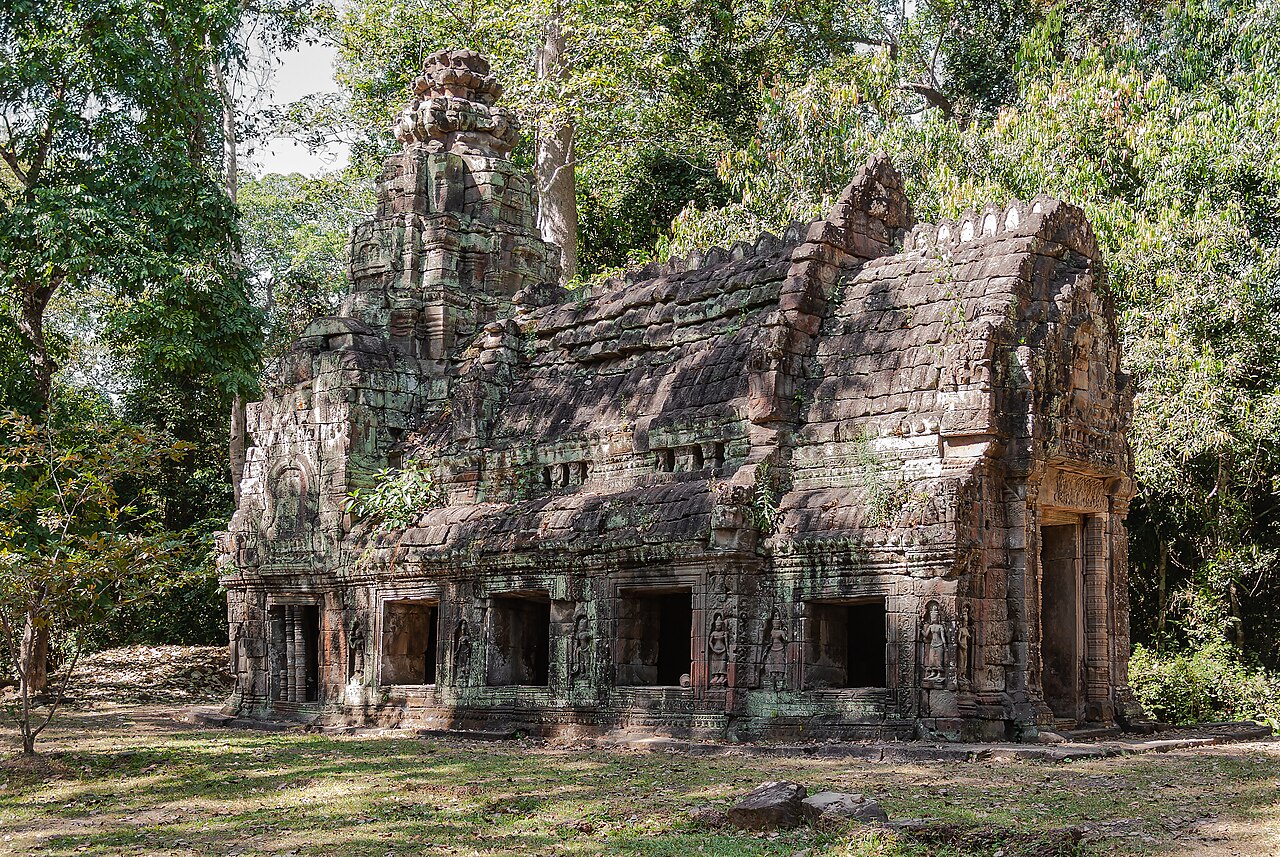
Dharmasala (House of Fire), Preah Khan
- High
- Historic monument
Language · 11 published
Activity · Siem Reap
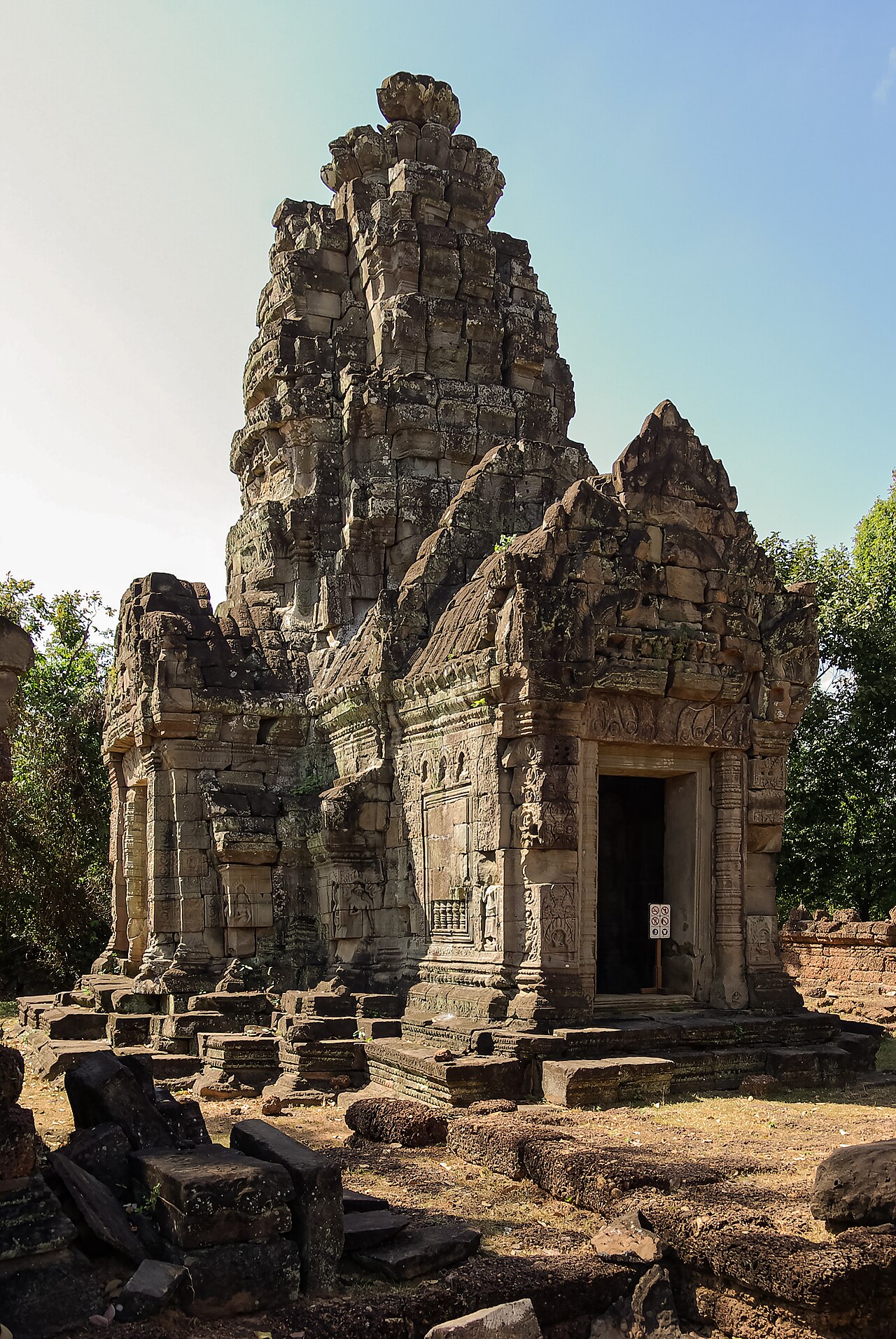
Prasat Prei is a small Angkor-period temple ruin located within the Angkor Archaeological Park near Siem Reap, Cambodia. The temple forms part of the broader UNESCO World Heritage Site designated in 1992. Its name translates roughly to "Jungle Temple," reflecting its heavily overgrown condition. The structure represents a minor but authentic example of Khmer religious architecture, offering visitors a glimpse of how many Angkor monuments appeared before extensive clearing and restoration efforts transformed more famous sites in the region.
Checked 2026-08-26
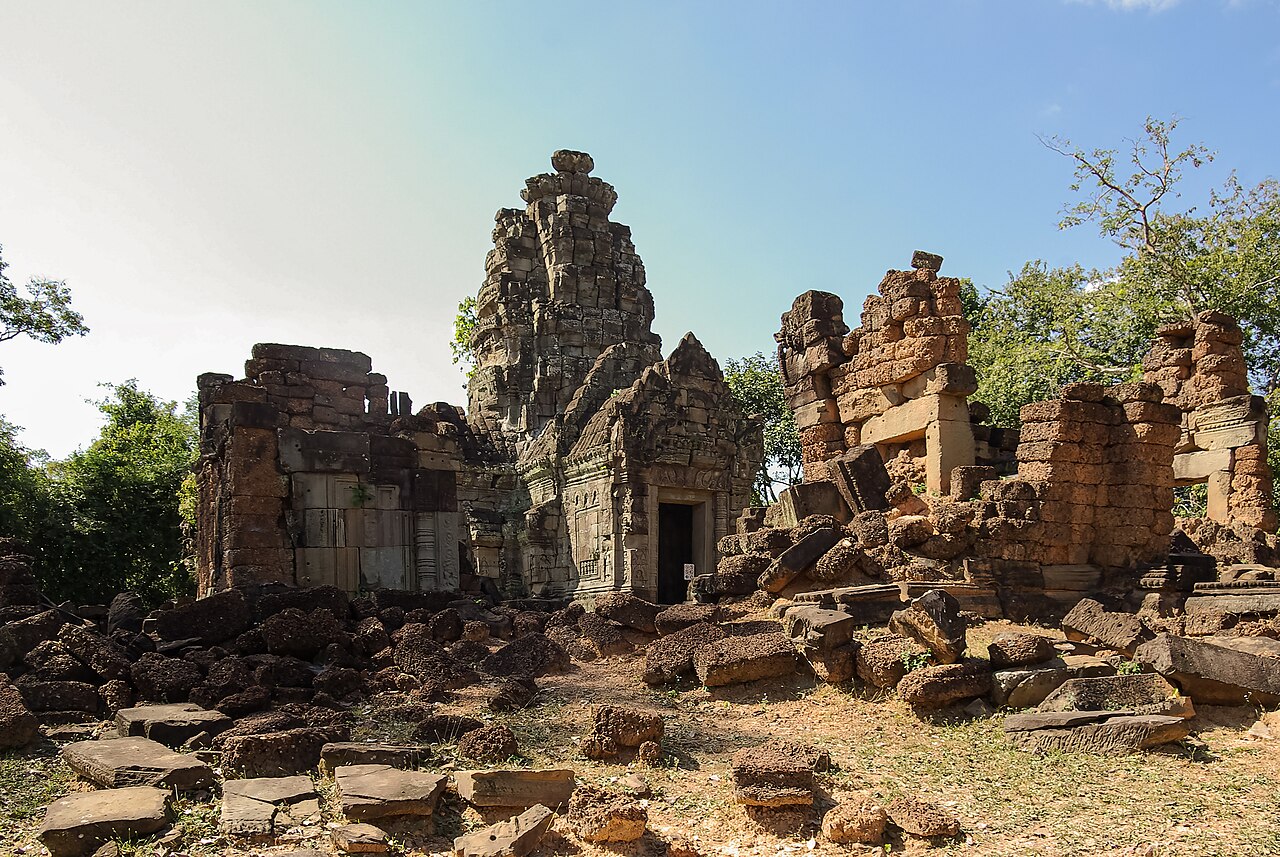
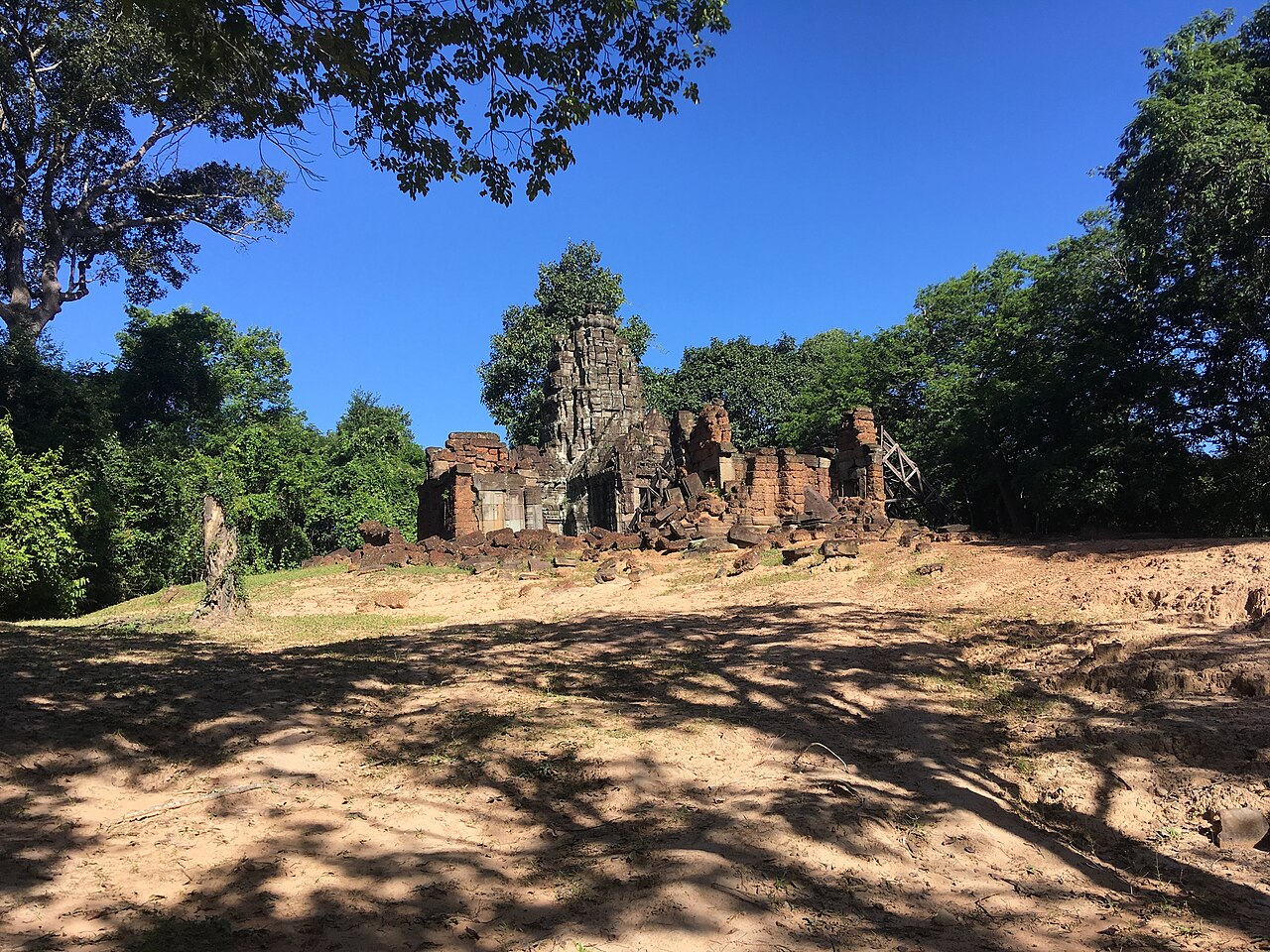
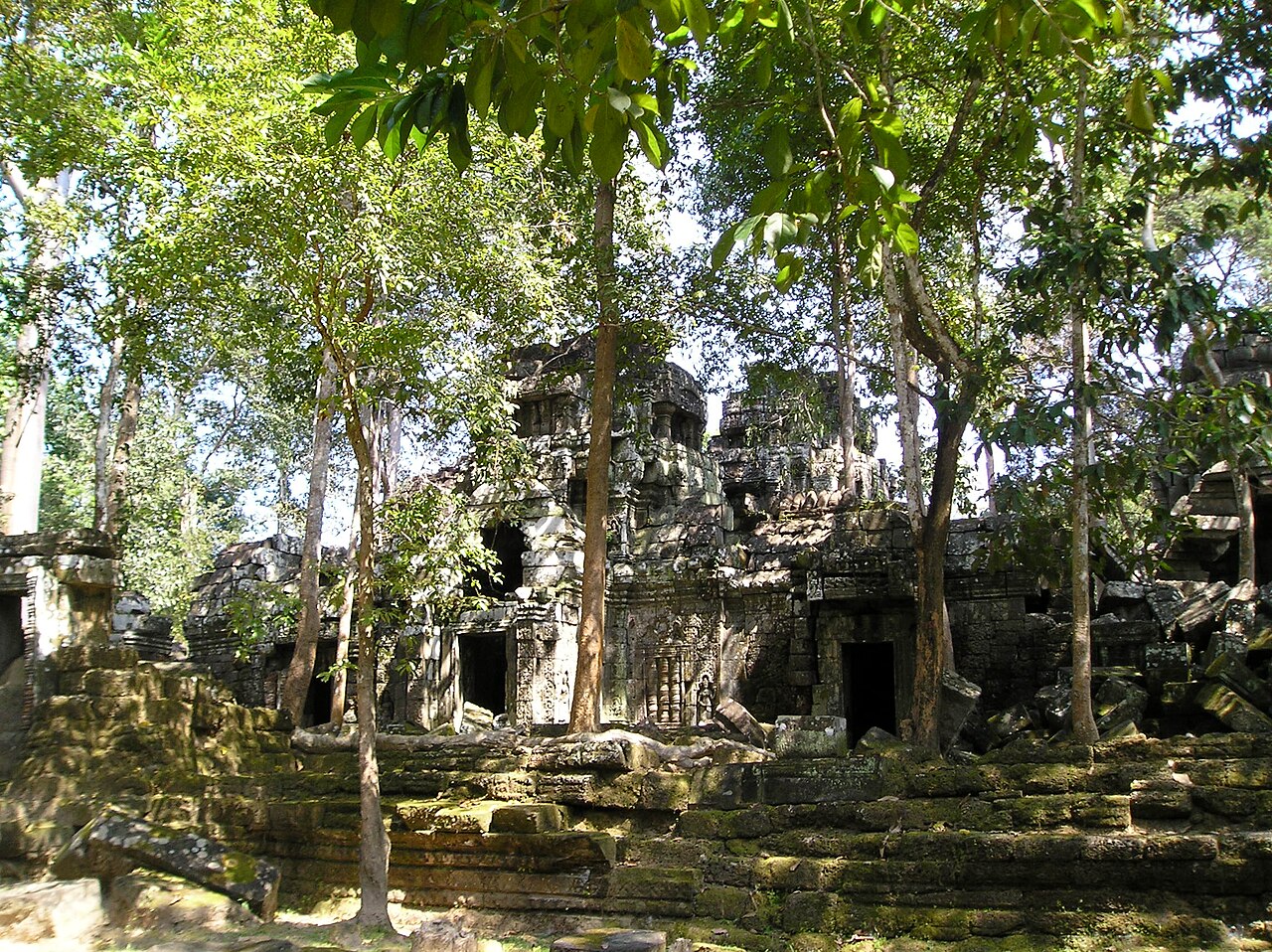
The temple consists of a compact arrangement of laterite towers and enclosures in a state of partial collapse. Vegetation has extensively penetrated the masonry, with tree roots threading through walls and lintels. Decorative carvings, where preserved, display typical Khmer motifs including floral patterns and deity figures. The central sanctuary is modest in scale compared to major monuments. Visitors should expect minimal maintained pathways and no interpretive signage on site. The atmospheric decay and forest reclamation constitute the primary visual and experiential features rather than architectural grandeur or detailed artistic programs.
Checked 2026-08-26
A visit to Prasat Prei requires approximately fifteen to thirty minutes for most visitors. The compact footprint permits circumnavigation and brief interior exploration without extended commitment. Those with particular interest in vegetation-architecture interaction or photographic documentation may allocate slightly longer. The temple rarely sustains visitor attention beyond this duration given its limited structural complexity and absence of ancillary features. It functions most effectively as a brief stop within a broader itinerary through the Angkor Archaeological Park rather than as a standalone destination warranting dedicated travel time from Siem Reap town.
Checked 2026-08-26
Dry season months from November to March generally offer more manageable conditions for exploring overgrown temple sites, though specific seasonal advantages for this particular monument are not documented. Morning and late afternoon hours provide softer light for observation and photography. Visitors should verify current access regulations with Angkor Archaeological Park authorities, as management policies for secondary monuments periodically change. The absence of infrastructure means no shelter from rain or sun; accordingly, weather-appropriate planning is essential regardless of intended visit timing. Check the operator's own site for the travel date before relying on a schedule or fare.
Checked 2026-08-26
Access to Prasat Prei is governed by the Angkor Archaeological Park admission system. Visitors must possess valid park passes, typically purchased at official ticket centers near Siem Reap. Specific pass categories and durations vary. The temple itself imposes no separate entrance fee beyond the general park admission. Passes are subject to inspection at checkpoint locations throughout the archaeological zone. Visitors should confirm current fee structures and pass validity periods directly with official park administration prior to travel, as pricing frameworks have undergone modifications in recent years. Check the operator's own site for the travel date before relying on a schedule or fare.
Checked 2026-08-26
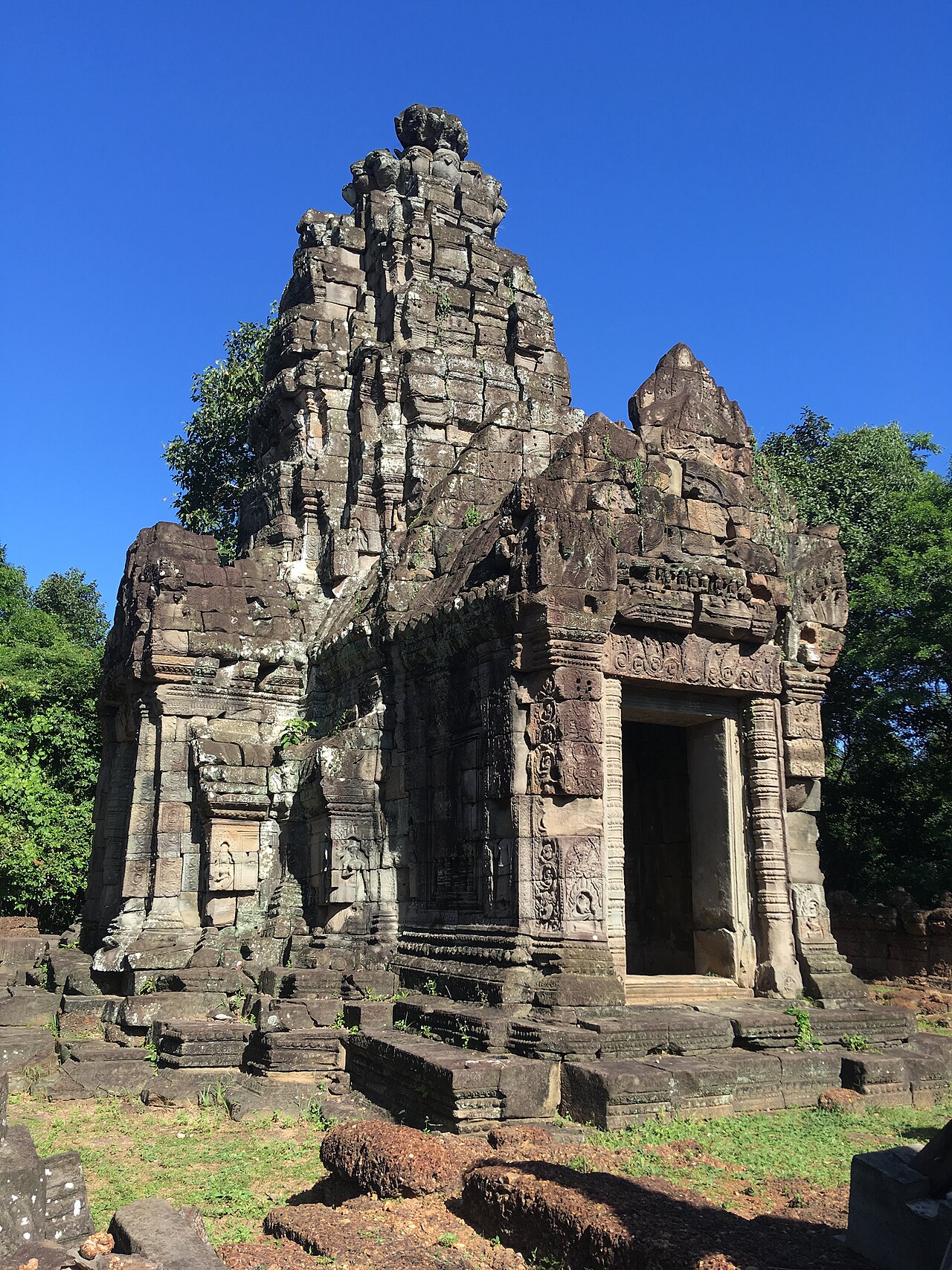
Prasat Prei is situated within the Angkor Archaeological Park, accessible via the network of unpaved and semi-maintained roads connecting secondary monuments. Transportation options include hired tuk-tuk, motorbike taxi, rental bicycle, or private vehicle with driver. The temple lacks dedicated parking infrastructure. Navigation to this specific minor site presents challenges given limited signage and its obscured position amid forest. Most visitors reach it as part of guided or self-directed circuits through lesser-visited park areas. GPS coordinates or detailed maps are advisable. Road conditions deteriorate during wet season, potentially restricting access.
Checked 2026-08-26
Structural instability presents the primary safety concern; visitors should avoid climbing on deteriorated walls or towers. Loose masonry and concealed voids beneath vegetation create trip hazards. Ant nests, spiders, and snakes inhabit the overgrown environment; appropriate footwear covering ankles is strongly recommended. No emergency services or communication infrastructure exists at this remote minor site. Sun exposure and dehydration risk are significant given absent shade and water sources. Visitors should carry adequate supplies and inform others of intended itinerary. Solo exploration of secondary Angkor monuments carries inherent risks that cautious visitors should weigh against potential rewards.
Checked 2026-08-26
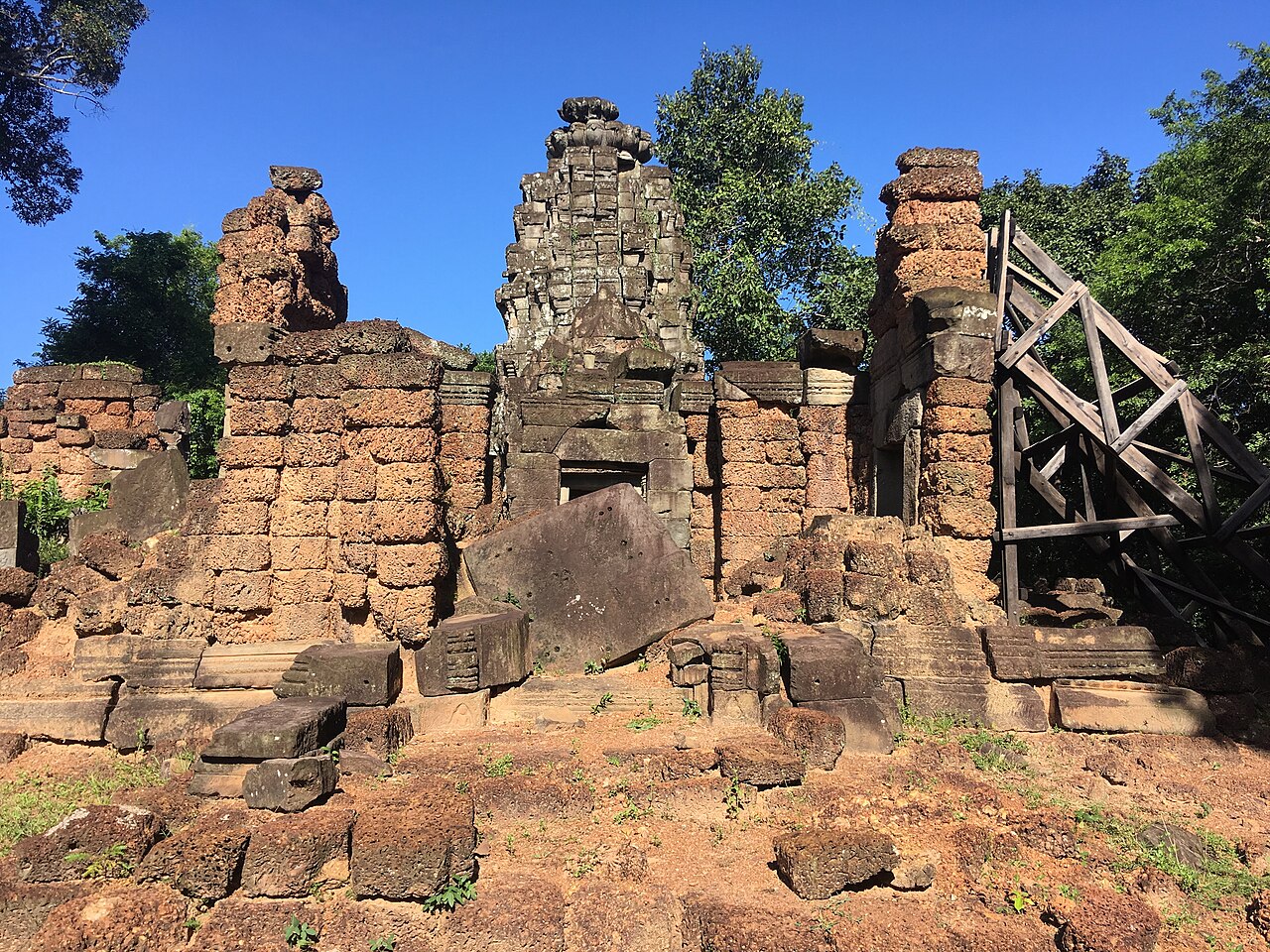
The vegetation-engulfed ruins offer distinctive photographic subjects emphasizing decay and natural reclamation rather than architectural documentation. Dappled forest light creates challenging exposure conditions; bracketing or RAW capture formats are advisable. Tripod use may prove impractical given uneven terrain and confined spaces. The absence of crowds permits unhurried composition, though persistent insects and humidity test equipment resilience. Wide-angle lenses capture enclosure atmosphere; macro capabilities document botanical details and stonework textures. Golden hour timing enhances atmospheric quality. No artificial lighting or flash restrictions are documented, though considerate practice preserves conditions for subsequent visitors and protects light-sensitive biological communities.
Checked 2026-08-26
No. It is a minor, heavily overgrown ruin within the archaeological park, lacking the scale, restoration, and visitor infrastructure of major monuments such as Angkor Wat or Bayon.
No. The temple lies within the Angkor Archaeological Park, requiring valid park admission. Passes are checked at various points throughout the protected zone.
Caution is warranted. Uneven ground, unstable masonry, trip hazards, and absence of facilities or emergency access make this site less suitable for those with mobility limitations or young children requiring stable environments.
No on-site guides are stationed at this minor monument. Visitors may arrange guided tours through Siem Reap agencies or explore independently with adequate preparation and navigation aids.
Extensive restoration has not been documented. The temple remains in a state of natural overgrowth and partial ruin, contrasting with heavily conserved major sites in the park.
Sturdy footwear, water, sun protection, insect repellent, and navigation aids. No services exist at the site, so self-sufficiency is essential for even brief visits.
Loading the interactive map…
The interactive map could not be loaded.

Last updated:
Source: OpenStreetMap contributors, Wikidata ·