


12 min walk
Ta Keo
- Must see
- Historic monument
Language · 11 published
Historic monument · Siem Reap
ប្រាសាទតានៃ
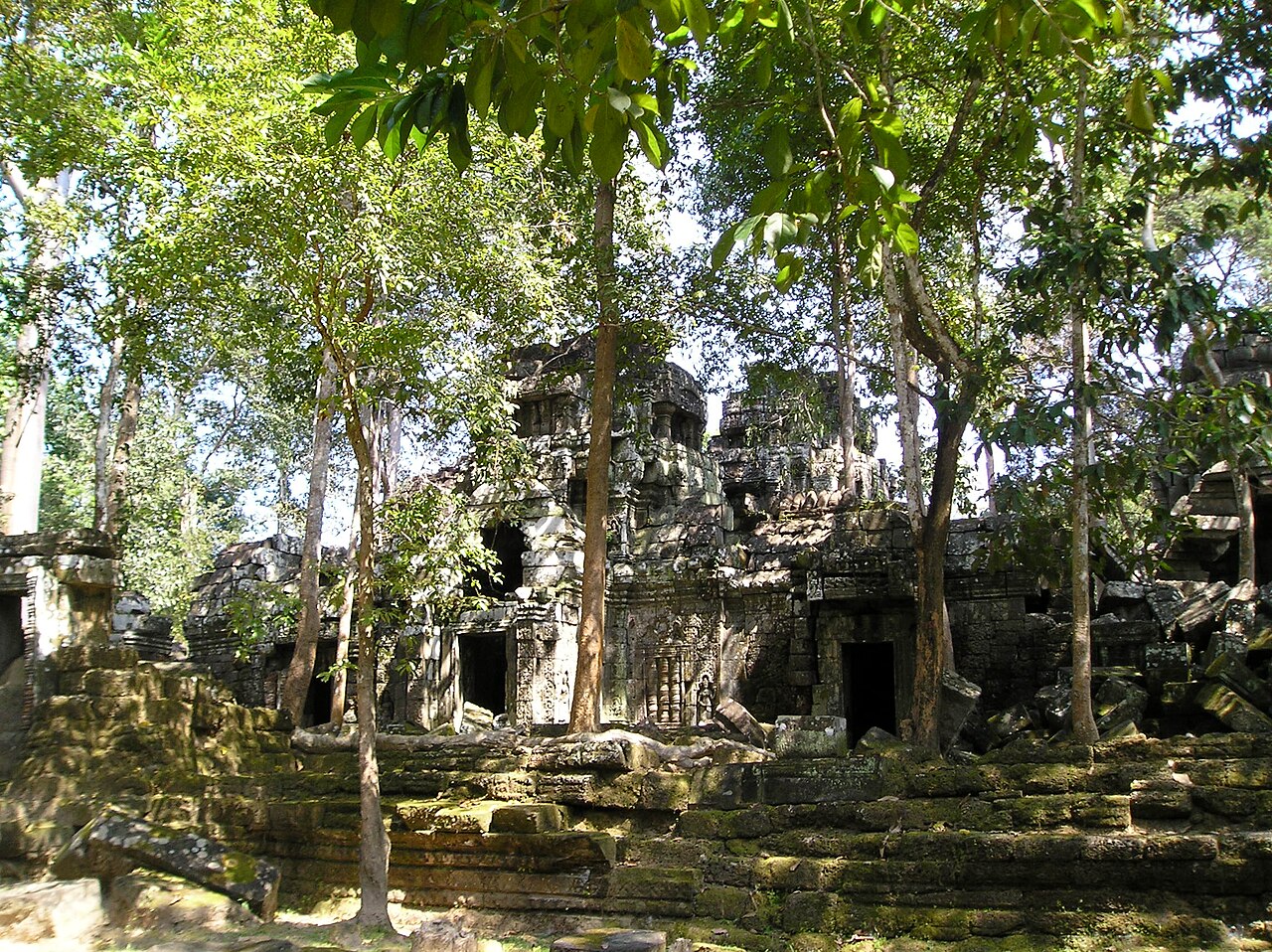
Ta Nei is a lesser-known Angkorian temple situated within the Angkor Archaeological Park near Siem Reap, Cambodia. Constructed during the reign of King Jayavarman VII in the late 12th or early 13th century, this Buddhist sanctuary exemplifies the Bayon architectural style characteristic of that period. Unlike more heavily restored monuments in the park, Ta Nei remains largely unrestored, with significant portions reclaimed by jungle vegetation. The temple occupies a relatively compact footprint compared to grander complexes. Its obscurity relative to famous neighbors makes it a destination for visitors seeking quieter archaeological experiences away from concentrated tourist flows.
Checked 2026-08-26
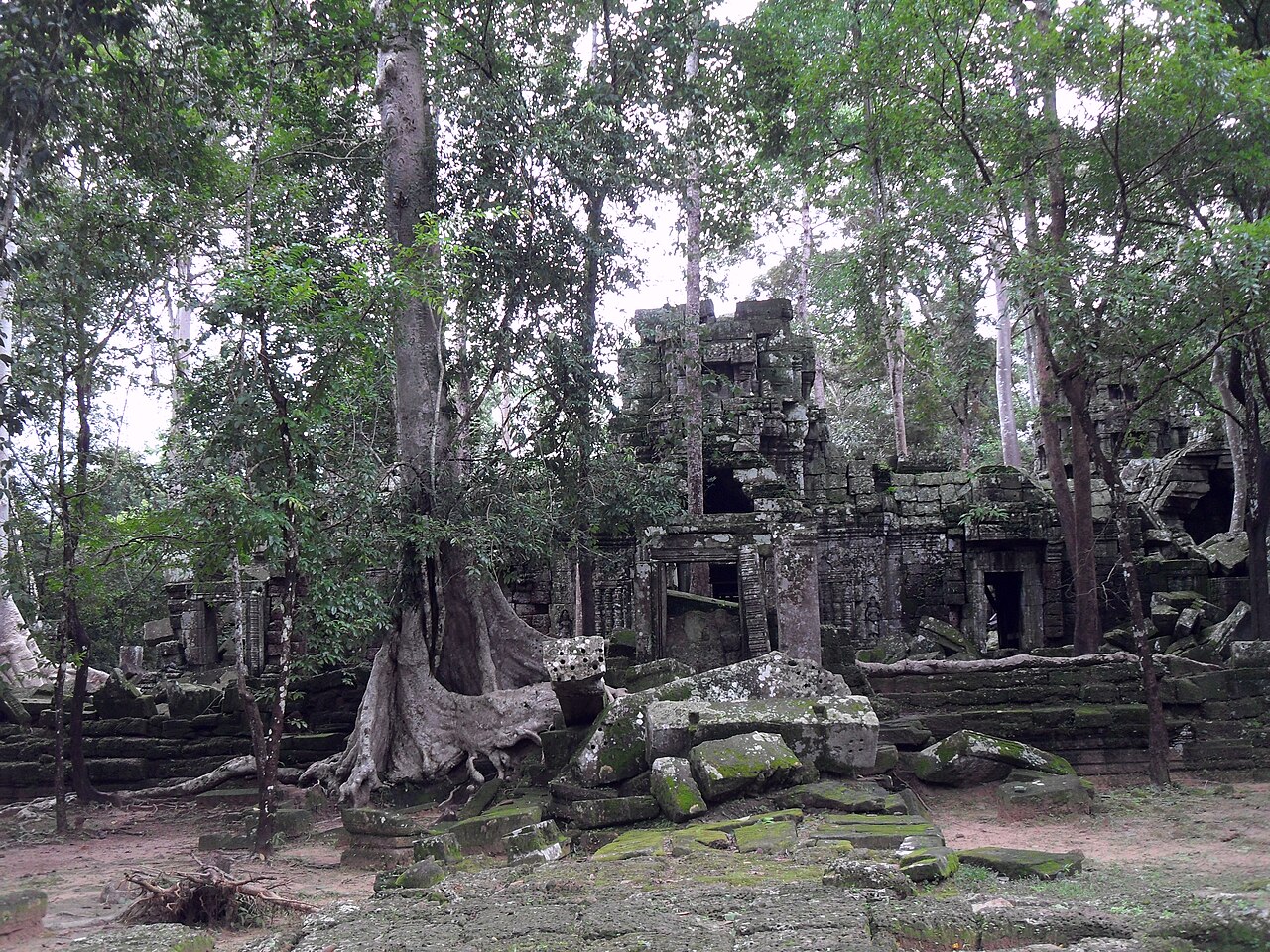
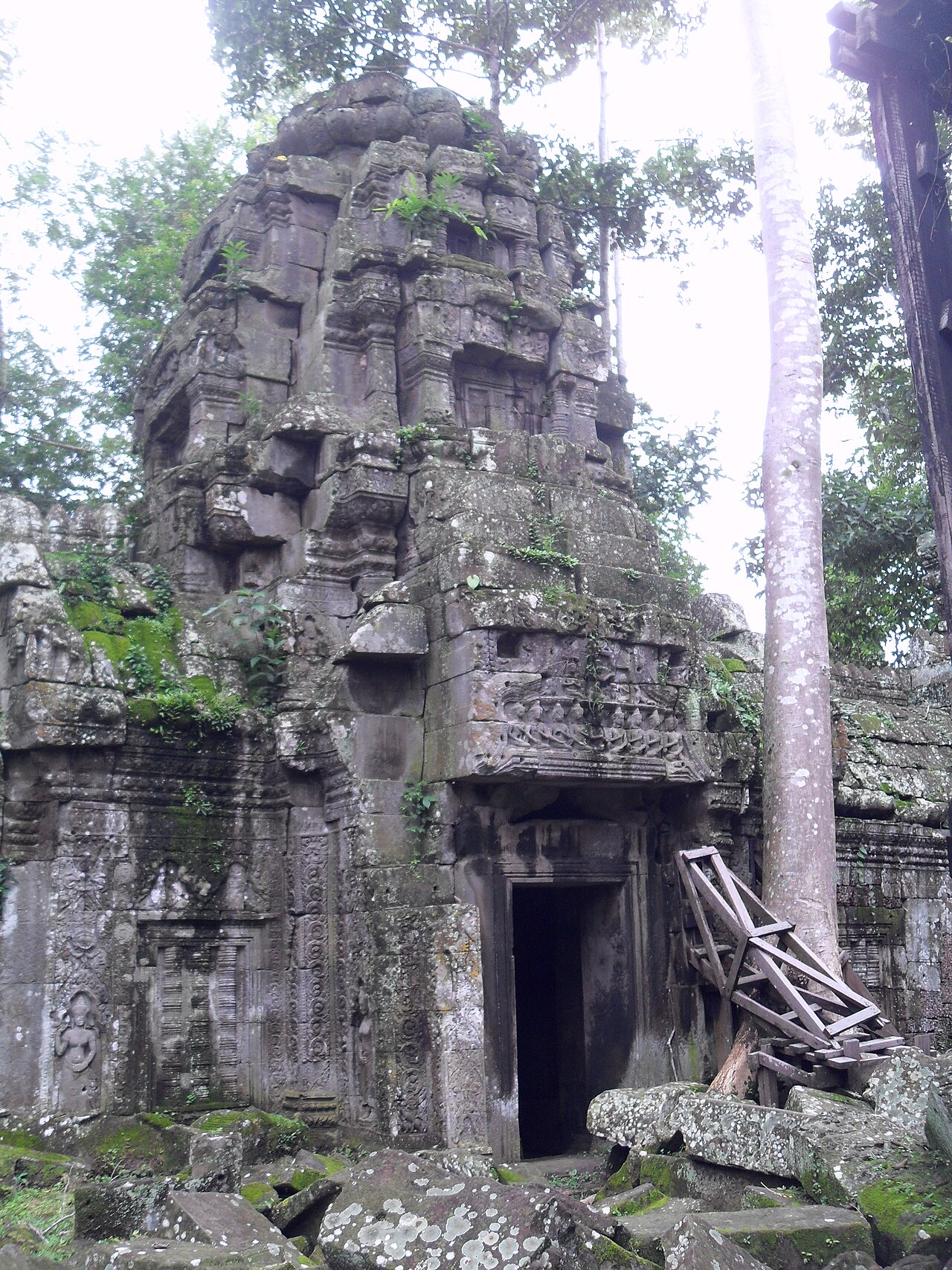
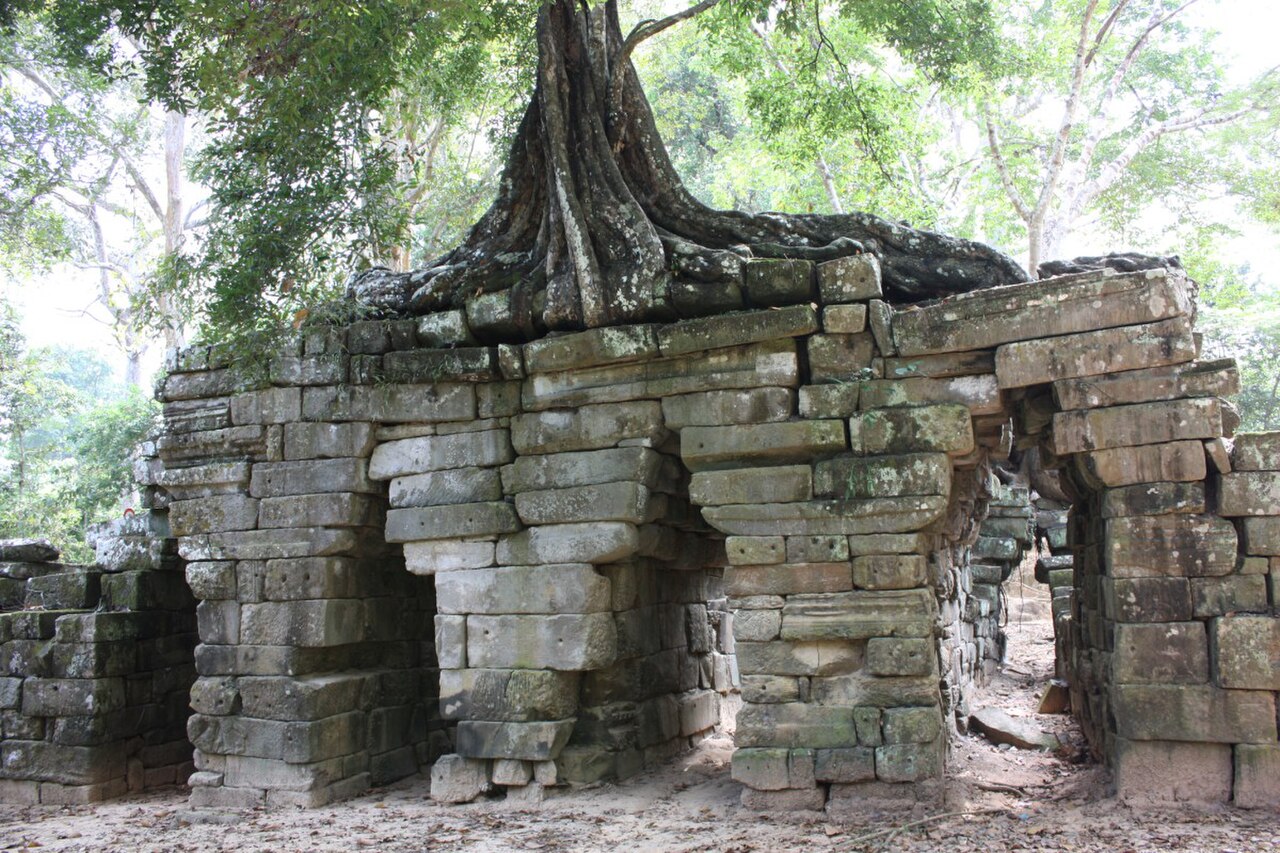
The temple complex features a central sanctuary tower constructed from sandstone, surrounded by enclosing walls and galleried structures that have partially collapsed. Intricate bas-relief carvings depicting Buddhist iconography and mythological scenes adorn surviving wall sections, though many have weathered substantially. Moss and lichen colonization has softened architectural edges over centuries. Fallen masonry blocks scatter the forest floor, creating an atmospheric scene of gradual ruination. The central prang retains sufficient structural integrity to convey original design intent. Vegetation penetration through wall joints and roof apertures demonstrates ongoing natural reclamation processes affecting unconsolidated archaeological sites throughout the region.
Checked 2026-08-26

Visitors typically allocate between thirty minutes and one hour for exploring Ta Nei, depending on individual interest in architectural photography and atmospheric appreciation. The compact site dimensions permit comprehensive circumambulation without extended walking distances. Those combining this temple with other peripheral Angkor locations may adjust duration accordingly. The absence of interpretive signage or guided infrastructure means self-directed observation constitutes the primary activity. Photography enthusiasts often extend visits to capture changing light conditions filtering through surrounding canopy. Physical demands remain modest, with no significant elevation changes or challenging terrain beyond uneven ground surfaces and scattered debris requiring careful foot placement.
Checked 2026-08-26
Optimal visiting conditions coincide with Cambodia's dry season months, generally November through February, when reduced rainfall minimizes muddy conditions and dense humidity. Morning hours typically offer marginally cooler temperatures and softer directional light for visual appreciation. The surrounding tree canopy provides partial shade throughout daylight hours, offering slight mitigation during hotter periods. Visitors should verify current accessibility status before travel, as management policies for secondary Angkor sites undergo periodic revision. Monsoon season visits remain possible but present increased challenges regarding ground conditions and leech presence in surrounding vegetation. Check the operator's own site for the travel date before relying on a schedule or fare.
Checked 2026-08-26
Access to Ta Nei requires valid Angkor Archaeological Park admission, obtainable at official ticketing facilities. The temple itself imposes no separate entrance fee beyond this park pass. Visitors should consult official Angkor Enterprise channels for current fee structures and purchasing procedures. Passes are non-transferable and subject to photographic identification requirements. Revenue generated supports conservation activities throughout the UNESCO World Heritage site. Secondary temples like Ta Nei receive proportionally limited maintenance investment compared to flagship monuments, reflecting visitation distribution and resource allocation priorities. Check the operator's own site for the travel date before relying on a schedule or fare.
Checked 2026-08-26
Ta Nei occupies a relatively remote position within the archaeological park, accessible via unpaved roads branching from main circulation routes connecting more prominent temples. Motorized transport arrangements through Siem Reap operators represent the most reliable access method, though specific routing requires clear communication with drivers unfamiliar with this secondary destination. Bicycle travel from central park areas presents an option for physically prepared visitors, with journey duration dependent on departure point and pace. The absence of dedicated signage along approach routes necessitates navigation assistance. Visitors should confirm driver willingness to reach this specific location, as standard itineraries frequently exclude peripheral monuments.
Checked 2026-08-26
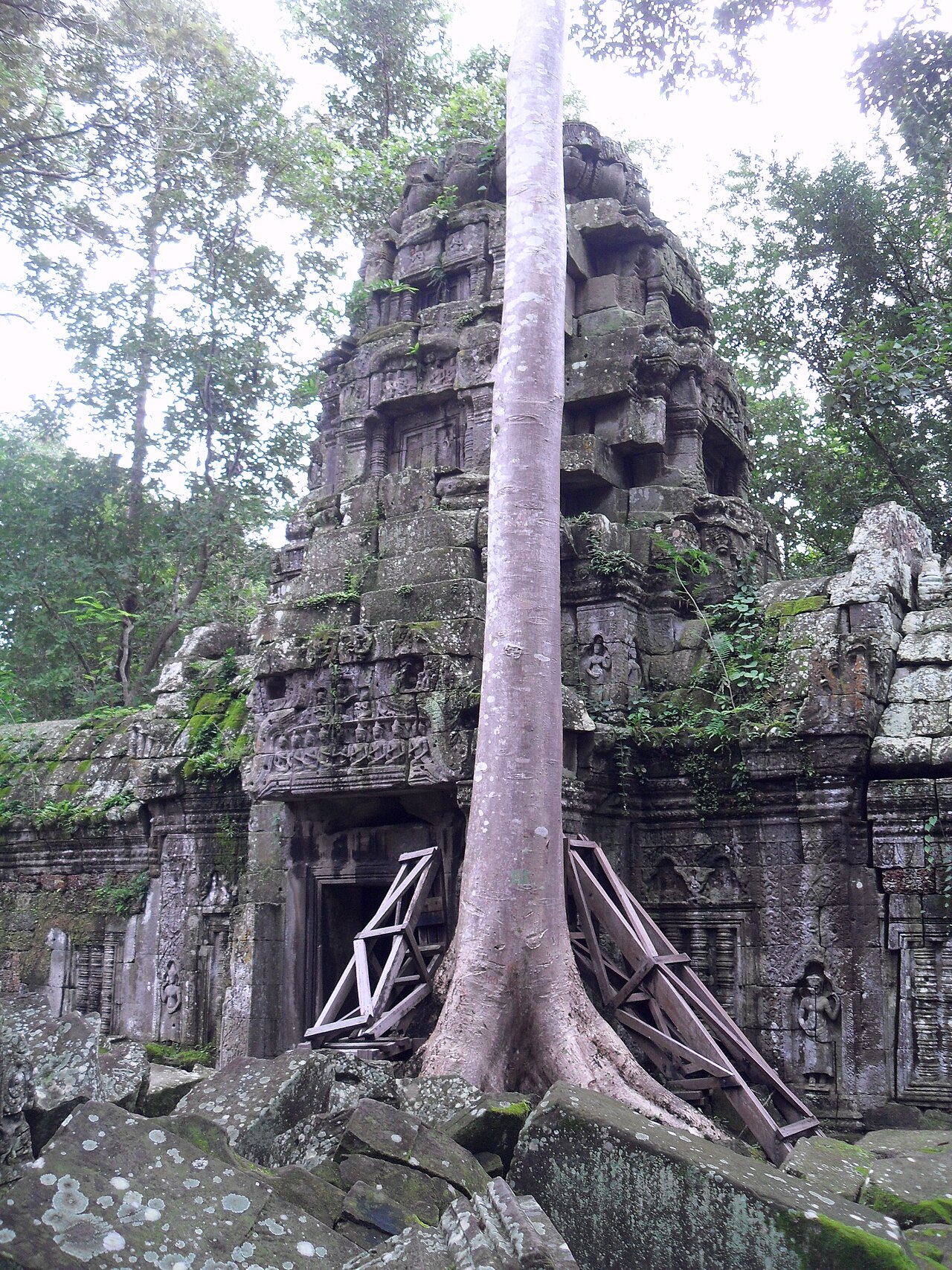
Structural instability throughout the complex necessitates cautious movement and avoidance of climbing on deteriorated masonry. Loose stones and concealed voids beneath leaf litter present trip hazards requiring attentive walking. Forest wildlife including snakes and insects inhabit the surrounding vegetation; appropriate footwear and situational awareness reduce encounter risks. No emergency services or communication infrastructure operate in immediate proximity. Solo visitors should inform others of intended itinerary. Water and sun protection provisions remain essential given limited shelter availability. The isolated setting increases vulnerability to opportunistic security concerns compared with heavily trafficked monuments. Visitors should assess personal comfort with remote archaeological environments.
Checked 2026-08-26
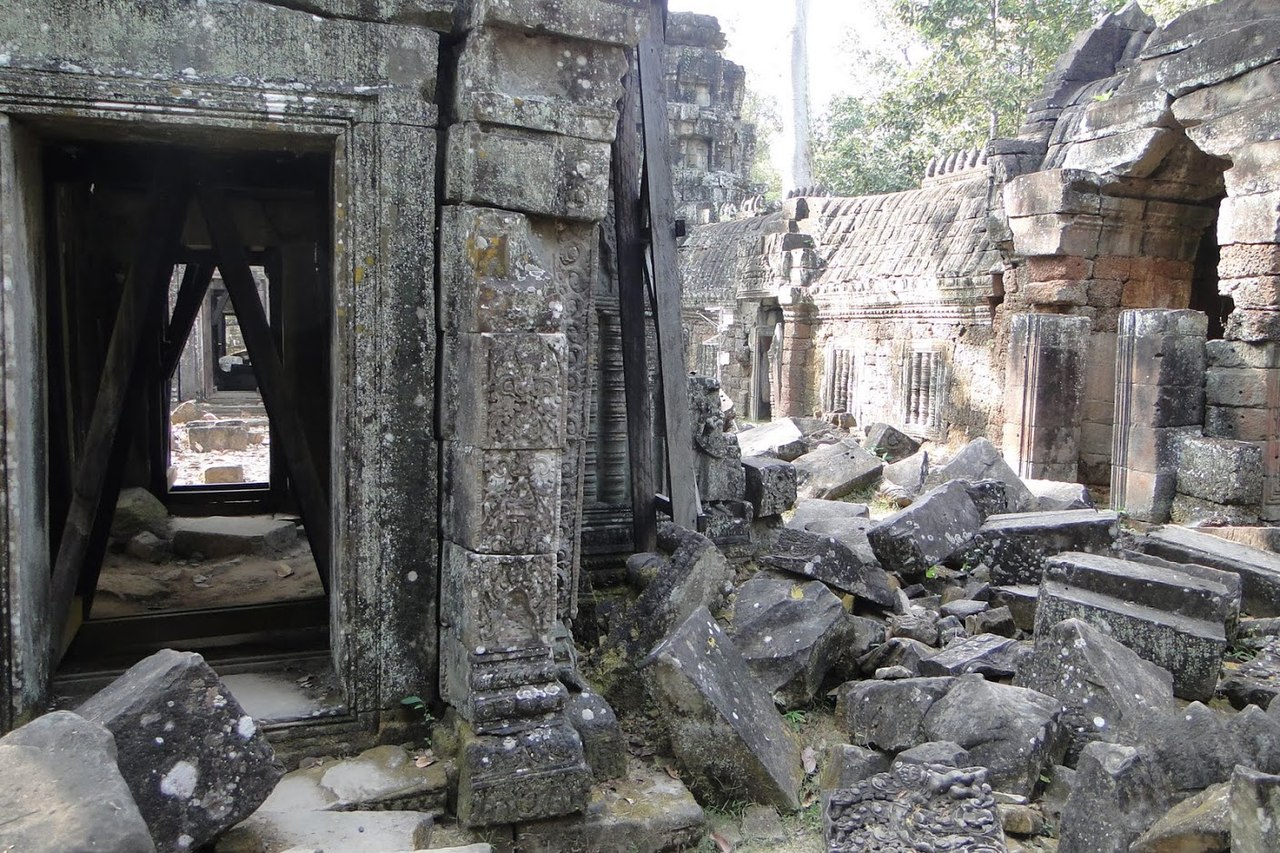
The unrestored condition and jungle encroachment create distinctive photographic subjects emphasizing romantic decay narratives. Morning and late afternoon light penetrating canopy gaps produces dramatic illumination effects on weathered stone surfaces. Wide-angle lenses accommodate spatial constraints within partially collapsed chambers. Tripod usage may prove challenging on uneven substrates. The absence of crowd concentrations enables unhurried composition without temporal pressure. Macro opportunities abound in botanical colonization details. Visitors should exercise care when positioning equipment near unstable structures. No artificial lighting restrictions are documented, though flash usage diminishes atmospheric qualities. Drone operation falls under Cambodian aviation regulations and park management policies requiring advance verification.
Checked 2026-08-26
The uneven ground, scattered debris, and absence of paved pathways present significant challenges for mobility-impaired visitors. Wheelchair access is effectively impractical.
Dedicated on-site guides are not stationed at this secondary temple. Visitors typically rely on self-directed exploration or private guides arranged through Siem Reap operators.
Both temples exhibit jungle reclamation, though Ta Prohm receives extensive conservation attention and visitor infrastructure. Ta Nei offers substantially reduced visitation and minimal intervention.
No permanent facilities operate at this remote location. Visitors should plan accordingly before departure from developed park areas.
Independent access is possible with arranged transportation and valid park admission, though navigation challenges and remote positioning complicate unassisted visits.
The temple remains largely unrestored within the broader Angkor World Heritage conservation framework, reflecting resource prioritization toward higher-visibility monuments.
Loading the interactive map…
The interactive map could not be loaded.

Last updated:
Source: OpenStreetMap contributors, Wikidata ·