
.png)


1 min walk
Malindi Mosque
- Must see
- Place of worship
Language · 11 published
Historic monument · Zanzibar City
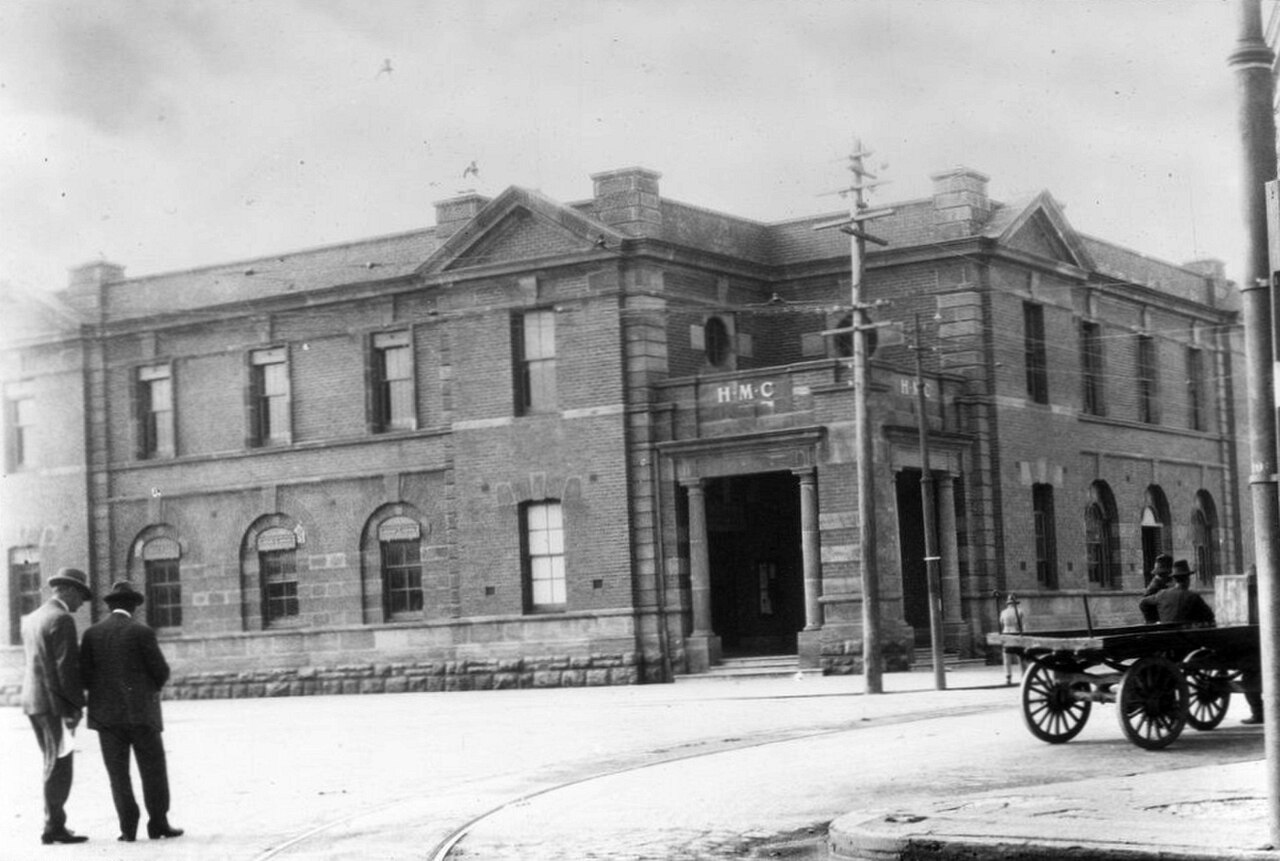
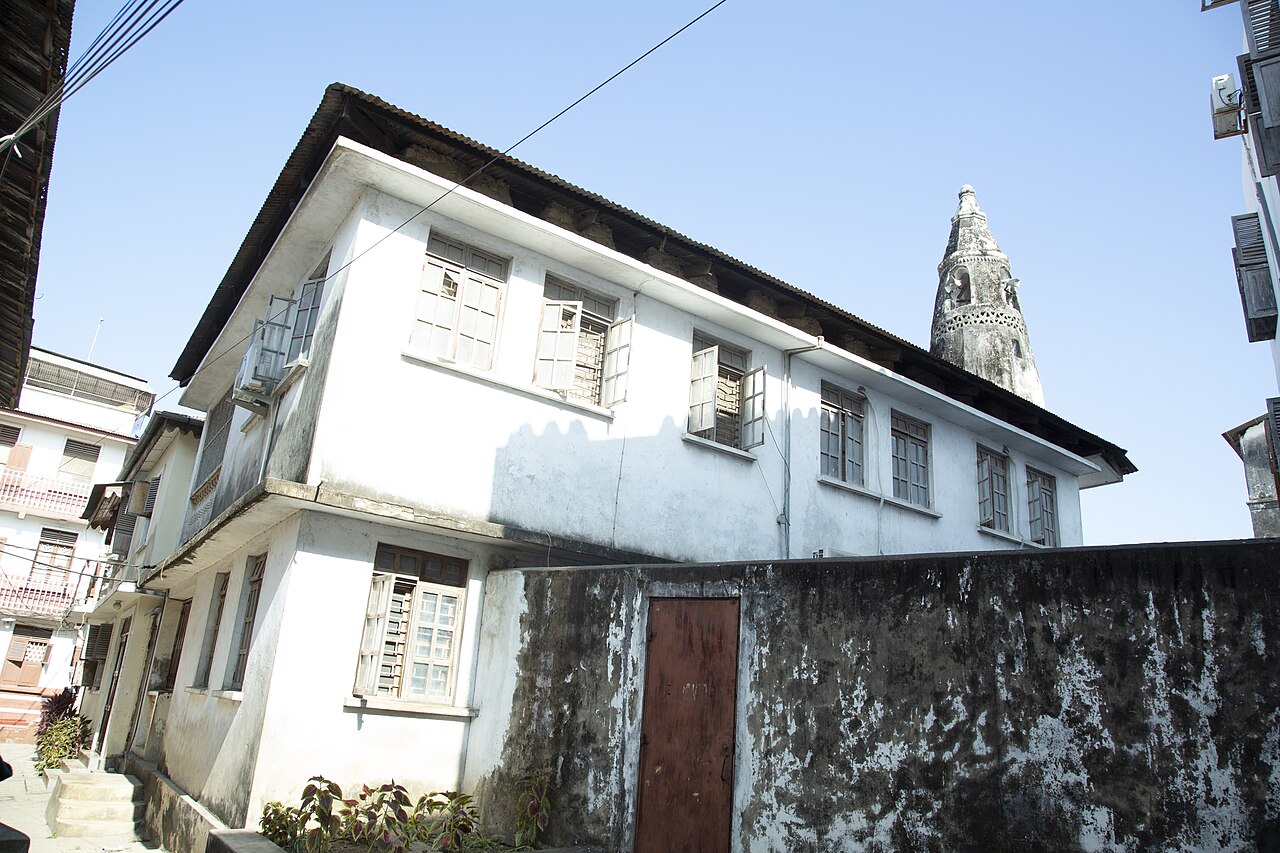
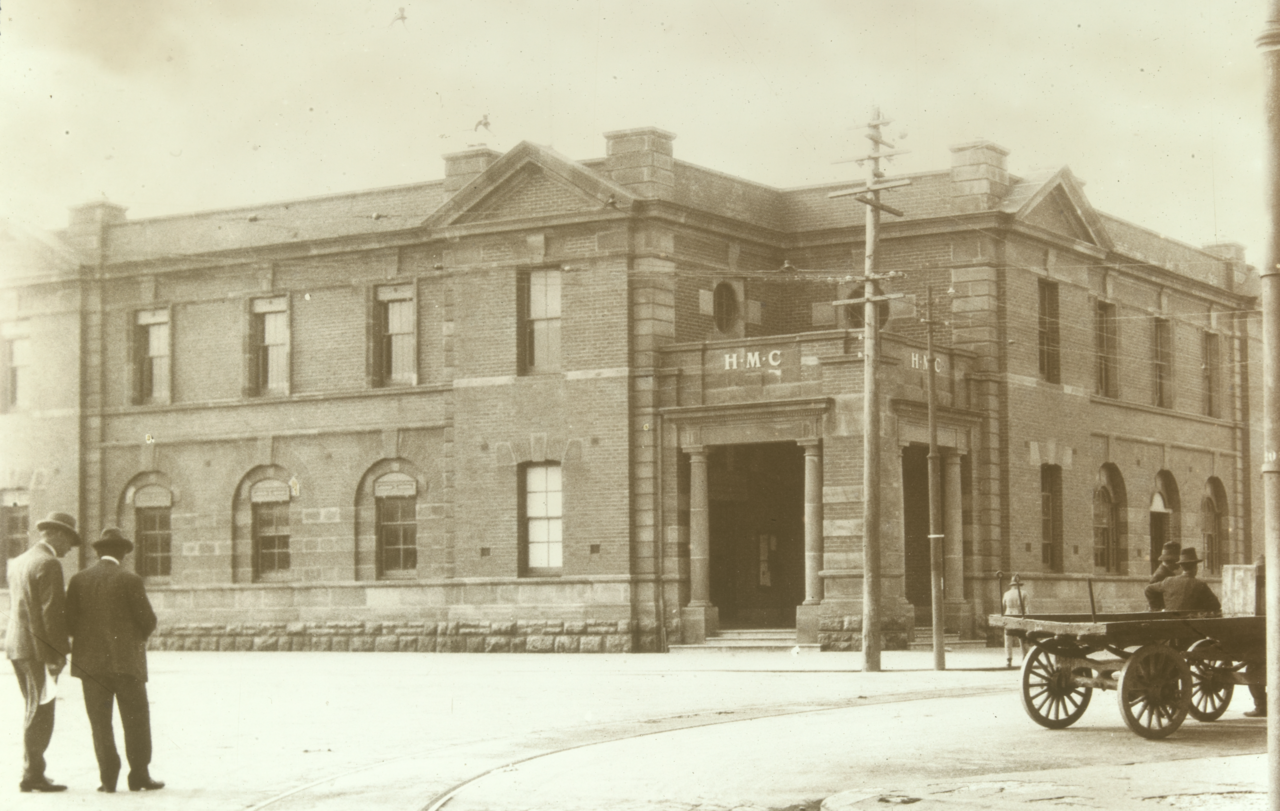
Old Customs House, known locally as Forodha ya Zamani, stands on the harbourfront of Stone Town in Zanzibar City. Its history is tied to the period when Stone Town served as a commercial gateway between inland Africa and the Indian Ocean. Customs work connected the building with the inspection and regulation of goods arriving by dhow and other vessels. The structure therefore offers a useful lens on Zanzibar’s maritime economy and the trading networks that shaped the city. Its waterfront position makes the relationship between architecture, commerce and the sea especially easy to understand.
Checked 2026-08-26 · Source
The strongest part of the Old Customs House experience is the connection between the historic building and Stone Town’s harbourfront. The property was associated with customs administration, where officials dealt with goods entering a busy Indian Ocean port. Travellers should read the building through that function and through its exterior relationship with the water, dhows and waterfront movement. A visit is not primarily about a conventional museum collection. Instead, it helps make the city’s commercial past tangible by placing a former customs facility beside the maritime setting that gave it purpose.
Checked 2026-08-26 · Source
Allow fifteen to thirty minutes for an exterior visit, including time to appreciate the building’s harbourfront position and architectural character. The Old Customs House works best as one point in a longer Stone Town route linking the seafront with markets, historic buildings and other cultural landmarks. Travellers interested in maritime history may pause longer to consider how customs administration fitted into the movement of goods between Africa and the Indian Ocean. Keep the stop proportionate to what can be experienced from the public urban setting and leave time to explore the waterfront itself.
Checked 2026-08-26 · Source
Morning and late afternoon are comfortable periods for walking along Stone Town’s waterfront, with softer light also bringing out the building’s relationship with the sea. The exterior forms part of the public harbourfront setting, so it fits naturally into a daylight walking route. Zanzibar remains hot and humid through much of the year, while rainy seasons can make paving and waterfront surfaces less comfortable. Plan pauses in shade when needed and take care near wet ground. The Old Customs House is especially rewarding when combined with a broader route focused on Stone Town’s maritime history and architecture.
Checked 2026-08-26 · Source
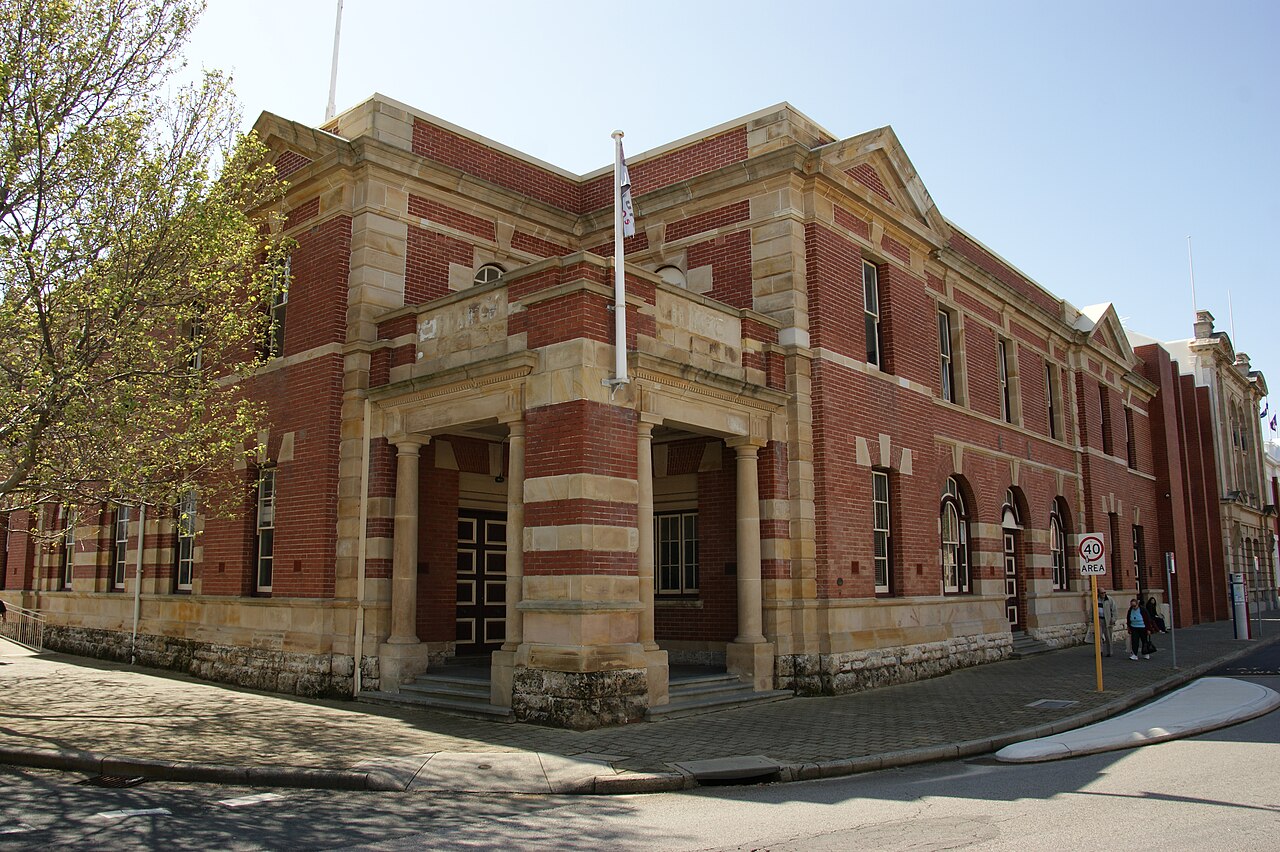
Experience the Old Customs House primarily as a historic waterfront building within Stone Town. Exterior viewing from the harbourfront belongs to an ordinary walking visit, while the wider quarter contains a mixture of public streets, working buildings and heritage properties. Keep local currency available for food, drinks and transport during your day in Zanzibar City. The attraction’s value lies in its historical setting: it shows how customs administration supported maritime commerce and how that commercial history remains visible in the city’s architecture. Pair it with nearby waterfront sights for a coherent experience rather than an isolated stop.
Checked 2026-08-26 · Source
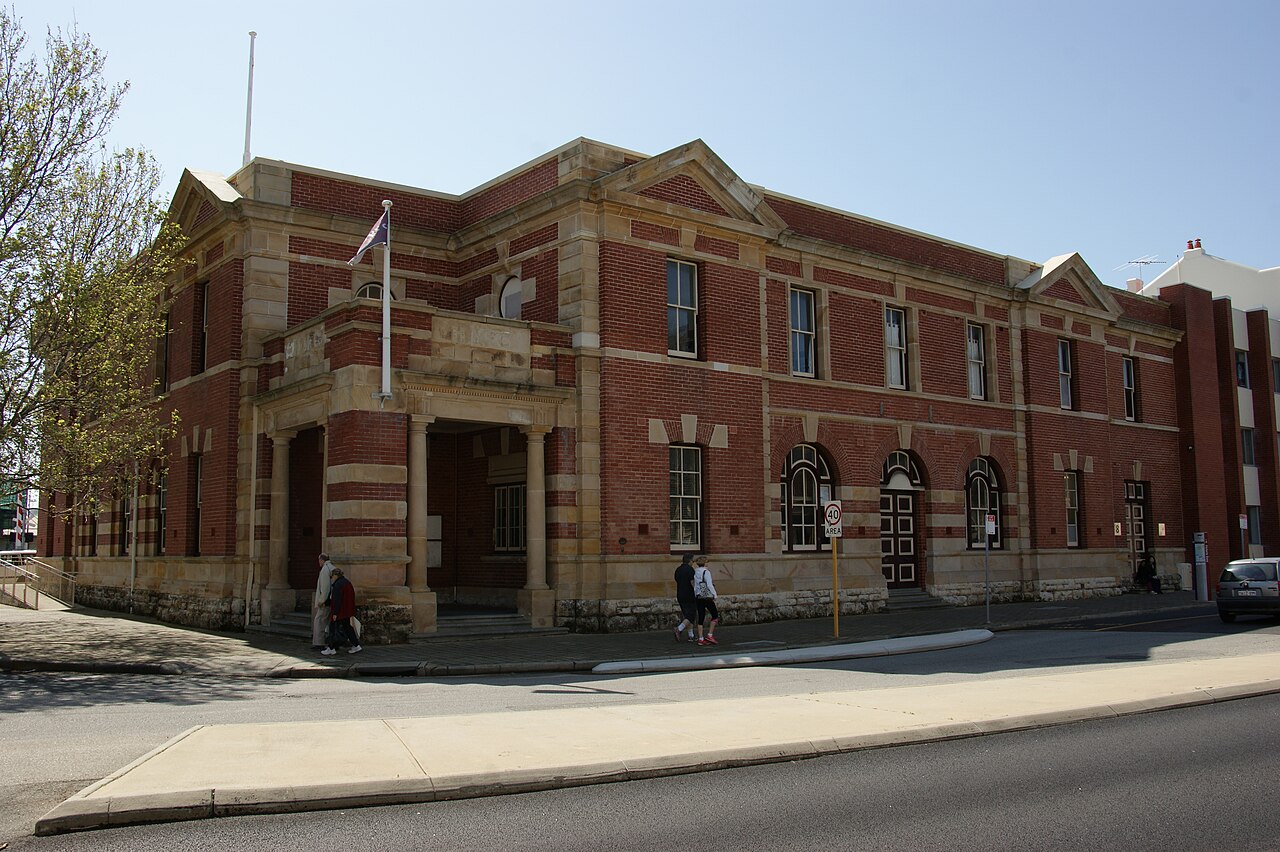
The Old Customs House occupies a prominent harbourfront position within Stone Town and can be reached on foot from elsewhere in the historic core. From Zanzibar City’s main ferry terminal, the seafront provides a clear orientation line and a practical walking approach. Stone Town’s narrow, irregular streets can be confusing, so use the waterfront as a reference when moving between inland lanes and the harbour. Taxis and bicycle taxis serve the wider city, while the densest historic streets are best explored on foot. Comfortable footwear helps when combining the building with several nearby landmarks.
Checked 2026-08-26 · Source
The harbourfront combines pedestrian movement with active maritime and commercial activity, so stay alert around working areas and passing traffic. Wet paving, uneven surfaces and limited barriers can make the waterfront less forgiving after rain. Give official, private or commercial activity priority around the building and do not enter areas that are not clearly open to visitors. Crowded passages call for ordinary care with bags and valuables, particularly near transport points and markets. Heat, humidity and strong sun can make a long Stone Town walk tiring; water, shade and sensible pacing improve the experience.
Checked 2026-08-26 · Source
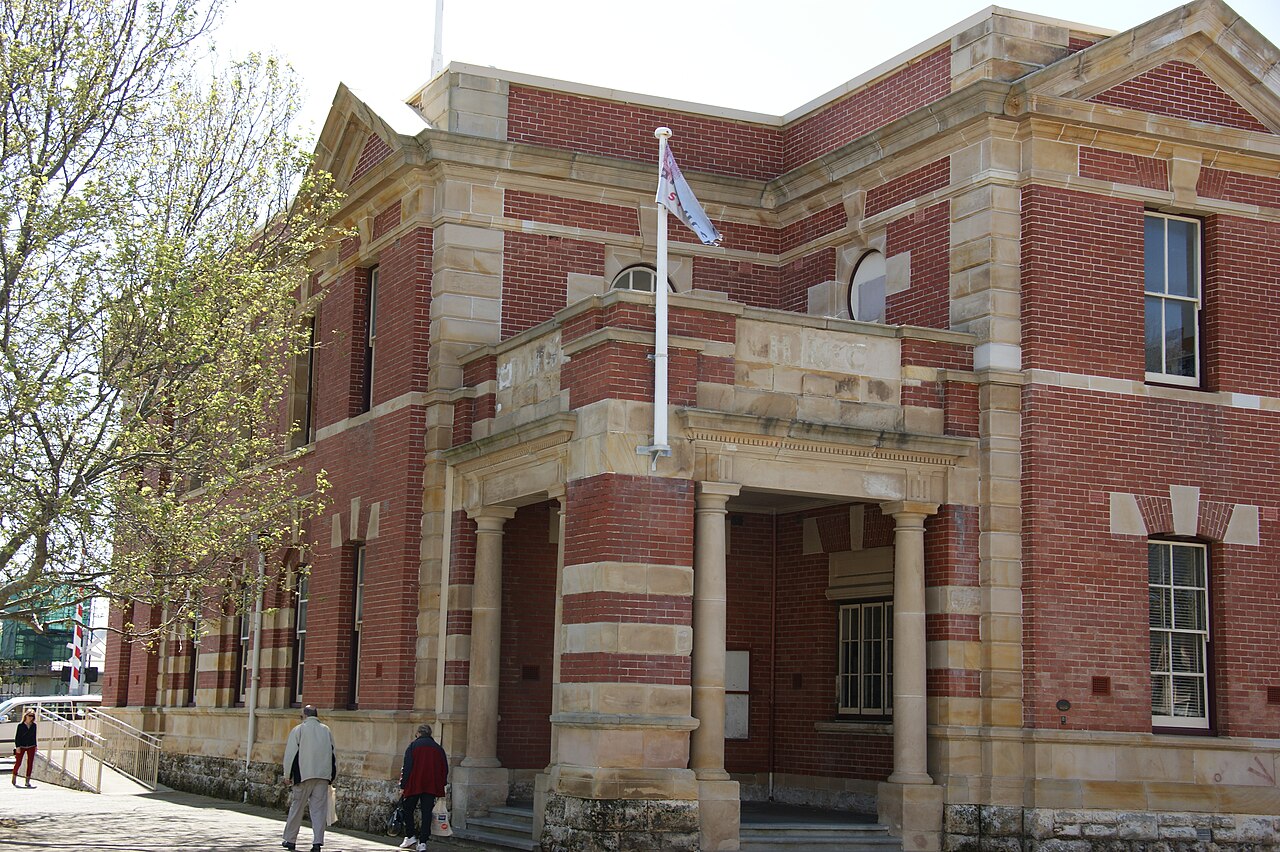
The harbourfront setting gives the Old Customs House strong photographic context: frame the building with the Indian Ocean, the seafront and the dhows that continue to animate Zanzibar’s maritime edge. Morning and late afternoon light can emphasise the facade and the relationship between historic architecture and working waterfront. Keep clear of operational areas and never obstruct people moving goods or travelling through the port environment. A wider composition often tells the story better than a close facade shot, showing how customs administration once fitted into Stone Town’s commercial life and how the waterfront still shapes the city today.
Checked 2026-08-26 · Source
It served as a customs facility during Stone Town’s period as a commercial gateway between inland Africa and the Indian Ocean.
It stands on Stone Town’s harbourfront in Zanzibar City, close to the seafront route from the main ferry terminal.
Allow about fifteen to thirty minutes for an exterior visit, or include it as one stop in a longer Stone Town architecture and maritime-history walk.
The harbourfront explains the building’s purpose: customs administration regulated goods arriving through the Indian Ocean trading port of Stone Town.
Yes. Its waterfront position makes it easy to include with markets, historic buildings, the seafront and other cultural landmarks in the old quarter.
Forodha ya Zamani is the local name for the Old Customs House, a historic building associated with Zanzibar’s maritime commerce and customs administration.
Loading the interactive map…
The interactive map could not be loaded.
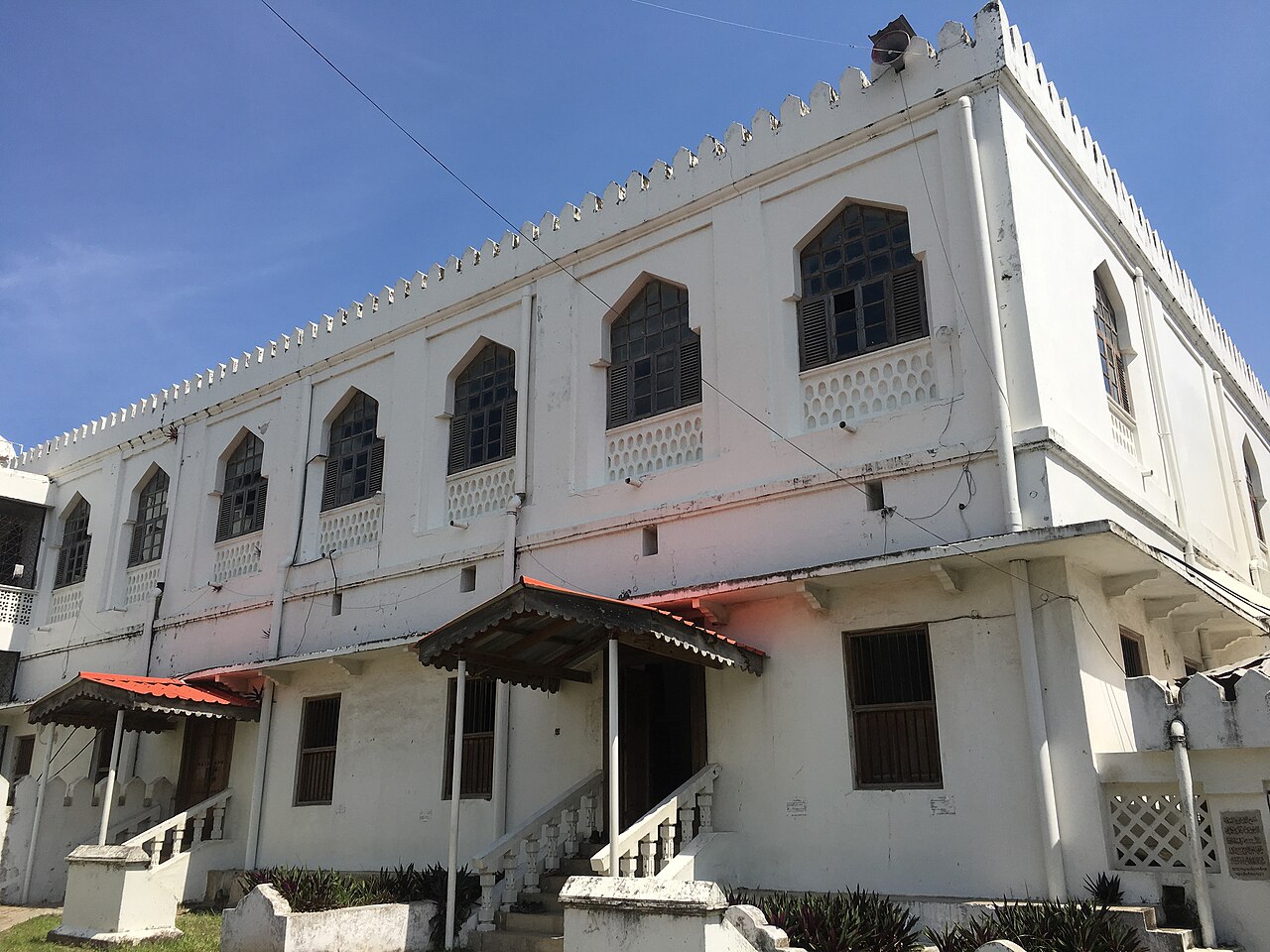
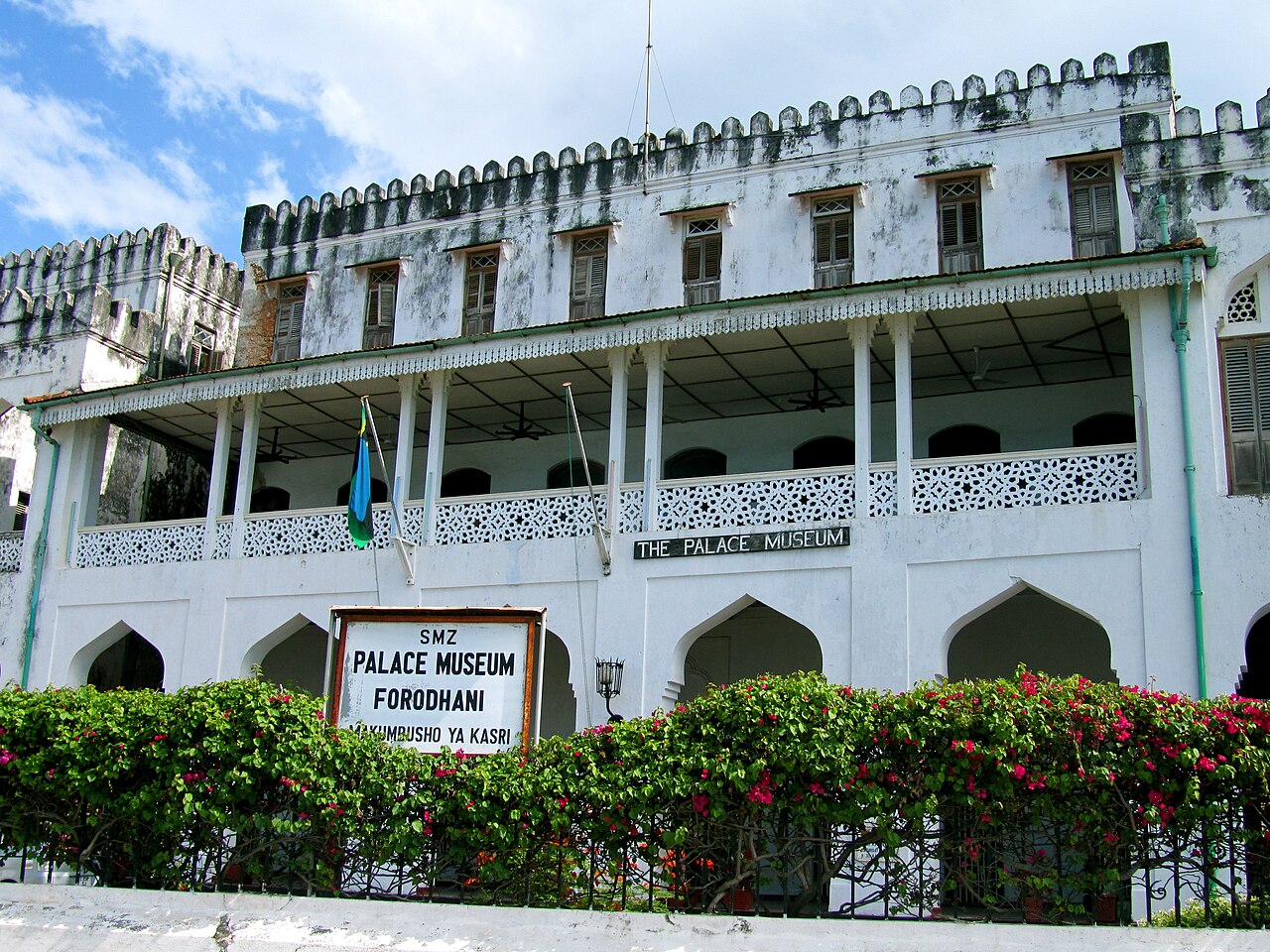
Last updated:
Source: OpenStreetMap contributors ·