
1 min walk
Malindi Mosque
- Must see
- Place of worship
Language · 11 published
Place of worship · Zanzibar City
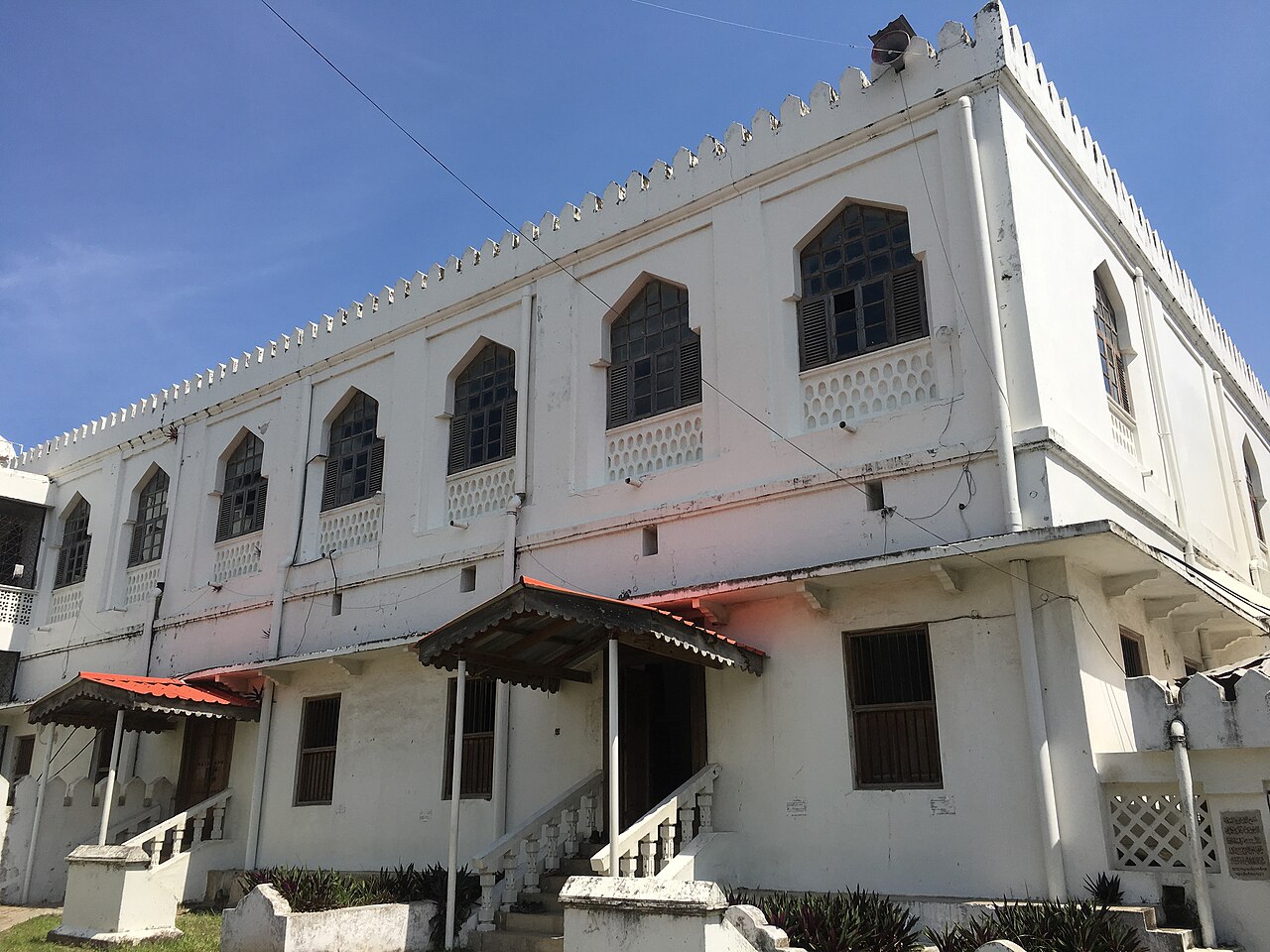
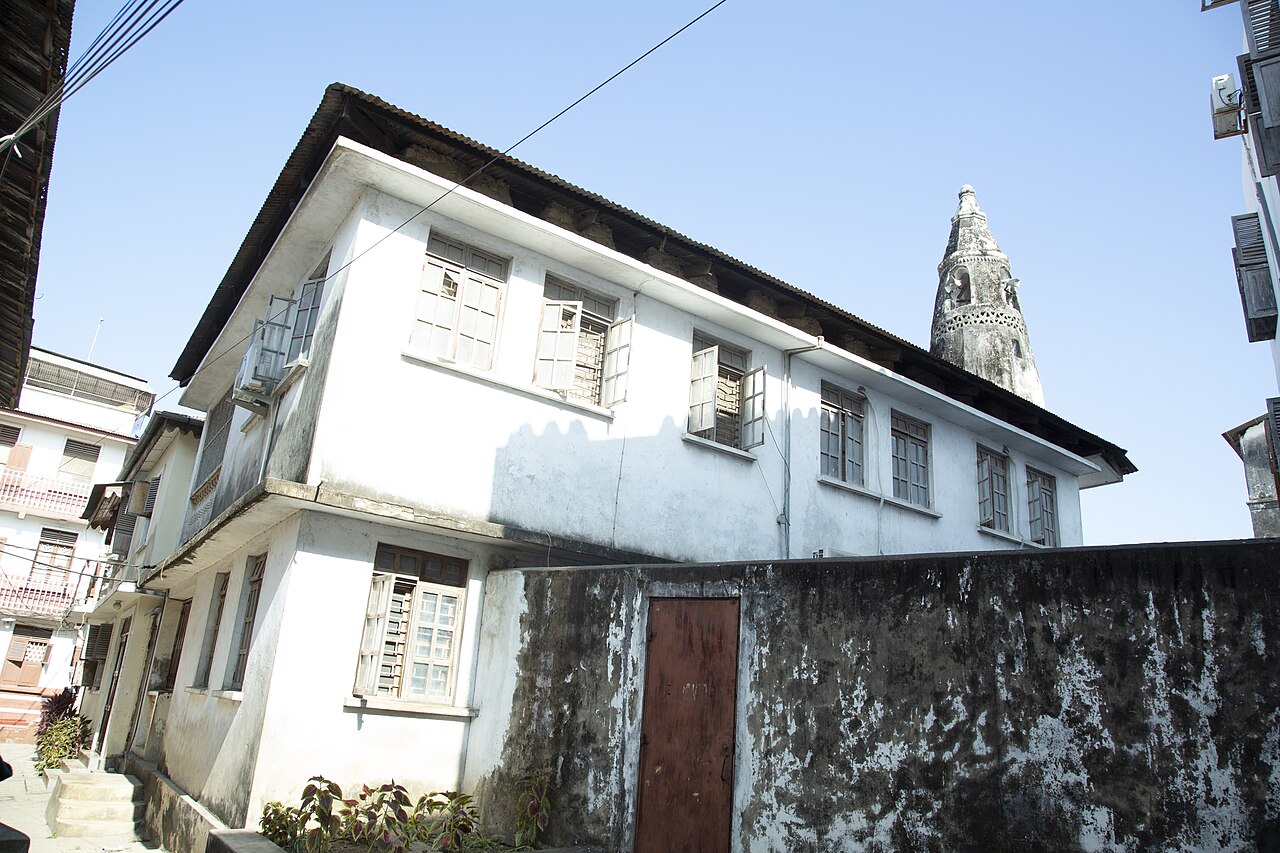
Ijumaa Mosque, also known as the Friday Mosque, is a living religious landmark in Stone Town, the historic heart of Zanzibar City. It serves the local Muslim community and reflects the Islamic traditions that have shaped Zanzibar’s culture, architecture and daily life. The mosque belongs to a dense network of religious buildings woven through the old quarter. Its importance comes from continued worship rather than from functioning as a museum or monument detached from the community. Travellers can appreciate its place in Stone Town’s streets while keeping the dignity of congregational life at the centre of the visit.
Checked 2026-08-26 · Source
Ijumaa Mosque is organised for prayer, with interior space serving worshippers rather than presenting a visitor exhibition. Islamic prayer environments commonly place emphasis on a prayer hall and the direction of Mecca, marked by the mihrab. The experience is therefore one of observing a functioning religious space, not browsing historical objects. Visitors should keep their attention on the mosque’s role within the local community and avoid treating the interior as a conventional sightseeing room. The surrounding Stone Town streets add architectural and cultural context, showing how religious buildings remain integrated into everyday urban life.
Checked 2026-08-26 · Source
Allow fifteen to thirty minutes for a respectful exterior stop while walking through Stone Town. That is enough time to recognise the mosque’s setting, observe its relationship with neighbouring streets and continue without creating pressure around worship. A longer Stone Town walking route can place Ijumaa Mosque alongside other historic mosques, markets and waterfront landmarks. Do not build your day around prolonged interior sightseeing: the building’s primary purpose is congregational prayer. The best visit is brief, quiet and aware of the people who use the mosque as part of their daily religious life.
Checked 2026-08-26 · Source
Friday midday is the mosque’s central weekly prayer period, when congregational attendance is especially important. Give the building and its immediate surroundings ample space during that time rather than approaching as a sightseeing stop. Other daily prayer periods also call for quiet behaviour and distance. Early morning or late afternoon can be comfortable times for walking through Stone Town because the heat is less demanding than at midday. Zanzibar’s humid climate and rainy seasons can affect outdoor comfort, so plan a route with shade and indoor pauses. The rhythm of the Muslim calendar is part of the place’s identity.
Checked 2026-08-26 · Source
Ijumaa Mosque is an active place of worship, not a commercial attraction designed around a standard museum visit. Exterior observation from the surrounding public streets belongs naturally within a Stone Town walk. Any interior encounter must be secondary to the mosque’s religious function and guided by the people responsible for the space. Do not approach the building with the expectation of a ticketed exhibition or a scheduled tourist circuit. A respectful attitude, conservative clothing and awareness of prayer activity matter more here than trying to maximise time inside one landmark.
Checked 2026-08-26 · Source
The mosque stands within Stone Town’s compact historic core, where walking is the practical way to move between landmarks. Reach the quarter from elsewhere in Zanzibar City by taxi or daladala, then follow the narrow lanes on foot. GPS, a detailed map or a local guide can help because the street network is dense and visually similar in places. Comfortable footwear is useful on uneven surfaces. The mosque’s position makes it easy to include in a broader route through Stone Town, but navigation should remain unhurried and should never lead you into restricted or private areas.
Checked 2026-08-26 · Source
Dress conservatively near Ijumaa Mosque, covering shoulders, upper arms and knees. Keep voices low, give worshippers priority and never interrupt people entering, leaving or praying. Friday congregational worship requires particular distance and respect. Stone Town’s old lanes may contain uneven paving, limited lighting and crowded passages, so watch your footing and belongings. Zanzibar’s heat and humidity make water and sun protection useful during a walking route. The mosque is part of a living neighbourhood, not a backdrop for intrusive tourism. Consider the impact of your presence before approaching doors, windows or worshippers.
Checked 2026-08-26 · Source
The safest photographic subject is the mosque’s exterior architecture viewed discreetly from a public thoroughfare, with worshippers kept out of the frame whenever possible. Never photograph people at prayer or enter an interior space with a camera raised unless mosque authorities clearly permit it. A wide view of the surrounding lane can show how Ijumaa Mosque fits into Stone Town’s religious and urban landscape without turning worship into a spectacle. If people are identifiable, ask permission where appropriate. When a prayer period is underway, put the camera away and give the community complete privacy.
Checked 2026-08-26 · Source
It is an active mosque serving the local Muslim community, with congregational worship as its primary purpose.
Ijumaa Mosque is in Stone Town, Zanzibar City’s historic quarter, within its network of narrow lanes and historic religious buildings.
Friday midday congregational prayers require particular respect, and visitors should also remain discreet during daily prayer periods.
Wear conservative clothing that covers the shoulders, upper arms and knees, and choose loose-fitting garments suitable for Zanzibar’s humid climate.
Fifteen to thirty minutes is suitable for a respectful exterior stop within a wider Stone Town walking route.
It forms part of Stone Town’s dense network of historic mosques and reflects the Islamic religious practice that has shaped Zanzibar’s culture and urban character.
Loading the interactive map…
The interactive map could not be loaded.


Last updated:
Source: OpenStreetMap contributors, Wikidata ·