


.jpg)
.jpg)
2 min walk
Stone Town
- Must see
- Historic monument
Language · 11 published
Activity · Zanzibar City
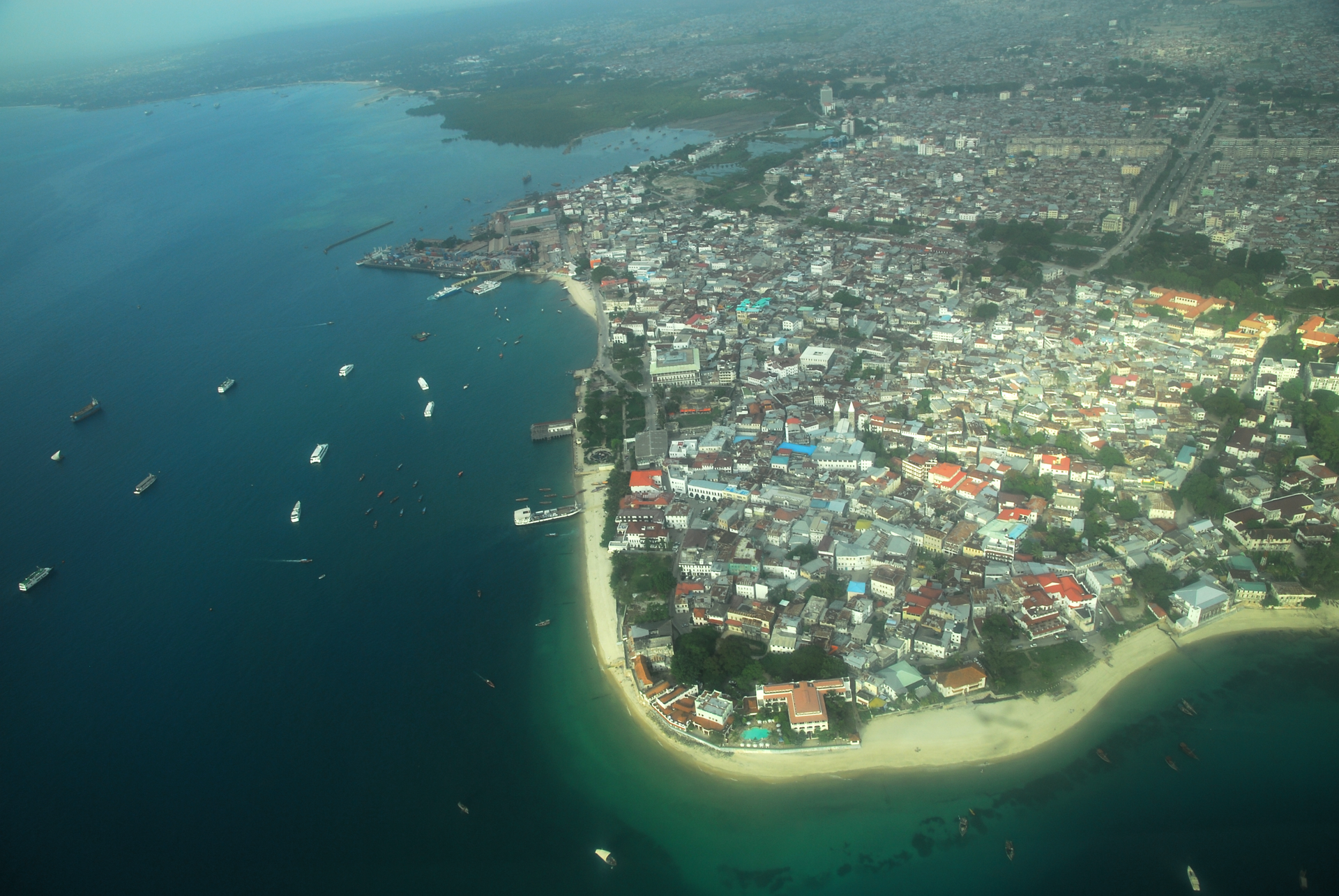
Ng'ambo is the larger, modern half of Zanzibar City, located across the creek from the historic Stone Town. Its name means 'the other side' in Swahili, reflecting the historical social and physical division of the city. This area developed during the colonial and post-colonial periods as the commercial and administrative counterweight to the UNESCO-protected old quarter. Understanding Ng'ambo is essential for grasping Zanzibar City's full urban character beyond its famous heritage core and the creek that once marked a pronounced social boundary.
Checked 2026-08-26
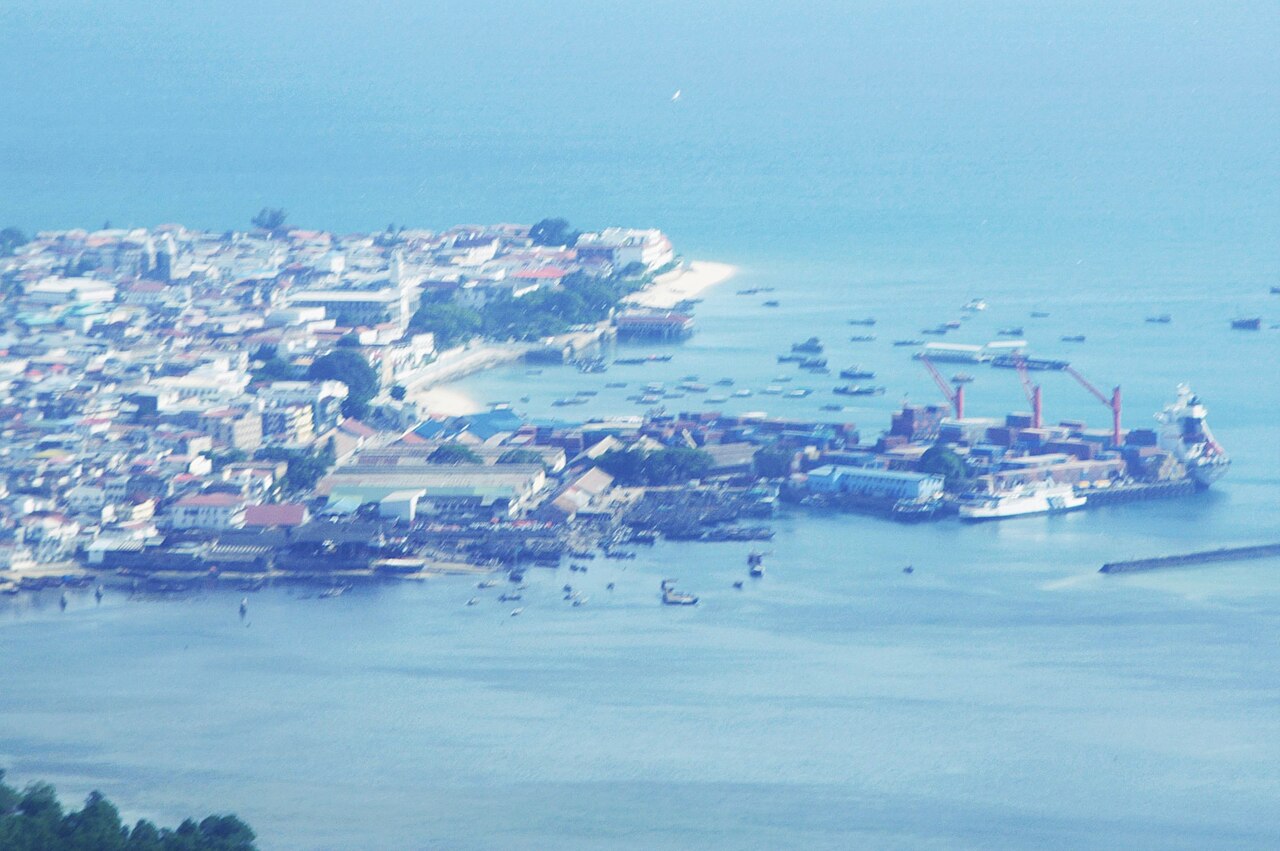
Ng'ambo contains government buildings, markets, residential neighbourhoods, and the main port facilities that serve Zanzibar's maritime connections. The area includes the Amani Stadium, schools, hospitals, and the commercial infrastructure supporting daily life for most of Zanzibar City's population. Unlike Stone Town's dense coral-rag architecture, Ng'ambo features wider streets and more contemporary construction. The creek itself, once a clear dividing line, has been partially filled in places, though its legacy remains visible in urban morphology and local perceptions of the city's two halves.
Checked 2026-08-26
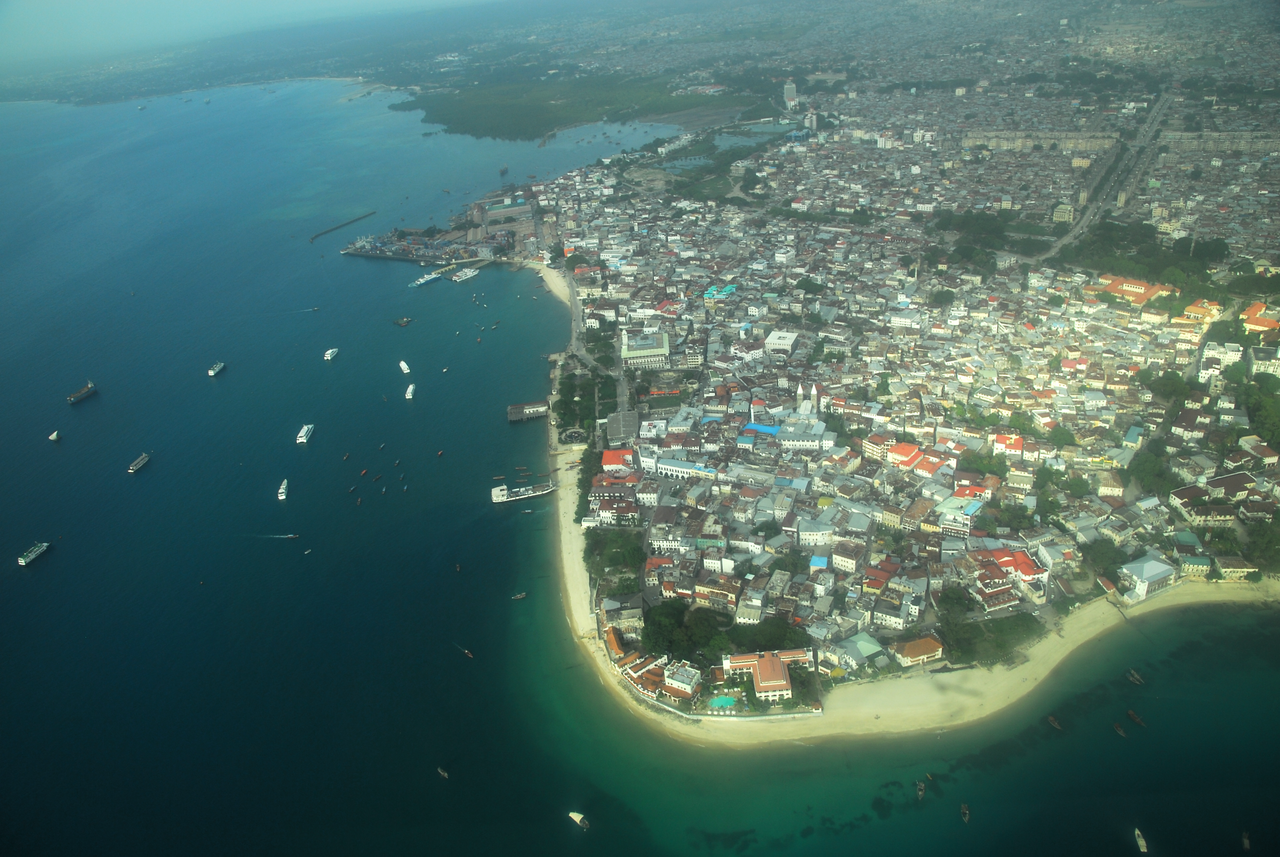
Visitors should allocate at least half a day to explore Ng'ambo meaningfully, though a full day allows deeper engagement with its markets and street life. The area rewards walking exploration combined with local transport. Those studying urban development or East African colonial and post-colonial history may wish to spend longer tracing the city's spatial evolution. The contrast with Stone Town is itself instructive and requires transit time between the two halves. Pace should account for tropical heat and the sprawling nature of the district.
Checked 2026-08-26
Ng'ambo can be visited year-round, though the cooler dry season from June to October generally offers more comfortable walking conditions. The rainy seasons in March-May and November-December may disrupt outdoor exploration. Visitors should verify current conditions locally, as urban areas in Zanzibar maintain regular daily rhythms with increased activity during daylight hours. Friday observances may affect some commercial and administrative operations. Ng'ambo also earns time in a zanzibar city itinerary because WIKIDATA_EDITORIAL reconciliation for the ranked entry; identity and coordinates were verified without a nearby fallback. Its value becomes clearer when the stop is compared with the surrounding streets and the other ranked places nearby. Check the operator's own site for the travel date before relying on a schedule or fare.
Checked 2026-08-26
Ng'ambo as a district has no entry fee, being a functioning urban area rather than a bounded tourist attraction. Individual sites within it may have separate arrangements. Visitors should carry small denominations for local purchases, transport, and any site-specific fees encountered. The area's primary value lies in its everyday urban fabric rather than ticketed monuments, though markets and occasional cultural venues may involve modest expenditures. A flexible visit lets travellers connect Ng'ambo with the rest of the day without treating one room, viewpoint or photograph as the whole experience. The useful pace depends on personal interest and conditions on arrival. Check the operator's own site for the travel date before relying on a schedule or fare.
Checked 2026-08-26
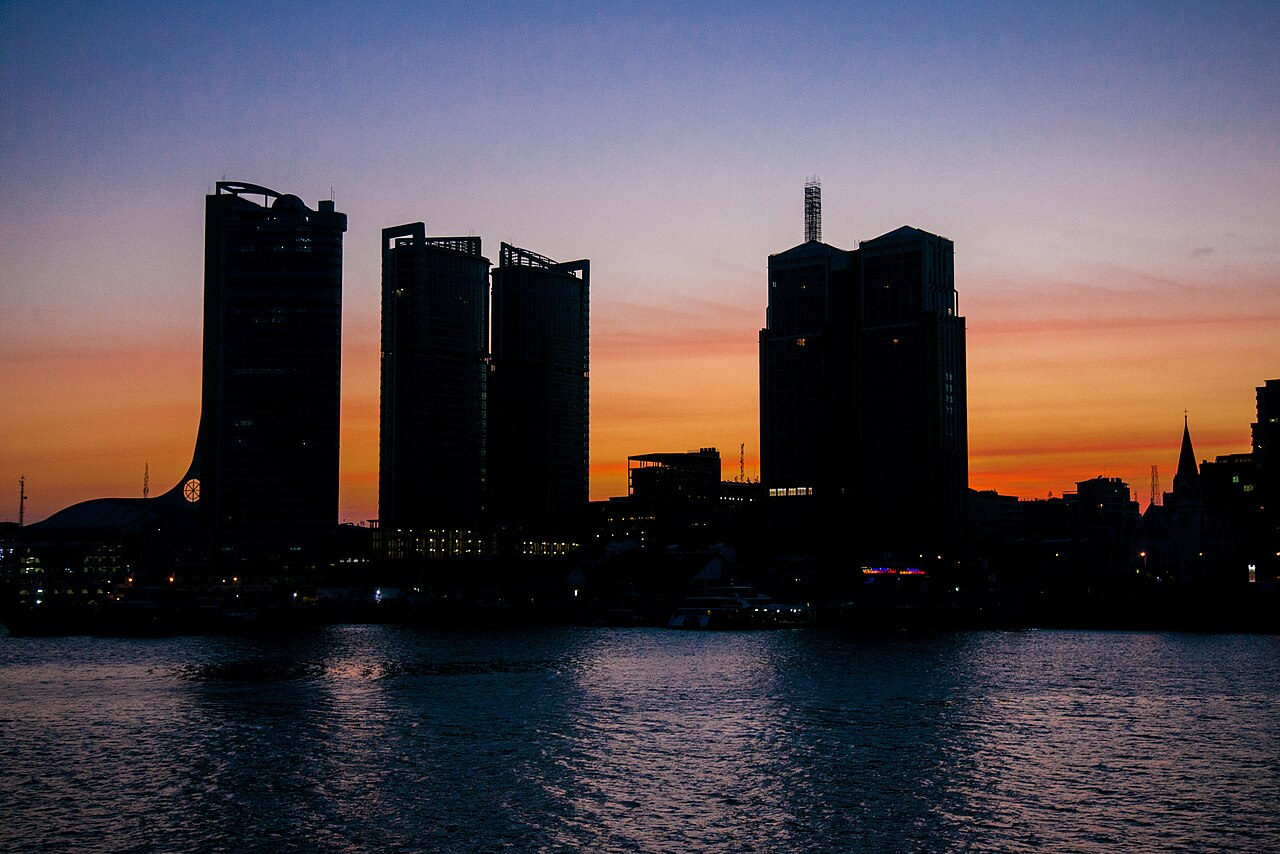
Ng'ambo is accessible from Stone Town by crossing the creek, historically by ferry and now also by road bridges where infilling has occurred. Dala-dala minibuses, taxis, and boda-boda motorcycle taxis serve the area from multiple points. Walking from Stone Town remains possible and historically resonant. The main port for ferries to Dar es Salaam and Pemba is located in Ng'ambo, making it a transit hub. Visitors should negotiate transport fares in advance and exercise standard caution with unfamiliar operators.
Checked 2026-08-26
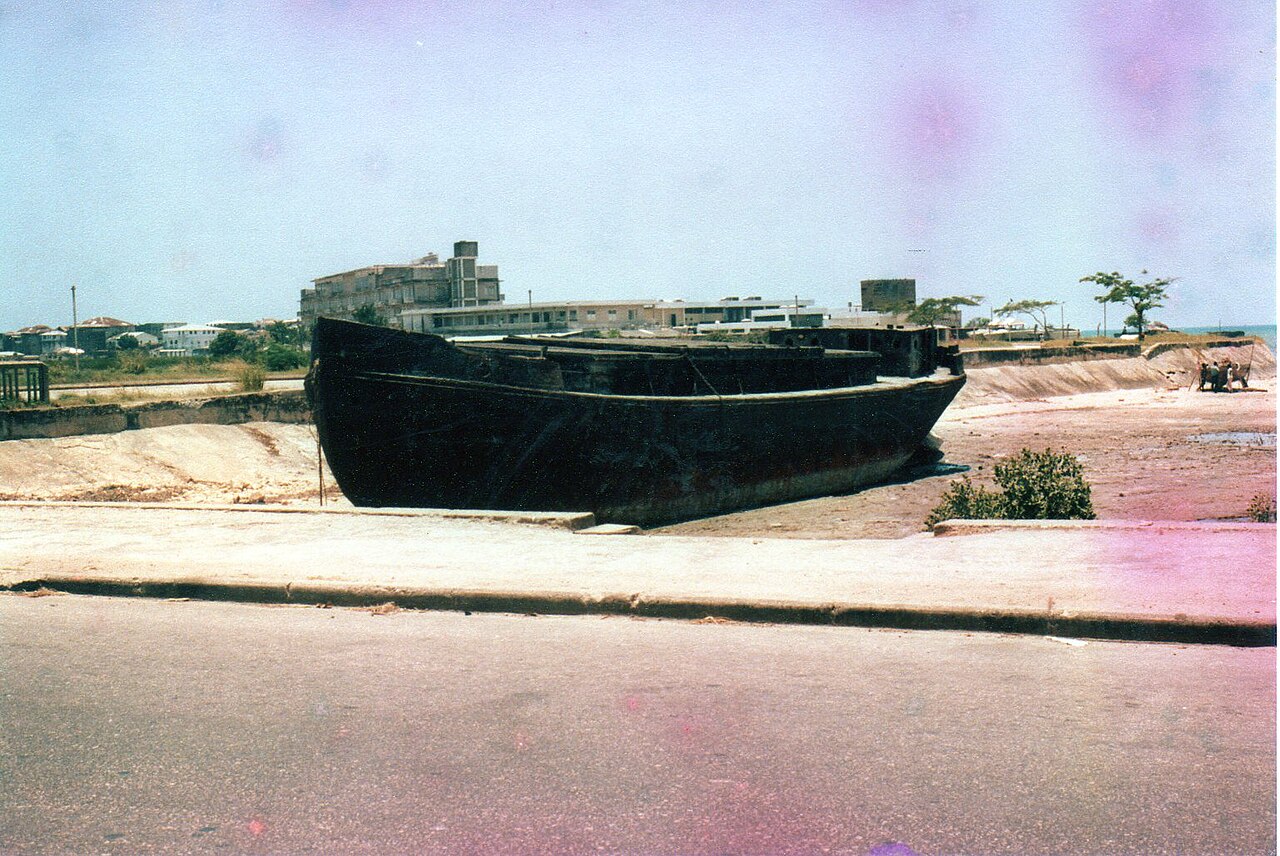
Urban awareness is essential in Ng'ambo, as in any substantial African city. Traffic includes motorcycles, minibuses, and port-related vehicles. Markets and crowded areas warrant attention to belongings. The contrast with Stone Town's tourist-oriented environment means fewer immediate services for visitors. Some neighbourhoods are residential and not designed for casual tourism; sensitivity to local privacy is appropriate. Water and food hygiene standards vary. Medical facilities exist but visitors with serious conditions should know evacuation options. Travel insurance covering Zanzibar is advisable.
Checked 2026-08-26
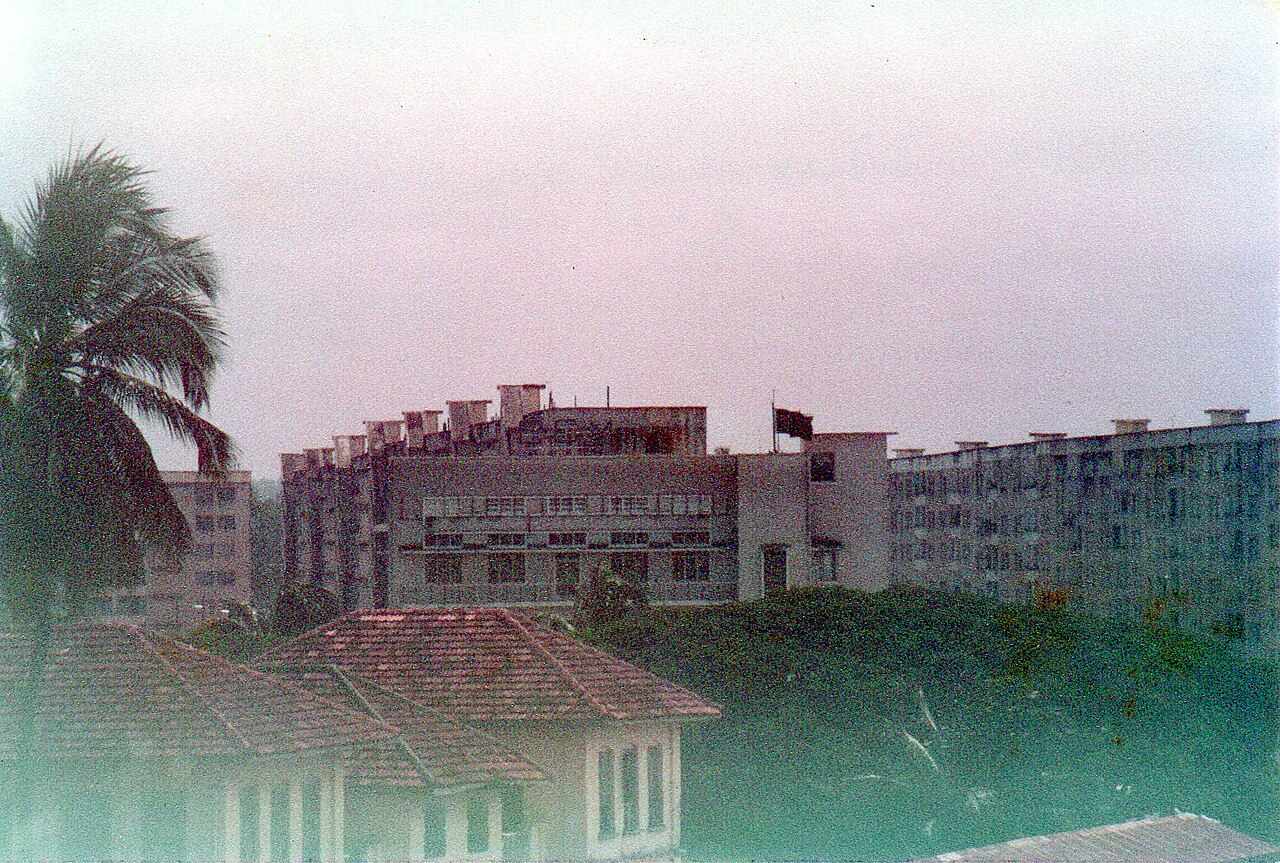
Ng'ambo offers documentary and street photography opportunities distinct from Stone Town's iconic architecture, though discretion is essential. Markets, port activity, and everyday commerce provide subjects, yet permission should be sought for portraits and some commercial scenes. Not all areas welcome camera attention, and local sensitivities about photography of government buildings or individuals should be respected. Early morning and late afternoon light suit the district's open spaces. Equipment security demands vigilance in crowded settings. The creek crossings and their human activity remain visually significant.
Checked 2026-08-26
Ng'ambo functions as a normal working city district. Visitors should apply standard urban precautions regarding valuables, traffic, and unfamiliar areas. It lacks Stone Town's concentrated tourist infrastructure, requiring more self-sufficiency.
Ng'ambo is larger, more modern, less densely built, and developed primarily during and after the colonial period. It contains the port, major administrative functions, and most contemporary commerce, while Stone Town preserves the historic Swahili coastal trading settlement.
Yes, though the route depends on current bridge and creek conditions. The crossing itself carries historical significance as the city's former social boundary.
Specific tour availability is Not recorded pending review. The area is generally explored independently or with locally arranged guides.
Modest dress consistent with Zanzibar's predominantly Muslim culture is appropriate. Practical clothing for walking, sun protection, and respectful coverage at religious or administrative sites is advisable.
Partial infilling has modified the original creek in places, though its historical course and significance remain discernible in the urban landscape and local geography.
Loading the interactive map…
The interactive map could not be loaded.


Last updated:
Source: OpenStreetMap contributors, Wikidata ·