City guide
Things to Do in Manisa: 10 Essential Stops
Editorial responsibility: Elena Voss · SSMTour Travel Editor

.jpg)
Explore Manisa through Sardis, volcanic Kula, Mount Spil, Ottoman mosques and the Mesir festival, with practical choices for every kind of trip.
This guide is part of our Manisa destination coverage. Manisa
1. Sardis
The best things to do in Manisa divide into three very different journeys: the Lydian capital and royal tombs around Salihli, volcanic landscapes around Kula, and Ottoman monuments beneath Mount Spil in the modern city. Start with the full Manisa destination page to understand those distances. This is a province-scale destination, not a compact old town where every major sight fits into one walk.
For a first visit, make Sardis the priority, choose either Mount Spil or Kula for a landscape day, and reserve a separate central-Manisa block for the mosques, museum and Niobe rock. These ten stops avoid treating the same mountain or burial landscape as separate excursions. They also keep the focus on places that offer a distinct reason to go, whether that is archaeology, geology, architecture, a museum collection or a living tradition.
Sardis is the clearest first choice because it explains why this inland part of western Türkiye mattered far beyond the region. The city was the capital of the Lydians, whose power peaked between the eighth and sixth centuries BCE. UNESCO inscribed Sardis together with the Lydian tumuli of Bin Tepe in 2025, identifying the property as exceptional testimony to a civilisation associated with monumental terraces, formidable fortifications and the development of coinage.
Do not treat Sardis as a single photogenic ruin. The value lies in reading several layers together: the Lydian city, later Greek and Roman buildings, the bath-gymnasium complex, the synagogue, and evidence for gold and silver refining beside the Pactolus. That range makes Sardis the strongest archaeological stop in Manisa and the right anchor for a history-led day. The official Turkish Museums listing identifies the site; confirm any current access arrangements directly with the responsible venue rather than relying on an old timetable.
Checked 2026-09-05 · Official site · whc.unesco.org
Checked 2026-09-05 · Official site · sardisexpedition.org
Checked 2026-09-05 · Official site · www.turkishmuseums.com
2. Bin Tepe
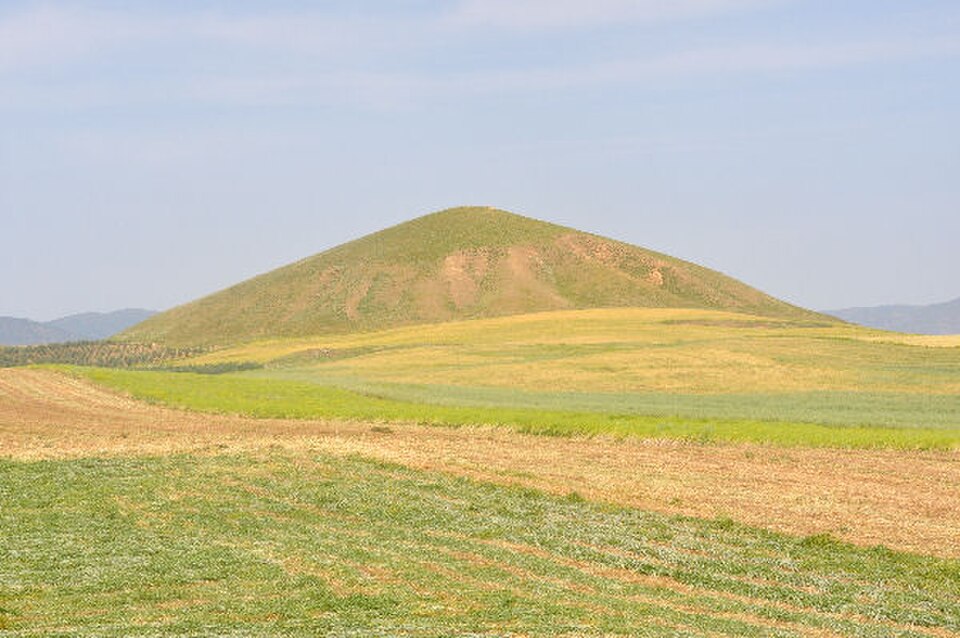

Bin Tepe is not a second version of Sardis. It is the Lydian royal burial landscape north of the ancient city, where large earthen tumuli rise from the plain. UNESCO records more than 119 mounds in the necropolis and places it seven to seventeen kilometres north of the Sardis citadel. Seeing the mounds in their agricultural setting communicates royal scale more effectively than a display case can. The nominated landscape spans more than the largest three mounds, so the quieter earthworks are part of the same Lydian story.
Choose Bin Tepe if you enjoy landscape archaeology and can appreciate form, distance and setting without expecting a dense sequence of excavated interiors. The three largest mounds rank among the world's largest tumulus tombs, but the experience is visually restrained: broad fields, earthworks and long sightlines. Pair it with Sardis on the same excursion, yet keep the two identities distinct. The city ruins explain Lydian urban power; Bin Tepe shows how that power was expressed in burial and memory.
Checked 2026-09-05 · Official site · whc.unesco.org
3. Kula Volcanic Geopark


Kula Volcanic Geopark is the best choice for travellers who want Manisa's geology rather than another monument. UNESCO describes a landscape spanning the Kula volcanic province, the tectonically active Gediz Graben and the Bozdağ Mountains. Its volcanic story is unusually legible: lava plateaus, cones, caves and basalt formations occupy the same wider territory as faults and other landforms created by crustal extension.
The geopark is an area, not one fenced attraction, so a useful visit needs a route. Pick a small number of named geosites and connect them by road rather than trying to “complete” the map. UNESCO notes more than 12 kilometres of marked geotrails and a visitor centre called Katakekaumene, echoing Strabo's description of the “burned land.” The geopark's own geosite list is the practical starting point for choosing between volcanic, archaeological and cultural stops.
Checked 2026-09-05 · Official site · www.unesco.org
Checked 2026-09-05 · Official site · kulasalihligeopark.com
4. Manisa Museum
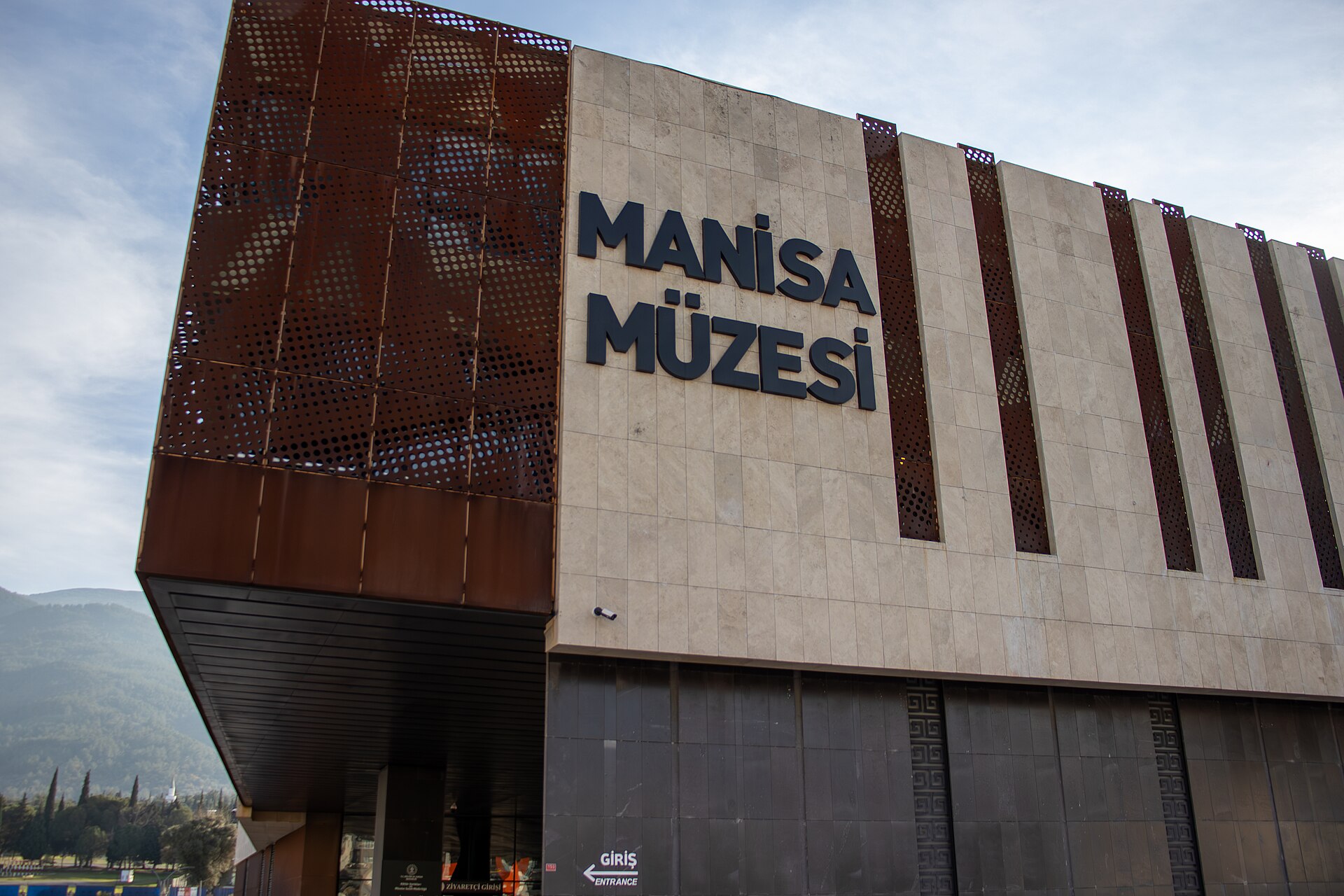

Manisa Museum is the indoor stop that turns scattered names into a continuous regional story. The collection ranges from prehistoric material and finds connected with Sardis to Roman, Byzantine, Beylik and Ottoman objects. Particularly useful are the local connections: Lydian material, coins, ethnographic objects and the carved minbar door from Manisa's Ulu Mosque give context to places elsewhere on this list. The collection's local emphasis makes it useful for connecting central Manisa's monuments with the province's Lydian and Roman sites.
The museum has served visitors in its newer Yunusemre building since 2025, rather than only in the historic Muradiye buildings associated with its earlier displays. That distinction matters when planning a route: do not navigate to the old complex and assume every museum collection remains there. The Ministry's Turkish Museums listing identifies the current museum location; confirm any visitor arrangements directly with the responsible venue. The museum is most rewarding before Sardis if you want chronology first, or after Sardis if you prefer to recognise excavated objects through places already seen.
Checked 2026-09-05 · Official site · www.kulturportali.gov.tr
Checked 2026-09-05 · Official site · www.turkishmuseums.com
5. Mount Spil National Park
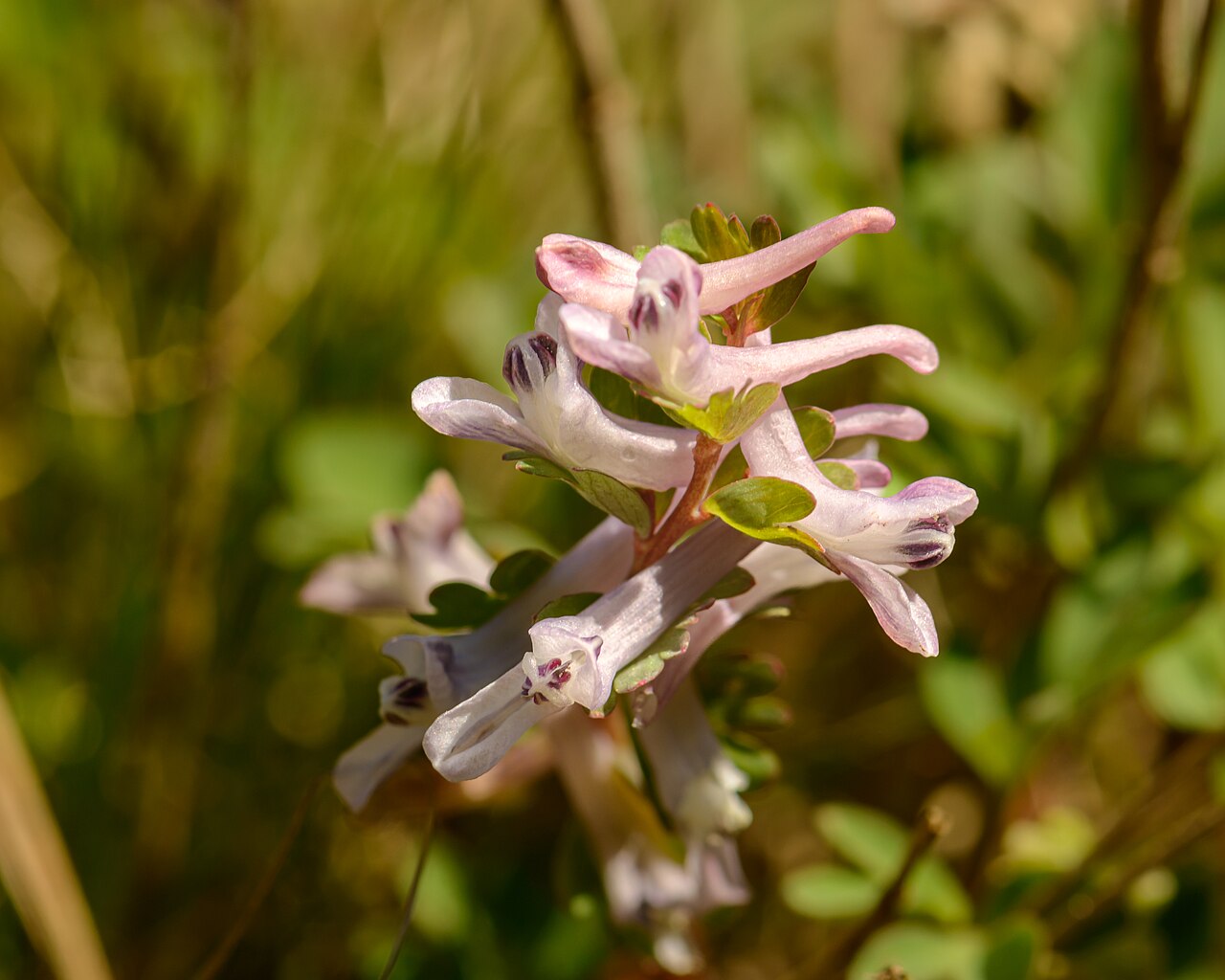

Mount Spil National Park is the landscape to choose when staying in central Manisa. The mountain rises directly behind the city but quickly changes character above the urban edge, with limestone forms, valleys, caves, mixed woodland and the At Alanı plateau. The official culture portal places the summit area at 1,513 metres and the plateau at about 1,250 metres, so conditions can feel different from the streets below.
This is not merely a viewpoint reached for one photograph. The park brings together walking, picnic areas, mountain scenery and cultural sites such as the Cybele rock relief and the wider Niobe tradition. Plan around one defined objective, because “Mount Spil” can otherwise mean a long drive with no clear stop. The official page says the At Alanı route is about 24 kilometres from central Manisa; check road and park conditions locally before setting out, especially outside settled weather.
Checked 2026-09-05 · Official site · www.kulturportali.gov.tr
6. Mesir Macunu Festival at the Sultan Mosque
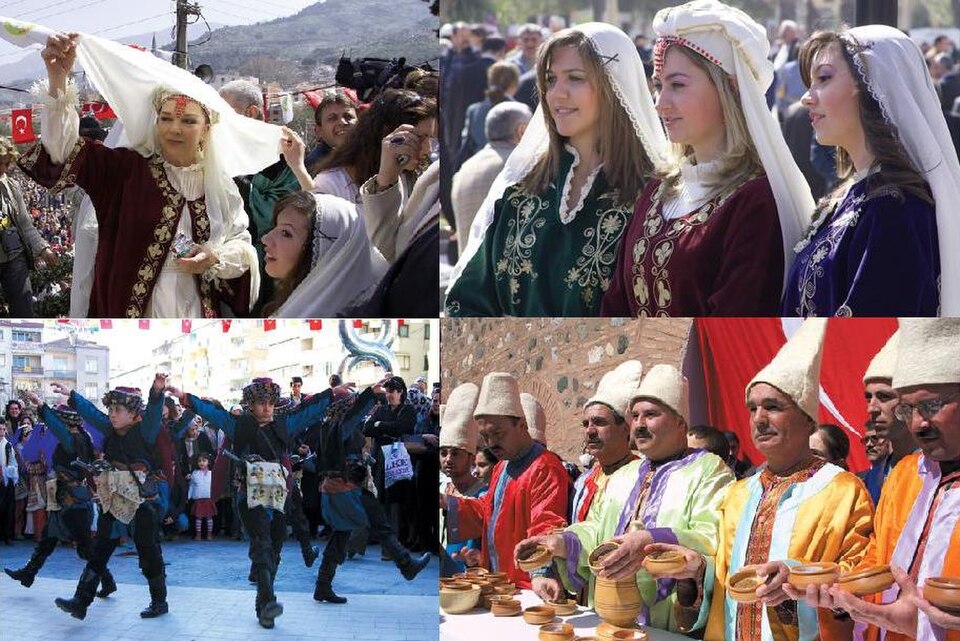

The Mesir Macunu Festival is Manisa's most distinctive living tradition, not simply a food fair. UNESCO recognised the tradition as intangible cultural heritage in 2012. The festival centres on a paste prepared from 41 spices and herbs, blessed, wrapped in small papers and scattered to the crowd from the Sultan Mosque's domes and minarets.
Attend for the public ritual and the city's collective participation, not for a guaranteed annual date copied from an old article. Programmes have varied, and the organising committee sets current dates and events. The durable sequence includes preparation, blessing, wrapping and distribution, alongside music and other festivities. If your trip does not coincide with the festival, visit Sultan Mosque as architecture instead; the empty square cannot reproduce the event, and a staged substitute would miss the point.
Checked 2026-09-05 · Official site · ich.unesco.org
Checked 2026-09-05 · Official site · manisa.gov.tr
7. Sultan Mosque


Sultan Mosque deserves its own visit even when no festival is taking place. Ayşe Hafsa Sultan commissioned the complex, whose principal buildings date to 1522; later components included a bath and hospital. The mosque's broad social setting—worship, education, care and hospitality—makes it more revealing than an isolated façade and explains why the Mesir tradition remains attached to this particular place.
Look for the composition rather than rushing straight indoors: a large central dome, smaller side domes, two minarets, the courtyard and surviving parts of the wider complex. Inside, the marble minbar and carved women's gallery are the details to prioritise. This remains a mosque, so enter only when visitors are welcome, dress conservatively and yield to worship. Current prayer access should be checked on site; the heritage sources do not establish a permanent tourist timetable.
Checked 2026-09-05 · Official site · kulturportali.gov.tr
Checked 2026-09-05 · Official site · ich.unesco.org
8. Muradiye Complex


Muradiye Complex is central Manisa's strongest stop for classical Ottoman architecture. Built for Sultan Murad III between 1583 and 1592, it comprised a mosque, madrasa, soup kitchen and shops. The design is attributed to Mimar Sinan, while architects Mahmut Ağa and Mehmet Ağa carried the construction forward. That chain between imperial patron, master design and local execution is part of what makes the complex worth studying closely.
The mosque is the visual focus: cut stone, a dominant central dome, two minarets, İznik tiles on the qibla wall, marble work and an entrance door enriched with ivory, mother-of-pearl and tortoiseshell inlay. Muradiye is within walking distance of the centre, making it easy to pair with Sultan Mosque, but the two should not blur together. Sultan explains Hafsa Sultan and Mesir; Muradiye is the sharper architecture choice for Sinan-era design and decorative craft.
Checked 2026-09-05 · Official site · kulturportali.gov.tr
9. Weeping Rock of Niobe


The Weeping Rock of Niobe is a short, specific stop where Manisa's topography and classical mythology meet. The registered natural rock formation stands at the foot of Mount Spil in the Çaybaşı area. Viewed from the south, erosion can suggest the silhouette of a woman's head; tradition identifies the figure with Niobe, turned to stone after mourning her children.
The rock works best when expectations are precise. It is not a monumental carved statue, an archaeological park or a mountain panorama. The effect depends on viewpoint, natural contours and the story carried through ancient literature. Include it while moving between central Manisa and the lower slopes of Mount Spil, not as the sole reason for a cross-province journey. Step back to find the intended profile rather than judging the surface from immediately beside it.
Checked 2026-09-05 · Official site · kulturportali.gov.tr
10. Kula Fairy Chimneys Viewing Terrace


Kula Fairy Chimneys Viewing Terrace is the quick, visually direct counterpart to the larger geopark. Erosion has shaped columns and pinnacles capped by more resistant rock, creating a compact landform stop that needs less geological interpretation than a lava field. UNESCO highlights the fairy chimneys among the geopark's defining features, while the geopark organisation lists them as a named Kula-region geosite.
Choose the terrace when time is limited or when uneven volcanic walks are unsuitable for your group. Railings and rest areas were added to make viewing beside the road safer, but that infrastructure does not turn the formations into a theme park. Stay behind barriers and do not climb the eroding forms. If you already plan a full Kula geotrail day, treat the terrace as one stop within it rather than a separate excursion.
Checked 2026-09-05 · Official site · www.unesco.org
Checked 2026-09-05 · Official site · kulasalihligeopark.com
Choose the right Manisa sights for your interests
For ancient history, put Sardis first and add Bin Tepe. They form one UNESCO property but answer different questions: Sardis is the city of Lydian rule and later urban layers, while Bin Tepe is the burial landscape. Travellers with only half a day should keep Sardis and leave Bin Tepe for a longer archaeology route rather than reducing both to hurried photographs.
For museums, Manisa Museum is the clear choice in this ten-place list. It is especially valuable as a bridge between locations: objects from the province, material connected with Sardis and the Ulu Mosque minbar door make the museum useful preparation rather than a rainy-day fallback.
For outdoors and geology, choose Mount Spil for forest, altitude and proximity to central Manisa; choose Kula for volcanoes, faults and a dispersed geosite network. The fairy-chimney terrace is the accessible visual sample within a Kula day. Trying to combine Mount Spil and Kula in one outing sacrifices the reason to visit either.
For views and myths, Niobe is the intimate option and the Kula terrace the expansive one. Neither substitutes for a full mountain or geopark visit. For religious architecture, Sultan Mosque offers the richer social-history story, while Muradiye offers the stronger concentrated study of late sixteenth-century imperial design. Visit outside worship where possible and remember that both are active religious places, not museum sets.
- Sardis
- Bin Tepe
- Kula Volcanic Geopark
- Manisa Museum
- Mount Spil National Park
- Mesir Macunu Festival at the Sultan Mosque
- Sultan Mosque
- Muradiye Complex
- Weeping Rock of Niobe
- Kula Fairy Chimneys Viewing Terrace
Checked 2026-09-05 · Official site · whc.unesco.org
Checked 2026-09-05 · Official site · www.kulturportali.gov.tr
Checked 2026-09-05 · Official site · www.kulturportali.gov.tr
Checked 2026-09-05 · Official site · www.unesco.org
Checked 2026-09-05 · Official site · kulturportali.gov.tr
Checked 2026-09-05 · Official site · kulturportali.gov.tr
Checked 2026-09-05 · Official site · kulturportali.gov.tr
What to skip when time is short
Skip duplicate pins before skipping whole themes. “Mount Sipylus,” “Mount Spil” and the national park can describe overlapping terrain; use the national-park page to plan one coherent outing. Around Sardis, separate listings for the bath-gymnasium, temple, synagogue and ancient ruins may identify real features, but first-time visitors should enter through the main Sardis page and understand which remains share the same archaeological landscape.
Do not build a short trip around Bin Tepe alone if large, minimally interpreted earthworks do not interest you. Do not travel to the Mesir festival POI outside the announced festival programme expecting a permanent performance. Do not make the fairy-chimney terrace your only Kula stop if geology is the reason for going. These are not dismissals: they are ways to protect time for the experience each place can honestly provide.
The strongest one-day central plan is Manisa Museum, Sultan Mosque, Muradiye Complex and Niobe, with Mount Spil only if transport and daylight allow. With a second day, choose Sardis and Bin Tepe. Kula deserves a separate day. That division respects Manisa's geography and produces fewer rushed stops than a top-ten checklist.
- Sardis
- Bin Tepe
- Kula Volcanic Geopark
- Mount Spil National Park
- Mesir Macunu Festival at the Sultan Mosque
- Weeping Rock of Niobe
- Kula Fairy Chimneys Viewing Terrace
Checked 2026-09-05 · Official site · whc.unesco.org
Checked 2026-09-05 · Official site · www.kulturportali.gov.tr
Checked 2026-09-05 · Official site · ich.unesco.org
Checked 2026-09-05 · Official site · www.unesco.org
Checked 2026-09-05 · Official site · www.kulturportali.gov.tr
Checked 2026-09-05 · Official site · kulturportali.gov.tr
Checked 2026-09-05 · Official site · kulturportali.gov.tr
Checked 2026-09-05 · Official site · kulturportali.gov.tr
Continue planning Manisa
Turn these choices into a route with the Manisa itinerary. The trip planner can then start with Manisa selected.
Checked 2026-09-05 · Official site · www.kulturportali.gov.tr
Turn this list into a plan
Set your days, your pace and the hours you actually want to be out. The planner works around closing days and travel time, and leaves room to eat.