
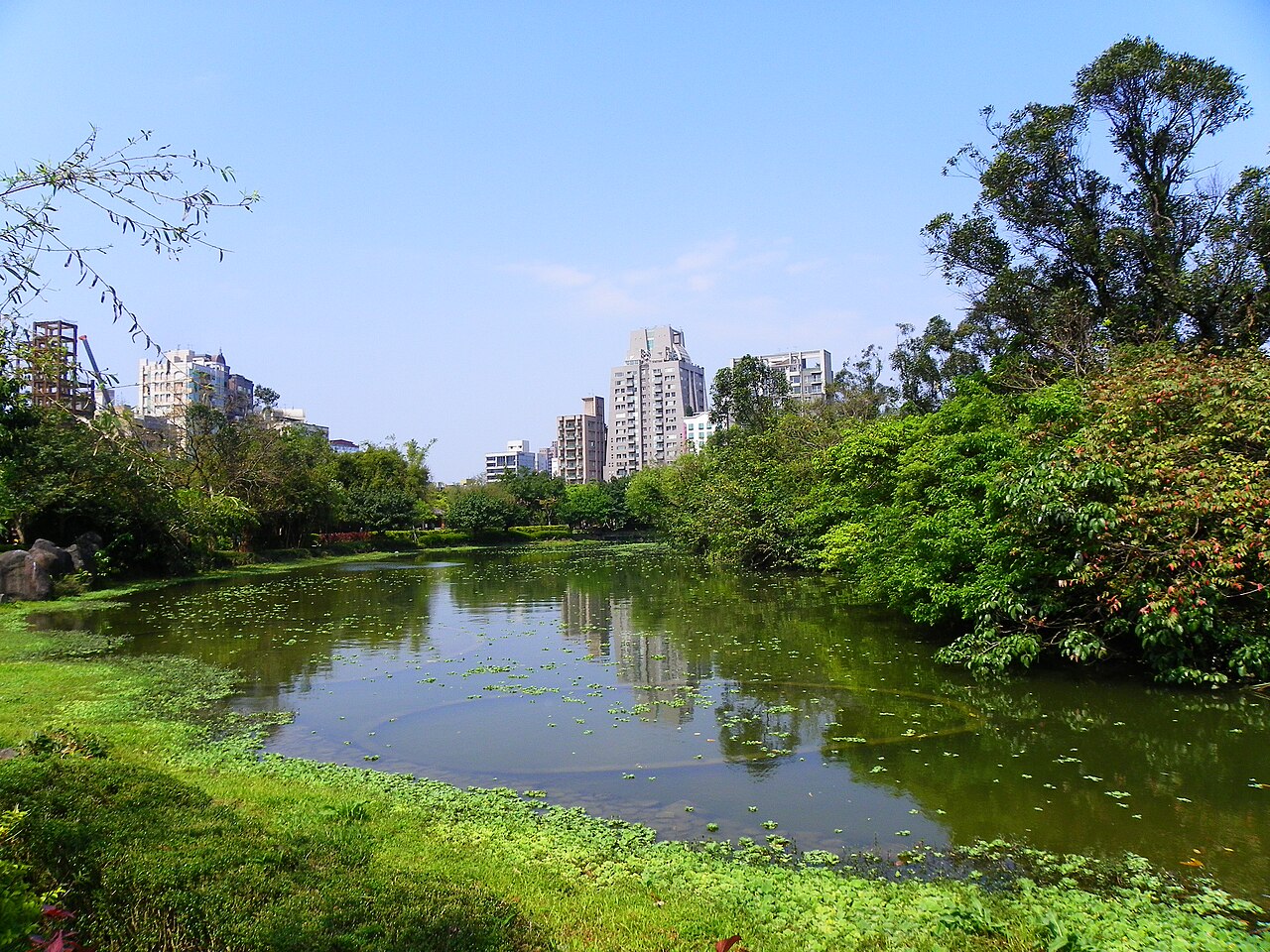
3 min walk
Daan Forest Park
- Must see
- Nature site
Language · 11 published
Place of worship · Taipei
臺北清真寺
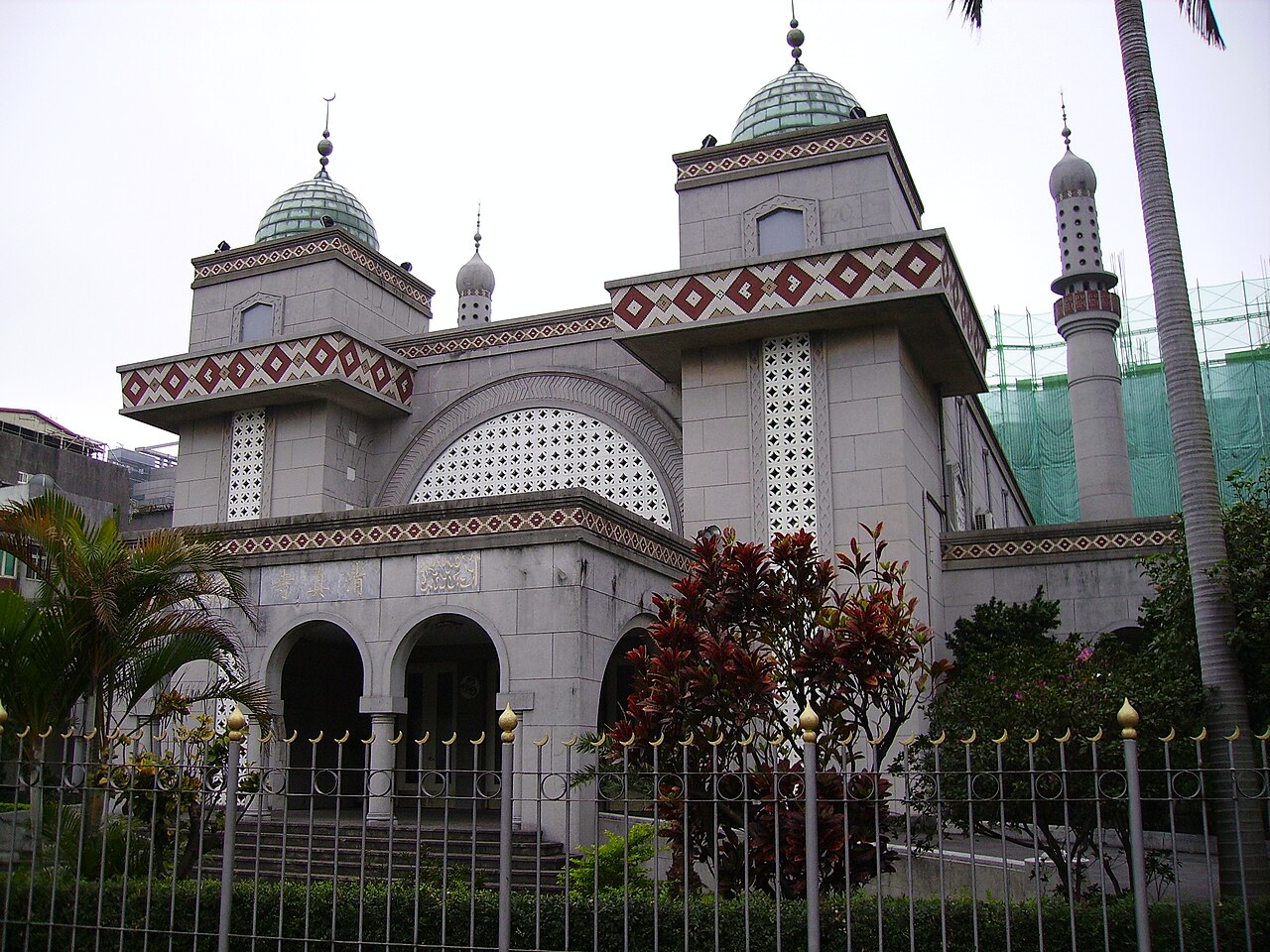
Taipei Grand Mosque is Taipei's principal Islamic house of worship and a significant cultural landmark in Taiwan's capital. Established to serve the Muslim community, it represents one of the most important Islamic institutions in the country. The mosque features distinctive Islamic architectural elements including a prominent dome and minaret. It functions as both a religious centre for daily prayers and Friday congregations, and as a visible symbol of religious diversity within Taipei. The building holds registered status in the city's official attraction inventory, confirming its recognition as a meaningful visitor destination despite operational data limitations. Non-Muslim visitor access is possible but subject to operational discretion, prayer schedules, and adherence to dress and behaviour protocols. No guaranteed public access hours are confirmed.
Checked 2026-08-26 · Source
The mosque interior follows traditional Islamic prayer hall design with gender-segregated spaces. The main prayer hall accommodates worshippers beneath the central dome, with mihrab indicating prayer direction toward Mecca. Ablution facilities are present for ritual washing before prayers. The building incorporates architectural features common to Islamic religious structures, including geometric decorative elements and calligraphic inscriptions. Visitor access to interior spaces may be restricted during prayer times and religious observances. Non-Muslim visitors should expect limited access to certain areas and should observe all posted restrictions. The interior atmosphere reflects the solemn purpose of the building as an active place of worship.
Checked 2026-08-26 · Source
A respectful exterior viewing of Taipei Grand Mosque requires approximately fifteen to thirty minutes. Visitors wishing to observe interior architecture or gain deeper understanding of the site's significance should allocate forty-five minutes to one hour. Duration depends heavily on prayer schedules and whether religious activities are in progress. Visitors must be prepared to leave promptly if called to prayer begins or if worshippers arrive for services. The site does not function as a conventional tourist attraction with extended visitor programming. Appropriate behaviour and dress are essential throughout any visit, regardless of planned duration.
Checked 2026-08-26 · Source
The mosque operates as an active religious facility with five daily prayer times, which vary throughout the year according to solar position. Friday midday prayers represent the most significant weekly congregation and are generally unsuitable for visitor presence. Visitors should avoid all prayer times out of respect. Ramadan and other Islamic observances may further restrict access. Prospective visitors must verify current accessibility through direct contact with mosque administration before planning any visit. No seasonal recommendation can be made without confirmed operational information.
Checked 2026-08-26 · Source
As a religious institution, Taipei Grand Mosque may not charge formal admission fees, though donations may be welcomed or solicited for building maintenance. Any financial contributions are voluntary and should be made through official channels if offered. Visitors should carry small denomination cash in case donation opportunities arise. Verification of current financial arrangements must be obtained directly from mosque authorities before visiting.
Checked 2026-08-26 · Source
Taipei Grand Mosque is situated in the Da'an District of Taipei. The location is accessible via Taipei's extensive public transportation network. Multiple bus routes serve the surrounding area. The nearest Taipei Metro stations require walking distance to reach the mosque. Visitors should consult current transit maps and route planners for precise connections from their origin point. Taxi and ride-hailing services provide alternative access. The mosque's position in a developed urban district means surrounding streets have regular pedestrian and vehicular traffic. Visitors should plan routes in advance and allow additional time for navigation in unfamiliar areas.
Checked 2026-08-26 · Source
Visitors must dress modestly with shoulders and knees covered; remove shoes before entering prayer areas. Behaviour should remain quiet and respectful at all times. Photography restrictions may apply inside the building. Women may face additional access limitations during certain periods. Prayer times take absolute priority over visitor presence; expect to leave immediately if requested. Food and drink should not be consumed on premises. Mobile phones must be silenced. Physical contact between unrelated men and women should be avoided. Non-Muslims should not attempt to participate in prayers. Children require close supervision. Violation of mosque protocols may result in removal.
Checked 2026-08-26 · Source
Exterior photography from public spaces may be permissible with discretion. Never photograph individuals without explicit permission, especially worshippers. Tripods and professional equipment may attract scrutiny. Flash photography is inappropriate in any religious setting. If permitted to photograph interiors, avoid capturing individuals in prayer. When in doubt, refrain from shooting and seek guidance from mosque staff. Respectful documentation of architectural features may be acceptable under specific conditions, but visitor photography is a privilege not a right.
Checked 2026-08-26 · Source
Non-Muslim visitor access is possible but subject to operational discretion, prayer schedules, and adherence to dress and behaviour protocols. No guaranteed public access hours are confirmed.
Modest attire covering shoulders and knees is essential. Remove shoes when entering prayer areas.
The mosque functions primarily as a religious facility rather than a programmed tourist destination.
Friday midday prayers represent the principal weekly congregation and are generally unsuitable for visitors. Avoid this period out of respect for worshippers.
Religious institutions typically do not charge admission, though voluntary donations may be welcomed.
Direct contact with mosque administration is necessary to verify accessibility, as no operational hours or visitor policies are confirmed through official city inventory sources.
Loading the interactive map…
The interactive map could not be loaded.


Last updated:
Source: OpenStreetMap contributors, Wikidata ·