

8 min walk
Taipei Story House
- Must see · Heritage site
- Historic monument
Language · 11 published
Museum · Taipei
林安泰古厝
Reviewed by Elena Voss · SSMTour Travel Editor
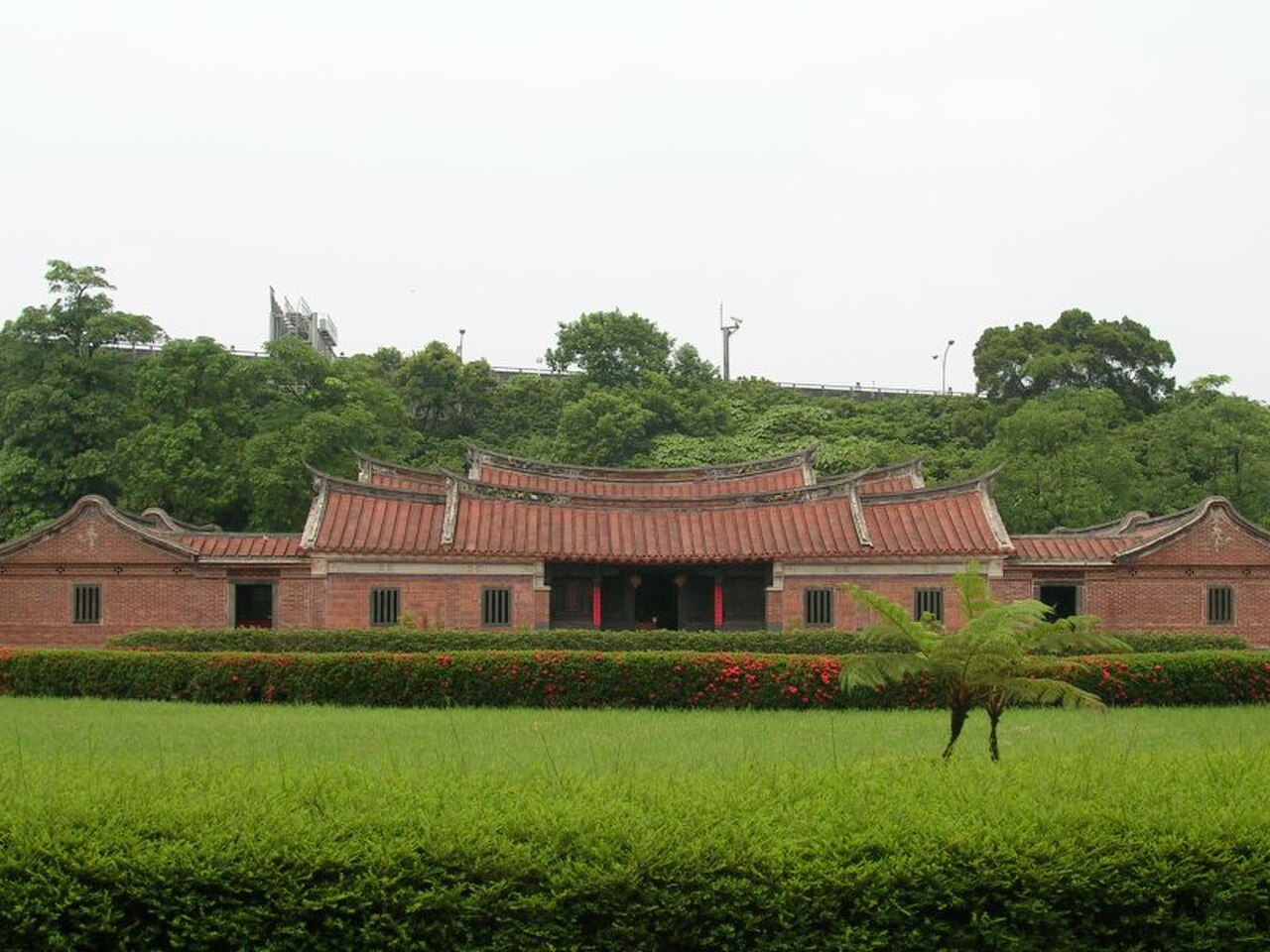
This place is a Museum. It opened in 2000.
Lin An Tai Historical House and Museum is a relocated and reconstructed traditional Taiwanese residence in Taipei. Its classical Fujian-style design reflects the domestic architecture associated with wealthy merchant families during the Qing dynasty period. The compound turns a historic house into a walkable cultural visit, where courtyards, halls, side wings, and construction details help explain family life, social hierarchy, craftsmanship, and the spatial principles behind a traditional Taiwanese home. Lin An Tai Historical House and Museum is a preserved traditional Taiwanese residence relocated and reconstructed in Taipei. The building exemplifies classical Fujian-style architecture common among wealthy merchant families during the Qing dynasty period. It serves as a cultural heritage site and museum venue, offering visitors insight into historical domestic life and construction techniques. The compound includes main halls, side wings, and courtyard spaces arranged according to traditional principles. It stands as one of Taipei's documented heritage attractions in the official city inventory. The structure has been relocated and reconstructed at its present Taipei site, preserving original architectural components and layout principles.
Checked 2026-08-26 · Source
Explore the sequence of main halls, side wings, courtyards, and exterior grounds rather than viewing the house as a single room. Carved wooden beams, stone foundations, tiled roofs, thresholds, and interior proportions reveal how the residence was built and used. Domestic furnishings and historical objects connect the architecture with everyday life, receiving guests, family organization, and ancestral practice. Open spaces around the building provide changing perspectives on its symmetry and details. The historical house contains traditional architectural elements including carved wooden beams, stone foundations, and tiled roofing characteristic of period construction. Interior spaces would have originally accommodated multi-generational family living with designated areas for ancestral worship, daily activities, and receiving guests. The museum function presents historical furnishings and domestic artifacts representative of affluent household culture.
Checked 2026-08-26 · Source
Allow about sixty to ninety minutes for the house, courtyards, architectural details, and interpretive material. A shorter visit can cover the main hall sequence and principal exterior views, while a slower visit suits architecture enthusiasts and photographers. Leave additional time if you want to study construction techniques, compare indoor and outdoor spaces, or pause in the grounds. The compact compound fits easily into a heritage-focused Taipei itinerary without demanding a full day.
Checked 2026-08-26 · Source
Visit in the morning or later afternoon for more comfortable outdoor movement and softer light across the courtyards. Taipei summers are hot and humid, winter is milder, and rain can affect the exposed grounds and tiled surfaces. Weekends and holidays may bring more visitors to the heritage setting. The house works particularly well on a day when you can combine architectural viewing with nearby parks or other cultural attractions, allowing weather to shape the outdoor portions.
Checked 2026-08-26 · Source
Treat Lin An Tai as a heritage-house and museum visit, with transport and any entry arrangements forming part of the day's practical planning. Keep small expenses separate from the value of the experience: the main reward is access to a preserved architectural environment, courtyards, and historical interpretation. A flexible budget also leaves room for food or another attraction nearby. The compound is compact, so it pairs well with other Taipei cultural stops.
Checked 2026-08-26 · Source
The historical house sits within Taipei's urban area and can be reached through the city's MRT, bus, taxi, and ride-hailing network. The final approach may require walking from rail or bus access, so plan the route as a door-to-door journey. The site fits naturally into a central Taipei heritage day, especially when combined with nearby parks and cultural places. Cycling can also suit visitors already using the city's urban routes.
Checked 2026-08-26 · Source
Historic domestic architecture brings thresholds, steps, uneven flooring, narrow passages, and exposed courtyards. These features can make movement difficult for wheelchairs and require care after rain. Follow barriers around fragile woodwork and furnishings, and keep children close near water features or delicate structures. Interior light may be subdued. Wear shoes suited to changing surfaces, and remember that the house is a heritage environment where preservation takes precedence over unrestricted movement.
Checked 2026-08-26 · Source
The compound is well suited to architectural photography: frame courtyards through doorways, use rooflines and tiled edges for layered compositions, and look for carved wood, stone texture, and balanced hall sequences. Morning and late-afternoon light can strengthen exterior relief and shadows. Keep tripods and large equipment from narrowing passages, and follow restrictions in interior rooms. Overcast weather can soften contrast in the open courtyards while preserving surface detail.
Checked 2026-08-26 · Source
Yes. The traditional residence was relocated and reconstructed at its present Taipei site.
The house represents classical Fujian-style architecture associated with wealthy Qing dynasty period merchant families in Taiwan.
Visitors can explore halls, side wings, courtyards, carved woodwork, stone foundations, tiled roofs, furnishings, and historical domestic objects.
Plan approximately sixty to ninety minutes, with extra time for close architectural study and photography.
Steps, thresholds, uneven floors, narrow passages, and exposed historic surfaces can make movement difficult for wheelchair users.
Courtyard perspectives, rooflines, carved wood, stone foundations, tiled surfaces, and symmetrical hall sequences provide the strongest subjects.
Loading the interactive map…
The interactive map could not be loaded.


Last updated:
Source: OpenStreetMap contributors, Wikidata ·