_-_panoramio_-_Tianmu_peter_(23).jpg)
21 min walk
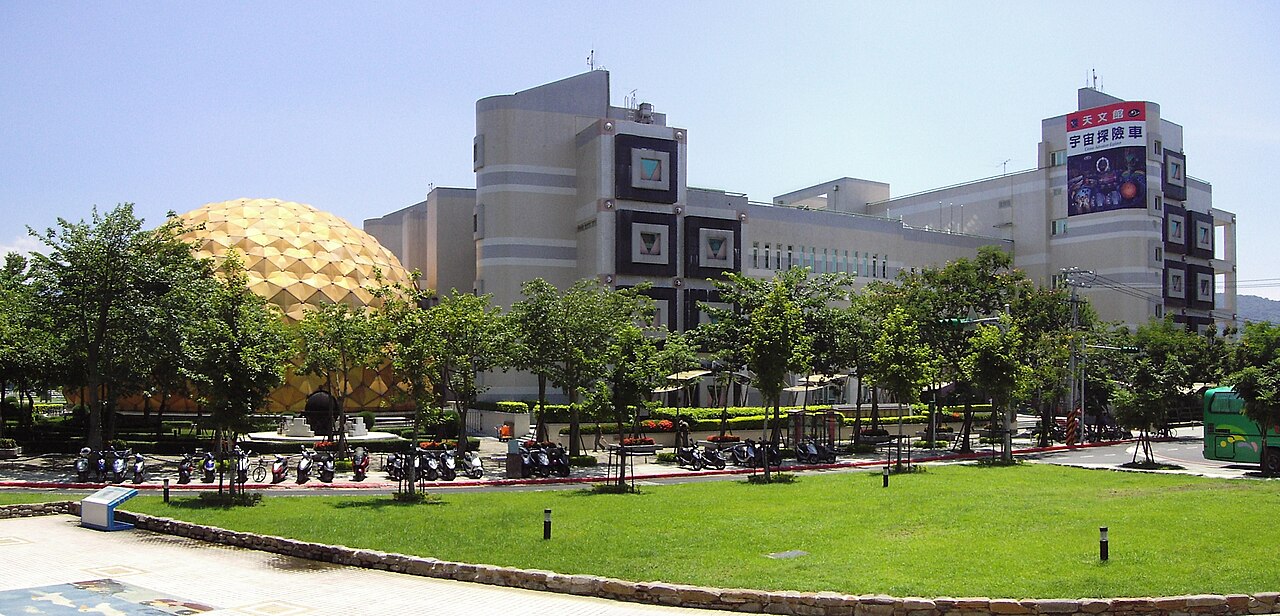
Taipei Astronomical Museum
- Must see
- Museum
Language · 11 published
Nature site · Taipei
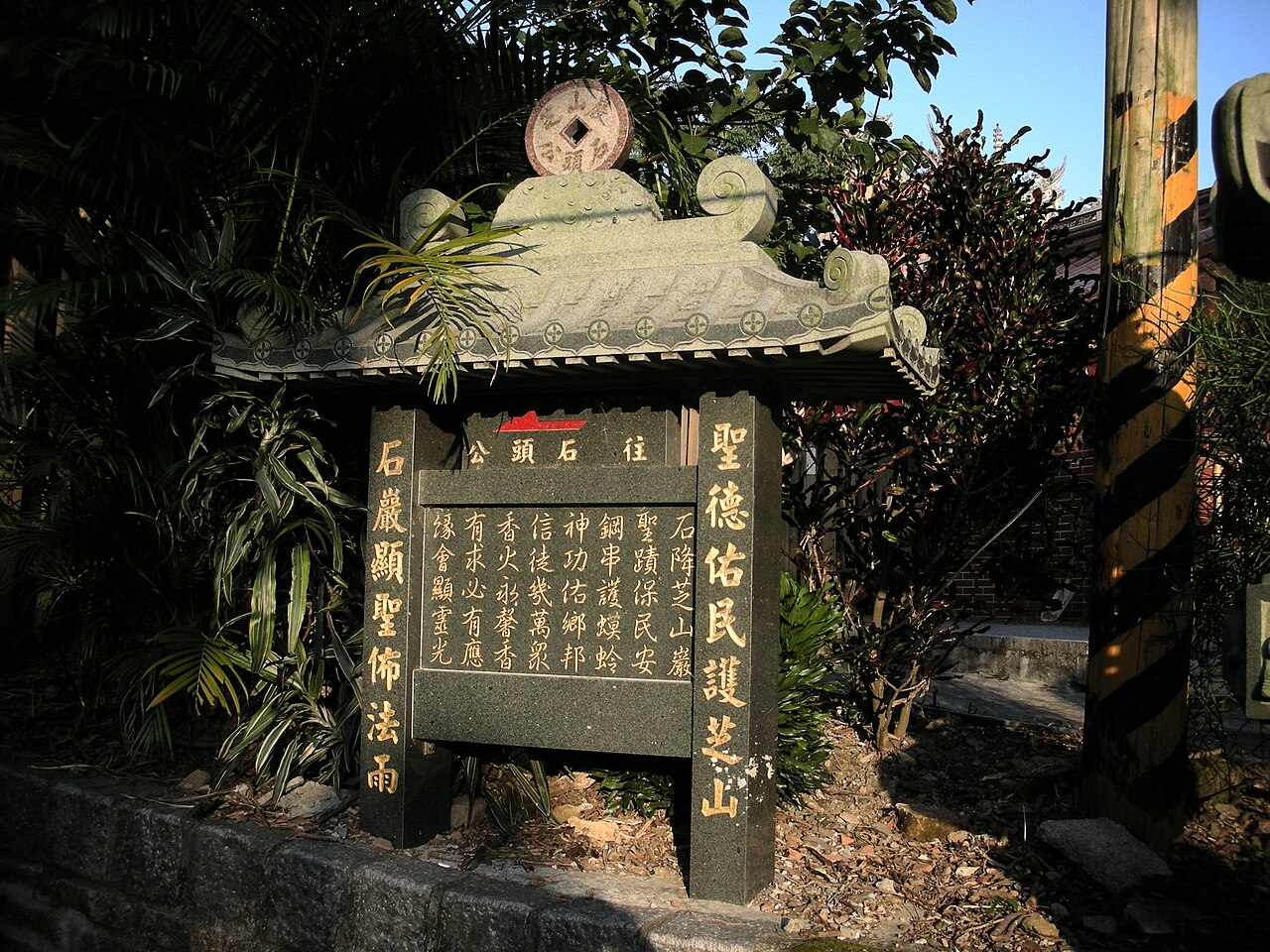
Zhishan Cultural and Ecological Garden is a green Taipei attraction that brings cultural heritage and ecological observation together in the Zhishan area. The visit suits travelers who want a slower outdoor experience within the city, with space to notice vegetation, landscape, and the relationship between preserved surroundings and urban life. It offers a change of rhythm from Taipei's dense streets and indoor attractions, especially for visitors interested in nature, education, and local heritage. Zhishan Cultural and Ecological Garden is a Taipei city attraction listed in the official municipal visitor inventory. The site combines cultural heritage elements with ecological preservation, situated in the Zhishan area. It represents one of Taipei's documented green spaces that integrates environmental education with recreational access. The garden serves as a meaningful destination for visitors interested in understanding how Taipei balances urban development with natural conservation. It combines ecological green space, environmental observation, cultural heritage, and outdoor recreation in Taipei's Zhishan area. Allow roughly one to two hours, with extra time for botany, birdwatching, photography, or detailed cultural exploration.
Checked 2026-08-26 · Source
The garden combines planted and natural green areas with cultural elements and places for environmental interpretation. Walking routes lead through outdoor spaces where visitors can observe changing vegetation and the garden's preserved character. Cultural displays or heritage features give the landscape a human story as well as an ecological one. The experience is based on moving through the grounds, pausing at points of interest, and reading the relationship between Taipei's environment and its history. The garden encompasses ecological green space with cultural components typical of Taipei's integrated park design. Visitors can expect natural vegetation areas alongside facilities supporting environmental interpretation. The cultural dimension suggests some presentation of local heritage, though exact monuments or display contents require direct visitor observation or additional official disclosure beyond current inventory listings.
Checked 2026-08-26 · Source
Set aside roughly one to two hours for a relaxed visit. An hour works for a general walk through the principal green and cultural areas. Spend longer if botany, birdwatching, environmental interpretation, or detailed photography is central to your day. The garden rewards an unhurried pace more than a fast checklist, particularly when weather is pleasant and you want time to notice small changes in vegetation, shaded paths, and open spaces.
Checked 2026-08-26 · Source
Spring and autumn are comfortable seasons for walking outdoors, while Taipei's summer heat and humidity make water, shade, and light clothing useful. Rain can change the character of paths and garden views, so a flexible outdoor plan works well. Seasonal vegetation and wildlife activity give repeat visitors different details to notice. Choose earlier or later daylight for gentler temperatures and softer landscape photography, especially when the garden forms part of a longer walking day.
Checked 2026-08-26 · Source
The garden is experienced as a public cultural and ecological attraction, with the grounds, interpretation, and surrounding travel costs forming the main practical considerations for a visitor. Carry ordinary city-travel essentials and allow for spending outside the garden if you plan to eat or drink in the Zhishan area. The appeal lies in the landscape and cultural setting, so the visit can fit comfortably into a low-cost Taipei day focused on walking and observation.
Checked 2026-08-26 · Source
Zhishan Cultural and Ecological Garden lies in Taipei's Zhishan area, within reach of the city's MRT and bus network. Rail travel normally needs a walking or bus connection for the final approach, while taxis and ride-hailing provide a direct alternative from elsewhere in the city. Use the garden as one stop in a northern Taipei route, leaving enough time for the final walk rather than treating the MRT journey as the complete door-to-door trip.
Checked 2026-08-26 · Source
Outdoor paths can be uneven or slippery after rain, and vegetation brings insects, shade changes, and damp ground. Taipei humidity makes drinking water and sun protection valuable during longer walks. Treat planted areas, wildlife habitat, and cultural features gently, keeping to paths where provided. Comfortable shoes are more useful than delicate city footwear. Families should keep children close around natural terrain and any water or heritage elements within the grounds.
Checked 2026-08-26 · Source
Use the garden's paths to frame vegetation, open green space, cultural details, and transitions between preserved landscape and Taipei's urban surroundings. Early morning and late afternoon provide softer light and more comfortable temperatures. Close studies of leaves, textures, and ecological details can complement wider views. Keep equipment compact on narrow routes, and give other walkers clear passage. Drone use is subject to Taiwanese aviation rules, so ordinary ground-level photography is the straightforward choice.
Checked 2026-08-26 · Source
It combines ecological green space, environmental observation, cultural heritage, and outdoor recreation in Taipei's Zhishan area.
Allow roughly one to two hours, with extra time for botany, birdwatching, photography, or detailed cultural exploration.
Visitors can walk through green areas, observe vegetation, explore cultural features, and engage with environmental interpretation.
The garden is in Taipei's Zhishan area, in the northern part of the city.
Comfortable shoes with secure grip are useful because outdoor paths can be uneven or slippery after rain.
Spring and autumn generally offer comfortable outdoor walking conditions, while summer is hotter and more humid.
Loading the interactive map…
The interactive map could not be loaded.


Last updated:
Source: OpenStreetMap contributors ·