
7 min walk
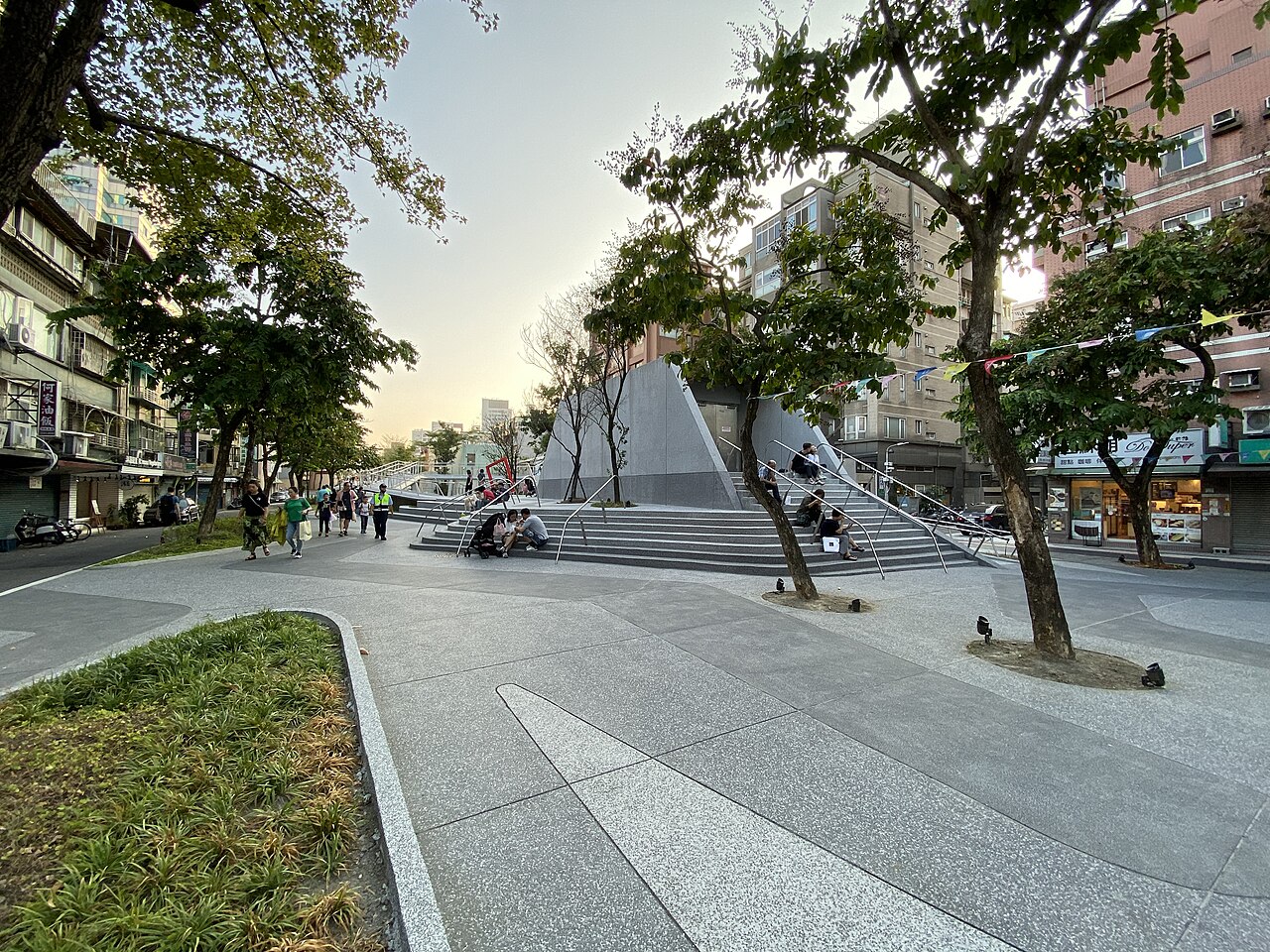
Xinzhongshan Linear Park
- Must see
- Nature site
Language · 11 published
Museum · Taipei
台北當代藝術館
| Monday | Closed |
|---|---|
| Tuesday | 10:00 – 18:00 |
| Wednesday | 10:00 – 18:00 |
| Thursday | 10:00 – 18:00 |
| Friday | 10:00 – 18:00 |
| Saturday | 10:00 – 18:00 |
| Sunday | 10:00 – 18:00 |
Checked 2026-08-31 · Source
Read from the OpenStreetMap access tags; anything not listed has no tag recorded.
Set the group type to family in the planner and the day window contracts to about three quarters of a solo day.
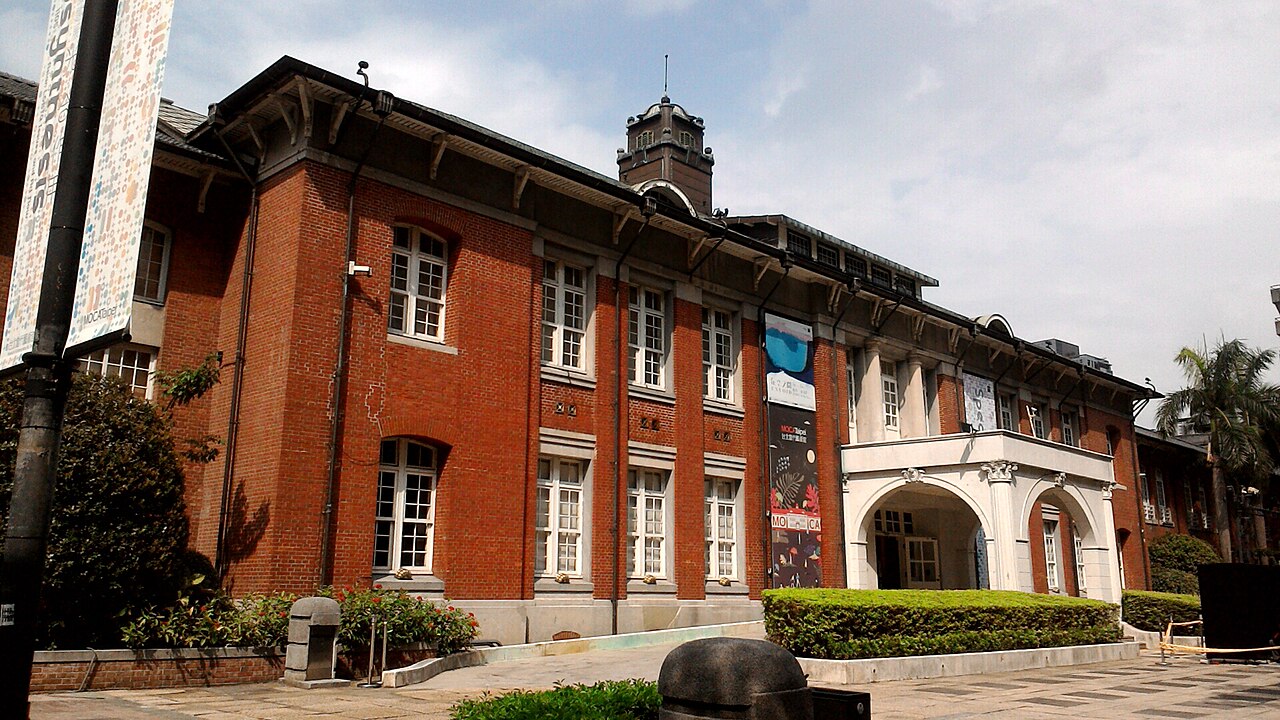
The Museum of Contemporary Art Taipei is a contemporary-art museum in a historic former school building. The setting gives the museum a distinctive character: current artistic practice is shown inside architecture with an established place in Taipei’s urban landscape. The museum functions as a venue for exhibitions, artistic discussion, and public engagement. Its programme focuses on modern and contemporary art rather than a single historical collection. Visitors who enjoy ideas, experimentation, and changing displays will find a focused cultural stop in central Taipei. The building itself forms part of the experience, because gallery rooms and historic architectural details meet in the same visit.
Checked 2026-08-26 · Source
The museum presents rotating exhibitions across different media and artistic disciplines. Visitors may encounter work by Taiwanese and international artists in curated gallery spaces, with exhibition texts helping frame the ideas behind each presentation. The historic school building provides the backdrop for these changing displays and gives the rooms a character different from a purpose-built modern gallery. Contemporary art can include conceptual work, installations, moving image, and other current practices, so the experience changes with each exhibition cycle. Allow time to read, pause, and compare the works rather than treating the museum as a quick sequence of rooms. Public or educational activities may accompany major exhibitions.
Checked 2026-08-26 · Source
Allow about one to two hours for a considered visit to the Museum of Contemporary Art Taipei. This gives enough time to move through the galleries, read exhibition texts, and spend longer with works that hold your attention. Visitors with a strong interest in contemporary art may stay longer, especially when a major exhibition occupies several rooms or includes public programming. A shorter visit still works when the museum is one stop among several in central Taipei. The right pace is deliberate: contemporary displays often reward reflection more than rapid room-to-room viewing. Build extra time only when an exhibition or event genuinely interests you.
Checked 2026-08-26 · Source
Choose a weekday morning when you want a quieter gallery experience. Weekends and holidays can bring more visitors, while the museum’s changing exhibition programme may affect how much time the visit deserves. Contemporary art displays are replaced or rearranged between exhibition periods, so the character of the visit depends on what is being shown when you arrive. Taipei’s warm, humid climate makes an indoor museum a useful part of a day when outdoor sightseeing feels uncomfortable. Pair the museum with nearby central-city walks, but keep the museum as the main stop when the exhibitions are your priority. Plan the visit around the museum’s listed programme and the time you want to spend reading and looking.
Checked 2026-08-26 · Source
Admission arrangements depend on the museum’s current exhibition programme. Contemporary art museums may use general admission, concession categories, free-entry periods, or separate arrangements for special exhibitions; the Museum of Contemporary Art Taipei’s current ticket details are not included in this guide. Treat the ticketing question as part of planning the museum visit, particularly if a temporary exhibition is the reason for going. Keep the exhibition title and museum name available when looking for the relevant visitor information. The museum experience is gallery-based and concentrated, so any ticket decision should be tied to the specific programme you intend to see rather than to a generic expectation about museums in Taipei.
Checked 2026-08-26 · Source
The Museum of Contemporary Art Taipei is located in Taipei’s urban core and can be reached through the city’s public-transport network. Taipei Metro is a practical way to approach the museum, followed by a walk through the surrounding central streets. Buses also serve the district, while taxis and ride-hailing services can bring visitors close to the venue. The exact station exit and route depend on the starting point, so use a current map for the final walking section. The central setting makes the museum easy to combine with other city stops, but leave enough time for navigation if this is your first visit to the neighbourhood.
Checked 2026-08-26 · Source
The museum occupies a historic building adapted for contemporary exhibitions, so the interior may include stairs, narrow passages, or uneven transitions. Visitors with mobility requirements should consider the building’s older structure when planning the visit. Gallery conditions can feel cool because climate control protects artworks. Exhibition content may include challenging ideas or mature themes, depending on the programme. Bags, movement through rooms, and visitor conduct are shaped by gallery rules. Popular exhibitions can make rooms busier and reduce comfortable viewing time. Read each room’s notices and follow staff directions, especially where an installation or loaned work has special handling requirements.
Checked 2026-08-26 · Source
Photography rules can differ between exhibitions and individual works. Follow the signs in each gallery and the instructions given by museum staff. Flash should not be used around artworks, and some installations may prohibit photography altogether. Where personal, non-flash photography is permitted, frame the work without blocking other visitors or interrupting their viewing. Commercial and promotional photography require separate permission. Contemporary art often includes copyright-sensitive installations, so a permission granted in one room may not apply throughout the museum. Keep the camera secondary to the exhibition and respect restrictions attached to artists’ works and lenders’ displays.
Checked 2026-08-26 · Source
The museum shows rotating modern and contemporary art exhibitions across different media and disciplines, featuring Taiwanese and international artists in curated gallery spaces.
Allow about one to two hours for the galleries, exhibition texts, and considered viewing. Visitors with a strong interest in contemporary art may stay longer.
The museum is housed in a historic building that once served as a school, giving contemporary exhibitions an architectural setting with an established place in Taipei’s cityscape.
Children can experience the museum as a gallery visit, although contemporary exhibitions may explore complex ideas or mature themes. Adult guidance helps children engage with the displays respectfully.
Taipei Metro and city buses serve the central urban area around the museum. Taxis and ride-hailing services provide a direct alternative, while the final approach is on foot from public transport.
Photography rules vary by exhibition and artwork. Follow gallery notices and staff guidance, avoid flash, and expect some installations to prohibit photography. Commercial photography requires separate permission.
Loading the interactive map…
The interactive map could not be loaded.

Last updated:
Source: OpenStreetMap contributors, Wikidata ·