
.jpg)
.jpg)
.jpg)
.jpg)
.jpg)

4 min walk
饒河街觀光夜市
- Must see
- Market
Language · 1 published
Place of worship · Taipei
松山慈祐宮
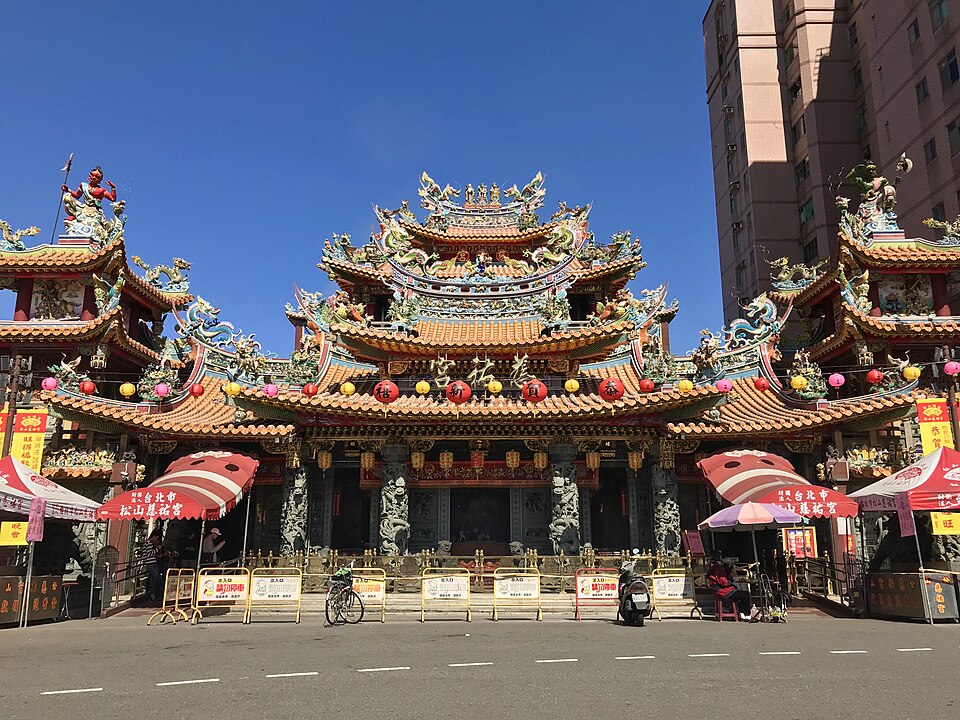
Songshan Ciyou Temple, known locally as 松山慈祐宮, is a significant religious site in Taipei's Songshan district. The temple holds established standing in the city's official attraction inventory, confirming its relevance to visitors exploring Taipei. Dedicated to Mazu, the sea goddess widely venerated across Taiwan and coastal Chinese communities, the temple represents an enduring spiritual and cultural institution. Its documented presence in municipal records underscores its role as a meaningful destination for those seeking to understand local religious practice and community heritage within the urban fabric of Taiwan's capital.
Checked 2026-08-26
The interior of Songshan Ciyou Temple follows traditional Taiwanese temple architecture, featuring ornate decorative elements characteristic of Mazu temples. Visitors encounter elaborately carved wooden structures, painted ceiling panels, and ceremonial implements used in religious observance. The main hall centers on the Mazu icon, surrounded by attendant deities in hierarchical arrangement. Incense burners receive continuous offerings from worshippers. Decorative roof figures and ceramic adornments exemplify craft traditions. The spatial organization reflects conventional temple layout with progression from outer courtyard through intermediate halls to the inner sanctum, creating layered experiential depth for both devotees and observers.
Checked 2026-08-26
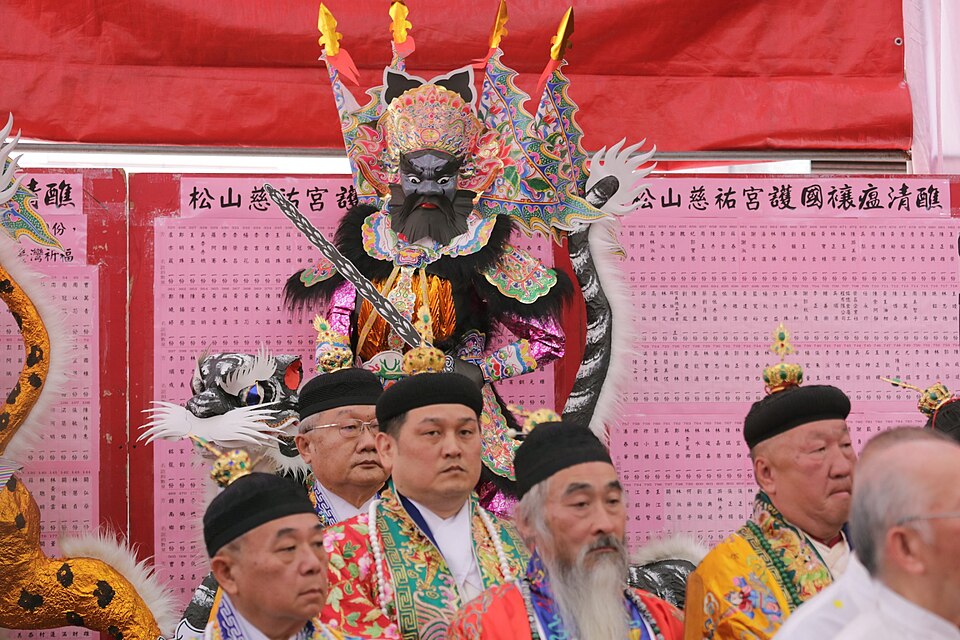
A visit to Songshan Ciyou Temple typically requires between thirty minutes and one hour for adequate appreciation of the architectural and cultural elements. Casual observers may complete a circuit more quickly, while those interested in detailed examination of decorative carvings, inscription reading, or observation of ritual activities should allocate additional time. The compact urban site does not demand extensive walking. Visitors intending to witness worship practices or attend ceremonial occasions may need to extend their stay. Integration with surrounding Songshan neighborhood exploration can reasonably expand the overall visit duration to half a day.
Checked 2026-08-26

Operator-confirmed hours are Not recorded pending review. The temple functions as an active religious site with regular worship activity, suggesting morning and evening hours see greatest devotional use. Visitors seeking atmospheric experience may find early morning or late afternoon visits rewarding for observation of community prayer patterns. Major Mazu festivals, particularly the lunar birthday observance, would draw intensified activity though specific annual dates are not confirmed in available sources. Weekends likely experience elevated local attendance. Visitors should verify current operational status independently before planning, as religious sites may modify access during private ceremonies or maintenance periods.
Checked 2026-08-26
Operator-confirmed prices are Not recorded pending review. As an operational religious institution rather than commercial tourist facility, Songshan Ciyou Temple most likely maintains free admission, consistent with standard practice for Taiwanese temples. Voluntary donation boxes typically support temple maintenance and charitable functions. No ticketing infrastructure is indicated in available documentation. Visitors should carry modest cash for discretionary contributions if moved to support the institution. Any organized tour fees would apply to external service providers rather than temple admission. Verification of current financial arrangements remains advisable through direct inquiry or official Taipei tourism channels before visit commitment.
Checked 2026-08-26
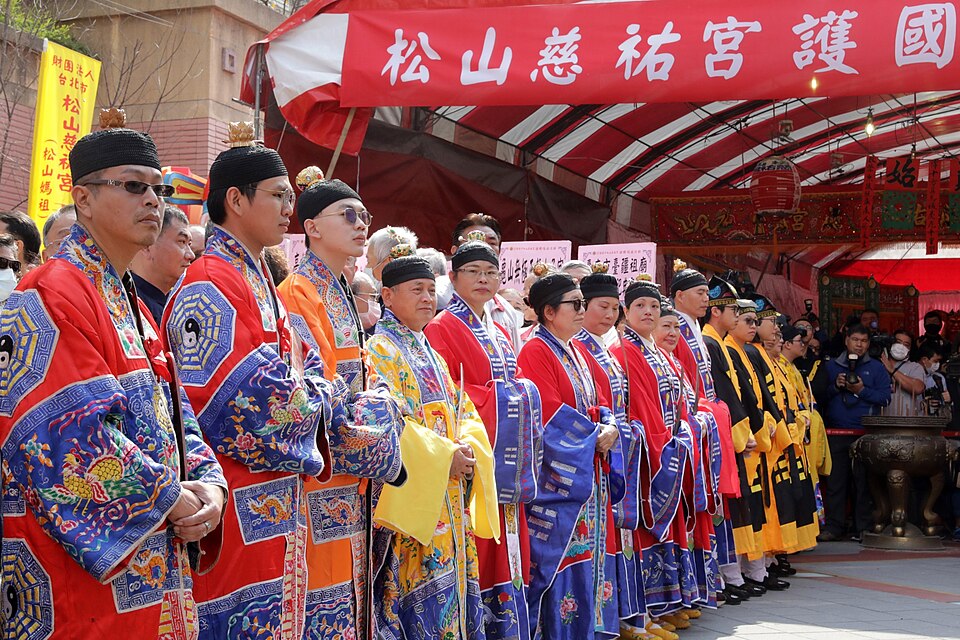
Songshan Ciyou Temple occupies a position in Taipei's Songshan district, served by the city's extensive public transportation network. The MRT system provides primary access, with the Songshan Airport station on the Wenhu Line and Songshan station on the Green Line offering nearby connectivity. Multiple bus routes traverse the district. The temple's urban location implies walkable approach from transit stops through established street networks. Taxi and ride-hail services operate throughout Taipei. Cyclists may utilize the city's Ubike sharing system where station proximity permits. Specific walking directions from identified transit points require on-site verification or digital mapping consultation.
Checked 2026-08-26

Visitors should observe respectful conduct appropriate to active religious premises. Photography restrictions may apply in interior spaces; visitors must verify permissibility before capturing images. Incense smoke concentration can affect respiratory sensitivity. Crowded conditions during festival periods demand personal security awareness. Proper attire covering shoulders and knees demonstrates cultural sensitivity. Offerings and ritual items should not be disturbed. Queue discipline applies during popular prayer times. The urban temple environment presents standard city hazards including traffic at surrounding intersections. Weather protection may be limited within open courtyard areas. Visitors with mobility considerations should assess step access and interior terrain independently.
Checked 2026-08-26
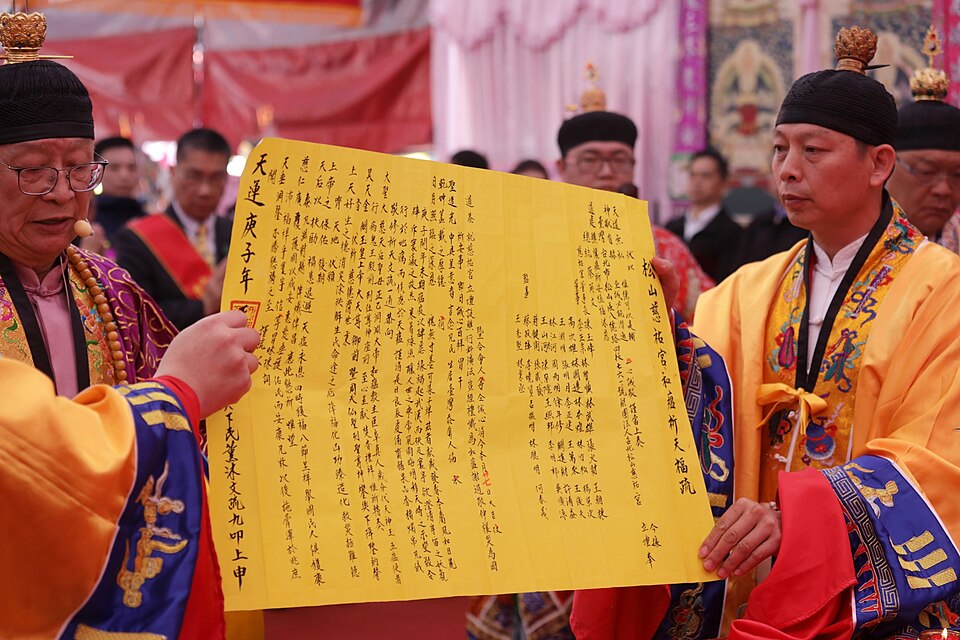
Photographic opportunities at Songshan Ciyou Temple encompass traditional architectural elements including roof silhouettes, carved brackets, and ceramic decorations. Exterior facades permit documentation of structural composition against urban context. Interior photography requires confirmed permission given active worship function. Incense haze creates atmospheric effects but challenges exposure control. Early or late daylight enhances dimensional modeling of sculptural details. Wide-angle lenses accommodate spatial constraints within halls. Respectful distance from devotees remains essential; telephoto options enable discrete observation. Tripod use likely restricted during busy periods. Flash photography potentially prohibited near devotional images. Visitors must prioritize cultural sensitivity over comprehensive documentation.
Checked 2026-08-26
Yes, the temple is retained in the official city attraction inventory accessible through the primary tourism portal.
No, production has no POI assigned through Taipei's city_place_id, so it remains absent without a near match.
The temple is dedicated to Mazu, the sea goddess of significant cultural importance across Taiwan.
No, operator-confirmed hours are Not recorded pending review.
Operator-confirmed prices are Not recorded pending review, though free admission is typical for Taiwanese religious institutions.
The OpenStreetMap identifier is way/197842872.
Loading the interactive map…
The interactive map could not be loaded.

Last updated:
Source: OpenStreetMap contributors, Wikidata ·