
.jpg)


2 min walk
Guangdu Fude Temple
- Notable
- Place of worship
Language · 1 published
Place of worship · Taipei
關渡宮
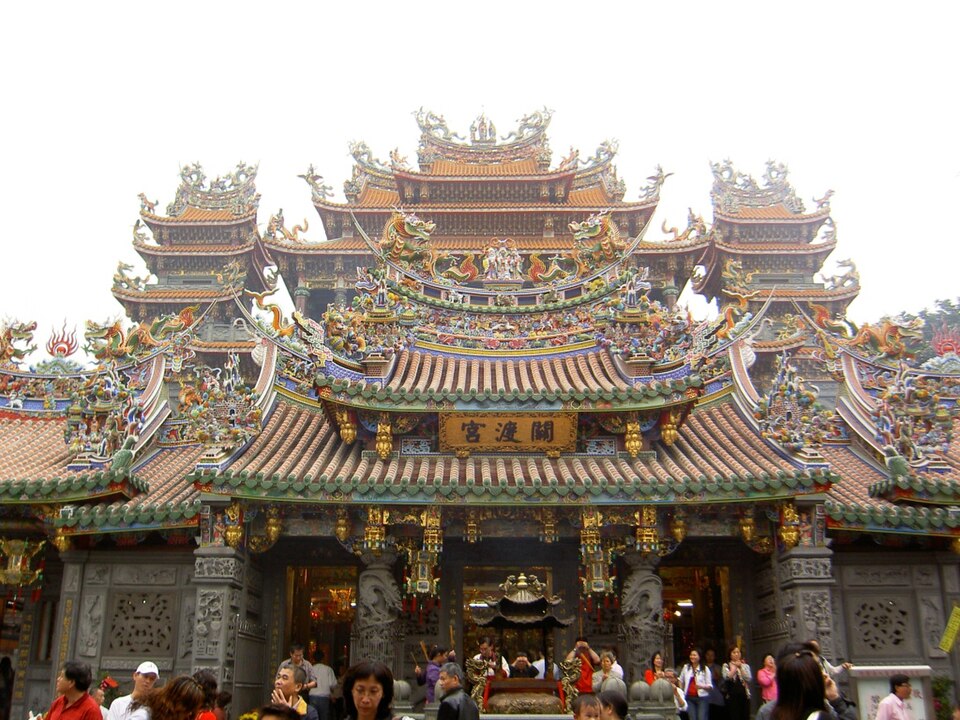
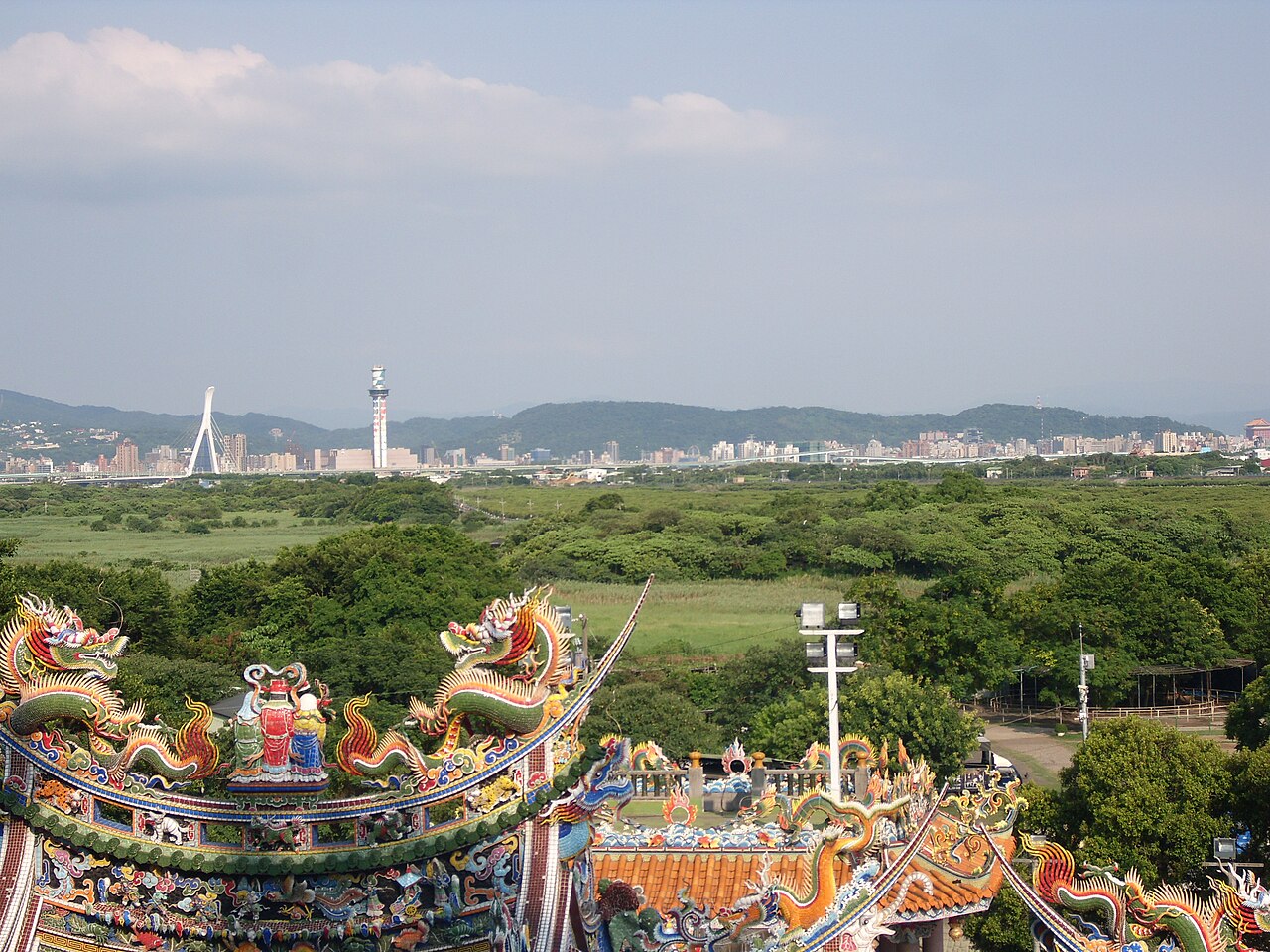
Guandu Temple, known locally as 關渡宮, stands as one of Taipei's significant religious landmarks. The temple holds established recognition within Taipei's official city attraction inventory, confirming its status as a meaningful destination for visitors exploring the capital's cultural heritage. Dedicated to the sea goddess Mazu, the temple represents an important center of Taiwanese folk religious practice. Its elevated position overlooking the Tamsui River contributes to its distinctive setting. The structure serves as both an active place of worship and a documented point of interest for those seeking to understand Taiwan's temple architecture and spiritual traditions.
Checked 2026-08-26
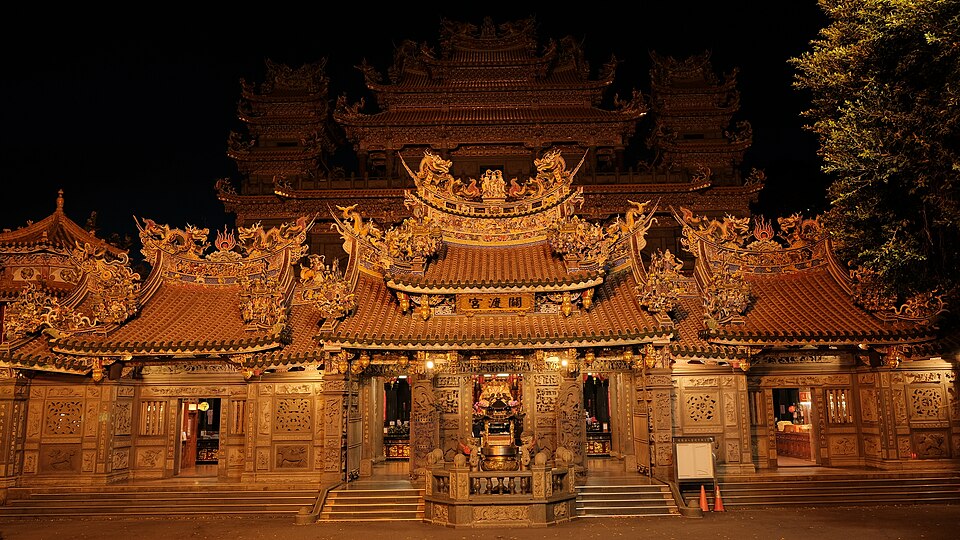
The temple complex encompasses multiple halls and structures typical of major Taiwanese religious institutions. Visitors encounter elaborate decorative elements including carved pillars, painted beams, and ornamental roof figures that demonstrate traditional craftsmanship. The main sanctuary houses the principal deity image, while subsidiary altars accommodate attendant gods and ancestral figures. Incense burners receive continuous offerings from worshippers. Stone lions guard entrances according to convention. The riverside location provides natural surroundings that complement the built environment. Interior spaces maintain the atmospheric qualities of functioning sacred space, with lighting conditions varying by area and time of day.
Checked 2026-08-26

A complete visit to Guandu Temple typically requires between forty-five minutes and ninety minutes depending on individual pacing and interests. Brief observational stops may conclude within thirty minutes for those focused on exterior architecture and principal interior spaces. More deliberate examination of decorative details, photographic documentation, or participation in ritual observation extends duration accordingly. The temple's multi-level layout and spread of subsidiary structures necessitates walking between points of interest. Visitors should allocate additional time for approach from parking or transit access points. Personal engagement with religious practice or consultation with temple staff further affects time requirements.
Checked 2026-08-26
Operator-confirmed hours are Not recorded pending review. Visitors should verify current opening arrangements through direct contact with temple administration or official Taipei tourism channels before planning arrival. Religious sites in Taiwan typically maintain early morning through evening accessibility, though specific schedules vary by institution and may change seasonally or for ceremonial occasions. Festival periods surrounding Mazu's birthday and other lunar calendar observances bring heightened activity that may interest or deter visitors depending on preference for atmospheric conditions. Weather considerations include Taiwan's subtropical climate with summer heat and humidity, winter coolness, and persistent rainfall potential throughout the year.
Checked 2026-08-26
Operator-confirmed prices are Not recorded pending review. The majority of Taiwanese temples operate without admission charges, relying instead on voluntary donations and devotional offerings for maintenance. Visitors should carry small denomination currency for contribution boxes should they wish to participate in this customary practice. Any special exhibitions, cultural programs, or managed services potentially incurring fees require verification with official sources. Budget-conscious travelers may reasonably anticipate cost-free access for standard visitation purposes. Expenditure considerations extend to transportation, incidental offerings, and any commercial services in surrounding areas rather than temple entry itself.
Checked 2026-08-26

Guandu Temple occupies a position in Taipei's northern Guandu district accessible through the city's public transportation network. The Guandu Station on the Taipei Metro Tamsui-Xinyi Line provides the nearest rapid transit connection, requiring subsequent walking or local transfer to reach the temple precinct. Bus services operate in the broader district with stops requiring route verification against current schedules. Private vehicle access involves roads serving the Tamsui River corridor with parking availability to be confirmed on arrival. Cycling represents an alternative along riverside paths for appropriately equipped visitors. Journey planning should account for Taipei metropolitan area traffic patterns affecting travel times.
Checked 2026-08-26

Active religious practice takes precedence over tourism at this functioning temple; visitors must maintain respectful conduct throughout. Photography restrictions may apply in certain interior spaces requiring attention to posted guidance or staff direction. Incense smoke concentration varies with ritual activity and may affect respiratory sensitivities. Stepped approaches and uneven surfaces throughout the hillside complex present mobility challenges requiring appropriate footwear and caution. Crowding intensifies during festival periods and weekend peak times. Offerings and devotional materials belong to worshippers and should not be disturbed. Dress standards favor modest coverage of shoulders and knees as conventional for sacred sites across Taiwan.
Checked 2026-08-26

Exterior architectural photography captures the temple's riverside situation, roofline silhouettes, and decorative elements under varying natural light conditions. Morning and late afternoon angles may optimize illumination of the principal facades. Interior photography requires sensitivity to worshippers' privacy and spiritual focus; explicit permission or restriction awareness applies. Incense haze creates atmospheric effects that challenge technical execution while producing distinctive visual character. Tripod use potentially obstructs circulation paths and should be deployed with spatial awareness. Flash equipment may disturb religious activity and should generally be avoided. The surrounding landscape including river views offers supplementary compositional opportunities beyond temple structures themselves.
Checked 2026-08-26
Yes, Guandu Temple is retained as a meaningful Taipei visitor destination documented in the official city attraction inventory accessible through https://www.travel.taipei/en/attraction.
Production has no POI assigned through Taipei's city_place_id, so it remains absent without a near match.
The local name is 關渡宮.
No, operator-confirmed hours are Not recorded pending review.
No, operator-confirmed prices are Not recorded pending review.
Guandu Temple is dedicated to Mazu, the sea goddess, representing an important center of Taiwanese folk religious practice.
Loading the interactive map…
The interactive map could not be loaded.
Last updated:
Source: OpenStreetMap contributors, Wikidata ·