

9 min walk
Guangdu Fude Temple
- Notable
- Place of worship
Language · 11 published
Nature site · Taipei
關渡自然公園
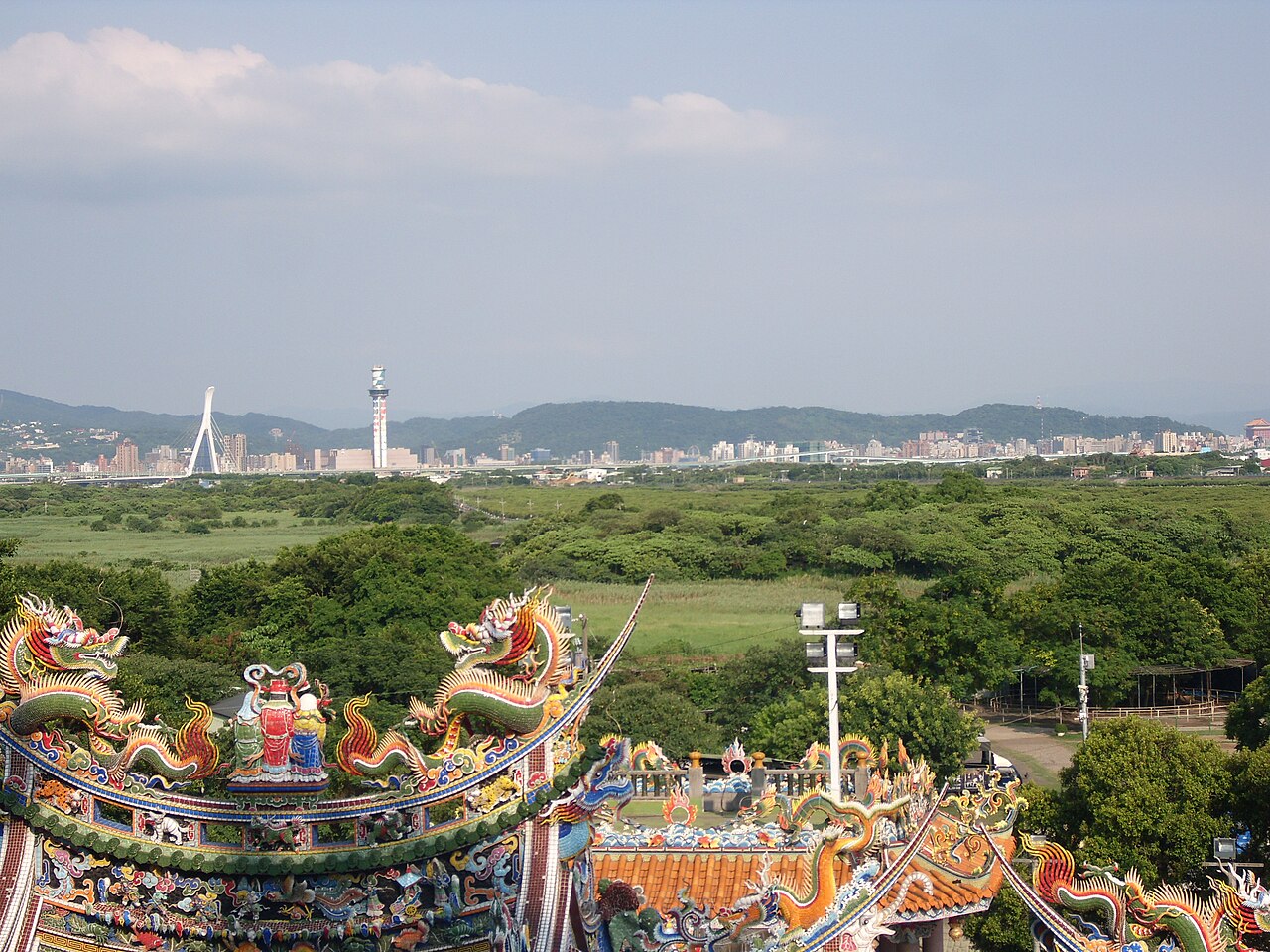
Guandu Nature Park is a protected wetland area in northern Taipei, known locally as 關渡自然公園. The park occupies a significant ecological zone where the Tamsui River meets the sea, creating a habitat of international importance for migratory birds. Despite its status as a documented Taipei visitor destination in the official city attraction inventory, the site operates without a city_place_id assignment, indicating administrative gaps in Taipei's POI system. The park represents one of Taiwan's most accessible natural reserves within an urban context.
Checked 2026-08-26
The park encompasses tidal flats, mangrove forests, freshwater ponds, and marshlands that support diverse wildlife populations. Birdwatching infrastructure includes observation hides and elevated boardwalks designed for minimal habitat disturbance. Educational facilities and interpretive signage explain wetland ecology and conservation significance. The landscape transforms dramatically with tidal cycles and seasonal migrations. Visitors should expect natural terrain rather than manicured gardens, with trails threading through vegetation zones that demonstrate coastal estuary dynamics. The interior composition reflects active ecological processes rather than static displays.
Checked 2026-08-26
A thorough exploration of Guandu Nature Park typically requires two to three hours for visitors wishing to traverse the main trail network and utilize observation points effectively. Birdwatchers often extend visits to four hours or more, particularly during peak migration periods when species diversity increases dramatically. The duration depends heavily on personal interest in wildlife observation, photography patience, and tidal conditions affecting accessible areas. Casual visitors completing a circuit walk without extended stops may finish in ninety minutes. Planning for variable pacing allows appreciation of subtle ecological changes across the wetland zones.
Checked 2026-08-26
Seasonal timing significantly impacts visitor experience due to migratory bird patterns, with winter months generally attracting greater waterfowl diversity. Early morning and late afternoon typically offer optimal wildlife activity and lighting conditions for observation. Summer visits present different avian residents and lush vegetation, though heat and humidity may affect comfort. Tidal schedules influence visible habitat areas and species accessibility. Visitors should verify current operational status independently before travel, as wetland conditions and management decisions may affect accessibility without comprehensive public notification systems. Check the operator's own site for the travel date before relying on a schedule or fare.
Checked 2026-08-26
The absence of city_place_id assignment through Taipei's official system complicates verification of current fee structures, concession policies, or reservation requirements. Some Taiwanese nature reserves operate with nominal entrance fees supporting maintenance, while others maintain free access with donation requests. Group rates, educational program charges, and special exhibition costs may apply separately from basic admission. Visitors should prepare for multiple payment scenarios and confirm actual costs immediately before visiting through direct contact with park administration or on-site signage rather than relying on potentially outdated secondary sources. Check the operator's own site for the travel date before relying on a schedule or fare.
Checked 2026-08-26
Guandu Nature Park occupies a location in Taipei's northern district accessible via the city's public transportation network. The Guandu MRT station on the Tamsui-Xinyi line provides the nearest rapid transit connection, requiring additional walking or local bus transfer to reach the entrance. Road access exists for private vehicles and taxis, though parking availability fluctuates with visitor volume and special events. Cycling routes connect the park to riverside paths extending toward Tamsui. Visitors should consult current transit schedules and allow buffer time for the final approach segment, as signage density decreases near the wetland perimeter.
Checked 2026-08-26
Mosquito prevalence demands protective measures including repellent and covering clothing, particularly during warmer months and near stagnant water areas. Tidal fluctuations may suddenly alter path conditions and accessible zones without warning signage. Uneven boardwalk surfaces and muddy sections require appropriate footwear with traction. Wildlife disturbance regulations prohibit approaching nesting areas or using flash photography near sensitive species. Weather changes near the river mouth occur rapidly; carrying rain protection remains prudent. Limited shelter infrastructure means extended exposure during precipitation. Visitor facilities including restrooms and drinking water may have restricted distribution across the large site area.
Checked 2026-08-26
The wetland environment presents distinctive photographic opportunities requiring specialized preparation. Long lenses prove essential for bird photography given observation distance requirements and habitat protection protocols. Tripod use may face restrictions on narrow boardwalks during peak visitation. Reflection potential in ponds and channels offers creative composition possibilities during calm conditions. Overcast skies often provide superior exposure balance than harsh midday contrast. Dawn and dusk periods deliver atmospheric lighting though access timing depends on operational hours. Wind across open water affects stability for detailed shots. Visitors should prioritize wildlife welfare over image acquisition, accepting observation limitations as inherent to ethical nature photography.
Checked 2026-08-26
The park accommodates families but requires preparation. Boardwalks and natural terrain present challenges for strollers. Mosquito protection and appropriate footwear are essential. Educational value depends on children's interest in wildlife observation versus active recreation.
Standard access procedures are Not recorded pending review of current operator requirements. Some Taiwanese nature reserves implement capacity controls during peak periods or special events. Visitors should verify status before travel.
Formal programming details are Not recorded pending review. Many Taiwanese ecological sites offer volunteer-led or scheduled educational tours, though English-language availability varies considerably. Independent exploration remains viable with interpretive signage.
Species presence fluctuates seasonally and daily. Resident birds, fish, and invertebrates inhabit the wetlands year-round. Migratory waterfowl concentrations peak during northern hemisphere winter months. Specific guarantees are impossible in natural settings.
Boardwalk infrastructure provides some level access, though total trail coverage and condition details are Not recorded pending review. Natural terrain, tidal variations, and distance from transit create variable challenges. Direct facility inquiry recommended.
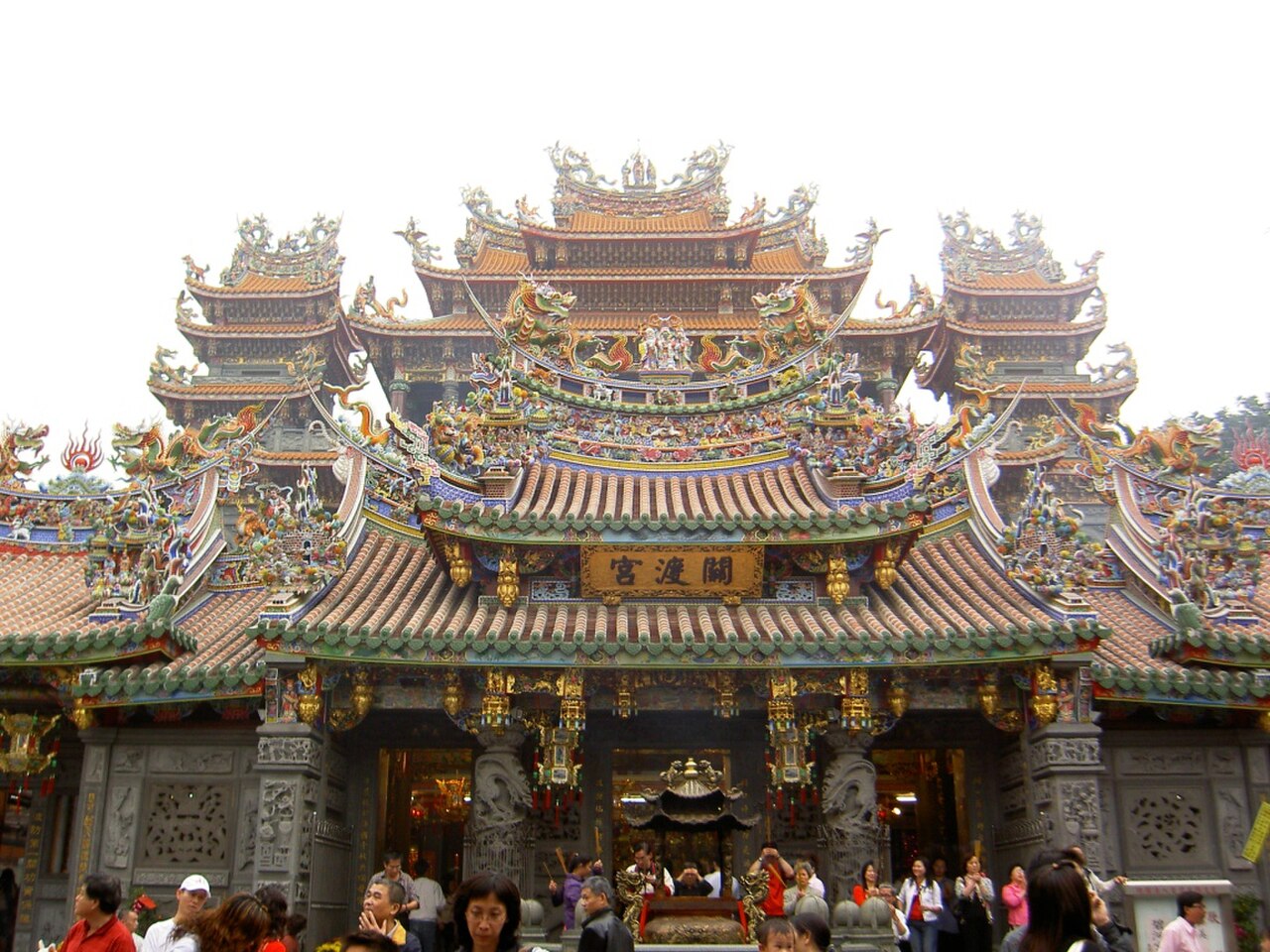
Guandu Nature Park focuses on wetland ecology and wildlife conservation. The separately administered Guandu Temple is a religious site with cultural significance. Visitors occasionally confuse the two destinations; confirm intended location when arranging transport.
Loading the interactive map…
The interactive map could not be loaded.
Last updated:
Source: OpenStreetMap contributors, Wikidata ·