


.jpg)
.jpg)
.jpg)

23 min walk
Taipei Zoo
- Must see
- Family attraction
Language · 1 published
Place of worship · Taipei
指南宮

Zhinan Temple, known locally as 指南宮, stands as a significant religious site in Taipei's Wenshan District. Perched on the slopes of Zhinan Mountain, this Taoist temple complex serves as an important center of worship and pilgrimage. The temple honors Lü Dongbin, one of the Eight Immortals in Chinese mythology, making it a focal point for devotees seeking guidance in relationships and examinations. Its mountain setting offers visitors a spiritual retreat from urban density. The temple complex has earned recognition in Taipei's official attraction inventory, confirming its status as a documented visitor destination despite administrative gaps in city POI assignment.
Checked 2026-08-26
The temple complex comprises multiple halls and structures distributed across terraced levels. Main worship halls contain altars dedicated to various deities within the Taoist pantheon. Visitors encounter traditional architectural elements including curved rooflines, ornamental carvings, and incense burners. The layout follows classical Chinese temple design principles, with progression through courtyards and ascending pathways. Decorative details reflect craftsmanship in wood, stone, and ceramic materials. The mountain integration creates atmospheric transitions between built structures and natural surroundings. Specific interior contents, artifact inventories, and exact building functions remain Not recorded pending review of authoritative documentation from temple management or heritage authorities.
Checked 2026-08-26
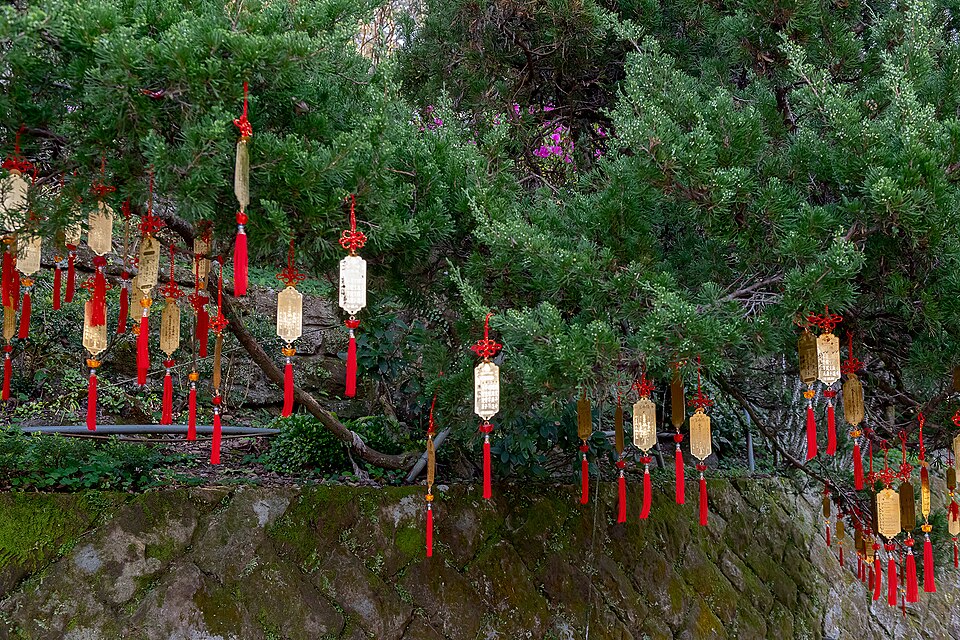
Visitor duration at Zhinan Temple varies considerably based on individual purpose and pace. Casual visitors typically allocate one to two hours for circuiting the main temple areas, appreciating architecture, and absorbing mountain atmosphere. Devotees engaging in prayer rituals, incense offerings, or consultation services may extend their stay substantially. Photography enthusiasts and those seeking panoramic viewpoints should factor additional time. The terraced layout and elevation changes between structures naturally slow progression. Combined visits with nearby Maokong tea plantations or gondola experiences extend typical outings. Visitors should assess personal mobility, as hillside navigation demands reasonable physical condition regardless of intended depth of exploration.
Checked 2026-08-26
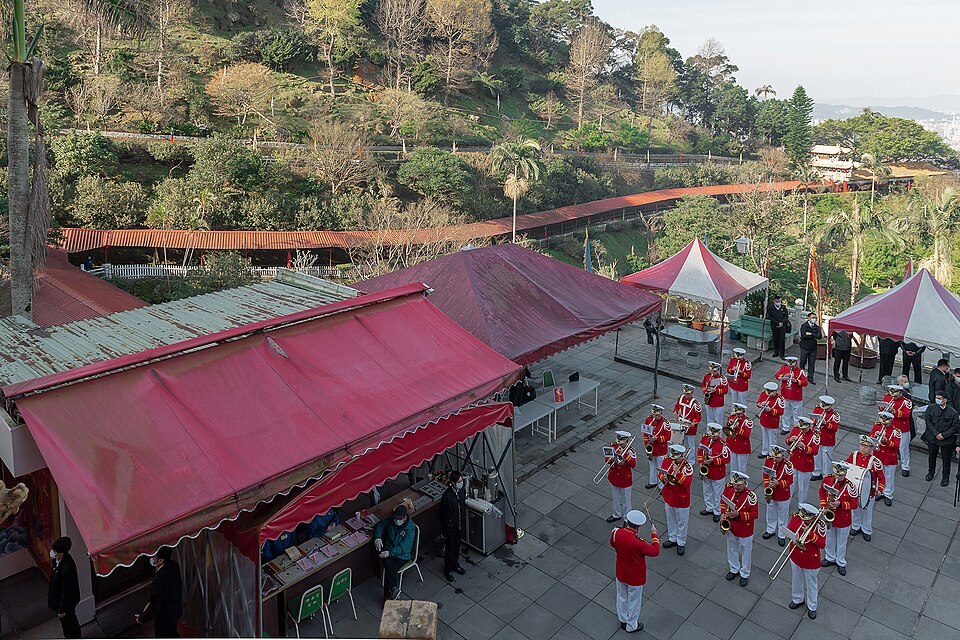
Operator-confirmed hours are Not recorded pending review. Visitors should independently verify current accessibility before planning visits, as religious sites often maintain variable schedules tied to ritual calendars, maintenance periods, or seasonal adjustments. Early morning and late afternoon typically offer favorable lighting for appreciation of architecture and mountain vistas. Major lunar calendar festivals, particularly those honoring Lü Dongbin, likely draw increased devotional activity and potential congestion. Weekday visits may provide quieter contemplative experiences compared to weekends when local worshippers and domestic tourists concentrate. Weather considerations include mountain mist affecting visibility and rainfall creating slippery pathway conditions on exposed slopes.
Checked 2026-08-26
Operator-confirmed prices are Not recorded pending review. Many Taiwanese religious sites operate without admission charges, though voluntary donations support maintenance and ritual activities. Visitors should carry modest cash for contribution boxes, incense purchases, or ceremonial items if participating in worship practices. Any implemented ticketing would likely be nominal given the temple's religious function and public accessibility tradition. Budget planning should prioritize transportation costs, particularly Maokong Gondola fares if incorporating that access route. Refreshments at nearby tea houses represent additional expenditure. Financial preparation for unpredictable requirements demonstrates respectful visitor conduct at active religious institutions regardless of formal fee structures.
Checked 2026-08-26
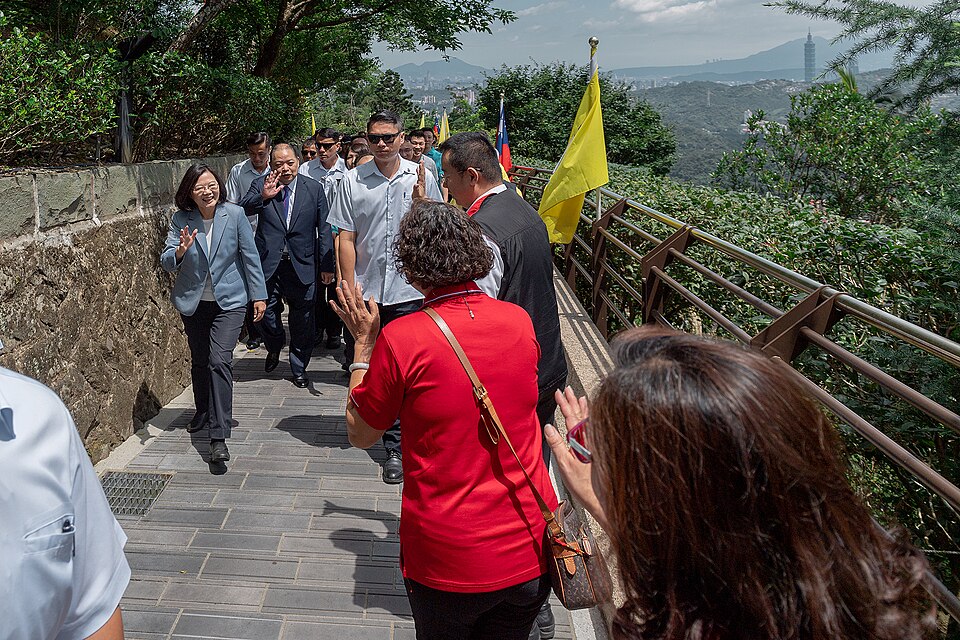
Zhinan Temple occupies mountainous terrain requiring deliberate transportation planning. The Maokong Gondola provides scenic aerial access from Taipei Zoo MRT station, with walking connections from gondola stops to temple approaches. Road access exists for private vehicles and taxis, though narrow mountain routes demand cautious navigation. Public bus services operate with limited frequency on winding hillside roads. Physical approach from any transport terminus involves uphill walking on paved paths and stairways. Visitors with mobility limitations should research specific accessibility conditions before committing to visit. Return journey timing requires attention to gondola operating schedules or bus departure frequencies, particularly for evening departures when service diminishes.
Checked 2026-08-26
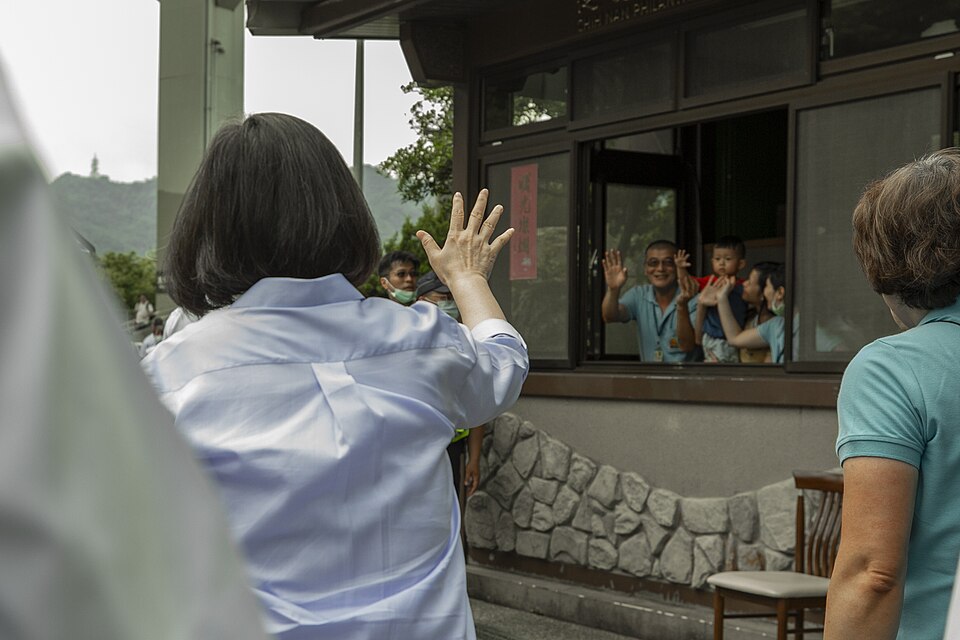
Mountain weather changes rapidly; fog reduces visibility and rain creates hazardous walking surfaces on stone pathways and stairs. Proper footwear with traction is essential. Temple etiquette requires respectful conduct: moderate volume, appropriate attire covering shoulders and knees, and observance of photography restrictions in sacred spaces. Incense smoke concentration may affect respiratory-sensitive individuals. Free-roaming wildlife including monkeys occasionally appears in surrounding forests; maintain distance and secure food items. Pathway lighting varies; carry illumination for dawn or dusk navigation. Cellular signal strength fluctuates on mountain slopes. Emergency preparedness includes water, basic supplies, and awareness that medical assistance requires descent to urban areas.
Checked 2026-08-26
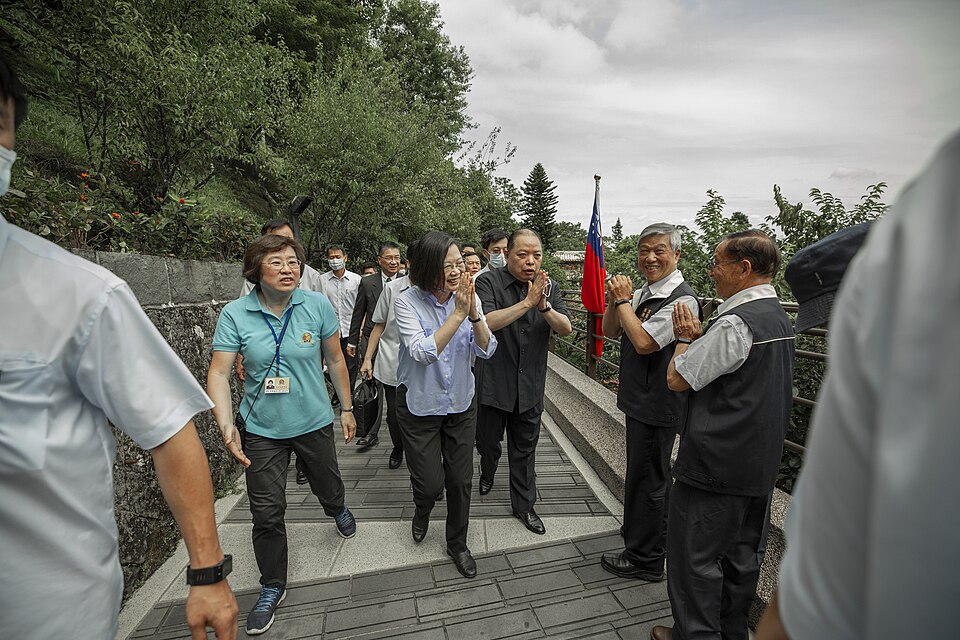
The temple's mountain positioning creates compelling photographic opportunities combining religious architecture with natural backdrop. Morning mist and atmospheric conditions produce dramatic visual effects, though unpredictability challenges planning. Exterior architectural details reward close attention to ornamental craftsmanship. Panoramic city views emerge during clear conditions from elevated vantage points. Interior photography requires sensitivity to active worship; restrictions likely apply in main altar areas. Tripod use may obstruct narrow pathways and crowded spaces. Optimal conditions balance sufficient natural light with manageable contrast between shaded structures and bright sky. Respectful distance from devotees preserves their spiritual practice while capturing environmental context. Equipment protection from incense residue and humidity warrants consideration.
Checked 2026-08-26
Not recorded. The terraced hillside location with stairways and sloped pathways presents inherent accessibility challenges. Visitors should verify current conditions directly before visiting.
Not recorded. Religious sites in Taiwan vary considerably in multilingual provision. Visitors should not assume English signage or interpretive materials are present.
Not recorded. Observance of active worship is typically permitted respectfully. Direct participation requirements, if any, would need confirmation from temple staff during visit.
Not recorded. The adjacent Maokong area is known for tea houses, though specific temple-proximate dining requires verification. Visitors should carry water and snacks as precaution.
Not recorded. Basic facilities are commonly present at established Taiwanese religious sites, but conditions and locations should be confirmed on arrival.
The gondola provides transportation access to the mountain area where Zhinan Temple is situated. They are separate operations; temple visit does not require gondola use though it offers scenic approach.
Loading the interactive map…
The interactive map could not be loaded.


Last updated:
Source: OpenStreetMap contributors, Wikidata ·