Nairobi National Park
Nairobi National Park is a protected wildlife reserve situated at the edge of Kenya's capital city. Established in 1946, it holds distinction as one of Africa's oldest national parks.
- Must see
- Nature site
Language · 11 published
City guide · Kenya
Nairobi combines a dense central business district with major visitor areas spread south and west across the metropolitan edge. The National Museum and central civic sites can share one route, while Karen and Langata contain a separate group of museums, wildlife centres and cultural venues. Nairobi National Park forms another large southern zone. Grouping these areas prevents repeated crossings through traffic and makes early wildlife entry times easier to manage.
Set your days, your pace and the hours you actually want to be out. The planner works around closing days and travel time, and leaves room to eat.
Ranked by importance — sitelinks, pageviews and heritage status, not editor preference.
25 places match
Category
Typical visit duration
Nairobi National Park is a protected wildlife reserve situated at the edge of Kenya's capital city. Established in 1946, it holds distinction as one of Africa's oldest national parks.
The Sheldrick Wildlife Trust's Nairobi Nursery is an orphan-elephant care facility inside Nairobi National Park.
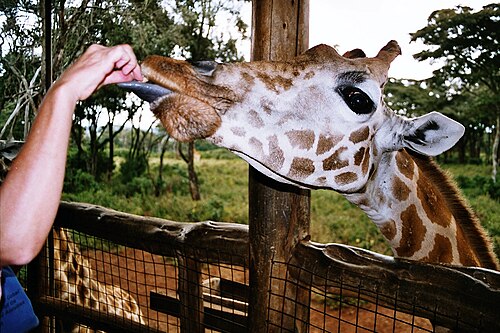
The Giraffe Centre is a conservation and education facility near Nairobi, Kenya. It was established by the African Fund for Endangered Wildlife to protect the endangered Rothschild's giraffe subspecies.
The Nairobi National Museum is Kenya's flagship museum, located in Nairobi. It serves as a major cultural institution bringing together collections related to human origins, natural history, art, and national culture.
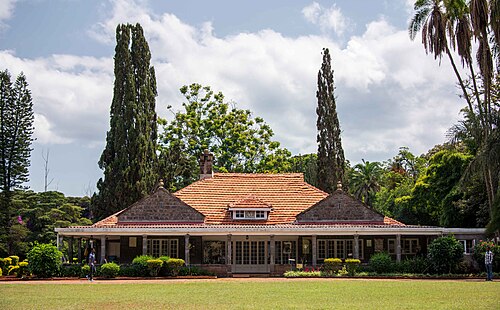
The Karen Blixen Museum occupies the preserved farmhouse where Danish author Karen Blixen lived from 1914 to 1931. The property sits in Nairobi's Karen suburb, named after the author.
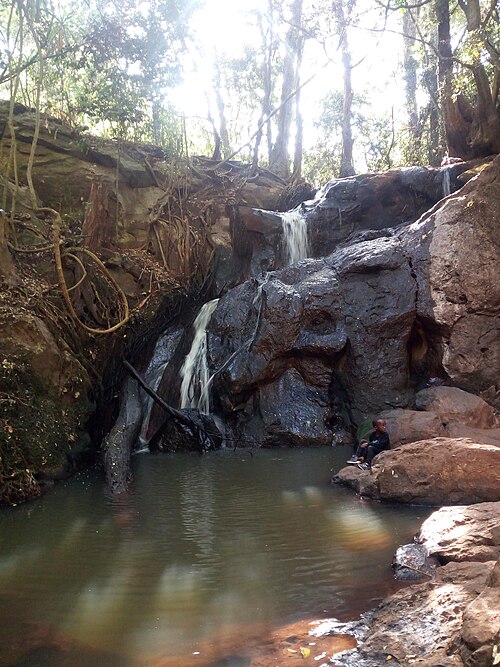
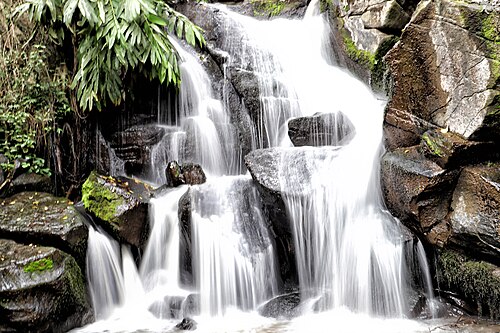
Karura Forest Reserve is Nairobi's largest protected urban forest and a working water catchment managed by the Kenya Forest Service with the Friends of Karura Forest community association.
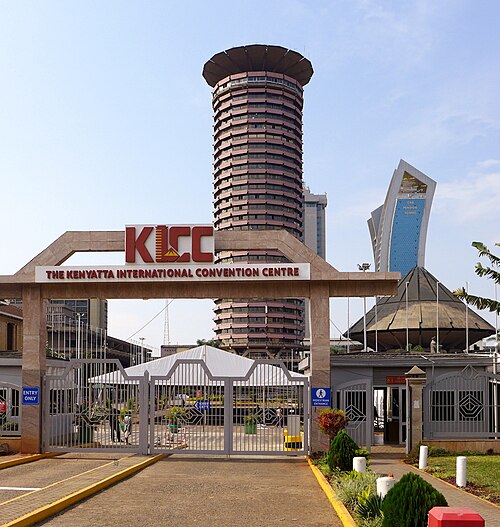
The Kenyatta International Convention Centre is Nairobi's cylindrical landmark and Kenya's state-owned national convention venue. Norwegian architect Karl Henrik Nøstvik designed the complex in 1967, and President Jomo Kenyatta opened it on 11 September 1973.
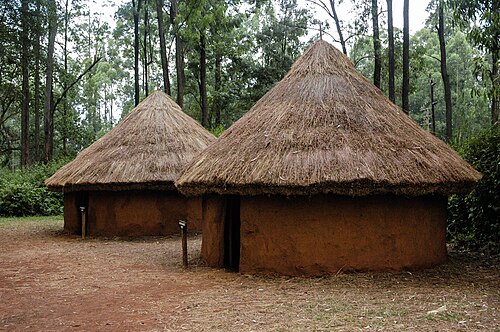
Bomas of Kenya is a national cultural institution located in Nairobi. It serves as a living museum dedicated to preserving and showcasing the diverse cultural heritage of Kenya's many ethnic communities.
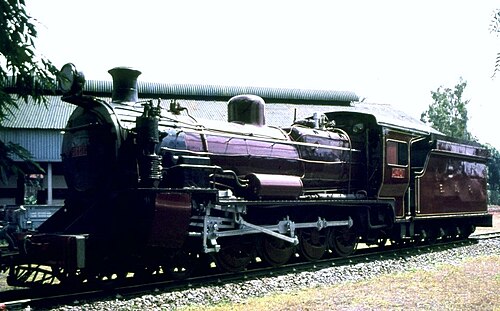
The Nairobi Railway Museum is a heritage museum in central Nairobi dedicated to the history of the Uganda Railway and Kenya's rail transport. It occupies the former railway headquarters building near Nairobi railway station.
The Kenya National Archives stands in Nairobi's central business district as the country's principal repository for documentary heritage. The institution preserves government records, historical manuscripts, and private collections that chronicle Kenya's precolonial, colonial, and independent eras.
The Nairobi Gallery occupies the historic Point Zero building, a landmark structure situated at a pivotal junction in Nairobi's central business district. This heritage building serves as a municipal gallery space under the National Museums of Kenya.
Nairobi Safari Walk is an interpretive boardwalk attraction located adjacent to Nairobi National Park. The facility presents simulated Kenyan ecosystems that allow visitors to experience representative wildlife habitats without entering the full park.
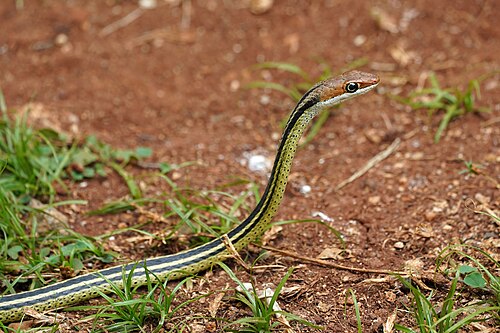
Nairobi Snake Park and Aquarium is a zoological facility located within the National Museums of Kenya complex in Nairobi. It was established in 1961 and serves as a conservation and education centre focused on reptiles, amphibians, and fish species.
Uhuru Gardens National Monument and Museum is a public park and national monument in Nairobi, Kenya. It commemorates the spot where the Kenyan flag was first raised at independence in 1963.
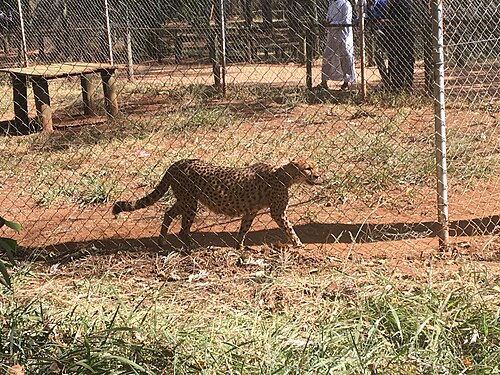
The Nairobi Animal Orphanage is a wildlife rehabilitation facility located within Nairobi National Park in Kenya. Established by the Kenya Wildlife Service, it serves as a sanctuary for orphaned, injured, and abandoned wild animals.
Nairobi Arboretum is a public green space in Nairobi, Kenya. Established in 1907, it spans approximately 30 hectares along State House Road in the Kilimani area.
August 7th Memorial Park is a memorial garden and museum in Nairobi, Kenya. It preserves the site and human history of the 1998 United States embassy bombing.
Kazuri Beads and Pottery Centre is a craft workshop and retail outlet in Nairobi, Kenya. The enterprise produces hand-painted ceramic beads and pottery items. It was established with a social mission to provide employment for disadvantaged women.
Oloolua Nature Trail is a forested walking trail located in the Karen area of Nairobi, Kenya.
Maasai Market is an open-air market in Nairobi known for Maasai handicrafts and cultural goods. It operates as a rotating market, shifting location across different neighbourhoods on different days of the week.
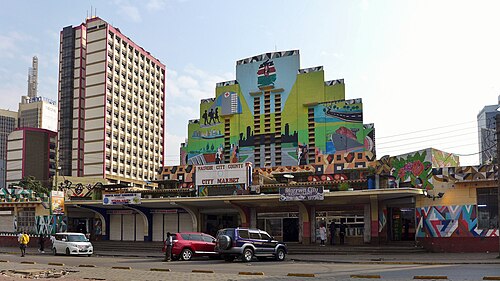
Nairobi City Market is a historic central market located in the Central Business District of Nairobi, Kenya. Established during the colonial era, it has long served as a key commercial hub for the city.
African Heritage House is the landmark residence of Alan Donovan, an American collector and designer who settled in Kenya. The house stands south of central Nairobi as a singular expression of pan-African creative vision.
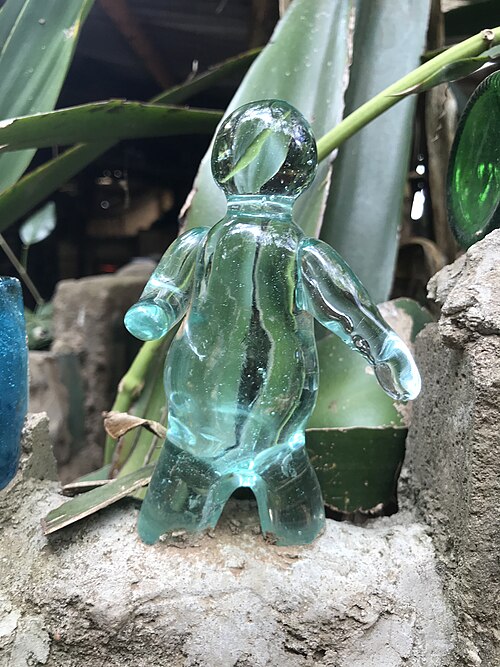
Kitengela Hot Glass is a glass art studio and gallery located on the outskirts of Nairobi, Kenya. Founded by artist Nani Croze, the facility represents a significant creative enterprise in the region.
Uhuru Park is Nairobi's principal civic green space and a historic setting for public gathering and democratic expression. The park occupies a central position in Kenya's capital city and serves as a restored public landscape.
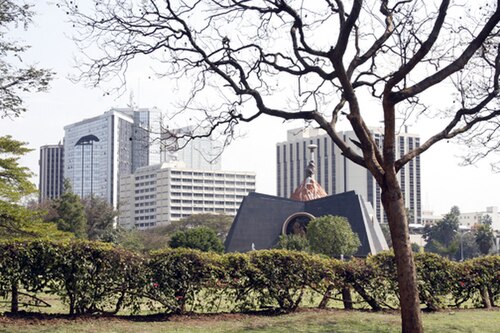
Jamia Mosque is Nairobi's principal historic mosque, serving as a major religious, architectural, and community landmark in the Kenyan capital. Located beside the central market, it stands as one of the most significant Islamic institutions in the city.
Source: OpenStreetMap contributors, Wikidata ·
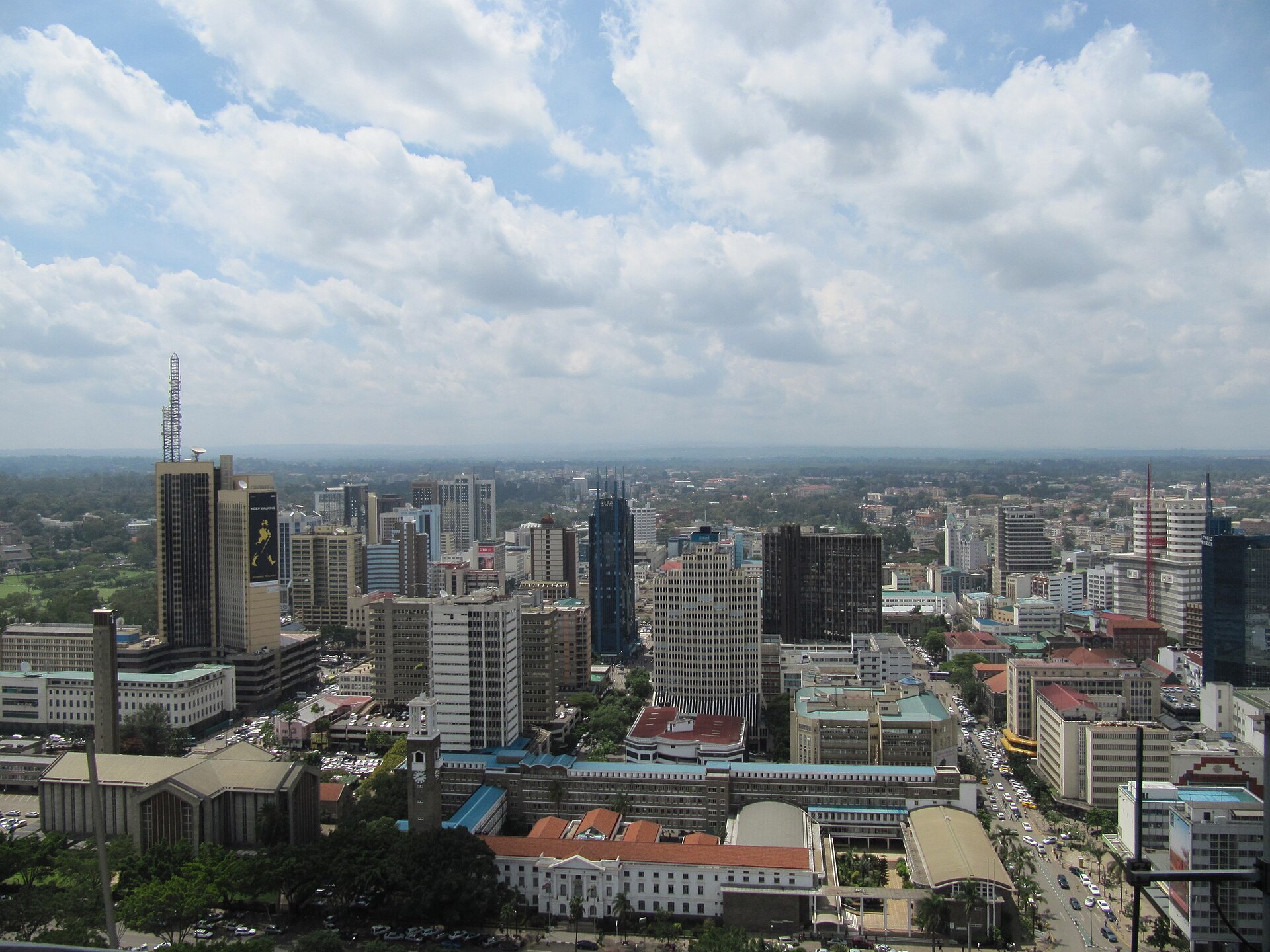
The central business district contains City Market, the National Archives and civic landmarks. Westlands sits northwest with hotels, dining and access toward Karura Forest. Karen and Langata lie southwest and hold the Karen Blixen Museum, Giraffe Centre, Bomas of Kenya and conservation sites. Nairobi National Park stretches along the southern edge near Wilson Airport. These zones are connected by busy arterial roads, not one continuous visitor centre.
Checked 2026-08-26
Nairobi City County identifies buses and matatus as the most common public transport, alongside car rental and other road options. Walk only within a defined central or neighbourhood cluster, then use planned road transport between the CBD, Westlands, Karen, Langata and the national park. Route numbers and destinations are displayed on matatus, but visitors with timed entries or luggage should allow generous transfer time and confirm the return journey.
Checked 2026-08-26
No fixed stay length is recorded. Plan separate blocks for the central city, Karen and Langata, Nairobi National Park, and any northern or western nature area.
It is possible, but the park is a large southern zone with timed wildlife activity and road transfers. Treat it as a dedicated block rather than a quick central stop.
Nairobi City County lists buses and matatus as common public transport and also describes car rental. Choose transport according to distance, timing, luggage and return needs.
The Karen Blixen Museum, Giraffe Centre, Bomas of Kenya and nearby conservation venues sit in the same broad southwestern part of Nairobi.
No. The central district contains important museums and civic landmarks, but many defining wildlife, conservation and cultural visits lie in Karen, Langata or the national park zone.