


.jpg)
37 min walk
Bogani Park
- Notable
- Nature site
Language · 11 published
Family attraction · Nairobi
| Monday | 09:00 – 17:00 |
|---|---|
| Tuesday | 09:00 – 17:00 |
| Wednesday | 09:00 – 17:00 |
| Thursday | 09:00 – 17:00 |
| Friday | 09:00 – 17:00 |
| Saturday | 09:00 – 17:00 |
| Sunday | 09:00 – 17:00 |
Parsed from OpenStreetMap opening hours on 2026-08-26.
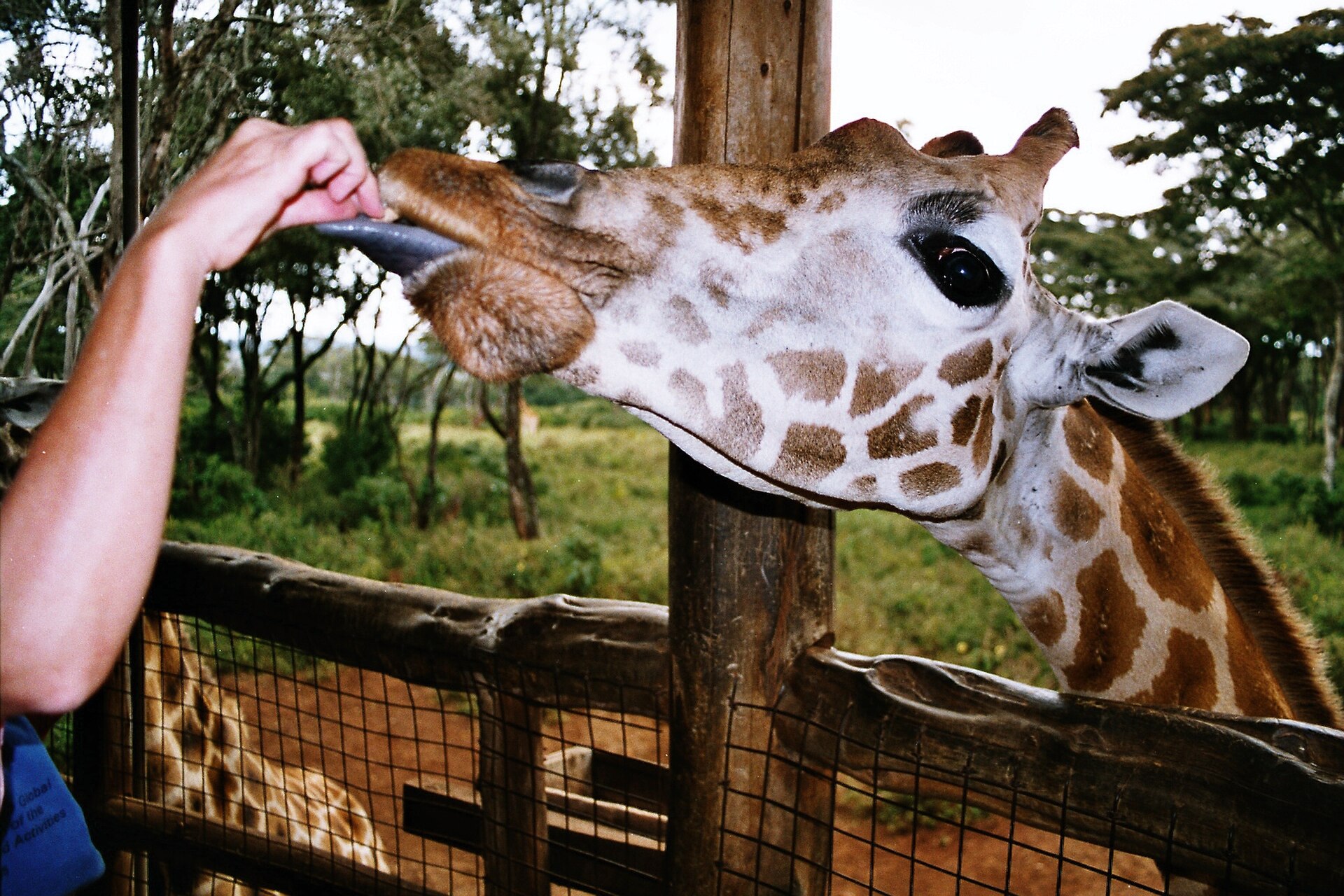
The Giraffe Centre is a conservation and education facility near Nairobi, Kenya. It was established by the African Fund for Endangered Wildlife to protect the endangered Rothschild's giraffe subspecies. The centre operates a breeding program and public education initiative. Visitors can observe giraffes at close range from an elevated platform. The facility combines wildlife conservation with accessible tourism, making it one of Nairobi's most recognizable wildlife attractions. The centre emphasizes environmental education for Kenyan youth and international visitors alike.
Checked 2026-08-26
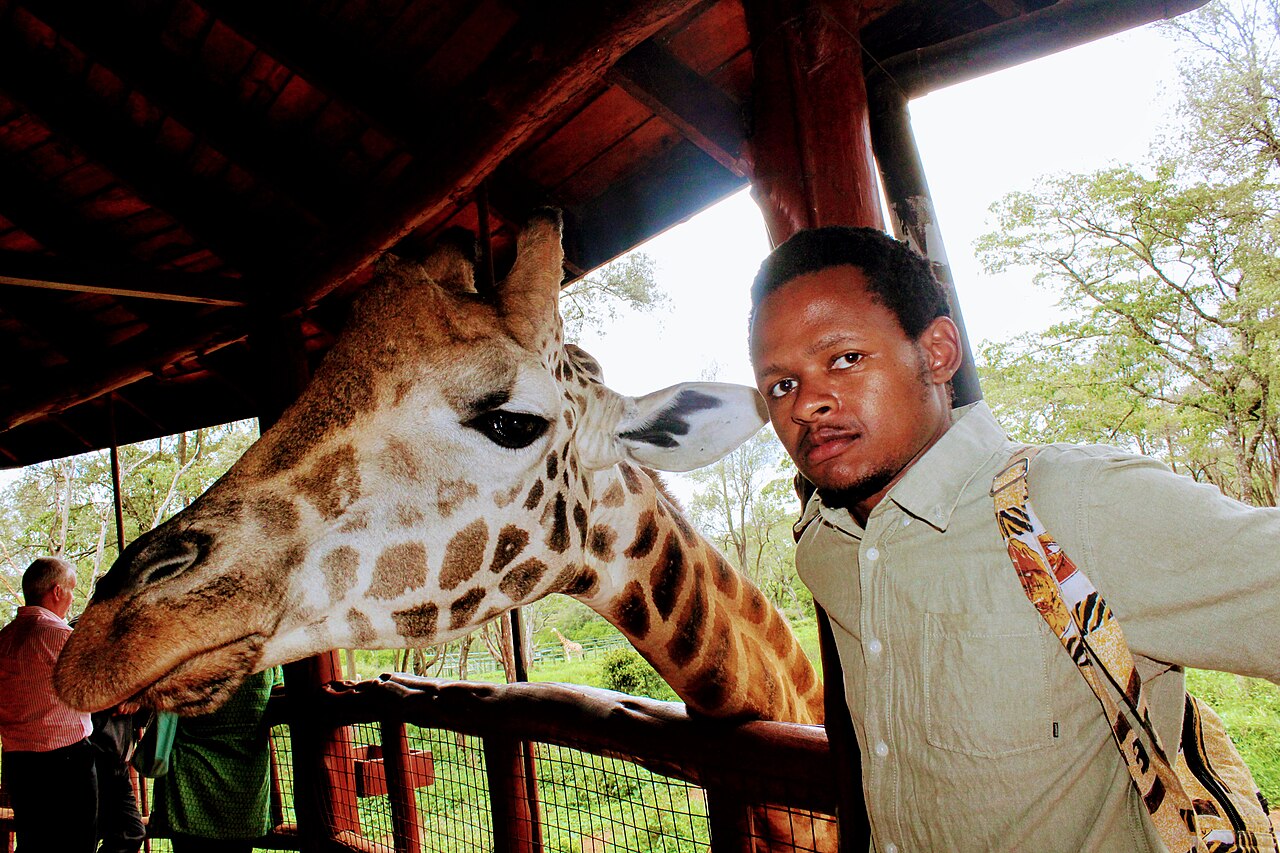
The main feature is a raised wooden platform that brings visitors to eye level with the giraffes. From here, guests can observe and interact with the animals. The centre includes nature trails through surrounding forest habitat. An education centre provides information about giraffe conservation and the Rothschild's subspecies specifically. There are also spaces dedicated to the breeding program operations. The property encompasses indigenous forest that supports additional bird and small mammal species. The overall layout prioritizes both animal welfare and meaningful visitor engagement with conservation messaging.
Checked 2026-08-26
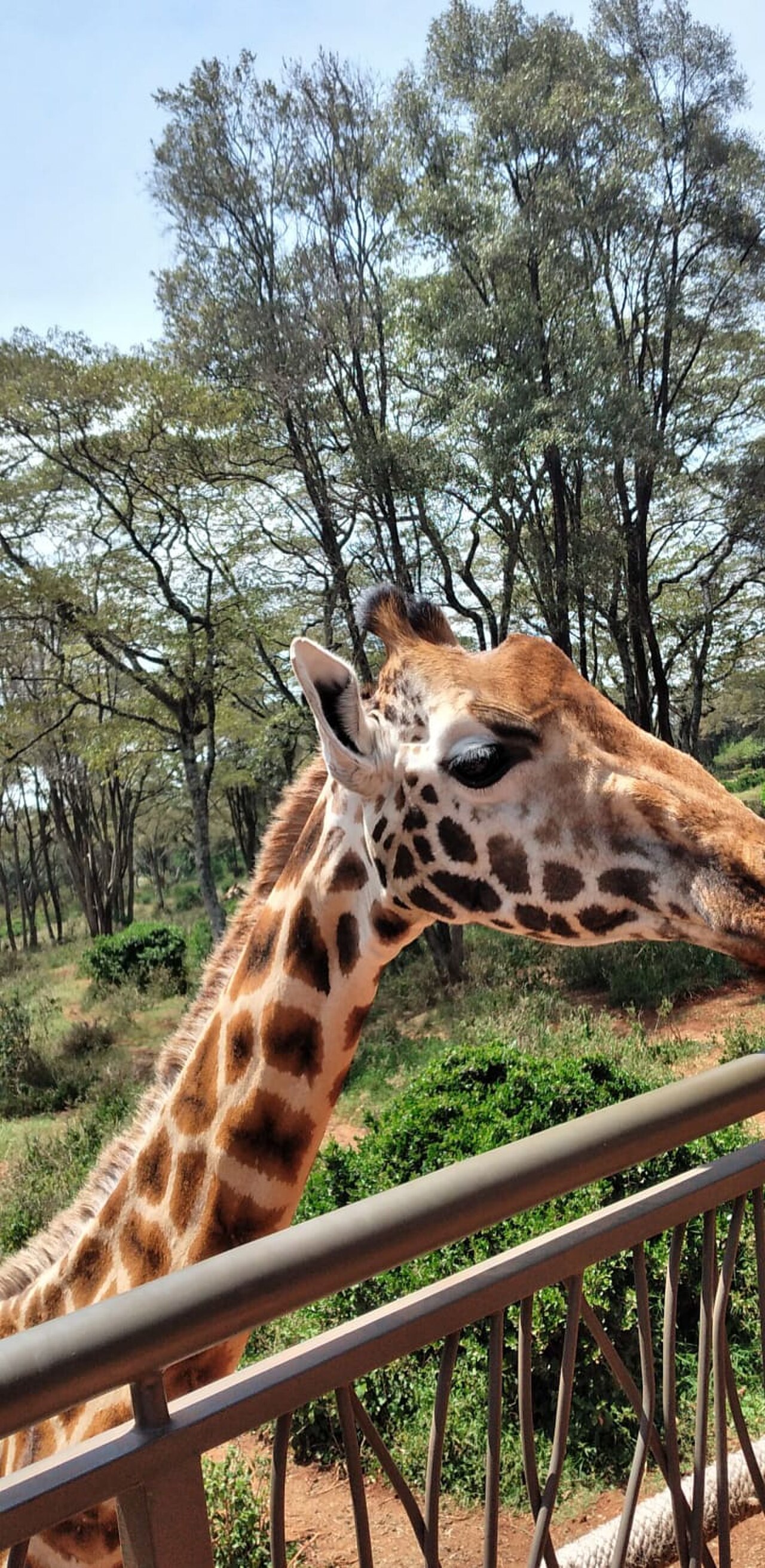
Most visitors spend approximately one to two hours at the Giraffe Centre. The core experience of feeding and photographing giraffes from the platform typically takes thirty to sixty minutes. Those who walk the nature trails or spend time in the education centre may extend their visit. The compact nature of the facility means it can be combined with other Nairobi attractions in a single day. Visitors should allocate sufficient time to read educational materials and appreciate the conservation context rather than rushing through the giraffe interaction alone.
Checked 2026-08-26
The Giraffe Centre operates throughout the year. Morning visits may offer cooler temperatures and potentially more active giraffe behavior. Midday hours can bring stronger sun on the open platform. Afternoon visits remain viable but lighting conditions shift for photography. Rainy seasons affect trail conditions but the covered platform remains functional. Weekends and holidays typically draw larger crowds including local families. Operator-confirmed hours are Not recorded pending review. Visitors should verify current opening times directly with the centre before planning their arrival, as schedules may change without widespread notification.
Checked 2026-08-26
The Giraffe Centre charges admission fees that support its conservation and education programs. Different rates typically apply for residents, non-resident adults, and children. Some packages may include feeding pellets for the giraffes. School groups and educational visits sometimes receive adjusted pricing. Membership or donation options may exist for those wishing to contribute beyond standard entry. Operator-confirmed prices are Not recorded pending review. Visitors should check current admission costs directly with the facility before visiting. Cash and card acceptance policies should be confirmed in advance. Advance booking requirements, if any, remain unverified.
Checked 2026-08-26

The Giraffe Centre sits in the Karen suburb of southwestern Nairobi, approximately fifteen to twenty kilometres from the central business district depending on route and traffic conditions. Road access connects through Nairobi's suburban network. Traffic congestion during peak hours significantly affects journey times. Private vehicle hire, ride services, and organized tours represent common access methods. Some visitors combine this with nearby attractions in the Karen area. Public transport options exist but require additional walking from stops. Signage along Langata Road helps direct approaching traffic. Visitors should allow generous time for transit given Nairobi's unpredictable traffic patterns.
Checked 2026-08-26

Giraffe tongues are rough and saliva transfer occurs during feeding; visitors with hygiene concerns should plan accordingly. The wooden platform can become slippery when wet. Strong giraffe necks and heads may move unexpectedly near faces. Sun exposure on the platform is substantial; hats and sunscreen are advisable. Children require close supervision near railing edges. Personal belongings should be secured as giraffes may investigate loose items. The centre's conservation focus means animal welfare takes priority over visitor demands; feeding opportunities may be restricted for health or behavioral reasons. Respect staff instructions regarding appropriate interaction.
Checked 2026-08-26

The elevated platform creates excellent eye-level giraffe portraits unavailable in most safari contexts. Morning light illuminates the platform and giraffe faces favorably. Overcast conditions reduce harsh shadows on both subjects and visitors. Telephoto lenses capture facial details while wider angles include human-giraffe interaction. The dark giraffe patterning against sky or green background requires exposure attention. Video recording of feeding interactions is popular. Tripods are impractical on the busy platform. The nature trails offer additional environmental context shots. Flash photography may disturb animals and should be avoided. Patience yields better compositions than rushing during crowded periods.
Checked 2026-08-26
No. The Giraffe Centre is a conservation and education facility with public access. Giraffe Manor is a nearby boutique hotel with private giraffe interactions. They operate separately despite proximity and shared conservation heritage.
The centre focuses on the Rothschild's giraffe, an endangered subspecies. This distinguishes its conservation mission from facilities working with other giraffe populations.
Children can participate but require close adult supervision. Staff guidance should be followed. Height considerations and animal behavior mean experiences vary by individual child and circumstances.
Not recorded. Visitors should not assume restaurant or cafe availability. The nearby Karen area offers dining options before or after visiting.
Not recorded pending review. Walk-in access may be possible but popular periods could create entry delays. Direct contact with the centre before visiting is advisable.
Not recorded. Conservation-focused facilities sometimes offer programs but specific opportunities, requirements, and availability remain unverified. Direct inquiry to the centre is necessary.
Loading the interactive map…
The interactive map could not be loaded.

Last updated:
Source: OpenStreetMap contributors, Wikidata ·