


6 min walk
Nairobi Safari Walk
- Must see
- Family attraction
Language · 11 published
Family attraction · Nairobi
The Nairobi Animal Orphanage is a wildlife rehabilitation facility located within Nairobi National Park in Kenya. Established by the Kenya Wildlife Service, it serves as a sanctuary for orphaned, injured, and abandoned wild animals. The facility provides care and veterinary treatment with the goal of eventual release back into natural habitats where possible. It represents one of Kenya's earliest conservation initiatives, situated at the edge of Kenya's capital city, offering visitors proximity to native species that would otherwise be difficult to observe in the wild.
Checked 2026-08-26
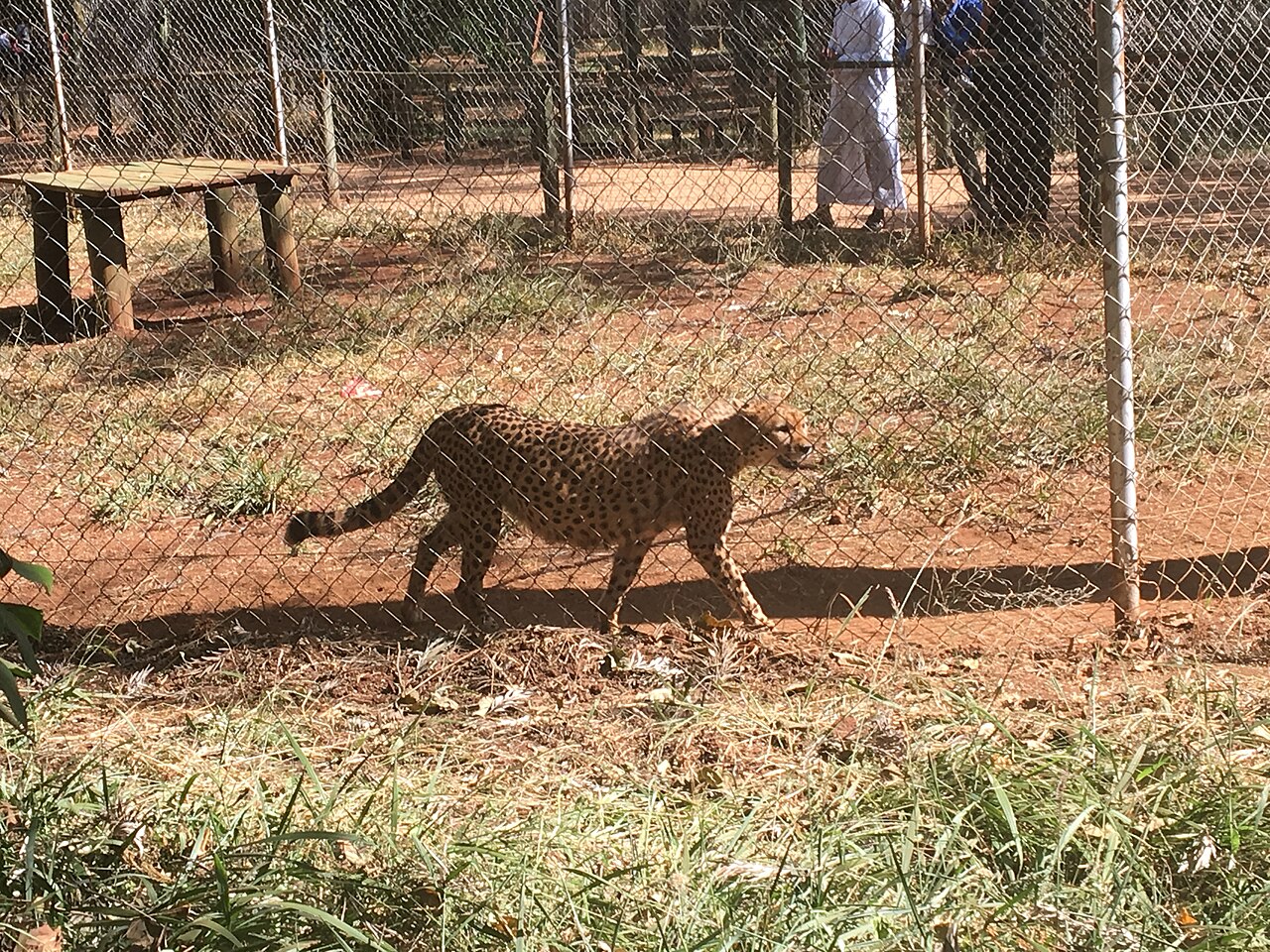
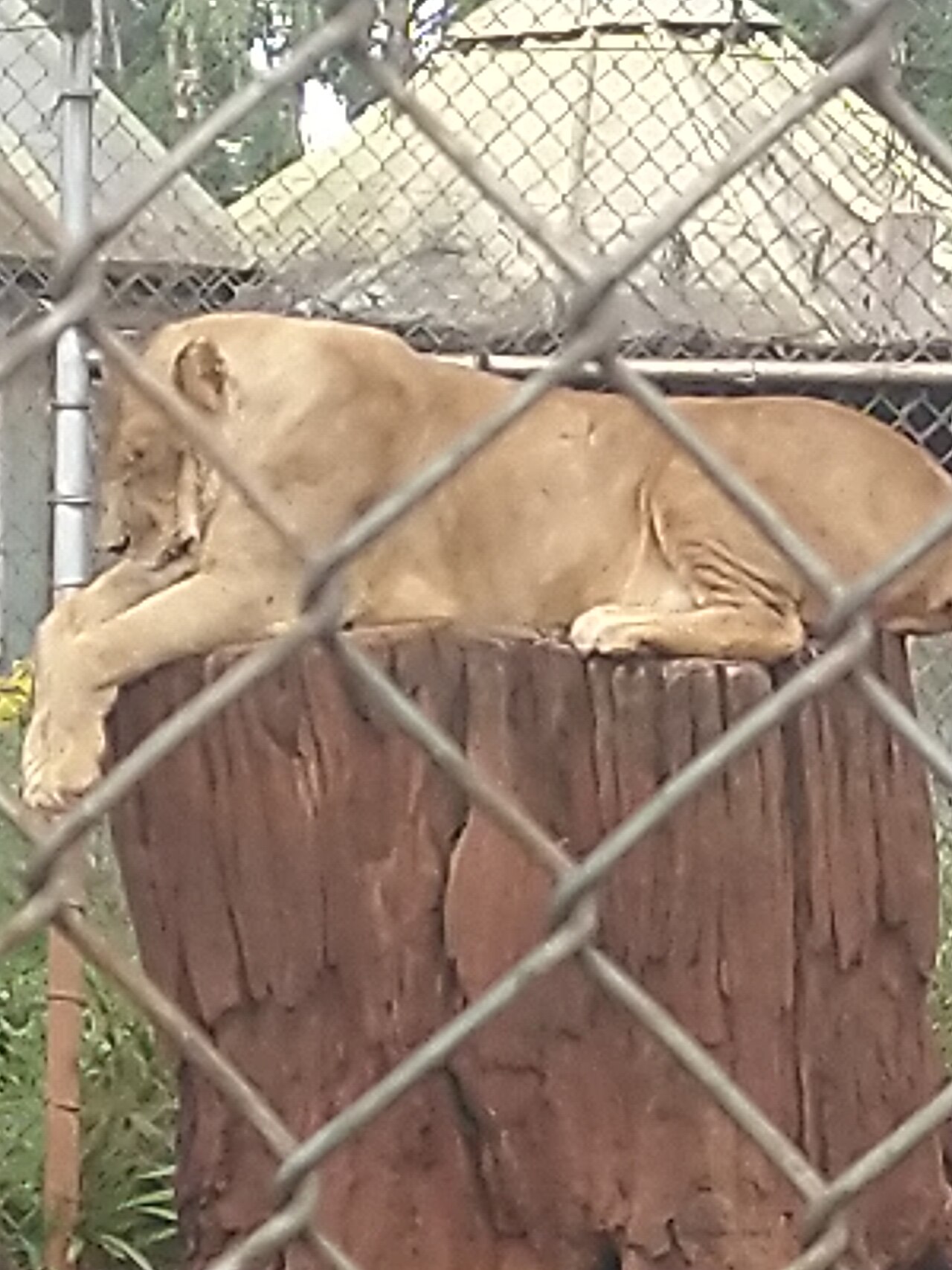
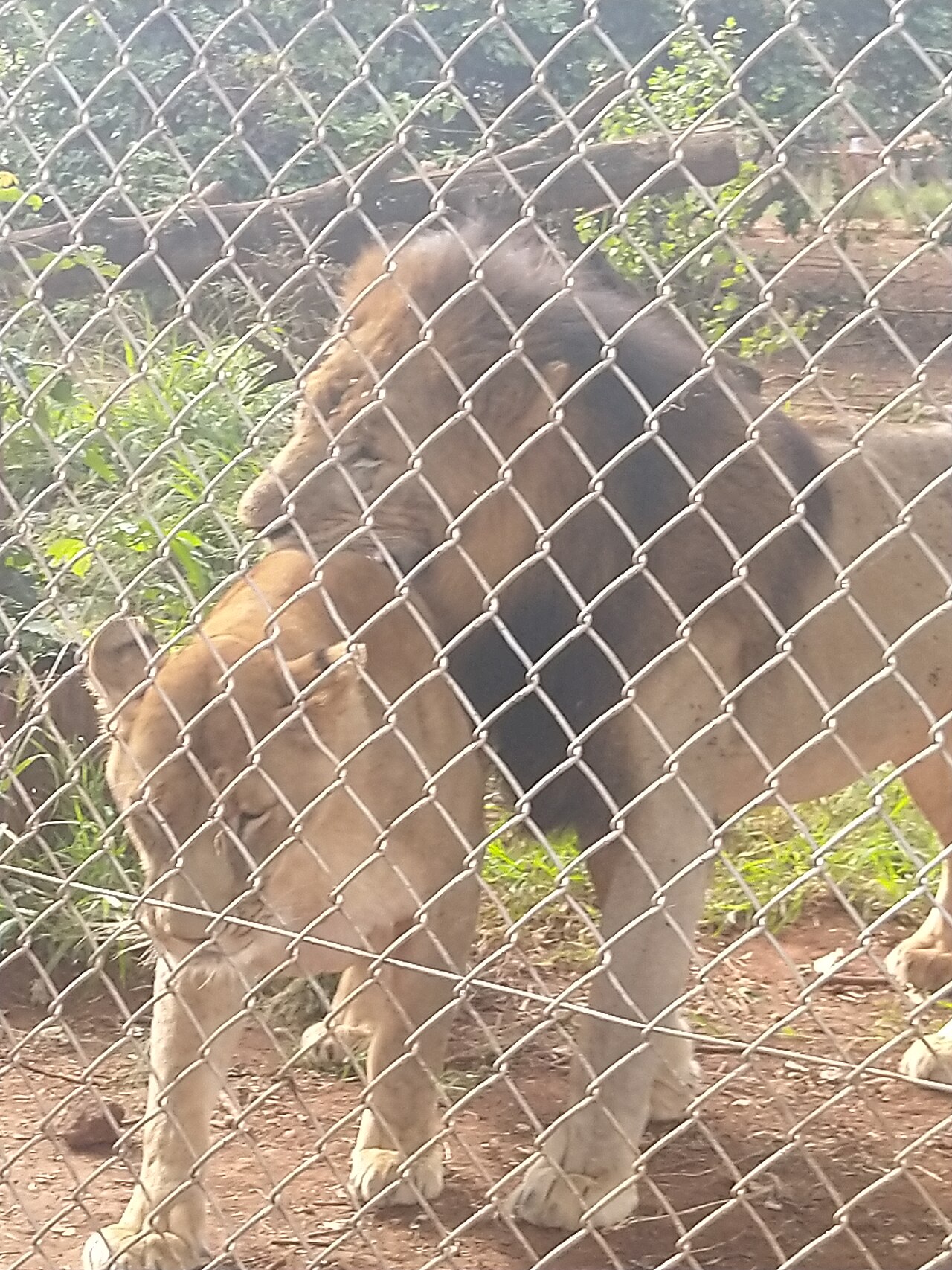
The orphanage houses diverse Kenyan wildlife including lions, cheetahs, leopards, jackals, serval cats, and various primate species. Bird enclosures contain ostriches, parrots, and guineafowl among other native birds. Reptile sections may include crocodiles and snakes. Animals are kept in enclosures designed for rehabilitation rather than exhibition, meaning visible populations fluctuate based on rescue intake and successful releases. The facility prioritizes animal welfare over visitor entertainment, so not all animals may be visible during any single visit. Nairobi Animal Orphanage also earns time in a nairobi itinerary because Frozen visitor rank established independently of production coverage; exact local identity verified. Its value becomes clearer when the stop is compared with the surrounding streets and the other ranked places nearby.
Checked 2026-08-26
A thorough visit to the Nairobi Animal Orphanage typically requires between one and two hours. This duration allows visitors to observe the various enclosures at a measured pace and appreciate the conservation mission. Those with particular interest in wildlife rehabilitation or photography may extend their stay. The compact layout relative to larger safari parks means extensive walking is unnecessary. Combining this visit with Nairobi National Park proper, which surrounds the orphanage, would constitute a substantially longer excursion requiring separate planning and additional time commitment.
Checked 2026-08-26
Visitors should consult the Kenya Wildlife Service website directly before planning arrival. Morning hours generally offer cooler temperatures and potentially more active animal behavior in Kenyan wildlife facilities, though this observation reflects general patterns rather than confirmed orphanage-specific conditions. Dry seasons across Kenya typically run approximately June to October and January to February, potentially affecting accessibility and comfort. Rainy periods may present muddy conditions given the facility's location within national park boundaries. Advance verification remains essential. Check the operator's own site for the travel date before relying on a schedule or fare.
Checked 2026-08-26
The Kenya Wildlife Service manages fee structures for all its protected areas, with separate charges commonly applying for Nairobi National Park entry and specific facility access. International visitors, East African residents, and Kenyan citizens typically face differentiated pricing tiers common to Kenyan conservation areas. Children and students may qualify for reduced rates with appropriate identification. Payment methods and currency acceptance should be verified directly with Kenya Wildlife Service, as policies evolve and online information may not reflect current requirements. Check the operator's own site for the travel date before relying on a schedule or fare.
Checked 2026-08-26
The orphanage lies within Nairobi National Park, approximately seven kilometers south of Nairobi's central business district. Access requires passing through park gates, with Langata Road serving as the primary approach route from the city center. Private vehicle, taxi, or rideshare services represent the most reliable transport options given limited public transit penetration into protected areas. Some tour operators include the orphanage within Nairobi National Park excursions. Road conditions vary seasonally. Visitors should confirm current gate access points, as management periodically adjusts entry protocols for conservation or security purposes.
Checked 2026-08-26
Visitors must respect enclosure boundaries and follow all posted guidelines; these animals remain wild despite captivity. Photography restrictions may apply to certain animals or areas. The facility's rehabilitation focus means animal visibility is unpredictable and not guaranteed. Sun protection and adequate hydration prove essential given Nairobi's elevation and strong equatorial sunlight. Secure valuables and remain aware of surroundings when transiting between city and park. Vehicle security in parking areas warrants attention. Any animals appearing unexpectedly outside enclosures should be reported immediately to staff rather than approached independently.
Checked 2026-08-26
Photography opportunities exist but carry significant limitations compared to commercial wildlife parks. Enclosure fencing and mesh typically intervene between visitors and animals, challenging clean composition. Rehabilitation settings prioritize animal welfare over photographic convenience, meaning lighting conditions and backgrounds remain uncontrolled. Flash photography likely disturbs stressed animals and should be avoided as standard ethical practice. Telephoto lenses help isolate subjects against cluttered backgrounds. Visitors should verify specific restrictions with staff upon entry, as rules may vary by enclosure or individual animal treatment status. Commercial or professional photography may require advance permits.
Checked 2026-08-26
No. The David Sheldrick Wildlife Trust operates a separate elephant orphanage in Nairobi. The Nairobi Animal Orphanage within Nairobi National Park handles multiple species under Kenya Wildlife Service management.
Direct interaction is not permitted. The facility prioritizes rehabilitation for wild release, requiring minimal human habituation. Visitors observe from designated pathways and viewing areas outside enclosures.
Not recorded. The facility aims for release where rehabilitation succeeds. Animal populations fluctuate based on rescues, treatment outcomes, and successful returns to wild habitats.
The orphanage lies within park boundaries. Park entry requirements and any separate facility fees should be confirmed directly with Kenya Wildlife Service, as structures may change.
Contact Kenya Wildlife Service directly through their official channels. Do not attempt independent rescue of potentially dangerous wildlife. Professional assessment ensures appropriate handling and facility placement.
Not recorded pending review. Visitors should inquire directly with Kenya Wildlife Service regarding current educational programming, guided options, or self-guided visitation protocols.
Loading the interactive map…
The interactive map could not be loaded.

Last updated:
Source: OpenStreetMap contributors ·