_at_Nairobi_Snake_Park.jpg)
_duo_basking_at_Nairobi_Snake_Park.jpg)
_trio_basking_at_Nairobi_Snake_Park.jpg)

2 min walk
National Museums of Kenya
- Must see
- Museum
Language · 11 published
Family attraction · Nairobi
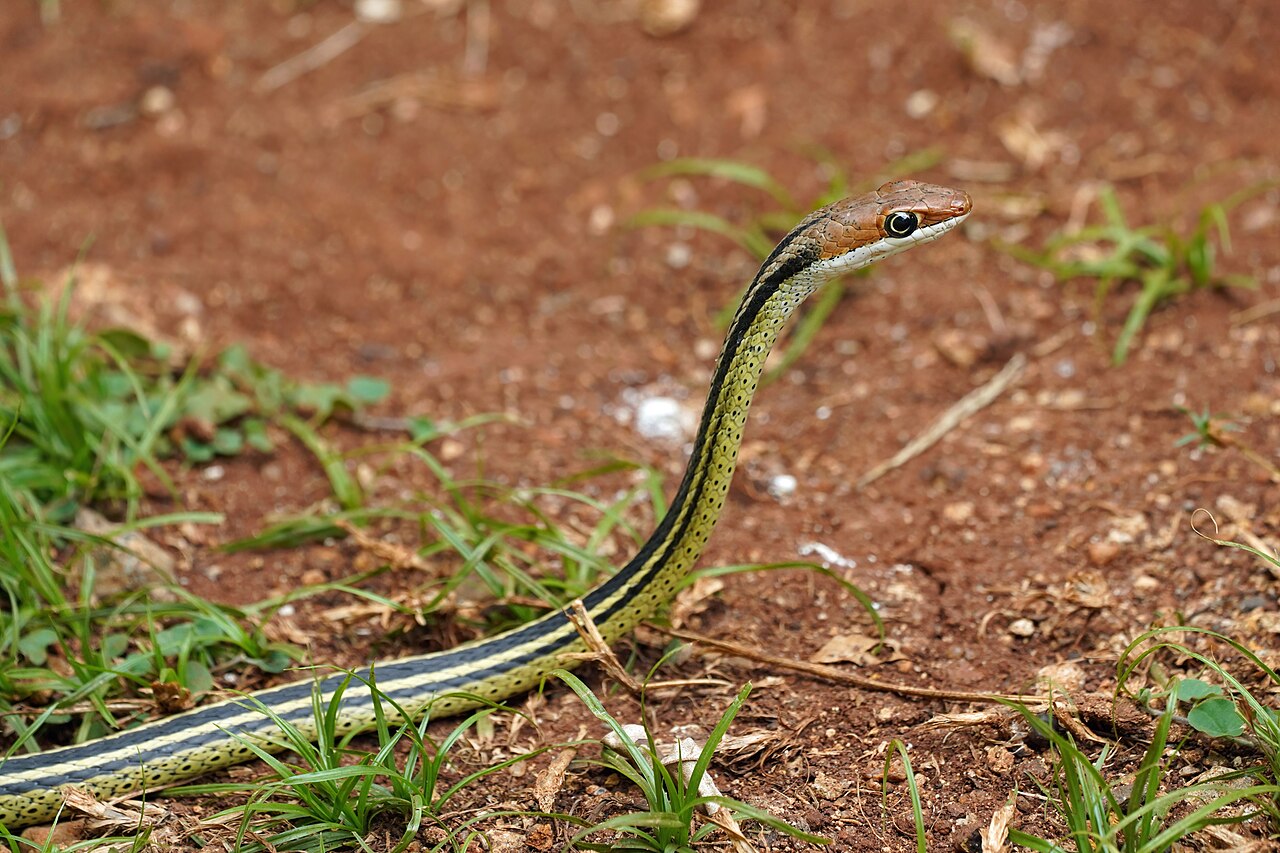
Nairobi Snake Park and Aquarium is a zoological facility located within the National Museums of Kenya complex in Nairobi. It was established in 1961 and serves as a conservation and education centre focused on reptiles, amphibians, and fish species. The facility is managed by the National Museums of Kenya and operates as part of the broader museum estate near Museum Hill. It houses live specimens for public viewing and research purposes, contributing to regional herpetological knowledge. A flexible visit lets travellers connect Nairobi Snake Park and Aquarium with the rest of the day without treating one room, viewpoint or photograph as the whole experience. The useful pace depends on personal interest and conditions on arrival.
Checked 2026-08-26
The park contains live snake species including puff adders, black mambas, and Egyptian cobras, alongside crocodiles and tortoises. An aquarium section displays freshwater and marine fish from Kenyan waters. Exhibits are arranged in glass enclosures with informational panels. The facility includes demonstration areas where handlers present specimens for educational purposes. A small botanical garden surrounds parts of the compound. The collection emphasizes East African species, with some exotic additions. Venom extraction facilities support antivenom production research.
Checked 2026-08-26
A typical visit requires approximately one to two hours depending on interest level and whether live demonstrations coincide with your arrival. The compact site layout permits efficient circulation between reptile houses and aquarium tanks. Visitors with strong interest in herpetology or those timing visits to coincide with feeding sessions or handler presentations may extend their stay. School groups and educational tours typically occupy longer periods due to structured programming. The adjacent Nairobi National Museum warrants separate scheduling.
Checked 2026-08-26

Visitors should verify current opening times directly with the National Museums of Kenya before planning their visit. Nairobi experiences two rainy seasons: the long rains from March to May and short rains from October to December. Dry season months of June to September and January to February generally offer more comfortable conditions for moving between outdoor and indoor exhibit spaces. Morning visits may coincide with cooler temperatures and more active reptile behaviour. Check the operator's own site for the travel date before relying on a schedule or fare.
Checked 2026-08-26
The facility operates under National Museums of Kenya admission structures, which may include combined ticketing with the adjacent Nairobi National Museum. Visitors should confirm current rates directly with official channels. Some categories such as Kenyan residents, East African Community citizens, and international tourists historically faced differentiated pricing. Children and student rates may apply. Payment methods and advance booking requirements should be verified before arrival. Nairobi Snake Park and Aquarium also earns time in a nairobi itinerary because Frozen visitor rank established independently of production coverage; exact local identity verified. Its value becomes clearer when the stop is compared with the surrounding streets and the other ranked places nearby. Check the operator's own site for the travel date before relying on a schedule or fare.
Checked 2026-08-26
The Snake Park occupies the National Museums of Kenya complex on Museum Hill, northwest of Nairobi's central business district. The site is accessible by private vehicle, taxi, or ride-hailing services. Public matatu minibuses and buses serve the Museum Hill area from various city locations. Traffic congestion affects journey times unpredictably, particularly during weekday rush periods. The complex offers parking facilities. Signage from major roads directs visitors to the museum estate. Walking from nearby accommodations is feasible for those staying in the Upper Hill or Westlands areas.
Checked 2026-08-26

Reptile enclosures operate under safety protocols, but visitors should maintain respectful distances and avoid tapping glass or attempting unauthorised contact. Flash photography may disturb specimens and is generally discouraged around sensitive animals. Nairobi's altitude and equatorial sun require hydration and sun protection when moving between buildings. The surrounding area experiences urban security concerns; visitors should secure valuables and remain aware of their environment. Demonstration schedules are not guaranteed daily. Some visitors may find certain exhibits distressing.
Checked 2026-08-26
Photography for personal use is generally permitted, though flash restrictions apply near live animal enclosures to prevent stress to specimens. Tripod and professional equipment use may require advance arrangement with management. The glass-fronted tanks and enclosures create reflection challenges; angled positioning reduces glare. The botanical garden areas offer natural light opportunities. Commercial or publication photography requires explicit permission from the National Museums of Kenya. Respect for handler demonstrations includes refraining from obstructing views of other visitors during presentations.
Checked 2026-08-26
The facility attracts families, though parental discretion is advised regarding potentially frightening specimens and graphic educational content about venomous species.
Structured educational programming exists for school groups; independent visitors should inquire on arrival about scheduled handler demonstrations or available guide services.
Ticketing arrangements vary; visitors should confirm whether combined admission is currently offered when purchasing at the entrance or through official channels.
The facility historically supported venom extraction for research purposes; specific current operational details should be confirmed directly with the institution.
On-site refreshment options are limited; visitors may prefer to eat before arrival or seek alternatives in surrounding neighbourhoods.
The compact site and paved pathways suggest reasonable accessibility, though visitors with specific requirements should contact the museum directly to confirm current provisions.
Loading the interactive map…
The interactive map could not be loaded.

Last updated:
Source: OpenStreetMap contributors ·