.jpg)
1 min walk
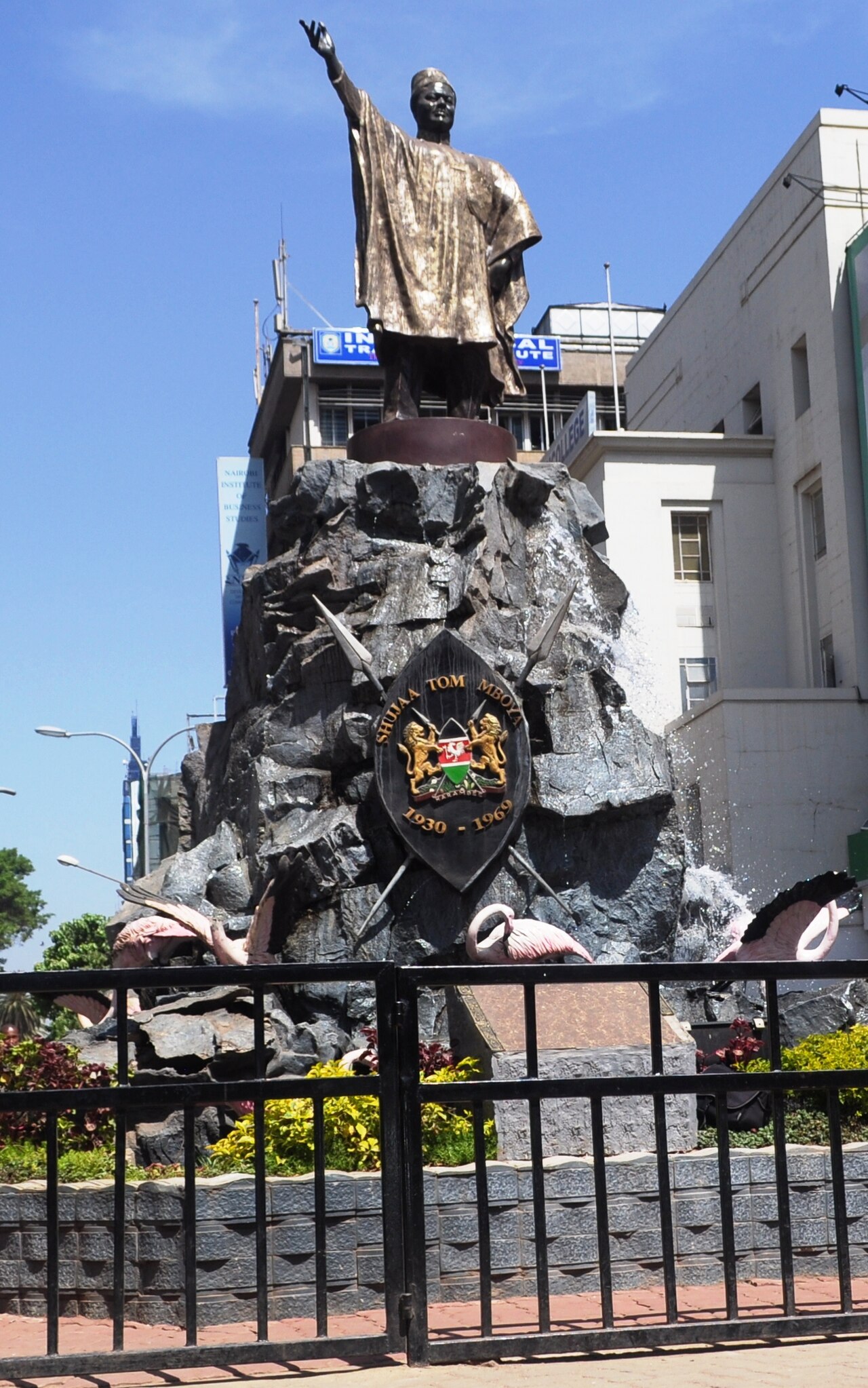
Tom Mboya Monument
- Must see
- Art and culture venue
Language · 11 published
Museum · Nairobi

| Monday | 08:00 – 17:00 |
|---|---|
| Tuesday | 08:00 – 17:00 |
| Wednesday | 08:00 – 17:00 |
| Thursday | 08:00 – 17:00 |
| Friday | 08:00 – 17:00 |
| Saturday | 08:00 – 12:00 |
| Sunday | Closed |
Checked 2026-08-31 · Source
Read from the OpenStreetMap access tags; anything not listed has no tag recorded.
Set the group type to family in the planner and the day window contracts to about three quarters of a solo day.
The Kenya National Archives stands in Nairobi's central business district as the country's principal repository for documentary heritage. The institution preserves government records, historical manuscripts, and private collections that chronicle Kenya's precolonial, colonial, and independent eras. Housed in a prominent building on Moi Avenue, the archives serve researchers, students, and visitors seeking to understand national identity through primary sources. The facility integrates the Murumbi Collection, assembled by Joseph Murumbi, Kenya's second Vice-President, and his wife Sheila. This partnership elevates the archives beyond administrative storage into a cultural destination where public memory and private philanthropy converge for historical education.
Checked 2026-08-26 · Source
The holdings encompass official government documents, photographs, maps, and newspapers tracing Kenyan history. The Murumbi Collection contributes African art, artifacts, books, and personal papers gathered during the Murumbis' lifetimes. Visitors encounter displays of cultural objects alongside research materials. The art collection includes works from across the African continent, reflecting the couple's pan-African interests. Documentary materials support scholarly investigation into colonial administration, independence movements, and postcolonial governance. The combination creates a hybrid space functioning partly as museum, partly as research library. The archives thus present multiple entry points for engagement, whether through curated visual culture or through consultation of textual records in reading rooms.
Checked 2026-08-26 · Source
A thorough visit to the Kenya National Archives demands approximately two to three hours for those examining exhibition materials and the Murumbi Collection displays. Researchers requiring document consultation should allocate additional time for registration procedures and retrieval requests. Casual visitors focusing on the gallery spaces may complete a circuit more quickly. The density of artifacts and documents rewards unhurried examination, particularly for visitors with specific historical interests. Those combining the archives with other CBD attractions should plan accordingly. The institution's central location facilitates integration into broader Nairobi itineraries, though dedicated researchers may find full days insufficient for comprehensive engagement with the collections.
Checked 2026-08-26 · Source
Visitors should verify current opening schedules directly with the Kenya National Archives before planning their visit. The CBD location means weekday mornings generally offer more predictable access to surrounding services and transportation, though this does not guarantee archive operating hours. Nairobi's climate remains relatively temperate year-round, so seasonal weather poses minimal constraint for travel to the facility. Morning visits to the CBD typically encounter less congestion than afternoon periods. Advance confirmation remains essential given that institutional schedules may change without widespread notification, and online sources may not reflect recent adjustments to public access times.
Checked 2026-08-26 · Source
The Kenya National Archives may apply differential fees for general visitors versus researchers, or for access to special collections versus public galleries, but specific amounts require direct verification. Visitors should inquire about payment methods accepted, as facilities in Nairobi sometimes prefer cash transactions. Group rates or educational discounts may exist but cannot be assumed. Budget-conscious travelers should confirm all costs beforehand to avoid surprises. The institution's public service mandate suggests accessible pricing, but this remains speculative without authoritative confirmation from archive staff at time of visit.
Checked 2026-08-26 · Source
The archives occupy a central CBD position on Moi Avenue, accessible via multiple transport modes. Matatus, Nairobi's ubiquitous shared minivans, serve numerous routes through the city center, though specific line numbers require local inquiry. Uber and Bolt operate in Nairobi, offering point-to-point service. Walking proves feasible for those already accommodated in the CBD, though pedestrians should exercise heightened awareness of traffic and personal belongings. The area experiences significant congestion during peak hours, potentially extending journey times. Drivers should anticipate limited parking availability in the immediate vicinity. The prominence of the building assists wayfinding, though first-time visitors may benefit from GPS navigation or local guidance.
Checked 2026-08-26 · Source
CBD environments worldwide demand vigilance, and Nairobi's central business district requires particular attention to personal security. Visitors should secure valuables, avoid conspicuous displays of electronics or jewelry, and remain alert in crowded areas surrounding the archives. Traffic around Moi Avenue moves aggressively; crossing streets demands caution and confidence. The archives themselves maintain institutional protocols for document handling and bag storage that visitors must observe. Research access may require advance application or identification documentation not needed for gallery visits. Water and sun protection benefit those walking between CBD destinations. Street-level engagement with unlicensed guides or vendors near cultural institutions warrants polite but firm deflection.
Checked 2026-08-26 · Source
Exhibition areas may permit non-flash photography while reading rooms and document storage areas almost certainly prohibit all imaging. Visitors should seek explicit permission before capturing any images, including of building interiors. Tripods and professional equipment typically trigger additional scrutiny or fees. Respect for institutional rules protects both collections and visitor privileges. When uncertain, err toward restraint and direct inquiry to staff rather than assumption of permissibility.
Checked 2026-08-26 · Source
The facility accommodates both audiences through its combined functions. Gallery displays of the Murumbi Collection offer accessible cultural engagement without research preparation, while reading rooms serve those with documentary projects.
Visitors should contact the archives directly to determine whether the collection requires appointment or permits walk-in viewing.
Visitors may inquire on arrival or contact the institution beforehand to learn whether staff or volunteer guides service the exhibitions.
Government-issued photo identification represents prudent preparation, particularly if research access or document consultation is intended.
Visitors with digital research needs should verify available resources directly with archive administrators before visiting.
Prospective visitors requiring accommodation should contact the archives in advance to confirm building access and available assistance.
Loading the interactive map…
The interactive map could not be loaded.


Last updated:
Source: OpenStreetMap contributors, Wikidata ·