
7 min walk
Kenyatta International Convention Centre
- Must see
- Viewpoint
Language · 11 published
Museum · Nairobi
| Monday | 08:00 – 17:00 |
|---|---|
| Tuesday | 08:00 – 17:00 |
| Wednesday | 08:00 – 17:00 |
| Thursday | 08:00 – 17:00 |
| Friday | 08:00 – 17:00 |
| Saturday | 08:00 – 17:00 |
| Sunday | 08:00 – 17:00 |
Checked 2026-08-31 · Source
Read from the OpenStreetMap access tags; anything not listed has no tag recorded.
Set the group type to family in the planner and the day window contracts to about three quarters of a solo day.
Nairobi Railway Museum is a heritage museum in central Nairobi dedicated to the Uganda Railway and Kenya’s rail transport history. It occupies the former railway headquarters near Nairobi railway station. The museum explains how railway construction shaped Nairobi’s growth from a railway depot into Kenya’s capital. Its collections combine locomotives, carriages, documents, uniforms, equipment, and stories from the railway era. The Nairobi Railway Museum is a heritage museum in central Nairobi dedicated to the history of the Uganda Railway and Kenya's rail transport. It occupies the former railway headquarters building near Nairobi railway station. The museum explains the foundational role of railway construction in establishing Nairobi as a colonial settlement and eventual capital city. Its collections preserve locomotives, rolling stock, and archival materials from the late nineteenth century onward. The site serves as a physical reminder that Nairobi originated as a railway depot on the Mombasa-Kampala line. Children interested in trains find the large locomotives engaging. Parents should supervise closely around industrial equipment and uneven yard surfaces.
Checked 2026-08-26 · Source
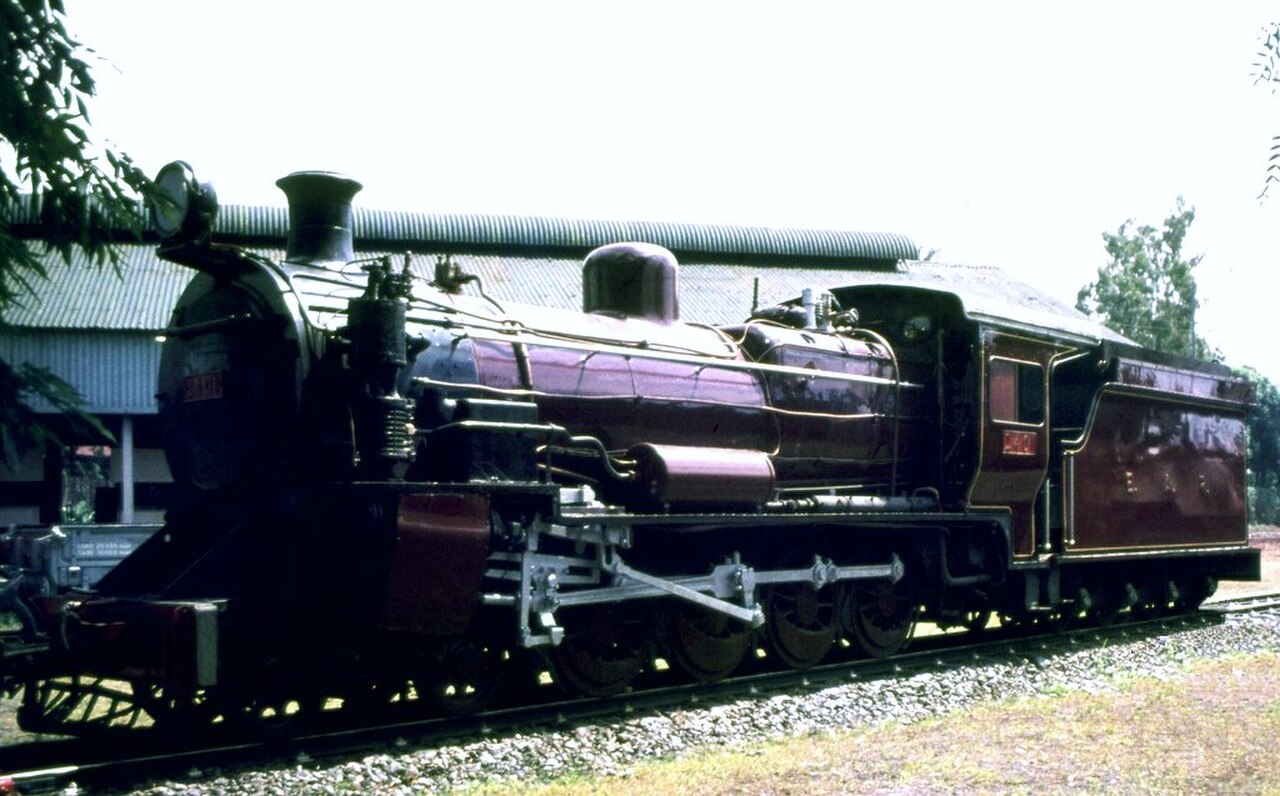
The outdoor yard contains historic steam locomotives and railway carriages, including equipment associated with the Uganda Railway era. Indoor displays add photographs, documents, uniforms, signalling apparatus, station furnishings, and other railway objects. One notable carriage was used during the hunt for the man-eating lions of Tsavo. Model trains and mechanical details help explain railway technology, while the wider collection shows how rail infrastructure influenced settlement and urban development in Kenya. The museum displays historic steam locomotives and railway carriages in its outdoor yard, including engines from the Uganda Railway era. Indoor exhibits feature photographs, documents, railway uniforms, and equipment illustrating construction and operation history.
Checked 2026-08-26 · Source
One to two hours suits most visits to the yard and indoor galleries. Railway enthusiasts may want longer for locomotive details, technical information, and archival material. The site is compact, but the outdoor exhibits involve walking across uneven ground. A museum visit can fit naturally into a half-day around central Nairobi, especially for travellers interested in the railway station, the city’s origins, or the transition from colonial rail infrastructure to modern passenger services.
Checked 2026-08-26 · Source
Dry weather makes the locomotive yard more comfortable, while morning visits reduce exposure to the strongest midday sun. Nairobi’s long rains generally fall between March and May, with shorter rains commonly occurring from November to December, although conditions vary. The museum’s central location makes it convenient on a city day, but weekday, weekend, and holiday access can differ. Choose the visit when you have enough time for both the outdoor machinery and indoor history displays.
Checked 2026-08-26 · Source
The museum is a paid heritage attraction, and Kenyan cultural institutions may use separate resident and international visitor categories. Organised groups can have different arrangements from individual visitors. This guide does not include current prices, payment methods, or supplementary charges. Treat the ticket as access to a combined outdoor collection and indoor archive-style display. Carrying a practical payment option for a museum visit is sensible, while the exact amount belongs to the current entrance information.
Checked 2026-08-26 · Source
The museum is beside Nairobi railway station near the central business district. Buses, matatus, taxis, ride-hailing services, and walking from nearby central hotels can all connect with the station precinct. Commuter rail users may arrive at the adjacent station. Traffic and busy pedestrian movement affect the approach, so keep phones and bags secure while moving through the area. The central position makes the museum easy to combine with other city-centre stops.
Checked 2026-08-26 · Source
The locomotive yard has uneven ground, weathered metal, and industrial equipment that should be viewed from the visitor route rather than climbed. Wet surfaces can be slippery. The central railway precinct is busy with pedestrians and vehicles, so stay alert when approaching and leaving. Limited shade in the yard makes water and sun protection useful. The historic setting may be challenging for visitors with reduced mobility because the outdoor terrain and older buildings are not designed like a modern gallery.
Checked 2026-08-26 · Source
The railway yard is excellent for photographing locomotive silhouettes, mechanical details, nameplates, wheels, carriages, and weathered textures. Morning and late afternoon light can reveal surface detail, while indoor displays require care in lower light. Keep tripods and bags out of circulation routes. Follow signs around indoor objects and working railway areas, and do not photograph staff without consent. Drone use near railway infrastructure requires explicit permission. The strongest images combine machinery with the story of Nairobi’s railway origins.
Checked 2026-08-26 · Source
Children who enjoy trains can engage with the large locomotives and carriages. Adults should supervise them around industrial equipment and uneven outdoor surfaces.
The museum focuses on the Uganda Railway and Kenya’s rail transport, including the railway’s role in Nairobi’s development.
The collection includes the carriage used during the hunt for the man-eating lions of Tsavo.
One to two hours is suitable for the outdoor yard and indoor galleries. Railway enthusiasts may spend longer with technical details and archival material.
It is beside Nairobi railway station near the central business district, making it convenient to reach by city transport or on foot from nearby hotels.
The locomotives, carriages, wheels, nameplates, signalling equipment, mechanical parts, and weathered railway surfaces all provide strong photographic subjects.
Loading the interactive map…
The interactive map could not be loaded.

Last updated:
Source: OpenStreetMap contributors, Wikidata ·