.jpg)

11 min walk
Kazuri Beads and Pottery Centre
- Must see
- Art and culture venue
Language · 11 published
Museum · Nairobi
| Monday | 08:30 – 17:30 |
|---|---|
| Tuesday | 08:30 – 17:30 |
| Wednesday | 08:30 – 17:30 |
| Thursday | 08:30 – 17:30 |
| Friday | 08:30 – 17:30 |
| Saturday | 08:30 – 17:30 |
| Sunday | 08:30 – 17:30 |
Checked 2026-08-31 · Source
Read from the OpenStreetMap access tags; anything not listed has no tag recorded.
Set the group type to family in the planner and the day window contracts to about three quarters of a solo day.
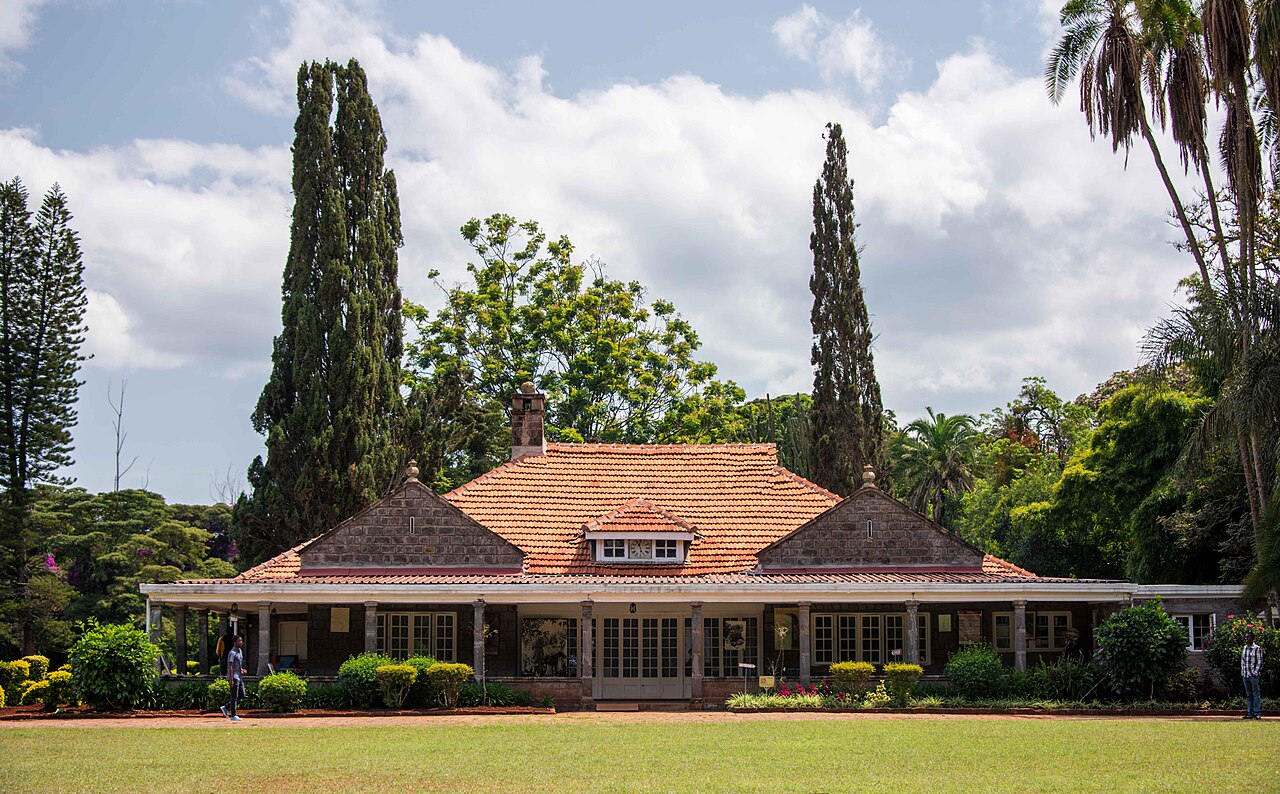
Karen Blixen Museum occupies the preserved farmhouse where Danish author Karen Blixen lived from 1914 to 1931. The house stands in Nairobi’s Karen suburb, a district whose name is connected with Blixen. Her memoir Out of Africa made this period of her life internationally known. A visit combines literary history, domestic interiors, colonial-era architecture, and the surrounding grounds of the former coffee estate. The Karen Blixen Museum occupies the preserved farmhouse where Danish author Karen Blixen lived from 1914 to 1931. The property sits in Nairobi's Karen suburb, named after the author. The museum commemorates Blixen's memoir Out of Africa, which chronicled her experiences running a coffee plantation in colonial Kenya. The building represents a tangible connection to early twentieth-century European settlement and the literary heritage that shaped global perceptions of Kenya. Yes, the museum occupies the authentic farmhouse where Karen Blixen lived during her years in Kenya.
Checked 2026-08-26 · Source
The farmhouse retains period furnishings, personal effects, rooms, and architectural details associated with Blixen’s residence in Kenya. Visitors see the domestic setting that gives her memoir a physical context, rather than encountering the story only through books or film. The grounds extend the experience beyond the interiors and help explain the relationship between the house, the coffee estate, and the Karen landscape. The building itself is one of the museum’s central exhibits. The farmhouse retains period furnishings and personal effects associated with Blixen's residence. Visitors encounter rooms preserved to reflect the author's living conditions during her years in Kenya. The property includes the original house structure and surrounding grounds that formed part of the coffee estate. The museum displays items connected to Blixen's life and work, offering material context for readers of her writings. The colonial-era architecture itself constitutes a significant portion of the visitor experience.
Checked 2026-08-26 · Source
A visit usually fits into one to two hours. The farmhouse is compact, but the rooms, furnishings, personal objects, and interpretive material reward an unhurried pace. Readers of Out of Africa may want extra time in rooms that connect directly with Blixen’s life and writing. Include additional time for the grounds and for the road journey through Karen when planning the museum alongside other southwestern Nairobi attractions.
Checked 2026-08-26 · Source
Morning is a comfortable time to explore the house and grounds before the day becomes warmer. Nairobi’s climate allows visits throughout the year, while rain can make outdoor sections less pleasant. Weekdays may provide a calmer atmosphere than busy weekends. Because the museum sits in Karen rather than central Nairobi, place it within a southwestern city day and leave room for traffic between the museum and your next destination.
Checked 2026-08-26 · Source
The museum is administered by the National Museums of Kenya, and entry is paid. Kenyan national museums may distinguish resident and international visitor categories, with separate arrangements possible for organised groups or guided activities. This guide does not include current prices or payment details. Budget for the museum as a ticketed cultural visit, and distinguish the admission decision from the wider cost of reaching Karen and spending time in the suburb.
Checked 2026-08-26 · Source
Karen Blixen Museum is in Karen, roughly fifteen to twenty kilometres from Nairobi’s central business district depending on the route. Langata Road and local roads connect the suburb with central Nairobi. Ride-hailing services, taxis, private vehicles, and organised tour transport are practical ways to reach the property. Matatus serve the Karen area, though the final approach depends on the route. Traffic can make the journey much longer than the map distance suggests.
Checked 2026-08-26 · Source
The farmhouse preserves original features, so floors and fixtures may be uneven or delicate. Stay within visitor routes and respect barriers around furnishings and personal objects. Outdoor sections bring sun, insects, and uneven ground, making sensible footwear useful. The interpretation centres on a European settler’s experience in colonial Kenya; reading the house alongside that historical setting gives the visit greater depth. Keep the museum’s quiet domestic atmosphere in mind when moving through small rooms.
Checked 2026-08-26 · Source
The farmhouse and grounds offer strong subjects for architectural and literary-history photography. Use posted signs and staff directions inside the preserved rooms, where furnishings and objects require careful treatment. Keep camera movement unobtrusive in narrow interiors and avoid using flash where it is restricted. The exterior architecture, garden, and surrounding landscape provide alternatives when interior photography is limited. Commercial photography is a different activity from ordinary holiday photographs and may require separate permission.
Checked 2026-08-26 · Source
Yes. The museum occupies the farmhouse where Karen Blixen lived in Kenya from 1914 to 1931.
It is connected with Karen Blixen’s life in Kenya and with Out of Africa, the memoir describing her experiences running a coffee plantation.
Most visitors can experience the farmhouse and grounds in one to two hours, with extra time useful for readers especially interested in Blixen’s life and writing.
It is in Karen, a southwestern Nairobi suburb roughly fifteen to twenty kilometres from the central business district depending on the route.
The rooms contain period furnishings, personal effects, and architectural details associated with Blixen’s residence during her years in Kenya.
The grounds help place the farmhouse within the former coffee estate and connect the preserved domestic interior with the Karen landscape surrounding it.
Loading the interactive map…
The interactive map could not be loaded.

Last updated:
Source: OpenStreetMap contributors, Wikidata ·