


4 min walk
Kiyosumi Garden
- Must see · Heritage site
- Nature site
Language · 1 published
Museum · Tokyo
江東区深川江戸資料館
| Monday | 09:30 – 16:30 |
|---|---|
| Tuesday | 09:30 – 16:30 |
| Wednesday | 09:30 – 16:30 |
| Thursday | 09:30 – 16:30 |
| Friday | 09:30 – 16:30 |
| Saturday | 09:30 – 16:30 |
| Sunday | 09:30 – 16:30 |
Parsed from OpenStreetMap opening hours on 2026-08-26.
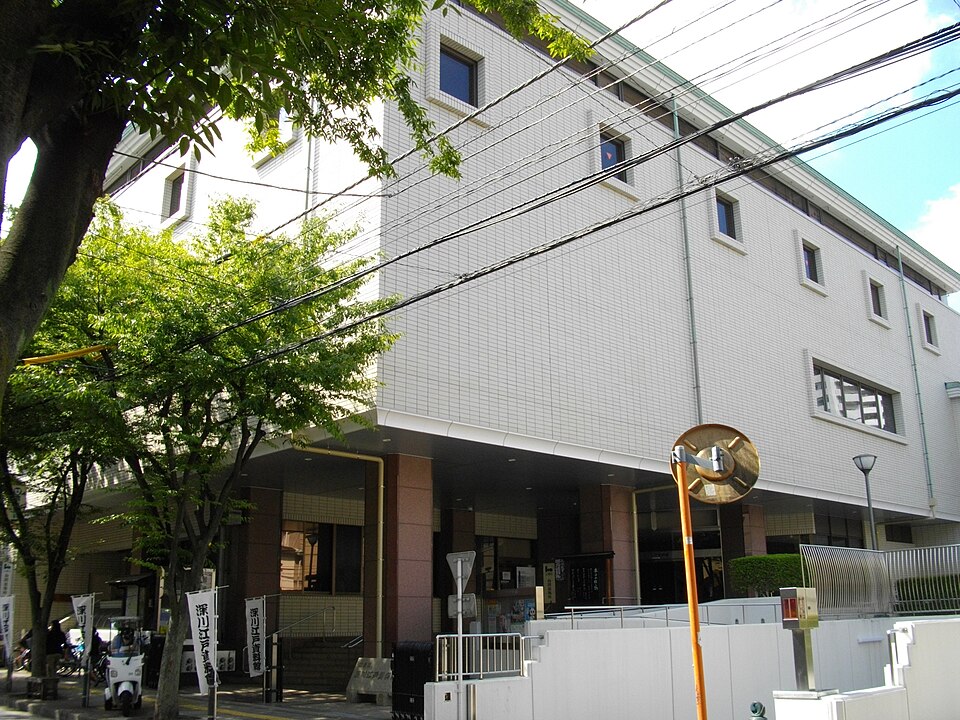
The Fukagawa Edo Museum is a history museum in Tokyo's Koto Ward dedicated to preserving and presenting the culture of the Edo period. The facility focuses on the Fukagawa district, a working-class neighborhood that flourished during the Tokugawa era. The museum's signature feature is a full-scale reconstruction of a Fukagawa streetscape from the late Edo period, allowing visitors to step directly into historical daily life. The institution serves as a cultural repository for understanding urban commoner culture rather than samurai or aristocratic traditions.
Checked 2026-08-26
The museum's central exhibit is an immersive reconstructed street with period buildings including homes, shops, and a fire watchtower. Visitors can enter structures furnished with authentic artifacts and reproductions. Displays cover domestic life, commerce, festivals, and the livelihoods of townspeople. Additional exhibition spaces present rotating and permanent collections of Edo-period materials including woodblock prints, household items, and documents. The reconstruction emphasizes sensory engagement with historical environments through architectural detail and contextual sound design. A flexible visit lets travellers connect Fukagawa Edo Museum with the rest of the day without treating one room, viewpoint or photograph as the whole experience. The useful pace depends on personal interest and conditions on arrival.
Checked 2026-08-26

A thorough visit typically requires between one and two hours, though individual pacing varies considerably. The immersive streetscape rewards unhurried exploration, as visitors may enter multiple buildings and examine interior details. Those with strong interest in social history or material culture may prefer extended engagement. The compact physical footprint of the museum means that even brief visits yield substantial exposure to the core reconstruction. Families with children often find the walk-through format naturally regulates visit duration.
Checked 2026-08-26
Operator-confirmed hours are Not recorded pending review. Visitors should consult official sources before planning attendance. The indoor, climate-controlled environment makes the museum viable across seasons, though Tokyo's summer humidity and winter chill may influence travel comfort to the site. Weekday mornings potentially offer quieter conditions for appreciating the atmospheric reconstruction without crowding. The museum's location in a residential-commercial district lacks the heavy tourist concentrations of central Tokyo attractions, which may benefit visitors seeking calmer engagement. The strongest visit keeps attention on what is distinctive here while leaving room for the next stop. That approach makes Fukagawa Edo Museum useful in both a focused first visit and a slower return to the city.
Checked 2026-08-26

Operator-confirmed prices are Not recorded pending review. Visitors should verify current admission fees through official channels prior to arrival. The museum's scale and specialized focus suggest pricing likely aligns with comparable municipal history institutions rather than major national museums. Potential discounts for students, seniors, or groups are unconfirmed. No information is available regarding combined ticketing with nearby attractions or special exhibition surcharges. Payment methods accepted at entry remain undocumented. Fukagawa Edo Museum also earns time in a tokyo itinerary because Tokyo production has zero POIs assigned through city_place_id, so no identifier or coordinate is inferred. Its value becomes clearer when the stop is compared with the surrounding streets and the other ranked places nearby.
Checked 2026-08-26

The museum is located in Koto Ward, eastern Tokyo, accessible via Tokyo Metro and Toei Subway lines. The nearest stations are Monzen-Nakacho on the Tozai and Oedo lines, and Kiba on the Tozai Line, each requiring subsequent walking. The neighborhood sits beyond the central Yamanote loop, necessitating transfer for many origin points. Signage in Japanese predominates in the surrounding streets; visitors may benefit from mapping applications. The area offers limited landmark visibility, so precise address verification before departure is prudent.
Checked 2026-08-26
The reconstructed streetscape involves uneven surfaces, thresholds, and low doorways that may present mobility challenges. Some buildings require shoe removal. The atmospheric lighting, while historically evocative, reduces visibility in certain spaces. English interpretation is limited compared to central Tokyo institutions, though the visual and tactile nature of exhibits partially compensates. Photography restrictions likely apply within specific areas. The museum's modest scale means expectations of encyclopedic coverage will be disappointed; this is a focused neighborhood institution rather than comprehensive national museum.
Checked 2026-08-26
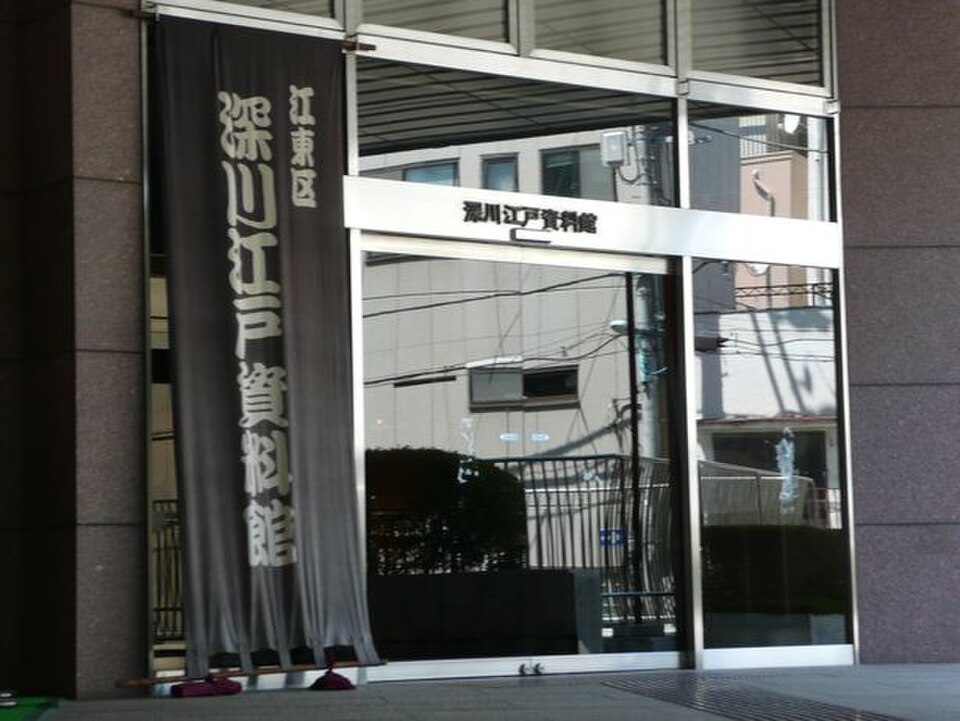
Photography policies are not explicitly documented in available sources. Visitors should observe posted regulations upon entry and request clarification from staff if signage is Japanese-only. The reconstructed streetscape presents obvious photographic appeal, yet curatorial priorities of preservation and atmosphere may restrict image capture in sensitive areas. Flash photography likely faces prohibition due to artifact conservation. Tripods and professional equipment may require advance permission. Respectful discretion is advised when photographing exhibits containing representations of private domestic spaces.
Checked 2026-08-26
English interpretation appears limited compared to major central Tokyo museums. Visitors should not expect comprehensive bilingual signage or audio guides based on available information.
Yes, the museum's core experience involves entering multiple period structures including homes and shops, though some access restrictions or shoe removal requirements may apply.
The walk-through format and tangible historical environment appear generally suitable for children, though parental guidance is needed regarding uneven surfaces, low doorways, and behavioral expectations in reconstructed domestic spaces.
Fukagawa Edo Museum focuses specifically on commoner life in one neighborhood with immersive reconstruction, while the Edo-Tokyo Museum is a larger, comprehensive institution covering broader metropolitan history with more extensive collections.
Availability of guided tours in any language is not recorded in available sources. Visitors should inquire directly with the institution.
The reconstructed streetscape's uneven surfaces, thresholds, and traditional building designs suggest potential accessibility challenges, though specific accommodations are not documented.
Loading the interactive map…
The interactive map could not be loaded.
Last updated:
Source: OpenStreetMap contributors, Wikidata ·