.jpg)


12 min walk
Statue of Kusunoki Masashige
- Notable
- Historic monument
Language · 1 published
Nature site · Tokyo
皇居東御苑
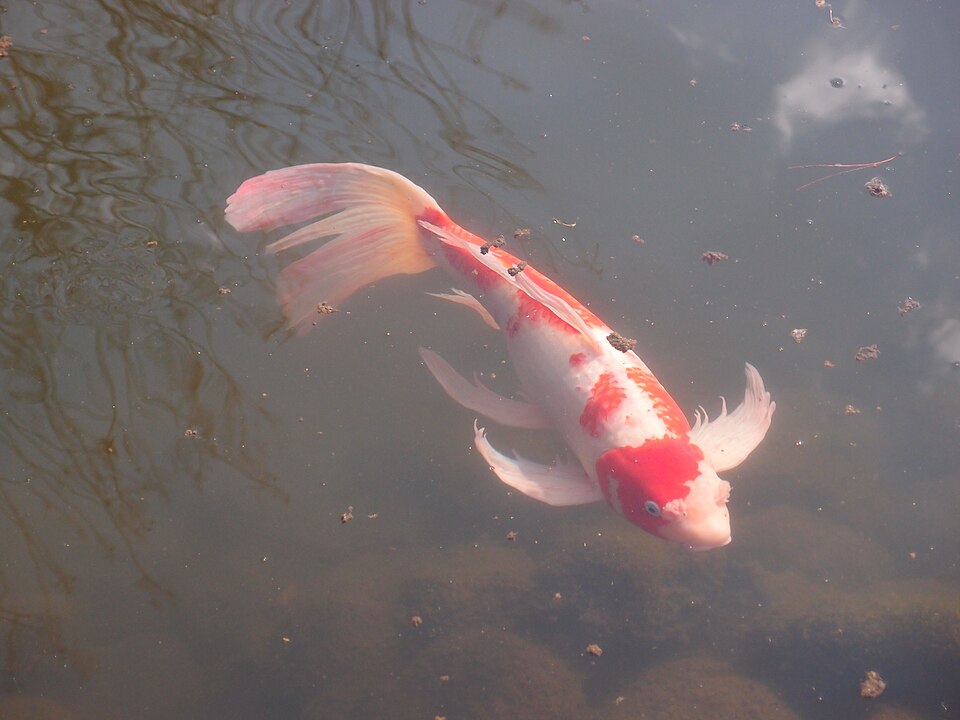
The Imperial Palace East Gardens form part of the grounds surrounding the Tokyo Imperial Palace, the primary residence of Japan's Imperial Family. These gardens occupy the site of the former Edo Castle's innermost circles of defense, which were destroyed in the nineteenth century. The area opened to the public in 1968 as a space for visitors to experience historical significance and natural beauty. The gardens represent one of the few accessible portions of the extensive palace complex, offering insight into Japan's feudal past and imperial present. Visitors encounter meticulously maintained landscapes that blend traditional Japanese garden aesthetics with the structural remnants of a once-mighty fortress.
Checked 2026-08-26
The gardens contain several notable features that reward attentive exploration. Remnants of the Edo Castle foundation, including stone walls and moat structures, remain visible throughout the grounds. The Ninomaru Garden presents a traditional Japanese landscape design with a pond and ornamental stones. Various trees, flowers, and seasonal plantings create changing visual interest throughout the year. Historic guardhouses and gates punctuate the perimeter. Small museums or exhibition spaces may occupy certain structures, though specific current contents are not recorded. The overall composition emphasizes open lawns, wooded areas, and carefully composed vistas that frame views of the remaining palace architecture and surrounding modern Tokyo.
Checked 2026-08-26
Visitors typically allocate between sixty and ninety minutes for a meaningful visit to the Imperial Palace East Gardens, though individual pacing varies considerably. Those with strong interest in Japanese history, garden design, or photography may extend their stay beyond two hours. The grounds cover substantial area, and thorough exploration of all paths, viewpoints, and historical remnants requires dedicated time. Casual visitors seeking a pleasant stroll through green space in central Tokyo may find forty-five minutes sufficient. The unstructured nature of the visit allows flexible duration based on personal interest, weather conditions, and crowding levels on any given day.
Checked 2026-08-26

Seasonal considerations influence the garden experience significantly. Spring cherry blossom periods and autumn foliage seasons attract heightened visitor numbers but offer exceptional natural displays. Summer visits require preparation for heat and humidity typical of Tokyo's climate. Winter presents quieter atmosphere with structural elements more visible through bare vegetation. Operator-confirmed hours are Not recorded pending review. Visitors should consult official sources before planning their trip, as access schedules may vary seasonally or during imperial ceremonies and events. Morning visits generally provide calmer conditions before peak tourist hours accumulate. Weather-dependent comfort should factor into timing decisions.
Checked 2026-08-26
Access to the Imperial Palace East Gardens is understood to be free of charge, consistent with many Japanese public cultural spaces. However, operator-confirmed prices are Not recorded pending review. No advance reservation system is indicated in available sources for standard garden entry. Special exhibitions or museum components within the grounds may operate under separate fee structures not documented here. Visitors should carry sufficient cash for incidental purchases such as guide materials or refreshments, as not all facilities may accommodate card payments. Group arrangements or educational programming may involve procedures not covered by general visitor information currently available.
Checked 2026-08-26
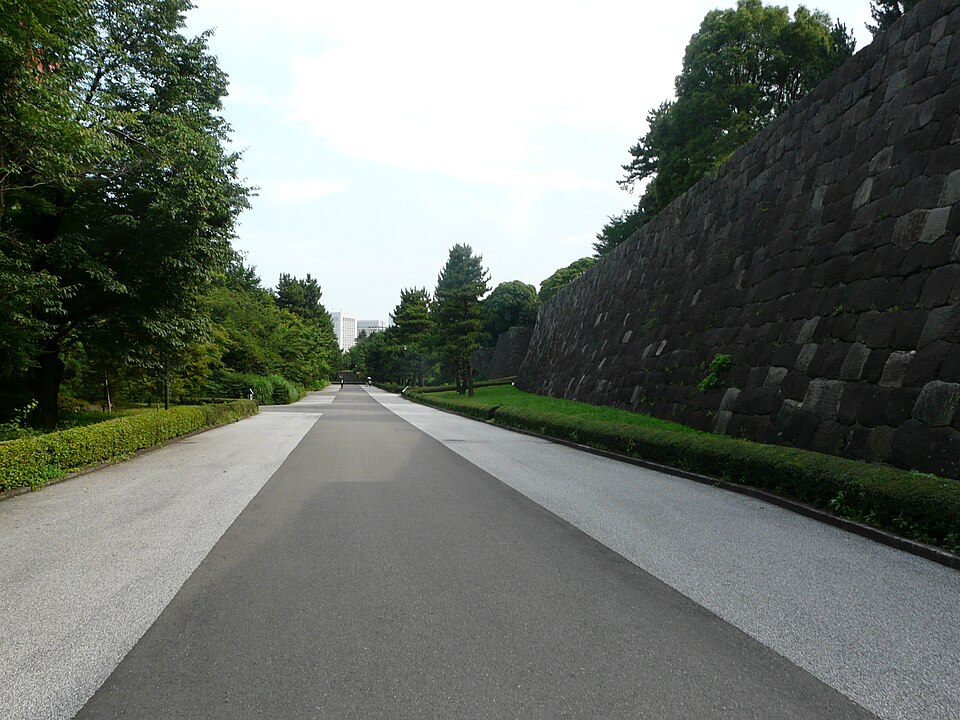
The gardens occupy a central Tokyo location accessible through multiple transportation options. Several Tokyo Metro subway stations serve the surrounding area, with Otemachi and Nijubashimae being commonly referenced access points. Japan Rail lines connect to nearby Tokyo Station, requiring subsequent walking through the Marunouchi business district. Surface bus routes traverse the palace perimeter. The extensive grounds feature multiple entry gates, and visitors should verify which access points are operational for public entry. Signage in Japanese and English assists navigation from transit exits. Central location facilitates combination with other Marunouchi, Ginza, or Nihonbashi district activities within a single day.
Checked 2026-08-26
Visitors must observe respectful conduct appropriate to imperial grounds and Japanese cultural sites. Remaining pathways and designated access areas preserves both safety and site integrity. Photography restrictions may apply to certain viewpoints or structures; attentive observation of posted guidance is essential. The expansive grounds offer limited shelter during precipitation, making weather-appropriate preparation advisable. Drinking water availability within the gardens is not confirmed. Seating may be limited during peak periods. Security screening at entry points is standard procedure. Visitors should anticipate substantial walking on varied surfaces including gravel paths and stone features. Mobile telephone usage should be conducted with consideration for others seeking tranquil atmosphere.
Checked 2026-08-26
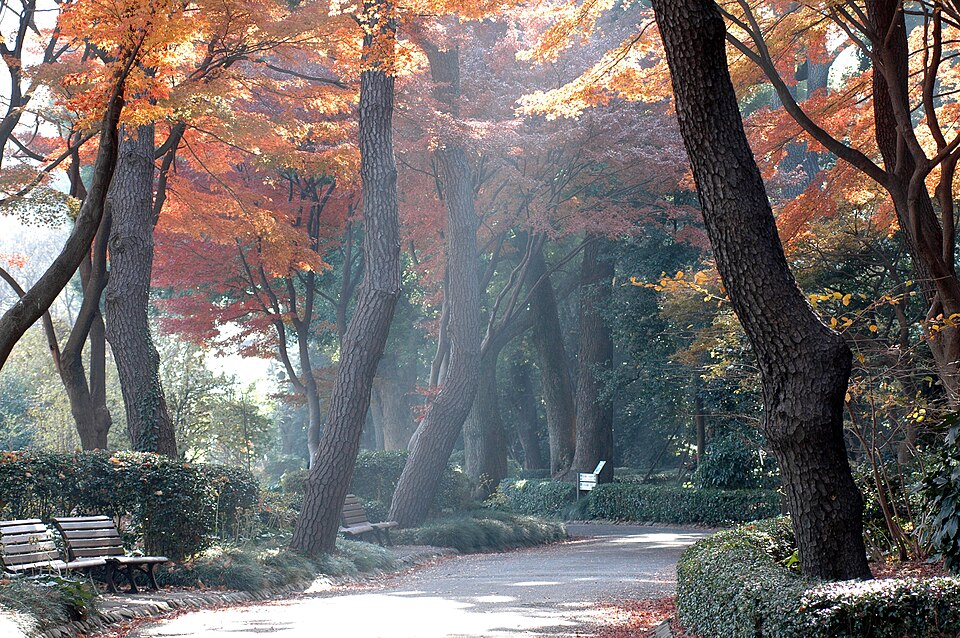
The gardens present numerous photographic opportunities combining historical architecture, traditional landscape design, and natural elements. The stone foundations of Edo Castle offer textured foregrounds against contemporary Tokyo skyline backdrops. Seasonal variations dramatically alter visual character, from cherry blossom framing to autumn maple coloration. Early morning and late afternoon light quality enhances garden atmosphere. Tripod usage may face restrictions without advance permission. Specific structures or security-sensitive viewpoints may prohibit photography entirely. Visitors should prioritize personal observation over extensive documentation, respecting both site regulations and other visitors' experience. The contrast between preserved historical space and surrounding urban development provides compelling compositional possibilities for photographers at all levels.
Checked 2026-08-26
No. The East Gardens represent only a portion of the total palace grounds. The Imperial Family's residence and many administrative buildings remain closed to general public access.
Standard garden access does not require advance reservation according to available information, though visitors should verify current procedures through official channels before visiting.
English signage and materials are typically provided at major Tokyo tourist destinations, though comprehensive confirmation for all garden facilities is not recorded.
On-site food service facilities are not documented in available sources. Visitors may wish to arrange meals before or after their garden visit in surrounding commercial areas.
Path surfaces include gravel and uneven stone, which may present challenges. Specific accessibility accommodations are not recorded and should be confirmed directly with site operators.
Imperial ceremonies and official functions may affect public access. Current closure schedules are not recorded, necessitating direct confirmation before planned visits.
Loading the interactive map…
The interactive map could not be loaded.
Last updated:
Source: OpenStreetMap contributors, Wikidata ·