


.jpg)
12 min walk
Kiyosumi Garden
- Must see · Heritage site
- Nature site
Language · 1 published
Place of worship · Tokyo
富岡八幡宮

Tomioka Hachimangu is a Shinto shrine located in the Fukagawa district of Koto Ward, Tokyo. Founded in 1627, it is one of the most significant Hachiman shrines in the city. The shrine is particularly known as the birthplace of Edo-period sumo, with historical connections to the sport's early formal tournaments. It serves as a spiritual center for the local community and attracts visitors interested in both religious practice and cultural heritage. The site occupies a notable position in Tokyo's eastern waterfront area.
Checked 2026-08-26
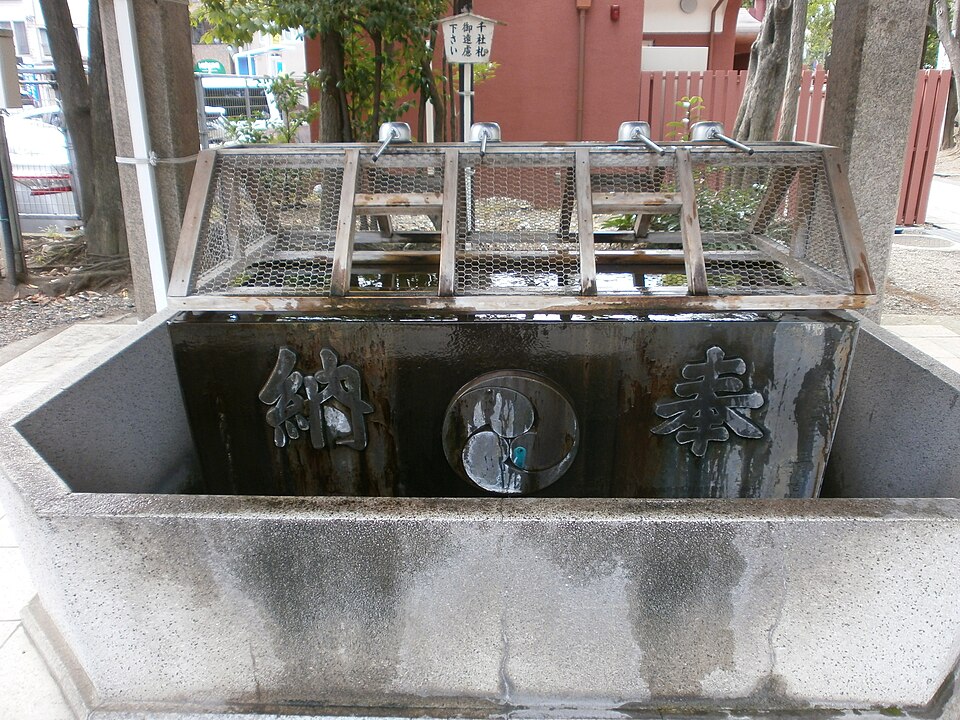
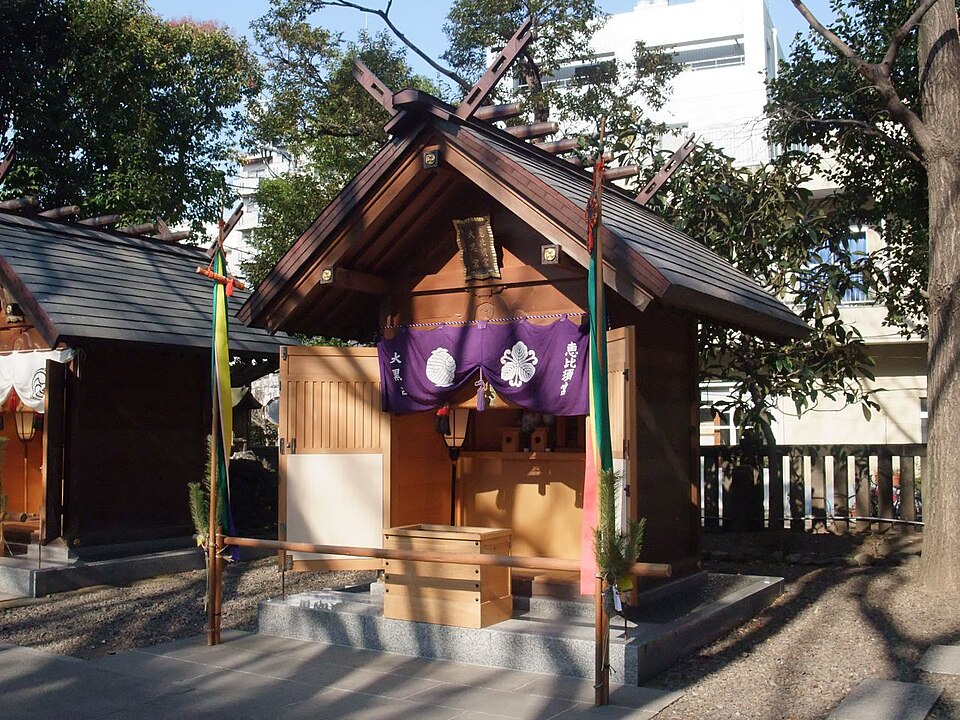
The shrine grounds contain traditional Shinto architectural elements including a main hall and torii gates. Stone lanterns and commemorative monuments related to sumo history are present throughout the precinct. The grounds feature landscaped areas with mature trees providing shade. Various subsidiary shrines and ritual objects are situated within the compound. Visitors will find water basins for purification rites near the entrance. The spatial arrangement follows conventional Shinto shrine layout with a clear approach path from the street through the torii to the main sanctuary.
Checked 2026-08-26
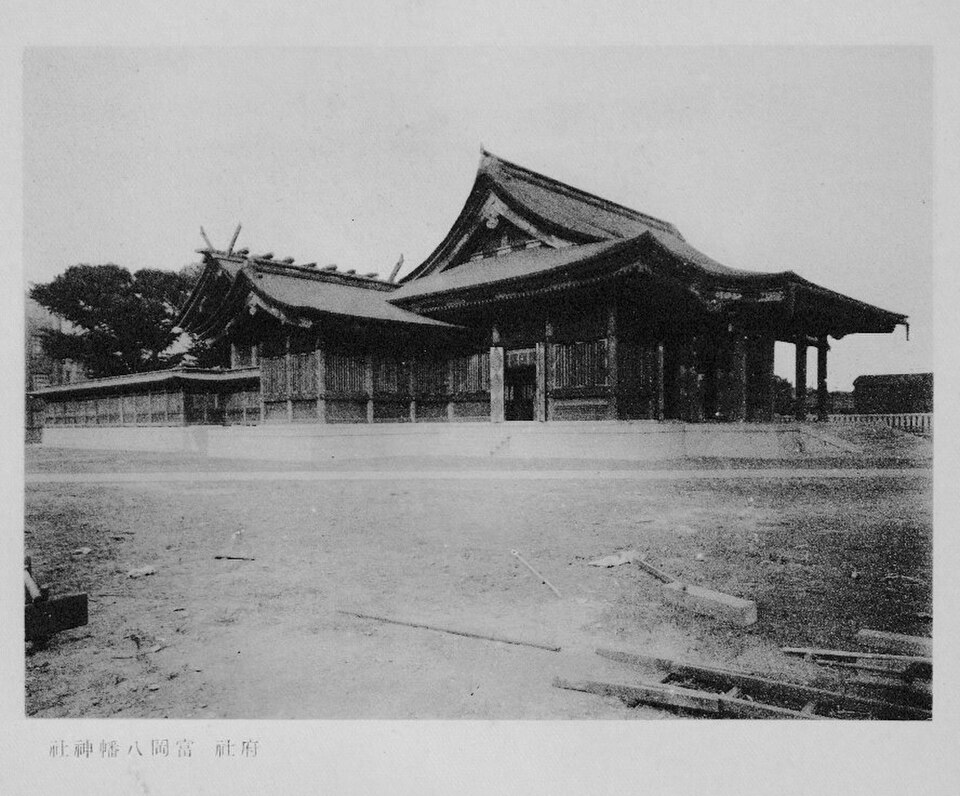
A standard visit to Tomioka Hachimangu typically requires between thirty minutes and one hour. This duration allows for walking the full approach, observing the main structures, and pausing at points of historical interest. Those with specific interest in sumo heritage may wish to spend additional time examining related monuments. The compact nature of the grounds means extensive walking is not necessary. Visitors combining this site with nearby attractions in the Fukagawa area should allocate accordingly. Personal pace and seasonal conditions will influence actual time spent.
Checked 2026-08-26

Operator-confirmed hours are Not recorded pending review. Visitors should verify current opening times through official channels before planning their trip. The shrine grounds are generally accessible during daylight hours, though specific gate times may vary. Seasonal considerations include summer humidity and winter chill typical of Tokyo's climate. The site hosts festivals and events throughout the year that may affect crowd levels. Early morning visits typically offer quieter conditions. Rainy season in June and typhoon potential in late summer warrant appropriate preparation for outdoor portions of the visit.
Checked 2026-08-26
Operator-confirmed prices are Not recorded pending review. Most Shinto shrines in Japan do not charge admission fees for general grounds access. Special exhibitions, ceremonies, or specific buildings may occasionally require separate payment. Visitors should carry cash for offerings, amulet purchases, or fortune slips if desired. These voluntary contributions support shrine maintenance. No advance booking is typically necessary for casual visits. Group arrangements or special access should be confirmed directly with shrine administration. Budget-conscious travelers can experience the site without mandatory expenditure beyond personal transportation costs to reach the location.
Checked 2026-08-26
Tomioka Hachimangu is situated in Koto Ward, accessible via Tokyo's rail and subway networks. The nearest stations are on the Toei Oedo Line and Tokyo Metro Hanzomon Line, requiring subsequent walking through residential streets. Signage in Japanese assists with final navigation. The Fukagawa area lacks the dense tourist infrastructure of central Tokyo, so map preparation is advisable. Taxis offer direct access for those prioritizing convenience. Cycling is feasible for visitors staying in eastern Tokyo districts. The waterfront location means some approaches involve crossing canals or bridges characteristic of this historically marshy district.
Checked 2026-08-26
The shrine grounds contain gravel and uneven stone surfaces that may challenge mobility devices or unstable footwear. Summer brings mosquitoes to the shaded, vegetated areas. As an active religious site, visitors should observe respectful conduct near worshippers and avoid disruptive behavior. Photography restrictions may apply in certain areas; signage should be checked. The surrounding Fukagawa neighborhood has limited English-language services compared to major tourist zones. Drinking fountains and restroom facilities may not match standards of commercial districts. Visitors should carry water during warm months and be prepared for minimal shelter during sudden rainfall.
Checked 2026-08-26

The torii gates, main hall architecture, and sumo-related monuments offer primary photographic subjects. Morning light from the east can illuminate the main structures effectively. The mature trees create dappled lighting conditions that vary throughout the day. Wide-angle lenses accommodate the spatial constraints of the compact grounds. Tripod use may attract attention and should be discreet or avoided during busy periods. Respect for worshippers takes priority over optimal camera positioning. Interior sanctuary areas likely prohibit photography. The contrast between traditional structures and occasional modern elements in the background presents compositional choices for documenting the site's urban context.
Checked 2026-08-26
It is primarily a local religious site with specialized appeal for those interested in sumo history, rather than a major international tourist destination.
The shrine is historically connected to sumo's origins but does not host regular matches; visitors see monuments and historical markers related to the sport's development.
English-language resources are likely limited compared to central Tokyo attractions; visitors should not expect comprehensive foreign-language support.
Gravel paths and traditional surfaces present challenges; accessibility accommodations are not confirmed and visitors with mobility concerns should verify conditions in advance.
Standard shrine amulets and offerings are typically available; specialized sumo merchandise availability is not confirmed.
Dedicated dining facilities within the shrine precinct are not recorded; the surrounding Fukagawa neighborhood offers various eating options requiring exit from the site.
Loading the interactive map…
The interactive map could not be loaded.
Last updated:
Source: OpenStreetMap contributors, Wikidata ·