

3 min walk
Pre Rup
- Must see
- Historic monument
Language · 11 published
Historic monument · Siem Reap
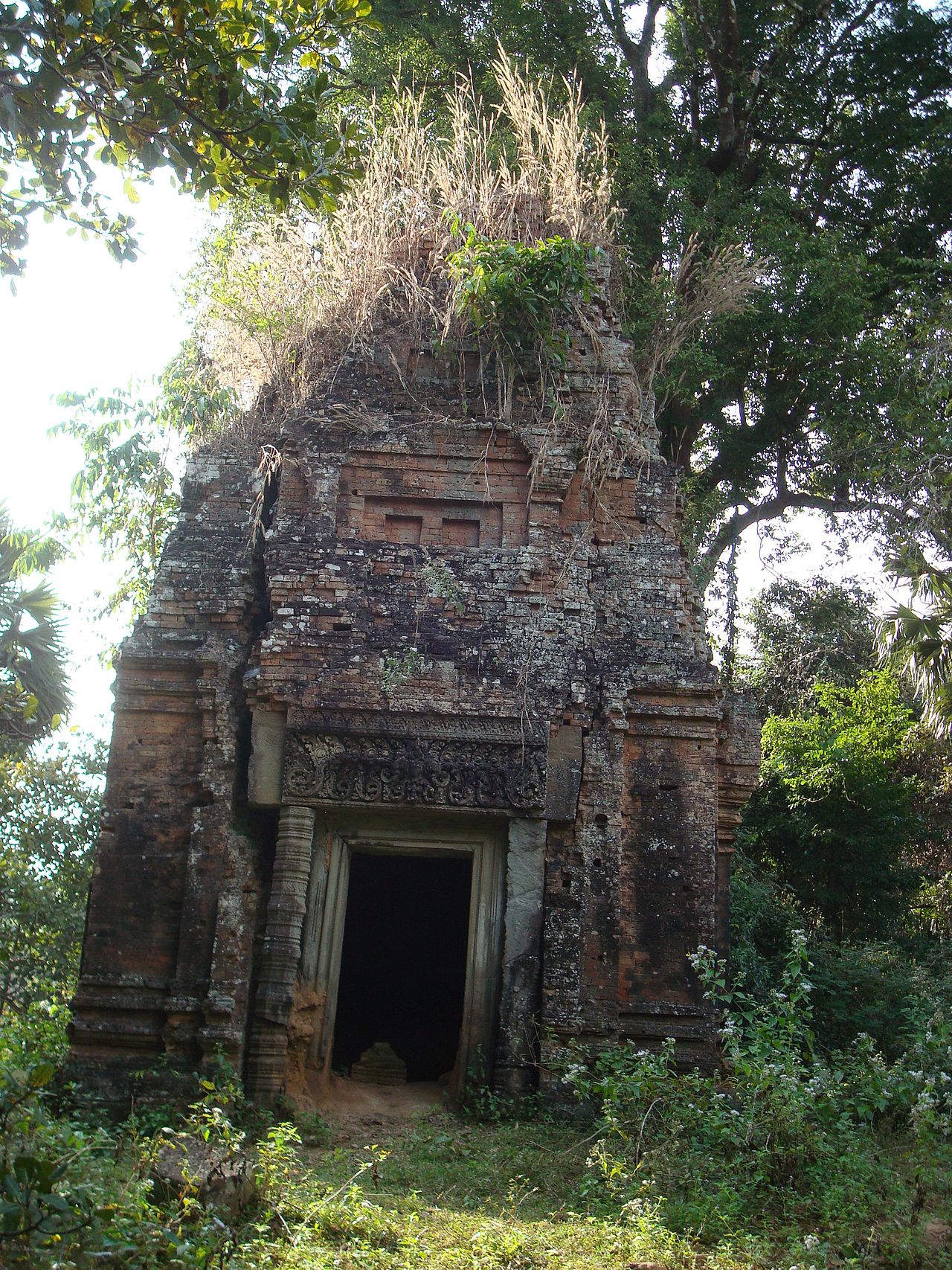
Prasat Leak Neang is a minor Khmer temple ruin within the Angkor archaeological zone near Siem Reap. It forms part of the UNESCO-listed cultural landscape associated with the Khmer Empire’s long period of temple building and urban development. This is a place for travelers interested in the quieter layers of Angkor: a smaller structure, a more restrained visit, and a chance to see how the archaeological zone extends beyond its famous headline monuments. Prasat Leak Neang is a Khmer temple ruin situated within the broader Angkor archaeological zone near Siem Reap, Cambodia. The structure forms part of the UNESCO World Heritage Site inscribed in 1992 under reference 668. The temple represents a minor but meaningful component of the vast Angkor complex, which served as the capital of the Khmer Empire from approximately the ninth to fifteenth centuries. Visitors encountering this site gain exposure to the layered architectural heritage that extends beyond the most celebrated monuments. The name reflects local Khmer identification practices rather than formal archaeological designation. Standard packages emphasizing major monuments may omit this secondary site. Customized or extended itineraries offer greater inclusion probability. Dedicated site guides are not typically stationed here. Visitors usually rely on accompanying tour guides or independent exploration.
Checked 2026-08-26 · Source
The ruin is a compact architectural stop where surviving stonework, weathering, vegetation, and partial structural remains provide the main points of interest. Visitors should focus on the relationship between the temple fabric and its surroundings rather than expect reconstructed rooms or a large museum-style interior. Doorways, stone elements, sanctuary remnants, and the evidence of age reward slow looking, especially when this temple is paired with other secondary Angkor sites. Vegetation encroachment may affect visibility of structural details. The site lacks the extensive conservation exposure and scholarly documentation accorded to major temples. Visitors should anticipate a ruin condition with weathered surfaces and partial collapse rather than reconstructed or fully accessible interiors.
Checked 2026-08-26 · Source
Allow fifteen to forty-five minutes for a visit, depending on whether you are making a quick circuit or examining the stonework closely. Most travelers will include Prasat Leak Neang within a wider temple route rather than travel for this ruin alone. Its modest scale leaves room for a calm pause, photography, and comparison with nearby structures without the crowds and long walks associated with Angkor’s largest monuments. A visit to Prasat Leak Neang typically requires between fifteen and forty-five minutes depending upon individual interest in architectural examination and photographic documentation.
Checked 2026-08-26 · Source
The cooler, drier period from November through March is comfortable for longer archaeological circuits, although midday heat remains strong. Early morning and late afternoon give softer light and better conditions for studying the ruin outdoors. Rainy months bring greener vegetation and a wetter landscape, but ground conditions can become more difficult. Visit during daylight and group the temple with other Angkor stops to make the journey worthwhile.
Checked 2026-08-26 · Source
Prasat Leak Neang is part of the Angkor Archaeological Park experience, so access is planned through the park’s admission system rather than a ticket booth at the ruin. Multi-day pass options suit visitors exploring several temples. Carry the pass throughout the day because checks can occur on routes through the archaeological zone. Transport, a private driver, and guiding form separate parts of the overall visit.
Checked 2026-08-26 · Source
Travel from Siem Reap by tuk-tuk, bicycle, motorbike, private car, or a hired driver as part of an Angkor route. Roads through the archaeological zone are generally flat, but surfaces and smaller approaches can vary with weather and maintenance. Minor temples have less prominent wayfinding than Angkor Wat or Bayon, so a route planned around several named stops is easier than searching casually while riding.
Checked 2026-08-26 · Source
Expect uneven ground, roots, loose stone, and vegetation around a partially ruined structure. Wear closed shoes, cover yourself from the sun, and carry enough water for the wider circuit. Do not climb weakened masonry or enter sections that look unstable. The temple’s quiet setting calls for respectful behavior, conservative clothing, and care around wildlife. Plan the route with enough time to return through the archaeological zone before darkness.
Checked 2026-08-26 · Source
Prasat Leak Neang works well for photographs of patinated stone, small-scale Khmer architecture, vegetation, and the wider archaeological setting. Soft morning or late-afternoon light can bring out relief and surface texture, while cloudy conditions reduce strong contrast. Move carefully around the ruin and keep tripods or bags away from narrow routes. Photograph the temple as a cultural landscape, with its organic surroundings contributing as much as the remaining masonry.
Checked 2026-08-26 · Source
It is a suitable addition to an extended or customized Angkor circuit, especially for travelers interested in smaller ruins. Routes focused only on the best-known temples may leave little time for this quieter stop.
Arrange a driver or guide in Siem Reap who includes secondary Angkor monuments in the route. The temple can also be visited independently when you have a clear circuit and reliable navigation between stops.
Prasat Leak Neang is experienced as a weathered ruin with partial structural remains rather than a fully reconstructed temple. Its appeal comes from close observation of surviving stonework and the surrounding archaeological landscape.
Allow fifteen to forty-five minutes at the temple. A wider visit takes longer because the ruin is normally reached as one stop among several Angkor monuments around Siem Reap.
Uneven terrain, vegetation, roots, and the lack of modernized access around a minor ruin can make movement difficult. Visitors should expect the route around the temple to be less straightforward than paths at major Angkor monuments.
The temple’s present value is its place within Angkor’s Khmer archaeological and cultural landscape. Visitors should treat the ruin as heritage, dress respectfully, and avoid climbing, touching fragile stone, or disturbing the surroundings.
Loading the interactive map…
The interactive map could not be loaded.


Last updated:
Source: OpenStreetMap contributors, Wikidata ·