8 min walk
Villa Patumbah
- Must see · Heritage site
- Historic monument
Language · 11 published
Museum · Zurich
Mühlerama
Closed today, Monday. Next open Tuesday at 14:00 — the planner will not place a stop here on a Monday.
Plan around it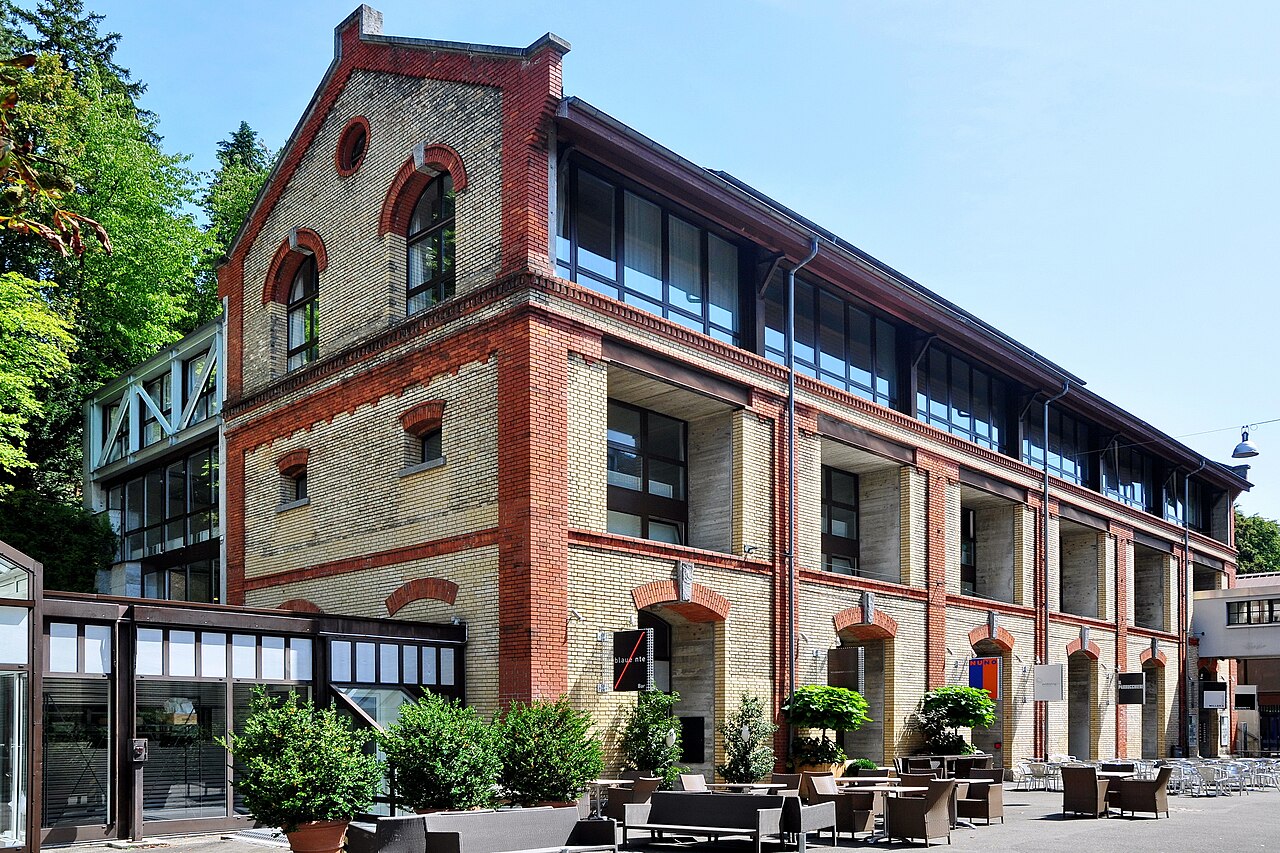
| Monday | Closed |
|---|---|
| Tuesday | 14:00 – 18:00 |
| Wednesday | 14:00 – 21:00 |
| Thursday | 14:00 – 18:00 |
| Friday | 14:00 – 18:00 |
| Saturday | 14:00 – 18:00 |
| Sunday | 10:00 – 17:00 |
Checked 2026-08-31 · Source
Read from the OpenStreetMap access tags; anything not listed has no tag recorded.
Set the group type to family in the planner and the day window contracts to about three quarters of a solo day.
Mühle Tiefenbrunnen, also known as Mühlerama, is a historic mill in Zurich’s Tiefenbrunnen district. The site preserves the memory of grain milling and presents industrial heritage in a setting connected with the city’s northeastern lakeside neighbourhoods. It suits travellers interested in machinery, traditional production, and the everyday technologies that supported urban life. Its character differs from Zurich’s grand museums: the subject is practical, mechanical, and rooted in the history of food and work. Mühle Tiefenbrunnen, locally known as Mühlerama, is a historic mill situated in the Tiefenbrunnen district of Zurich. This preserved industrial heritage site represents the city's milling tradition and offers visitors insight into traditional grain processing methods. The facility stands as a cultural landmark within Zurich's broader landscape of historical attractions, contributing to the understanding of Swiss industrial and agricultural history. A flexible visit lets travellers connect Mühle Tiefenbrunnen with the rest of the day without treating one room, viewpoint or photograph as the whole experience. Visitors must verify accessibility directly with the site or official Zurich tourism information before traveling. It is a historic mill, also called Mühlerama, preserving Zurich’s milling heritage and grain-processing machinery.
Checked 2026-08-26 · Source
The mill contains historic equipment associated with grain processing, including millstones and mechanical machinery. These objects help visitors understand how grain moved through a working mill and how industrial systems transformed agricultural products. The building itself contributes to the experience: machinery, structure, and working space belong to the same story. Take time to look at the relationship between individual components rather than viewing the equipment as isolated antiques. The result is a tangible introduction to milling technology and industrial heritage.
Checked 2026-08-26 · Source
A moderate visit suits most travellers. Allow enough time to examine the millstones, machinery, and the way the working areas fit together. Visitors fascinated by mechanical processes or food history may want a longer, slower visit, while others can take in the main industrial story more quickly. Because Tiefenbrunnen is also close to Lake Zurich, the mill works well as one part of a half-day neighbourhood route that continues outdoors along the lakefront or through nearby streets.
Checked 2026-08-26 · Source
The mill makes a useful all-season cultural stop, especially when you want to combine an indoor attraction with the Tiefenbrunnen neighbourhood and Lake Zurich. In warmer weather, continue with a lakeside walk after the visit. On colder or wet days, the industrial subject provides a change from outdoor sightseeing. The surrounding district can be planned as a quieter alternative to central Zurich. Build the stop into a route with room for both machinery and the nearby lakeside setting.
Checked 2026-08-26 · Source
Treat Mühle Tiefenbrunnen as a dedicated heritage attraction within a neighbourhood itinerary. The visit centres on the preserved mill and its machinery, so the value comes from seeing the historic working environment rather than from moving quickly between many rooms. It can be paired with a meal or lakeside pause in Tiefenbrunnen, creating an easy rhythm between industrial history and outdoor Zurich. The mill’s subject also gives families and curious adults a concrete way to discuss how grain became flour.
Checked 2026-08-26 · Source
Mühle Tiefenbrunnen lies in Zurich’s Tiefenbrunnen district near the northeastern shore of Lake Zurich. The area is connected with the city centre by public transport, including trams, buses, and the Tiefenbrunnen railway station. It also fits a walking or cycling route along the lake. Travellers can make the mill the inland part of a district day, then continue towards the waterfront. Its location gives the visit a different atmosphere from central old-town sightseeing.
Checked 2026-08-26 · Source
Historic milling equipment is the central feature, so stay aware around machinery, narrow passages, and changes in floor level. Children benefit from close supervision where industrial objects occupy the visitor route. The experience is about preserved technology rather than a large modern museum complex; travellers who prefer broad art collections should choose a different main attraction. Combine the visit with the nearby lakefront, but allow for weather because the outdoor part of the route is exposed. The industrial setting rewards careful observation.
Checked 2026-08-26 · Source
Mühle Tiefenbrunnen offers strong visual subjects in its millstones, gears, wooden and metal machinery, and industrial interior. Look for details showing wear, scale, and the relationship between moving parts. The historic building also provides useful architectural context. Keep photography unobtrusive around other visitors and preserve the atmosphere of the working heritage site. Exterior images can connect the mill with the Tiefenbrunnen streetscape, while lakeside views nearby provide a contrasting second setting for the same neighbourhood visit.
Checked 2026-08-26 · Source
It is a historic mill, also called Mühlerama, preserving Zurich’s milling heritage and grain-processing machinery.
The interior contains historic millstones, mechanical apparatus, and equipment connected with grain processing.
It is in Zurich’s Tiefenbrunnen district near Lake Zurich’s northeastern shoreline.
Yes. Its Tiefenbrunnen location makes it practical to combine the industrial heritage visit with nearby Lake Zurich walks.
It suits visitors interested in industrial heritage, machinery, food history, traditional production, and Zurich’s neighbourhood museums.
No. It is in Tiefenbrunnen, offering a quieter district experience near the lake rather than a central old-town setting.
Loading the interactive map…
The interactive map could not be loaded.
Last updated:
Source: OpenStreetMap contributors, Wikidata ·