2 min walk
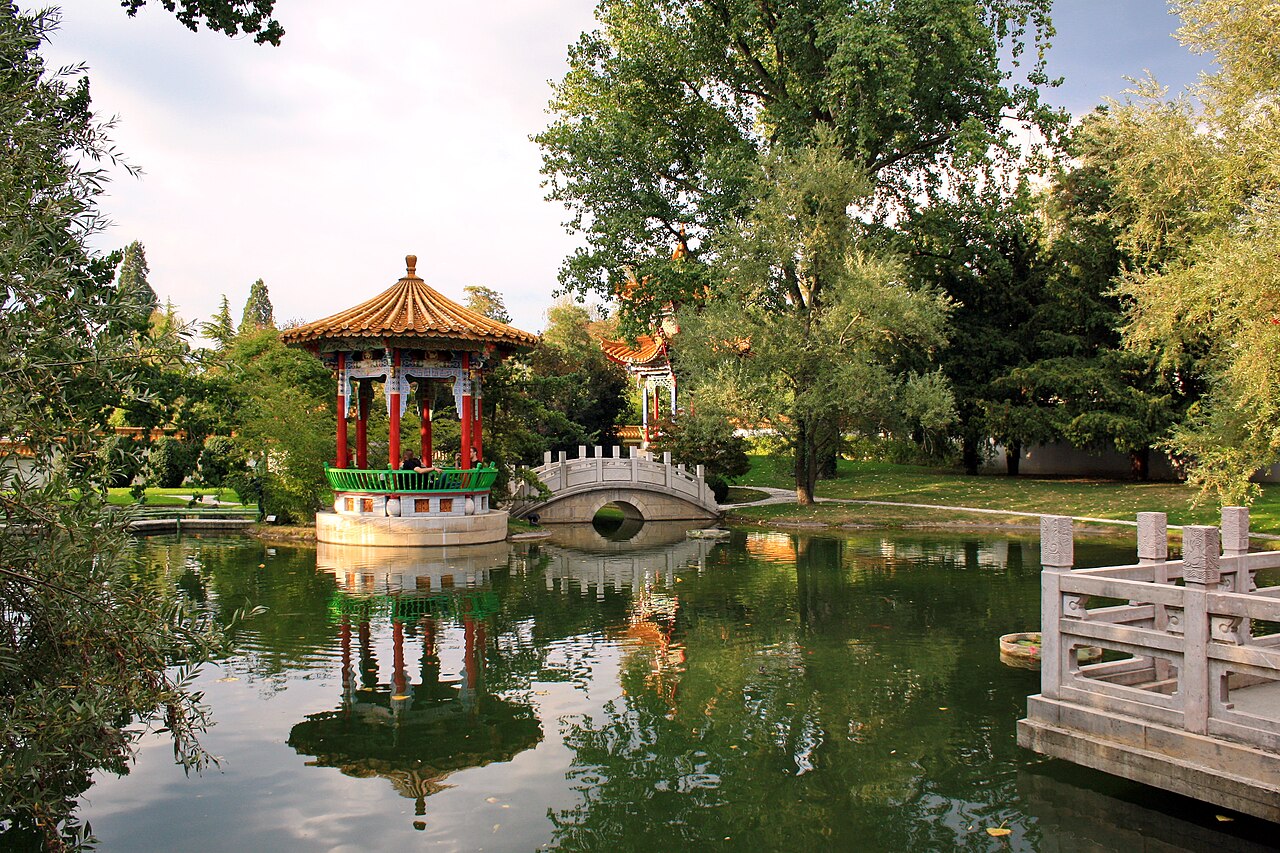
Chinese Garden
- Must see
- Nature site
Language · 11 published
Museum · Zurich

| Monday | Closed |
|---|---|
| Tuesday | 12:00 – 18:00 |
| Wednesday | 12:00 – 18:00 |
| Thursday | 12:00 – 20:00 |
| Friday | 12:00 – 18:00 |
| Saturday | 12:00 – 18:00 |
| Sunday | 12:00 – 18:00 |
Checked 2026-08-31 · Source
Read from the OpenStreetMap access tags; anything not listed has no tag recorded.
Set the group type to family in the planner and the day window contracts to about three quarters of a solo day.
Pavillon Le Corbusier is an architectural museum beside Lake Zurich in the Seefeld district. Completed in 1967 from Le Corbusier’s designs, it is recognized as his final work and presents a rare meeting of architecture, art, and design. The pavilion’s steel-and-glass construction gives the visit a distinctly modern character, while its lakeside position adds parkland and water to the architectural experience. It suits visitors who enjoy buildings as much as exhibitions. Pavillon Le Corbusier is an architectural museum on the shore of Lake Zurich in the Seefeld district. It represents the final work of Swiss-French architect Le Corbusier, completed posthumously in 1967 based on his designs. The building exemplifies his Modulor proportional system and stands as his only pavilion constructed primarily in steel and glass. The structure serves as both exhibition space and testament to modernist architectural principles, displaying the architect's original artworks and design objects in a setting he conceived himself. The pavilion's artistic and architectural focus may engage older children with relevant interests. Younger visitors might find the concentrated exhibition format less stimulating than interactive museums. The surrounding Zurichhorn park offers compensatory outdoor space.
Checked 2026-08-26 · Source
Inside, visitors encounter Le Corbusier’s paintings, drawings, sculptures, tapestries, furniture designs, and architectural models. The pavilion shows how his work crossed boundaries between visual art, objects, and buildings. Colored enamel panels, carefully arranged spaces, and natural light make the interior itself part of the display. Look for the connection between the objects and the structure around them: the museum is most engaging when the collection and the building are read together as one creative practice. The pavilion contains Le Corbusier's personal collection of paintings, drawings, sculptures, and tapestries.
Checked 2026-08-26 · Source
Allow one to two hours for the pavilion itself. Its compact interior can be explored efficiently, but architecture students, design enthusiasts, and visitors who enjoy examining individual works may want longer. The surrounding Zurichhorn park and lakeshore make a half-day outing easy to build around the museum. You can combine the pavilion with the nearby Chinese Garden or a walk beside the lake, giving the visit both focused indoor time and a broader Seefeld setting.
Checked 2026-08-26 · Source
The pavilion works in any season because the main experience is indoors, while the lakeside surroundings change outside. Warmer months are attractive for combining the museum with Zurichhorn park and the lake promenade. In colder or unsettled weather, the pavilion offers a concentrated architectural stop with outdoor time kept flexible. Visit earlier in the day if you want to study the building quietly before spending time in the surrounding park, where recreational activity can increase during pleasant weather.
Checked 2026-08-26 · Source
Include Pavillon Le Corbusier as a focused museum visit in your Zurich cultural plan. The attraction is compact, so its value comes from the quality of the architectural setting and the relationship between Le Corbusier’s art, furniture, models, and building. Travelers comparing several museums should allow for the pavilion’s lakeside context as well as the galleries. A visit here feels distinct from a large collection museum because the building itself is the central organizing idea.
Checked 2026-08-26 · Source
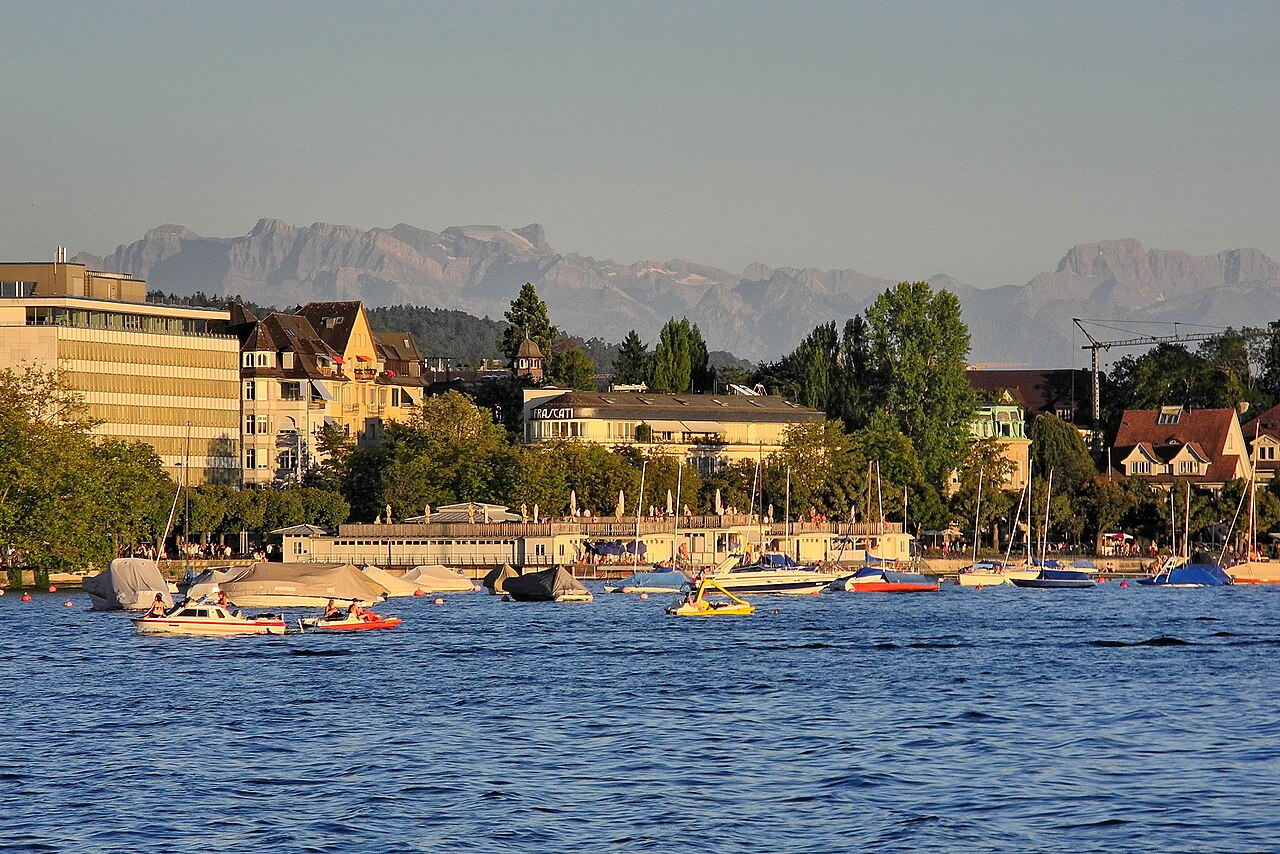
The pavilion stands in Zurichhorn Park in Seefeld, on the eastern shore of Lake Zurich. Reach the Seefeld area through Zurich’s public-transport network, then continue through the park toward the distinctive steel-and-glass building. Walking or cycling along the lakeshore creates a particularly pleasant approach. The location also allows an easy continuation to the Chinese Garden and other waterfront spaces. Leave time for the park crossing, since the pavilion is integrated into the landscape rather than facing a main street.
Checked 2026-08-26 · Source
The pavilion rewards close looking, so avoid treating it as a quick photo stop. Notice the steel framework, colored panels, proportions, and the way daylight changes the rooms. The building’s compact interior can feel concentrated when several visitors are present. Combine indoor attention with a walk outside to give the visit breathing space. Nearby park and swimming activity can make the approach busier in pleasant weather, while the lakeside environment can change quickly with wind and rain.
Checked 2026-08-26 · Source
The pavilion’s geometric form photographs strongly against Lake Zurich and the surrounding park. Try exterior views that show the steel-and-glass construction, colored surfaces, and relationship with the landscape. Inside, the artworks and enamel panels create controlled compositions shaped by natural light. The compact rooms require consideration for other visitors, so move carefully and keep equipment unobtrusive. Reflections in the glass can either complicate or enrich an image, especially when the lake and sky become part of the composition.
Checked 2026-08-26 · Source
It is an architectural museum in Zurichhorn Park presenting Le Corbusier’s final built work together with his art and design objects.
The displays include paintings, drawings, sculptures, tapestries, furniture designs, and architectural models by Le Corbusier.
One to two hours suits the pavilion, with additional time useful for the nearby park and Lake Zurich shoreline.
It is in Zurichhorn Park in the Seefeld district, beside Lake Zurich on the city’s eastern lakeshore.
Yes. The pavilion combines naturally with the nearby Chinese Garden, Zurichhorn Park, and a walk along Lake Zurich.
It is Le Corbusier’s final work and a distinctive steel-and-glass pavilion where architecture, art, furniture, and design are presented together.
Loading the interactive map…
The interactive map could not be loaded.
Last updated:
Source: OpenStreetMap contributors, Wikidata ·

_13.jpg)