3 min walk
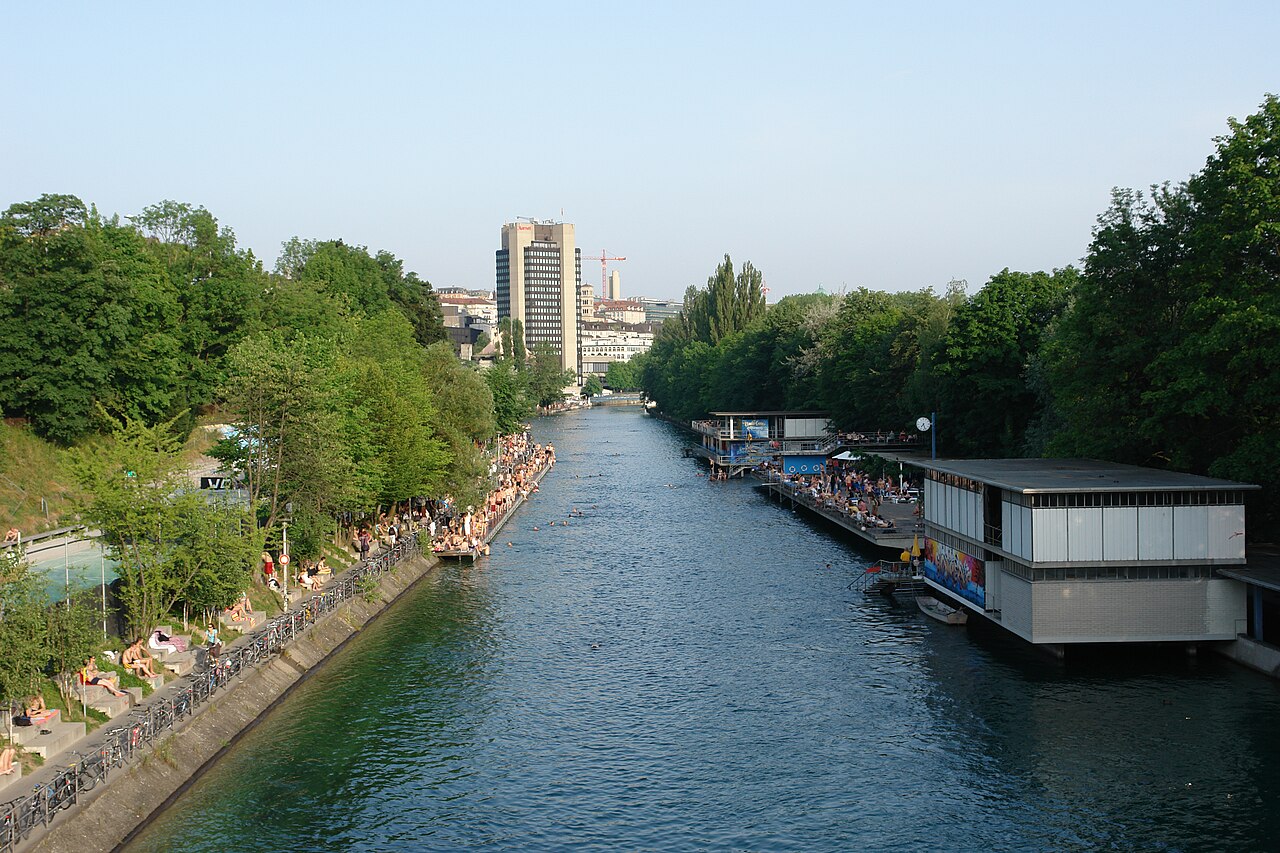
Flussbad Oberer Letten
- High
- Family attraction
Language · 11 published
Museum · Zurich
Museum für Gestaltung
Reviewed by Elena Voss · SSMTour Travel Editor

| Monday | Closed |
|---|---|
| Tuesday | 10:00 – 17:00 |
| Wednesday | 10:00 – 17:00 |
| Thursday | 10:00 – 20:00 |
| Friday | 10:00 – 17:00 |
| Saturday | 10:00 – 17:00 |
| Sunday | 10:00 – 17:00 |
Checked 2026-08-31 · Source
Read from the OpenStreetMap access tags; anything not listed has no tag recorded.
Set the group type to family in the planner and the day window contracts to about three quarters of a solo day.
Museum of Design, also known as Museum für Gestaltung, is a Zurich design museum connected with Zurich University of the Arts. It explores visual communication, product design, craft, and the history of designed objects and images. The museum suits travelers who want to understand how design reflects technology, society, and everyday life. Its academic connection gives the institution a research-minded character, while public exhibitions make Swiss and international design accessible through changing displays. The Museum of Design, locally known as Museum für Gestaltung, is a design museum in Zurich. It forms part of the Zurich University of the Arts and focuses on visual communication, product design, and craft. The institution holds significant collections documenting Swiss and international design history. Its exhibitions explore the cultural, social, and technological dimensions of designed objects and visual media. The museum operates as an educational and research facility alongside its public exhibition program. Its role in preserving design heritage makes it a notable point of interest for visitors with academic or professional interest in the field. Yes, these names refer to the same institution. Museum für Gestaltung is the local German name, while Museum of Design is its English equivalent.
Checked 2026-08-26 · Source
The collections cover graphic design, posters, product design, craft, and applied arts. Swiss poster design is a major point of interest, linking typography, illustration, advertising, and national design history. Displays may combine objects with historical explanation and discussion of the processes behind them. Rotating exhibitions bring different parts of the holdings into view, while temporary shows introduce contemporary themes, loaned works, and emerging practices. The museum rewards visitors who enjoy looking closely at visual details and material choices.
Checked 2026-08-26 · Source
Most visitors should allow one to two hours for the current exhibitions. Design professionals, students, and travelers with a strong interest in posters or visual culture may want longer to read labels and compare individual works. The museum’s moderate scale makes it easy to include with another Zurich cultural stop. If you want to study the collections in depth, build a separate block into your day, since close examination takes longer than a general walk through the galleries.
Checked 2026-08-26 · Source
The museum is a comfortable year-round choice because the visit takes place indoors and does not depend on outdoor conditions. Weekday mornings can provide a calmer setting for reading exhibition texts and studying detailed graphic works. Attendance may rise when a temporary exhibition opens or nears its closing period. Choose your timing according to the shows that interest you most, then leave enough room for a focused visit rather than trying to pass through between tightly scheduled landmarks.
Checked 2026-08-26 · Source
Admission is connected to the museum’s exhibition program, which can include collection displays and temporary shows. The price is not included here, so treat the museum as a paid cultural stop when planning your Zurich budget. Exhibition content changes, and different shows may shape the value of the visit for you. The strongest reason to go is the opportunity to see design history, Swiss posters, product design, craft, and contemporary visual ideas in one institution.
Checked 2026-08-26 · Source
Museum of Design is part of Zurich’s urban cultural network and can be reached through the city’s tram and bus system. Visitors arriving through Zurich’s main railway station can continue by local transport and then walk through the surrounding city streets. Cycling and walking are also practical options depending on your starting point. Use the mapped museum location for the final route, and pair the visit with nearby cultural or neighborhood exploration to make efficient use of your day.
Checked 2026-08-26 · Source
Exhibitions may include posters, works on paper, and light-sensitive materials, so visitors should pay attention to gallery rules and lighting restrictions. Labels can vary in language and depth, particularly when a display has a scholarly focus. Temporary exhibitions change the museum’s character from one visit to the next, making the current program important to the experience. Crowded galleries can make detailed works harder to study. Give yourself time to read, and follow staff guidance around fragile or borrowed objects.
Checked 2026-08-26 · Source
Graphic design and poster displays can offer strong photographic subjects through typography, color, composition, and paper texture. Follow the museum’s posted rules, especially around flash, tripods, and temporary exhibitions. Works on paper require careful conservation, and loan conditions can affect what visitors may photograph. Personal photography should never interrupt another visitor’s view. For a more useful visual record, focus on design details and the relationship between objects and gallery space rather than photographing every display without looking closely.
Checked 2026-08-26 · Source
Yes. Museum für Gestaltung is the German name, while Museum of Design is the English name for the same Zurich institution.
The museum covers visual communication, graphic design, Swiss posters, product design, craft, and applied arts.
Yes. It forms part of Zurich University of the Arts, which supports its research and educational character.
No. The museum presents rotating exhibitions and temporary shows, so different parts of its holdings become visible at different times.
Allow one to two hours for a general visit, with additional time if you want to study posters, labels, and individual objects closely.
The Swiss poster tradition is a strong starting point, offering a clear introduction to typography, illustration, advertising, and graphic design history.
Loading the interactive map…
The interactive map could not be loaded.
Last updated:
Source: OpenStreetMap contributors, Wikidata ·