


1 min walk
Silk Tomb at Petra
- Must see
- Historic monument
Language · 11 published
Historic monument · Wadi Musa
Urn Tomb
Reviewed by Elena Voss · SSMTour Travel Editor

Urn Tomb is one of Petra's major rock-cut funerary monuments. Its name comes from the urn that crowns the facade, while its elevated position gives it a commanding relationship with the valley below. The monument combines a dramatic exterior with a large carved interior chamber. Reaching it adds a physical climb to the visit, making the tomb both an architectural stop and a viewpoint over Petra's sandstone landscape. Urn Tomb is a monumental rock-cut facade within the Petra archaeological park in southern Jordan. The structure takes its name from the decorative urn that crowns its pediment. Carved into the rose-red sandstone cliff face, it represents one of the larger and more architecturally distinctive tombs in the ancient Nabataean city. The monument sits elevated above the valley floor, requiring visitors to ascend a stepped approach. Its scale and prominent position suggest it held significant status among the funerary monuments of Petra. No. The tomb requires climbing a substantial rock-cut staircase with uneven, worn steps and no alternative route. Visitors with mobility limitations should assess this challenge carefully.
Checked 2026-08-26 · Source
The interior is a large single chamber cut into the rock, with three recesses or niches on the rear wall. The room is simple compared with the elaborate scale of the facade, and later reuse is associated with the chamber. Light is limited inside, so the shape of the room becomes clearer after your eyes adjust. Notice the contrast between the monumental exterior and the restrained interior. The interior of Urn Tomb consists of a large single chamber with a deep, rectangular plan. The chamber shows evidence of later adaptation, with some historical sources indicating Byzantine-era conversion for other uses. The interior lacks the elaborate decorative carving seen on the exterior facade. Visitors should note that interior lighting is minimal, and the floor may be uneven. The chamber's acoustics and proportions reward careful observation.
Checked 2026-08-26 · Source

Allow thirty to sixty minutes for Urn Tomb, including the stepped ascent, time inside the chamber and views across the valley. The monument fits naturally into a circuit of Petra's Royal Tombs, including nearby facades such as Silk Tomb and Corinthian Tomb. Add more time if you are photographing the facade or studying the carved niches. The climb makes a short visit feel more substantial. A visit to Urn Tomb typically requires thirty to sixty minutes, depending on individual pace and interest. The approach involves climbing a substantial flight of rock-cut steps from the main wadi, which adds physical demand to the experience.
Checked 2026-08-26 · Source

Morning is a strong choice for cooler temperatures and clear light on the facade. Late afternoon can produce warm colour across the sandstone and broad views from the elevated position. Summer midday is demanding on the exposed staircase, while spring and autumn are more comfortable for a longer circuit. Winter visits require attention to cold and wet stone. Leave enough daylight for the descent.
Checked 2026-08-26 · Source
Urn Tomb is included in general Petra archaeological park admission and does not require a supplementary monument ticket. The Jordan Pass may include Petra entry for eligible international visitors. The tomb is therefore best planned as one stop within your park visit, alongside the Royal Tombs and the central valley. Keep your park entry arrangement with you as you move between the site's monuments.
Checked 2026-08-26 · Source

From the main Petra route near the Theatre, climb the rock-cut staircase toward the Royal Tombs. Urn Tomb stands on the northern slope above the main wadi. The ascent is on foot, exposed and moderately strenuous. Horse, carriage and donkey services can cover parts of the wider Petra approach, but the final climb to the tomb is a staircase. Plan the route around the descent as well.
Checked 2026-08-26 · Source

The staircase is steep, uneven and worn, and rain can make the stone slippery. Edges are not protected by guardrails everywhere. The chamber has no artificial lighting, so a small torch helps with careful movement and viewing. Summer heat is strong on the ascent. Carry water, take the climb slowly and avoid entering or touching unstable areas. Visitors with limited mobility should consider the staircase before choosing this stop.
Checked 2026-08-26 · Source
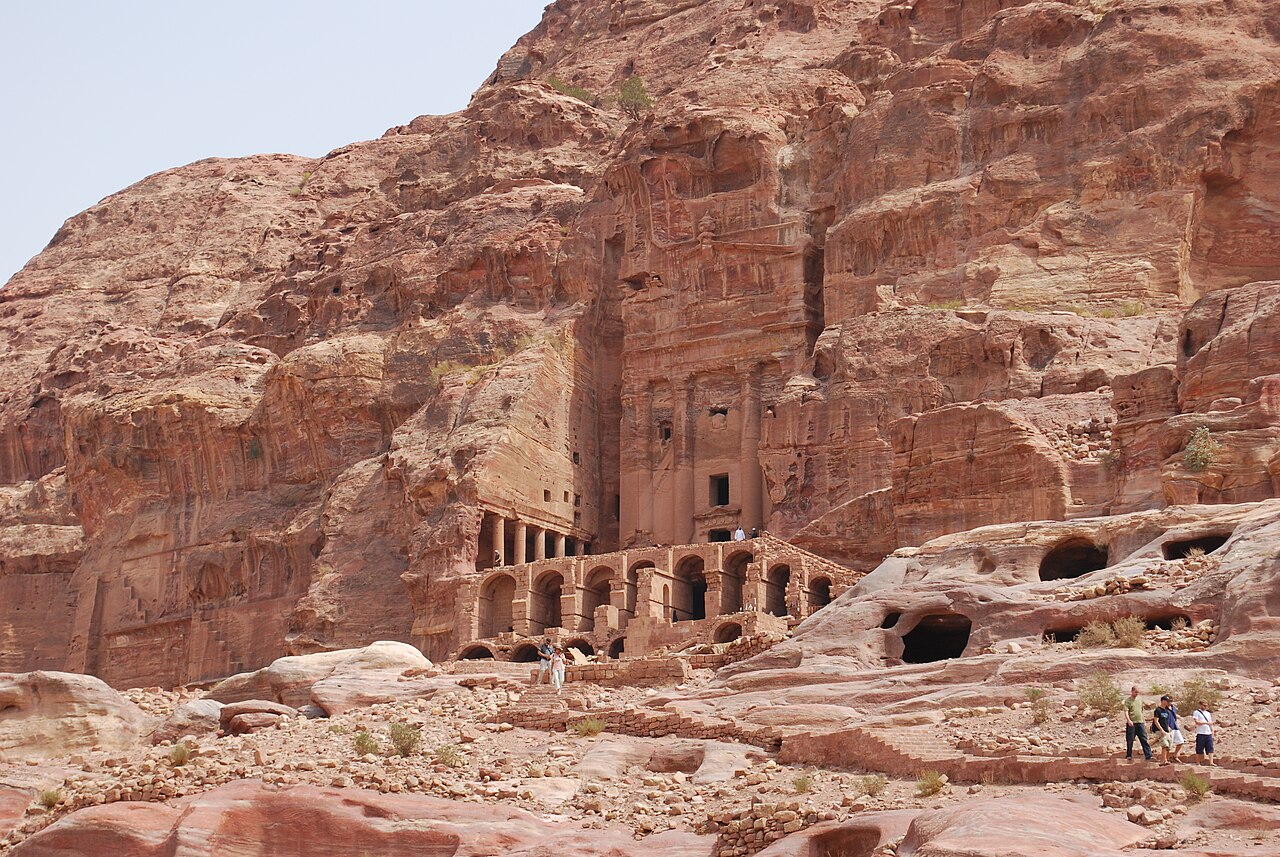
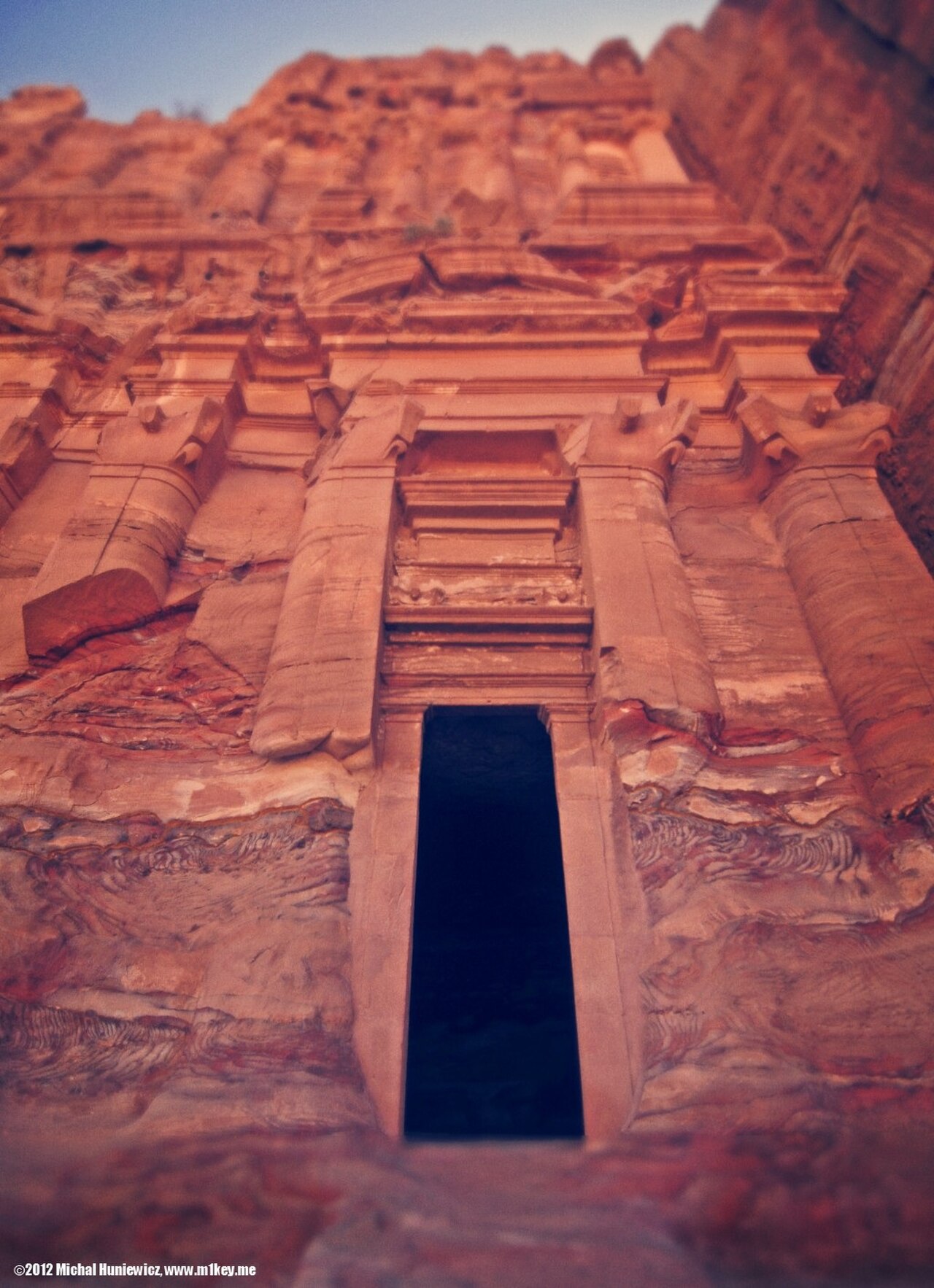
The facade and urn motif reward photographs from below, while the elevated position opens views across Petra's valley. Morning and late-afternoon light reveal texture in the pediment and weathered stone. Inside, low light makes the chamber suited to steady handheld images or longer exposures. Include the staircase or a distant figure to communicate scale. Keep clear of the approach and treat the carved surface as a protected monument.
Checked 2026-08-26 · Source
The tomb is reached by a substantial rock-cut staircase with uneven steps and no alternative route described in the guide.
No. Entry to Urn Tomb is included within general Petra archaeological park admission.
The tomb contains a large carved chamber with three recesses or niches on the rear wall and limited natural light.
Allow about thirty to sixty minutes for the climb, chamber, facade and elevated valley views.
Bring water, sun protection, shoes with good grip and a small torch for the dim interior chamber.
Morning and late afternoon bring softer, warmer light to the facade, urn motif and sandstone valley views.
Loading the interactive map…
The interactive map could not be loaded.

Last updated:
Source: OpenStreetMap contributors, Wikidata ·