
_Best_View_of_the_Monastery_at_Petra_(3).jpg)
_Best_View_of_the_Monastery_at_Petra_(8).jpg)


7 min walk
Tomb 468
- High
- Historic monument
Language · 11 published
Historic monument · Wadi Musa
Ad Deir (Monastery)
| Monday | 06:30 – 17:00 |
|---|---|
| Tuesday | 06:30 – 17:00 |
| Wednesday | 06:30 – 17:00 |
| Thursday | 06:30 – 17:00 |
| Friday | 06:30 – 17:00 |
| Saturday | 06:30 – 17:00 |
| Sunday | 06:30 – 17:00 |
Checked 2026-08-31 · Source
Read from the OpenStreetMap access tags; anything not listed has no tag recorded.
Set the group type to family in the planner and the day window contracts to about three quarters of a solo day.
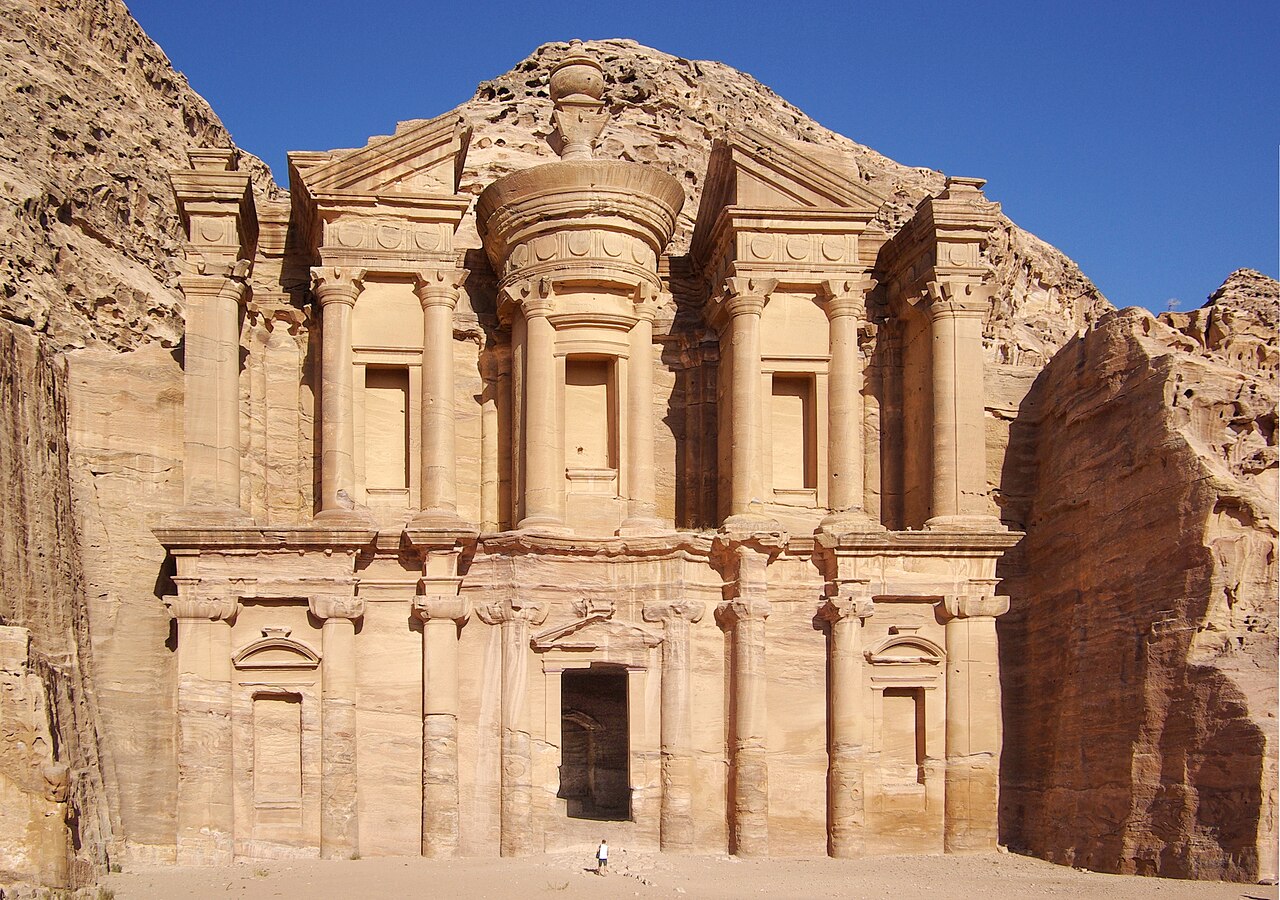
Ad Deir, known locally as الدير, is a monumental rock-cut tomb within the Petra archaeological park in southern Jordan. Often called the Monastery due to its later use as a Christian chapel, this Nabataean structure represents one of the largest and most impressive facades at the site. The building sits high above the main valley, carved directly into sandstone cliffs. Its design resembles the more famous Treasury but on a grander scale, featuring a broken pediment and central tholos. The structure exemplifies Nabataean architectural mastery and remains a significant destination for visitors exploring the ancient city.
Checked 2026-08-26
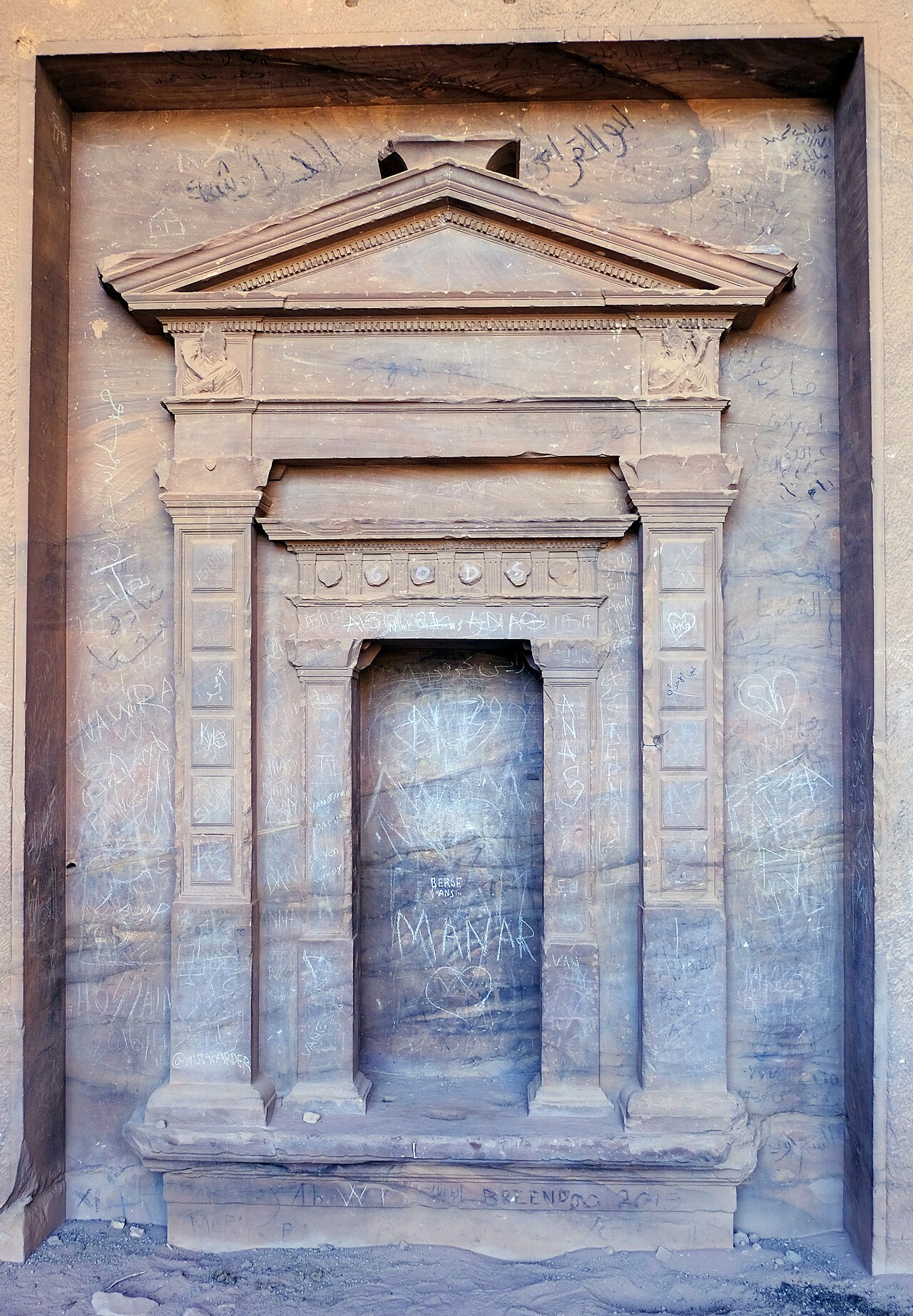
The interior of Ad Deir consists of a single large chamber with minimal architectural elaboration compared to its elaborate facade. The chamber measures roughly square in proportion, with plain walls and a high ceiling. Unlike some tombs at Petra, Ad Deir lacks the intricate interior carving seen elsewhere. The space was later adapted for Christian use, evidenced by crosses carved into the rear wall. The simplicity of the interior contrasts sharply with the monumental exterior. Visitors should note that the chamber is typically empty, with no furnishings or artifacts on display. The experience centers on architectural appreciation rather than interior contents.
Checked 2026-08-26
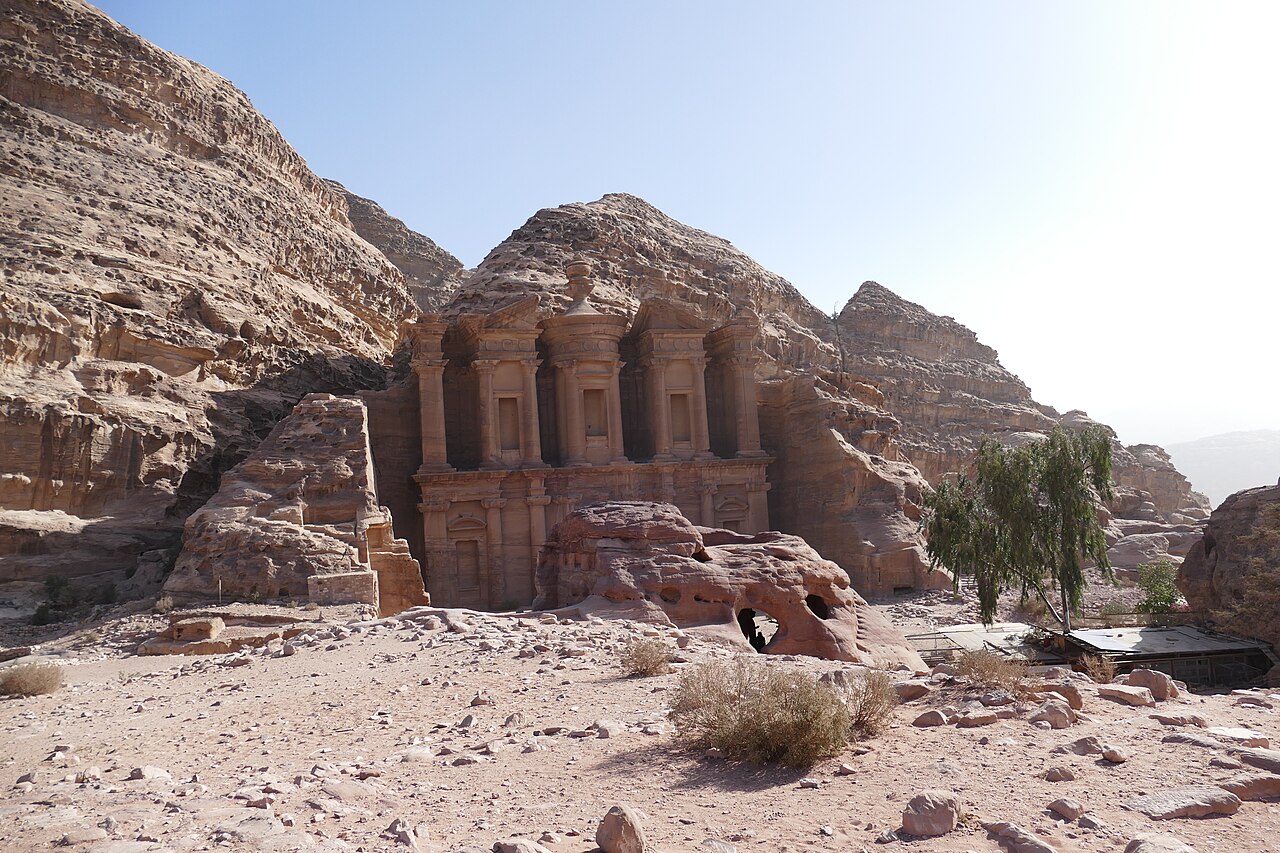
The visit to Ad Deir requires substantial time commitment due to its elevated location. The ascent from the main Petra valley involves climbing approximately eight hundred rock-cut steps, taking most visitors between forty minutes to one hour each direction. Many visitors spend thirty to sixty minutes at the site itself, photographing the facade and resting. The complete excursion typically demands three to four hours round trip from the basin area. Physical fitness significantly affects duration. The steep, uneven steps challenge many visitors. Those with mobility limitations should carefully consider whether to attempt this particular destination within the archaeological park.
Checked 2026-08-26
The broader Petra archaeological park generally opens during daylight hours, though precise seasonal variations remain unverified in this context. Morning visits offer cooler temperatures for the strenuous ascent and potentially better lighting conditions for photography. Midday brings intense sun exposure with minimal shade along the trail. Afternoon visits risk approaching park closure times. Weather conditions including rare flash flooding can affect trail safety. Visitors should consult current official sources before planning their timing. The demanding climb makes temperature considerations particularly important for personal safety and enjoyment. Check the operator's own site for the travel date before relying on a schedule or fare.
Checked 2026-08-26
Access to this monument is included within the general Petra archaeological park admission ticket rather than requiring separate purchase. The Jordan Pass, available to international tourists, covers park entry at various tier levels. Individual day passes, multi-day passes, and guided tour inclusions constitute the main access mechanisms. Payment methods and currency accepted at park entrances are not specified in available sources. Visitors should verify current fee structures through official Jordanian tourism authorities or licensed tour operators before arrival, as pricing policies may change without widespread notification. Check the operator's own site for the travel date before relying on a schedule or fare.
Checked 2026-08-26
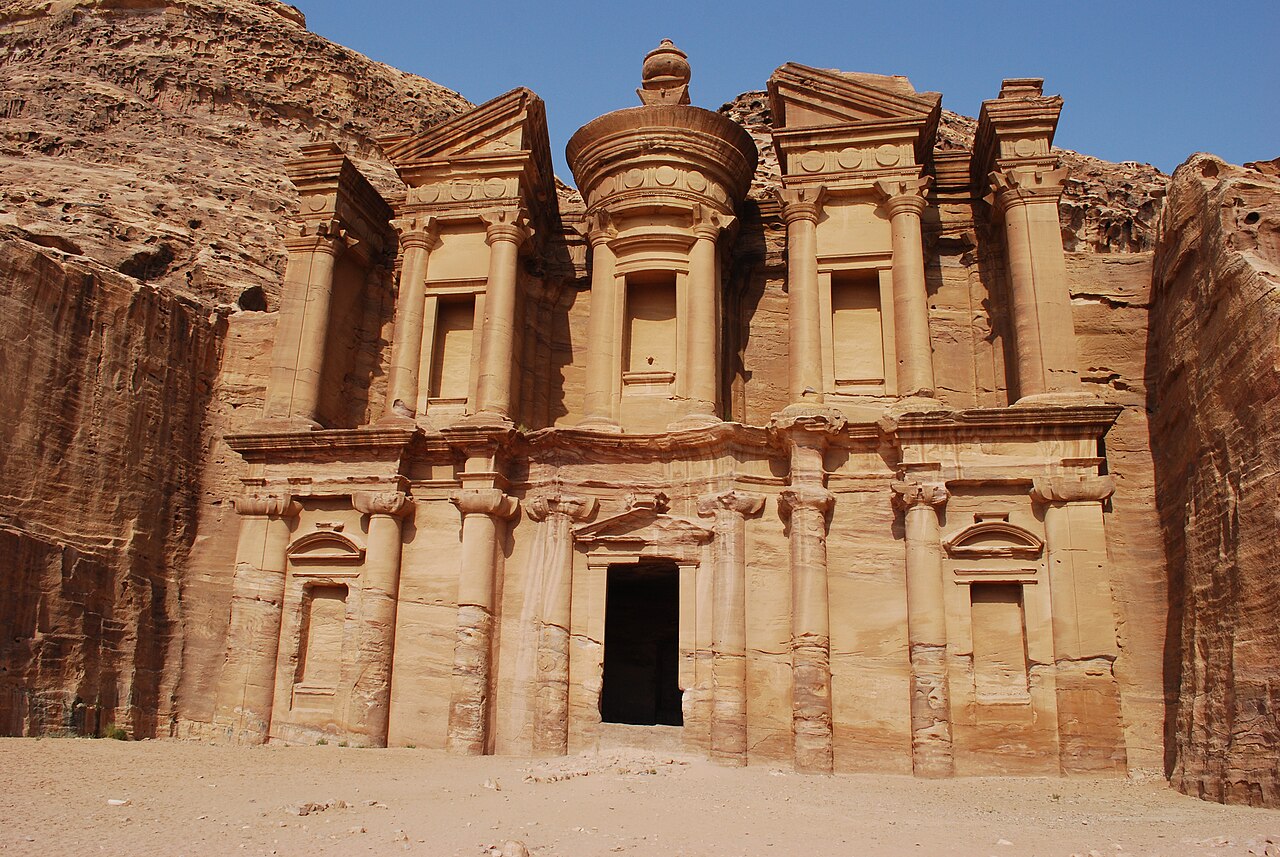
Ad Deir occupies the northwestern heights of the Petra archaeological park, accessible only via foot or animal transport. The primary route begins near the basin past the main colonnaded street, following a steep trail of rock-cut steps. Local operators offer donkey or camel services for the ascent, though animal welfare concerns have been raised by various observers. No motorized vehicle access exists. The trail passes the Lion Triclinium and other minor monuments en route. Signage along the path is present but variable. Visitors should carry adequate water as no reliable sources exist along the route. The return descent follows the same path.
Checked 2026-08-26
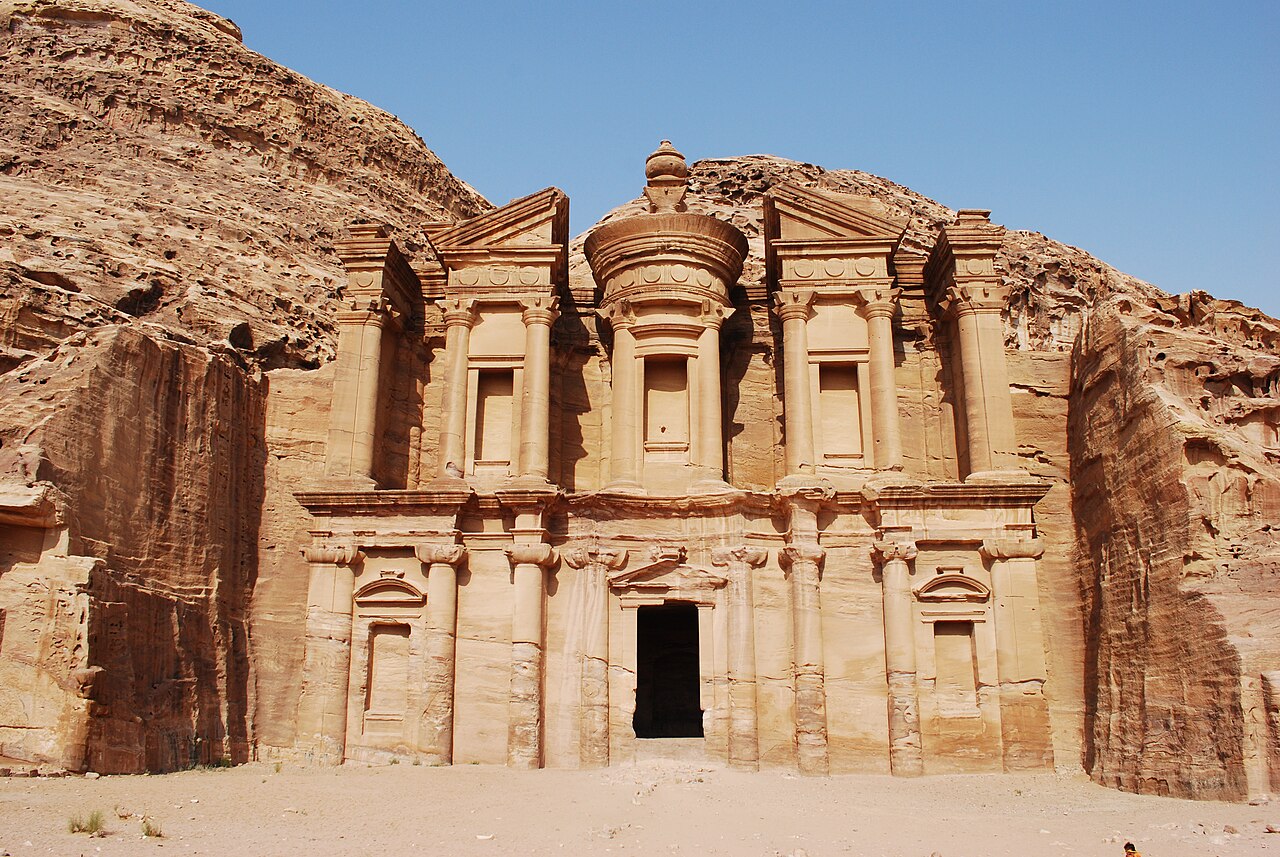
The ascent to Ad Deir presents several visitor concerns requiring attention. The rock-cut steps are uneven, worn smooth in places, and lack guardrails, creating slip and fall hazards particularly during or after rainfall. Steep drop-offs occur alongside portions of the trail. Animal traffic including donkeys and their handlers shares narrow path sections, necessitating caution. Limited shade exposes visitors to sun and heat risks; dehydration represents a genuine concern. The remote location means emergency assistance requires significant response time. Visitors should assess personal fitness honestly before attempting the climb. Appropriate footwear with grip is essential. Solo hiking in extreme temperatures is inadvisable.
Checked 2026-08-26
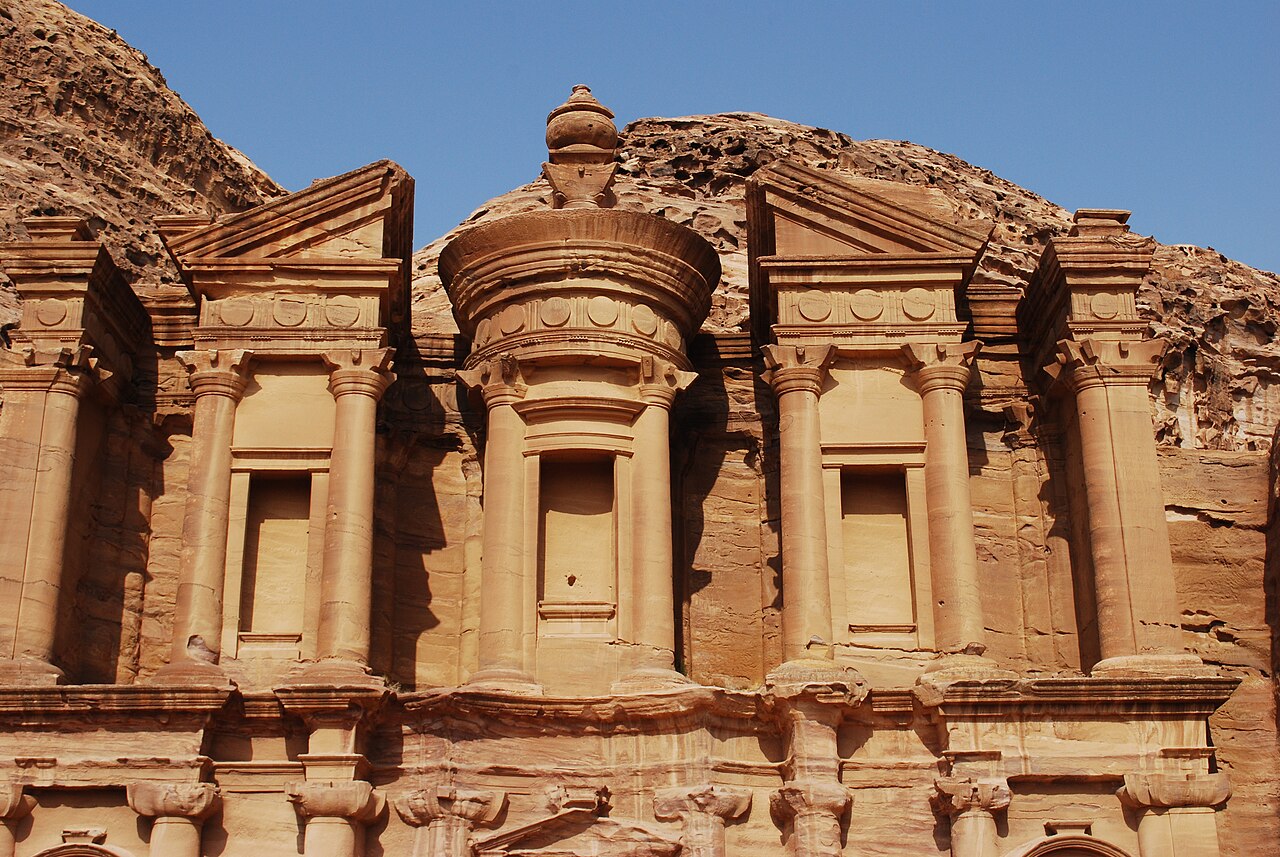
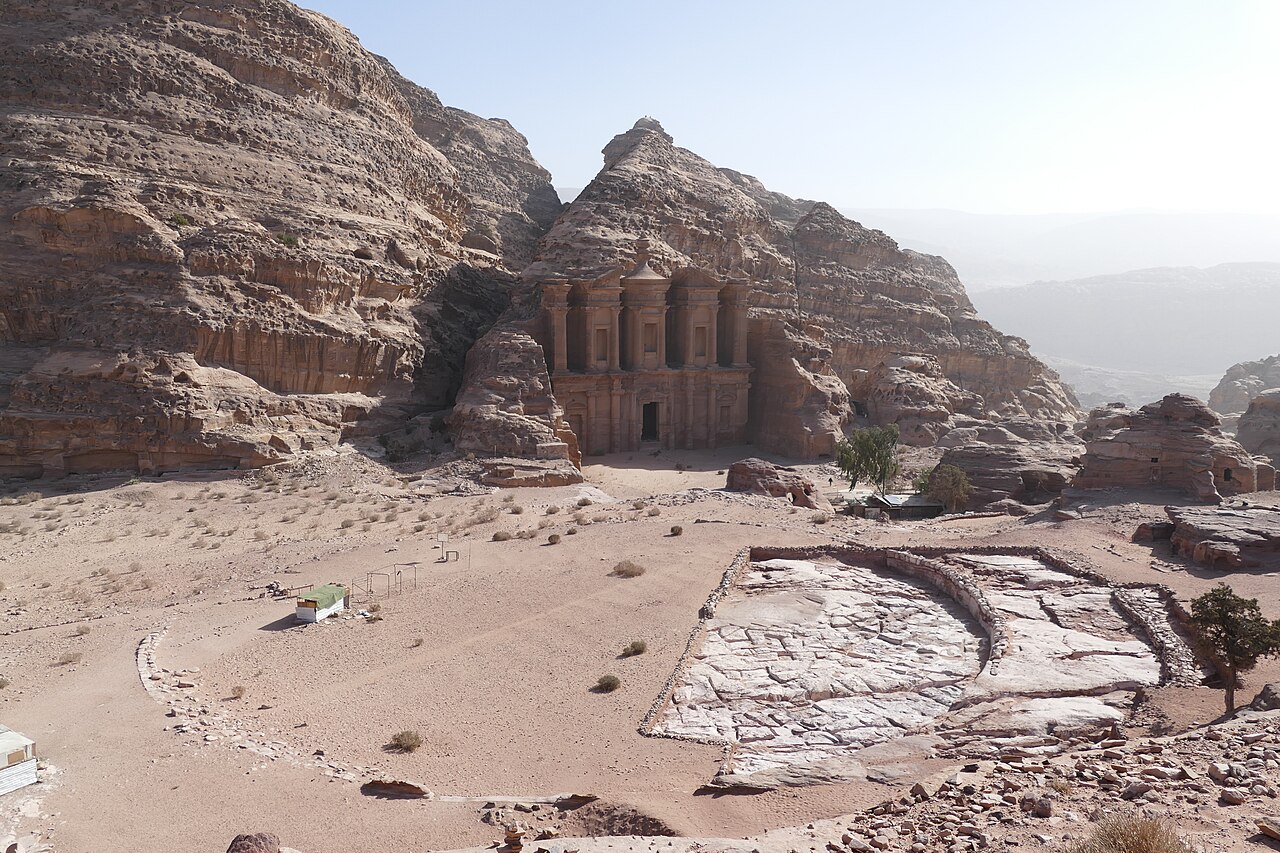
Ad Deir offers exceptional photographic opportunities due to its massive scale and dramatic setting. The facade faces roughly northwest, affecting natural lighting throughout the day. Morning light illuminates the front directly, while afternoon creates shadowed effects. The plaza before the monument provides space to capture the full height, though wide-angle lenses help convey scale. The interior chamber offers limited photographic interest. The surrounding landscape including distant viewpoints provides alternative perspectives. Tripod use policies are not specified in available sources. Drone operation is likely restricted within the archaeological park. Visitors should respect other visitors' experiences while positioning for shots, particularly during peak visitation periods.
Checked 2026-08-26
No. Ad Deir and the Treasury are separate monuments within Petra. The Treasury, or Al-Khazneh, sits at the canyon entrance and represents the site's most famous facade. Ad Deir lies higher in the mountains, requires substantial climbing to reach, and features a larger though architecturally related facade. The names are sometimes confused by first-time visitors.
Yes, the interior chamber of Ad Deir is accessible to visitors. It consists of a single large, plain room with minimal decoration. The space contains no furnishings or displayed artifacts. The crosses carved into the rear wall indicate later Christian use. The interior offers limited interest compared to the monumental exterior facade.
No. The climb to Ad Deir represents an optional extension within the broader Petra archaeological park. Many visitors explore the main valley, Treasury, and colonnaded street without attempting this strenuous ascent. Physical limitations, time constraints, or personal preference may reasonably exclude this destination from an itinerary.
Animal transport including donkeys is offered by local operators along the trail to Ad Deir. However, animal welfare conditions have attracted concern from various observers and organizations. Visitors must make personal decisions regarding use of these services. Walking remains the alternative, though physically demanding.
The trail likely closes according to broader park schedules. Visitors should verify current operational status through official sources, as remote trail access may be affected by seasonal or safety-related closures independently of main entrances. Check the operator's own site for the travel date before relying on a schedule or fare.
Reliable water sources along the trail to Ad Deir are not documented in available sources. Visitors should carry sufficient water for the strenuous round-trip excursion, particularly given heat exposure and physical exertion. The remote location means services are minimal to absent along the route.
Loading the interactive map…
The interactive map could not be loaded.

Last updated:
Source: OpenStreetMap contributors, Wikidata ·