

_(13250734075).jpg)
_(13250603315).jpg)
_(13250595625).jpg)
.jpg)
1 min walk
Corinthian Tomb at Petra
- Must see
- Historic monument
Language · 11 published
Historic monument · Wadi Musa
Palace Tomb

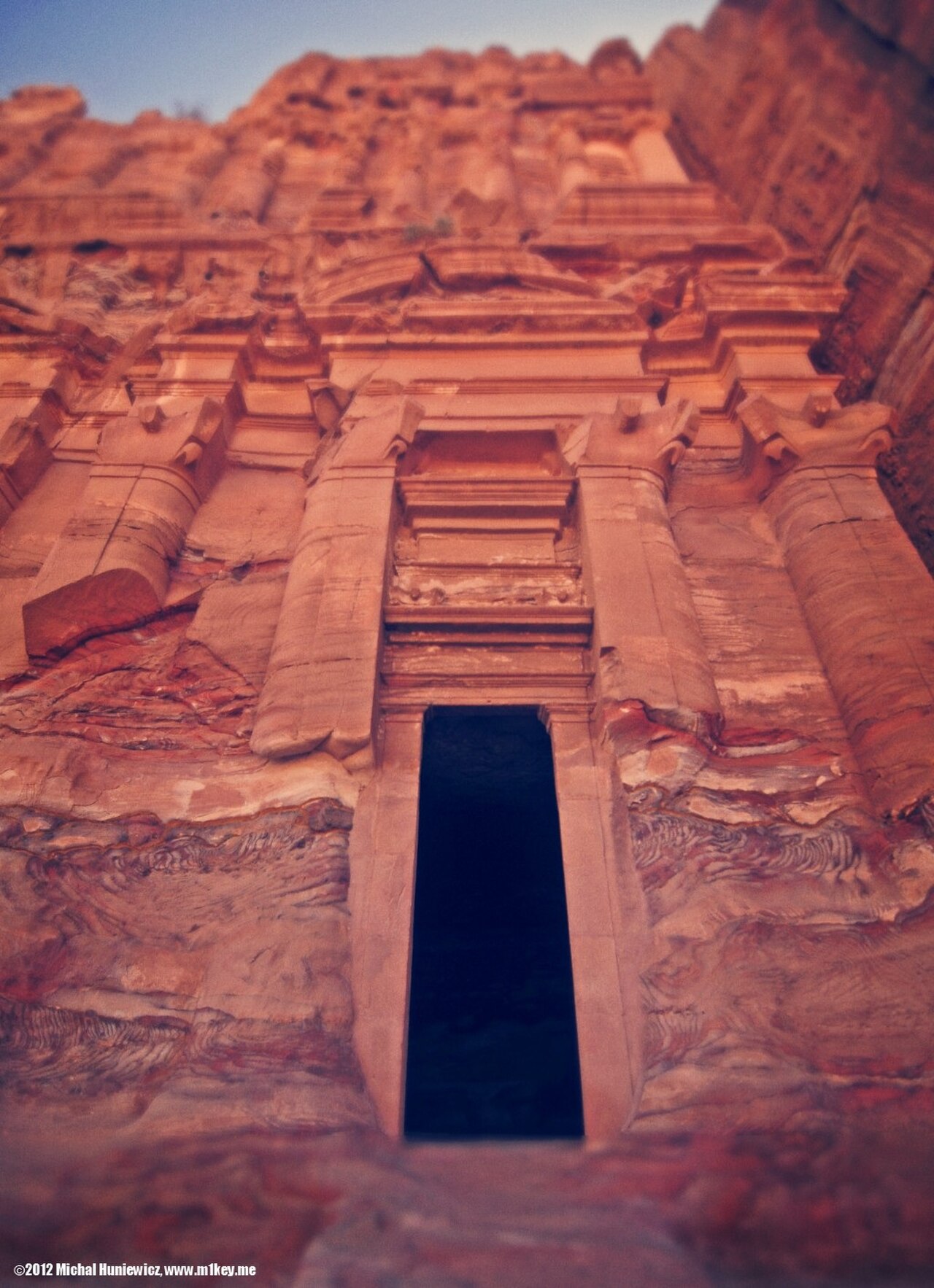
The Palace Tomb stands among the Royal Tombs in Petra's archaeological park, a Nabataean rock-cut facade distinguished by its three-story architectural composition. Its upper level resembles a palace structure, giving the monument its modern name. Located on the slope opposite the Street of Facades, it forms part of the extensive necropolis that characterises the ancient city. The tomb exhibits the grandeur typical of elite Nabataean burial architecture, though scholarly debate continues regarding its precise dating and original function within the funerary landscape of Petra.
Checked 2026-08-26
The Palace Tomb consists of a monumental rock-hewn exterior with multiple levels of architectural detail. Visitors can observe the carved columns, entablatures, and decorative elements that demonstrate Nabataean craftsmanship. The interior comprises burial chambers and spaces hollowed from the sandstone cliff. Weathering and age have affected some surfaces. The monument does not contain furnishings or artefacts in situ, as these have been removed or lost over centuries. The spatial arrangement suggests it served collective burial purposes for an important family or social group within Nabataean society.
Checked 2026-08-26

A visit to the Palace Tomb typically requires fifteen to thirty minutes for exterior examination and brief interior exploration. The duration depends on individual interest in architectural details, physical mobility, and crowd conditions. The Royal Tombs area warrants extended time overall, as several monuments cluster together, including the Corinthian Tomb and Silk Tomb. Visitors often allocate half a day for comprehensive examination of this zone. Pace should accommodate the uneven terrain, steps, and the need to share limited spaces with other travellers during peak visitation periods.
Checked 2026-08-26

The Palace Tomb lies within Petra archaeological park, which generally opens during daylight hours, though specific seasonal variations apply. Morning visits offer cooler temperatures and favourable light for viewing architectural details. Midday brings intense sun exposure with minimal shade at the tomb itself. Afternoon light can enhance photographic conditions. Rainfall occurs rarely but may render paths slippery. The site becomes crowded during peak tourist seasons. Visitors should verify current operational status through official channels before planning their itinerary to avoid disappointment. Check the operator's own site for the travel date before relying on a schedule or fare.
Checked 2026-08-26
Admission to the Palace Tomb requires a Petra archaeological park entry ticket, available at the visitor centre near Wadi Musa. Ticket categories typically include single-day, two-day, and three-day options, with pricing structures that may differentiate between local residents, Jordanian nationals, and international visitors. Some overnight packages include entry fees. Payment methods and precise costs should be confirmed directly with official sources. Additional fees may apply for guided services, horse transport, or other park amenities. Carry identification as requirements may vary. Check the operator's own site for the travel date before relying on a schedule or fare.
Checked 2026-08-26

The Palace Tomb sits within the main Petra archaeological zone, accessible on foot from the visitor centre. The standard route proceeds through the Siq, past the Treasury, along the Street of Facades, and then ascends to the Royal Tombs area. The climb involves steps and uneven sandstone surfaces. Donkeys and horses are available for hire at additional cost, though animal welfare concerns have prompted visitor caution. The journey from the Treasury to the Royal Tombs takes approximately twenty to thirty minutes walking at moderate pace. Proper footwear is essential.
Checked 2026-08-26
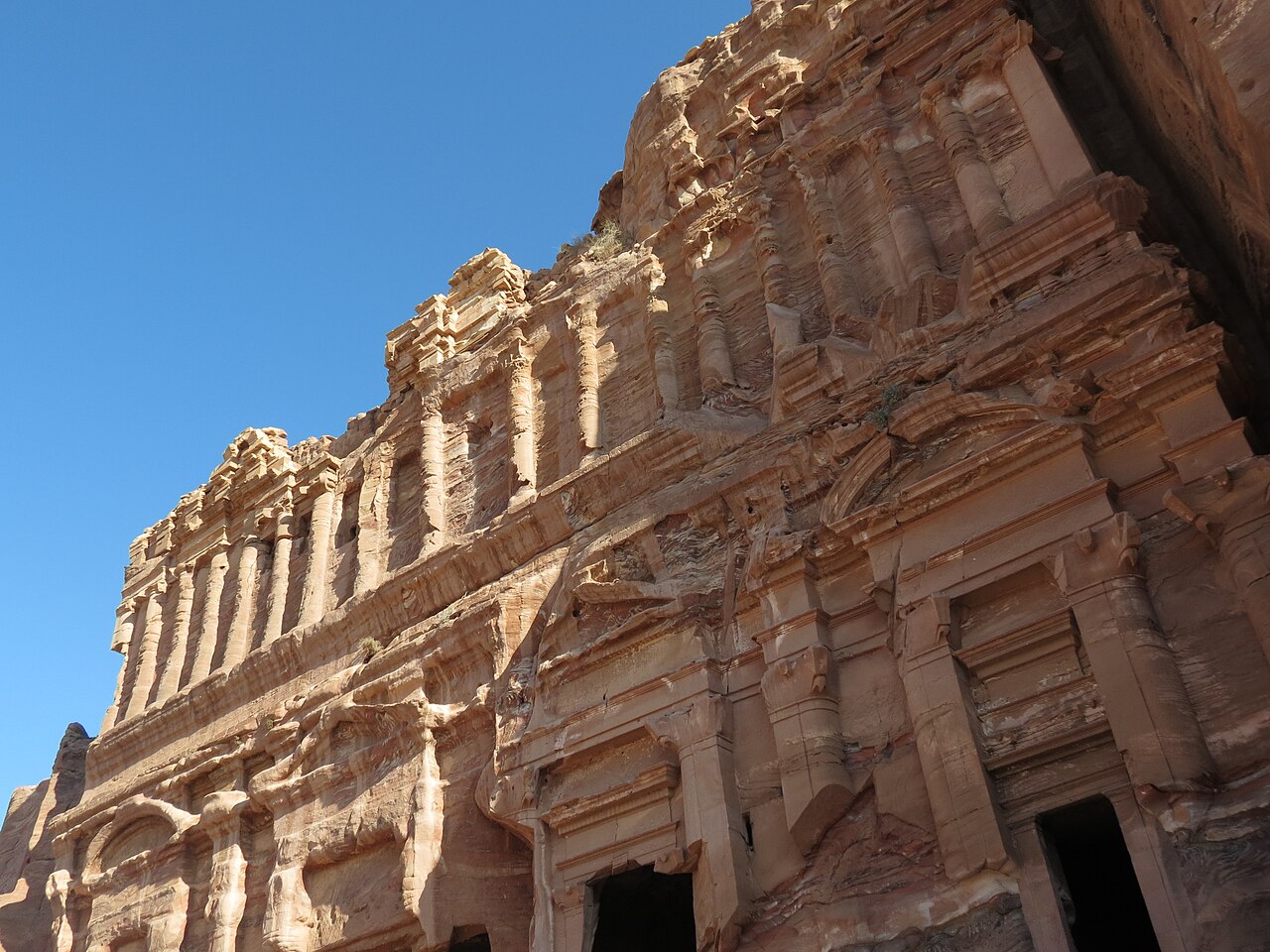
The approach to the Palace Tomb involves uneven steps and loose surfaces that demand careful footing. Drop-offs exist near the monument edges. No guardrails protect all areas. Heat exhaustion presents genuine risk during summer months; water and sun protection are necessary. The tomb interior may contain debris and uneven floors. Beware of unofficial guides offering services. Animal transport operators may employ persistent sales tactics. Respect barriers and posted restrictions. Emergency services are not immediately adjacent. Mobile telephone coverage varies across the site. Travel insurance should cover remote area evacuation.
Checked 2026-08-26

The Palace Tomb offers substantial photographic interest through its layered facade and textural sandstone surfaces. Morning light illuminates the upper levels effectively. The monument's position permits wide-angle composition from the slope below. Tripod use may attract scrutiny; confirm regulations locally. Interior photography requires adjustment for low light conditions. The adjacent monuments provide contextual shots. Fellow visitors frequently populate the scene, requiring patience for unobstructed frames. Dust and glare affect equipment protection and exposure settings. Drone operation is prohibited within the archaeological park. Respect requests from authorities or guardians regarding camera restrictions in specific areas.
Checked 2026-08-26
Access involves steps and uneven sandstone terrain. The climb from the main path presents challenges. Visitors with mobility limitations should assess conditions personally or seek current advice from park authorities.
Permanent facilities are not located immediately adjacent. Visitors should plan accordingly before ascending to the Royal Tombs area. Temporary arrangements may operate seasonally.
Interior access is possible but involves uneven surfaces and debris. No formal restrictions were confirmed at time of drafting. Visitors should exercise judgement and respect any barriers installed.
Self-guided exploration is feasible. Licensed guides are available for hire at the visitor centre. Unofficial guides may approach visitors; their credentials are unverified.
Sturdy footwear with grip is essential. Sun protection including hat and covering clothing is advisable. Shoulders and knees should be covered as a courtesy in Jordan.
No permanent vendors operate at the monument itself. Small stalls may appear seasonally along routes. Carrying adequate water is strongly recommended given the exertion and heat.
Loading the interactive map…
The interactive map could not be loaded.


Last updated:
Source: OpenStreetMap contributors, Wikidata ·